
IFSC Injury Report: Top Climbers Return to the Wall at Innsbruck Following Grueling Rehabs
As the 2026 IFSC World Cup circuit reaches Innsbruck, several elite climbers are making triumphant returns from severe off-season injuries. Their recoveries highlight the grueling physical and mental rehabilitation required to compete at the highest level of sport climbing.
By Factlen Editorial Team
- Sports Medicine Professionals
- Argue that climbing requires highly specialized, active rehabilitation and psychological readiness testing before returning to the wall.
- Elite Competitors
- View injuries as inevitable hurdles, focusing on tactical adaptations and balancing the risk of competing through pain.
What's not represented
- · Amateur Climbers
- · Route Setters
Why this matters
Sport climbing places extreme physiological demands on the human body, particularly the hands and upper extremities. Understanding how elite athletes navigate and overcome these injuries provides valuable blueprints for amateur climbers managing their own physical setbacks.
Key points
- Several elite climbers are making their returns to competition at the IFSC World Cup in Innsbruck after severe injuries.
- Austrian Para Climber Kevin Schlegl is returning from a spring ligament injury to compete at his home event.
- Belgian climber Hannes Van Duysen successfully returned to the wall after missing three months for elbow surgery.
- Olympic champion Janja Garnbret is actively competing through a bruised bone by adapting her climbing strategy.
- Overuse and microtrauma account for roughly 93% of all climbing injuries, particularly affecting the hands and fingers.
- Modern rehabilitation protocols emphasize psychological readiness testing alongside physical recovery before athletes return to the wall.
The 2026 IFSC World Cup season is in full swing, and as the circuit descends on Innsbruck, Austria, the spotlight is shifting from the podium to the physical resilience of the athletes. Several top competitors are making their long-awaited returns to the wall after severe injuries, turning this week's event into a showcase of grueling rehabilitation and mental fortitude.[6][7]
In the Para Climbing division, Austrian standout Kevin Schlegl is making his 2026 debut at his home event following a frustrating spring. A severe ligament injury forced him to miss the season opener in Salt Lake City, sidelining him during a crucial preparation window.[2]
Instead of rushing his return, Schlegl committed to an intensive physical therapy regimen designed to rebuild his baseline strength. He recovered just in time to join the record-breaking 301-athlete roster in Innsbruck. "Training was very intense, and I hope it paid off," Schlegl noted, setting his sights on reaching the finals in front of a home crowd.[2]
Ligament and tendon issues like Schlegl's are the hallmark of elite climbing. According to the American Academy of Orthopaedic Surgeons, overuse and chronic microtrauma account for roughly 93% of all rock-climbing injuries. The repetitive strain of pulling upward on microscopic holds creates a unique injury profile rarely seen in other sports.[4]

The extreme forces exerted on the fingers are particularly punishing. Biomechanical studies show that forces can exceed 400 Newtons during a single-finger "crimp" grip. This immense pressure makes annular pulley injuries—where the tissue holding the tendon to the bone ruptures—and lumbrical strains a constant threat for competitors pushing their physical limits.[4]
The extreme forces exerted on the fingers are particularly punishing.
For Belgian climber Hannes Van Duysen, the hurdle was an elbow injury that required surgery during the off-season. The joint takes a massive beating during dynamic, swinging movements on the bouldering wall, and the damage eventually required surgical intervention to repair.[1]
Van Duysen was forced off the wall entirely for three months, a massive disruption for an elite competitor accustomed to year-round training. He recently returned to the competition circuit, candidly describing the rehabilitation process as a profound "mental battle" to regain his peak physical conditioning and trust his body on the wall again.[1]
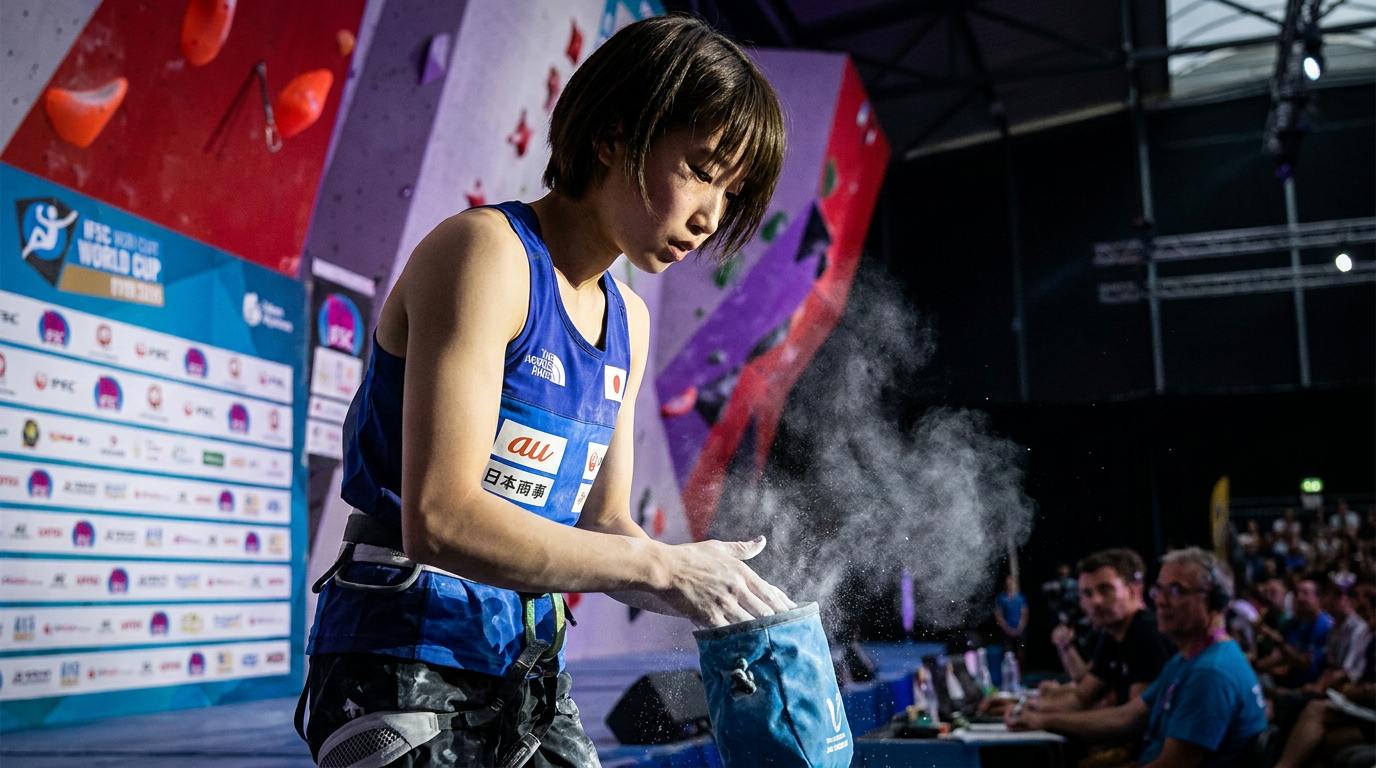
Even the sport's most dominant figures are currently climbing through the pain barrier. Two-time Olympic gold medalist Janja Garnbret of Slovenia is actively managing a bruised bone. Bone bruises in the hand or foot are notoriously slow to heal, often lingering for months and complicating a climber's ability to drive weight through their extremities.[1]

Because her medical team determined the injury is unlikely to worsen with structural load, Garnbret has opted to compete through the discomfort. She is actively adjusting her "beta"—her climbing strategy—on longer boulders to conserve energy and protect the joint, proving that elite climbing is as much about tactical adaptation as raw strength.[1]
The medical approach to these climbing injuries has evolved significantly over the last decade. Sports medicine professionals now emphasize structured "return-to-sport" criteria, moving away from simple rest and toward active, loaded rehabilitation.[3][5]

This modern protocol includes psychological readiness testing alongside physical milestones. Climbers must demonstrate dynamic stability, rebuild forearm strength through isolated exercises, and show the confidence to take massive, swinging lead falls before they are fully cleared for international competition.[3][5]
As the Innsbruck event continues, the presence of these athletes on the wall is a victory in itself. Their successful returns highlight a growing sophistication in climbing-specific physiotherapy, ensuring that a severe ligament tear or joint surgery is no longer a career-ending sentence, but a hurdle that can be methodically overcome.[3][4]
How we got here
Off-season 2025-2026
Belgian climber Hannes Van Duysen undergoes elbow surgery, forcing him off the wall for three months of rehabilitation.
Spring 2026
Austrian Para Climber Kevin Schlegl sustains a severe ligament injury, forcing him to miss the season opener in Salt Lake City.
May 2026
Janja Garnbret begins managing a bruised bone but continues to compete, adjusting her climbing strategy to protect the joint.
June 2026
Injured athletes make their highly anticipated returns to the wall at the IFSC World Cup in Innsbruck.
Viewpoints in depth
Sports Medicine Professionals
Emphasize that climbing requires highly specialized, active rehabilitation.
Medical experts argue that simple rest is no longer sufficient for elite climbing injuries. Because the sport places such unique, high-force loads on the tendons and pulleys of the hands, rehabilitation must actively rebuild tissue capacity. Furthermore, sports psychologists and physical therapists now mandate 'return-to-sport' testing, ensuring athletes have the mental confidence to take massive lead falls without hesitating or overcompensating, which could lead to secondary injuries.
Elite Competitors
View injuries as inevitable mental and physical hurdles to be actively managed.
For the athletes, injuries are an accepted reality of pushing the human body up a wall. Rather than waiting for absolute, pain-free perfection, competitors often balance the risk of competing through discomfort against the desire to maintain their world rankings. They rely heavily on tactical adaptations—such as changing their 'beta' to avoid loading a specific injured finger or bruised bone—proving that elite climbing requires as much strategic intelligence as it does raw physical power.
What we don't know
- Whether climbers competing through pain, like Janja Garnbret, will face long-term chronic issues from delaying complete rest.
- How the increasing physical demands of modern, dynamic route-setting will impact the overall injury rates for the remainder of the 2026 season.
Key terms
- Beta
- Information about a climbing route, including the specific sequence of moves or techniques used to complete it.
- Crimp
- A grip used on very small holds where the fingers are sharply bent at the middle knuckles, placing immense strain on the tendons.
- Annular Pulley
- A band of tissue in the finger that holds the flexor tendons close to the bone; a frequent site of injury for climbers.
- Lead Fall
- A fall taken by a climber who is trailing a rope and clipping into protection points as they ascend, often resulting in a pendulum swing.
Frequently asked
What is the most common cause of climbing injuries?
Overuse and chronic microtrauma account for an estimated 93% of climbing injuries, largely due to repetitive, high-force loads on the hands and upper extremities.
How long does it take to recover from climbing surgery?
Recovery times vary widely depending on the procedure. Belgian climber Hannes Van Duysen recently returned to competition after three months of rehabilitation following elbow surgery.
Can climbers compete while injured?
Yes, depending on the injury. Janja Garnbret is currently competing with a bruised bone because medical staff determined that climbing on it will not worsen the condition, though it requires pain management.
Sources
Source coverage
7 outlets
2 viewpoints surfaced





[1]World ClimbingElite Competitors
Women's and Men's Semi-Finals Updates: Garnbret and Van Duysen Speak on Injuries
Read on World Climbing →Schlegl Returns for Home World Cup in Innsbruck
Read on World Climbing Para Series →[3]BMJ Open Sport & Exercise MedicineSports Medicine Professionals
Incidence, Diagnosis, and Management of Injury in Sport Climbing and Bouldering
Read on BMJ Open Sport & Exercise Medicine →[4]American Academy of Orthopaedic SurgeonsSports Medicine Professionals
Hand Injuries in Rock Climbers: Biomechanics and Treatment
Read on American Academy of Orthopaedic Surgeons →[5]The Climbing DoctorSports Medicine Professionals
Jedi Mind Tricks for Recovering from Injury Better, and Faster
Read on The Climbing Doctor →[6]IFSCElite Competitors
Innsbruck 2026: What the Athletes Said
Read on IFSC →[7]Planet MountainElite Competitors
IFSC announces 2026 Climbing and Para Climbing calendar
Read on Planet Mountain →
More in sports
See all 12 stories →Injury
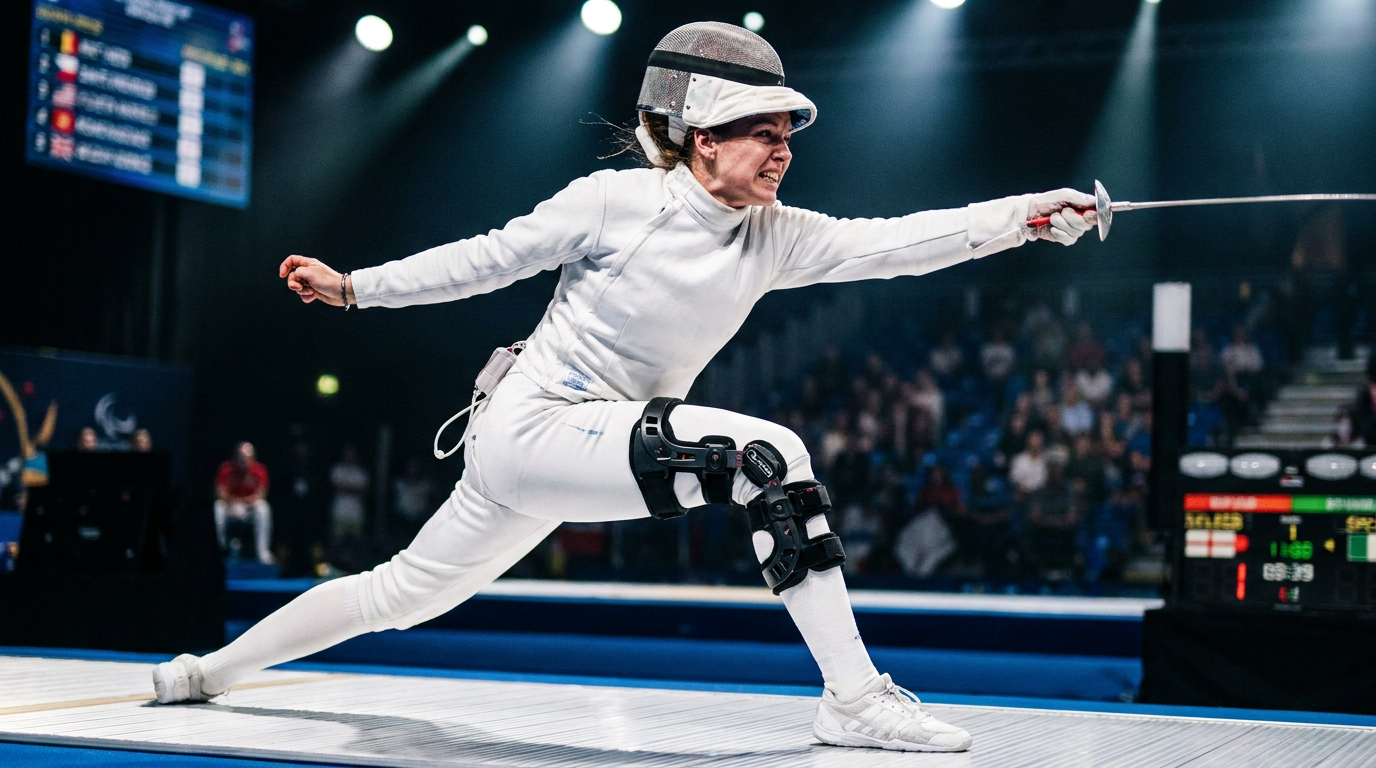
Fencing Injury Report: Catantan's ACL Rehab, Lowthian's Triumphant Return, and Bashta Sidelined
7 sources
NWSL Transfers
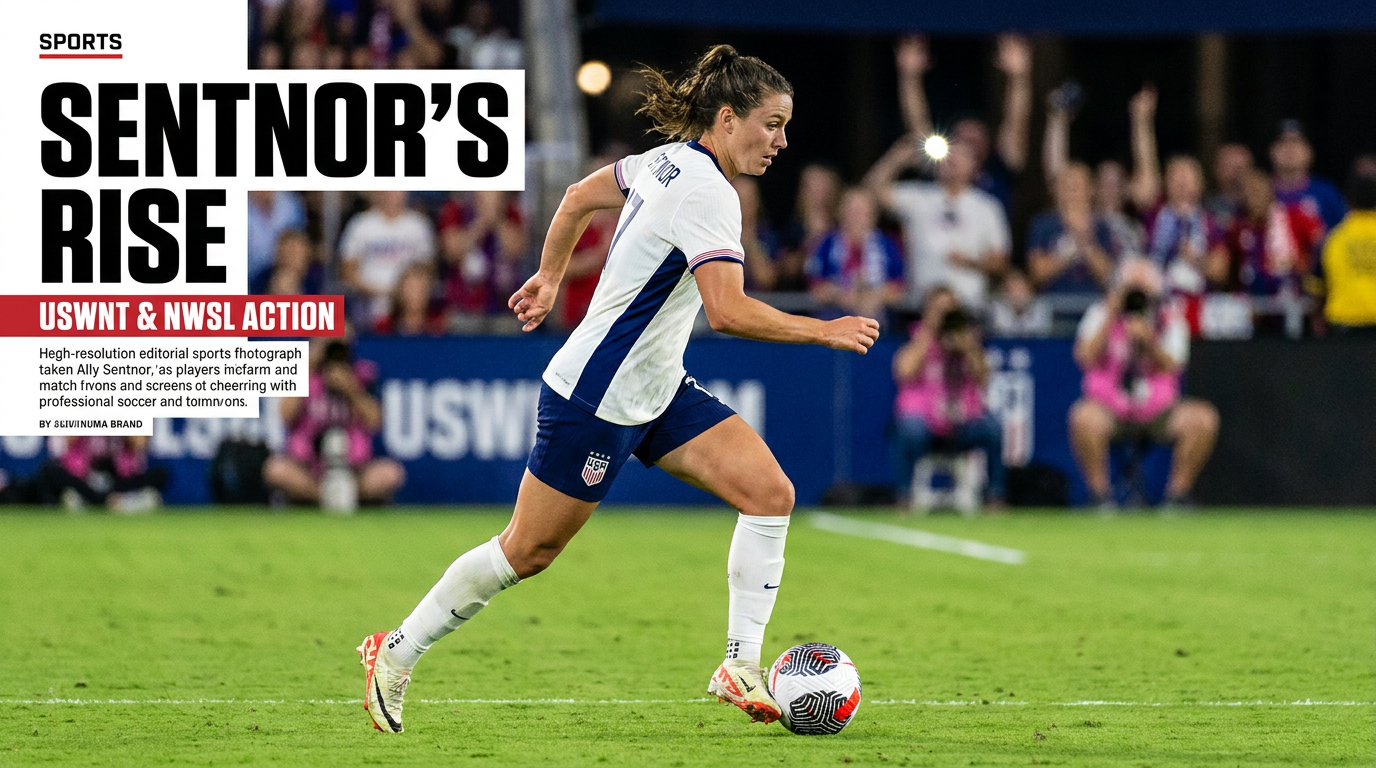
Angel City FC Acquires USWNT Star Ally Sentnor in Blockbuster $850,000 Transfer
8 sources
Standings
Global Fencing Standings Heat Up as Continental Championships Set the Stage for Hong Kong
7 sources
Flag Football
How Flag Football Will Work at the 2028 LA Olympics: Rules, Format, and Strategy
8 sources
Every angle. Every day.
Get sports stories with full source coverage and perspective breakdowns delivered to your inbox.