
US and Iran Sign Historic MoU to End Lebanon Fighting and Reopen Strait of Hormuz
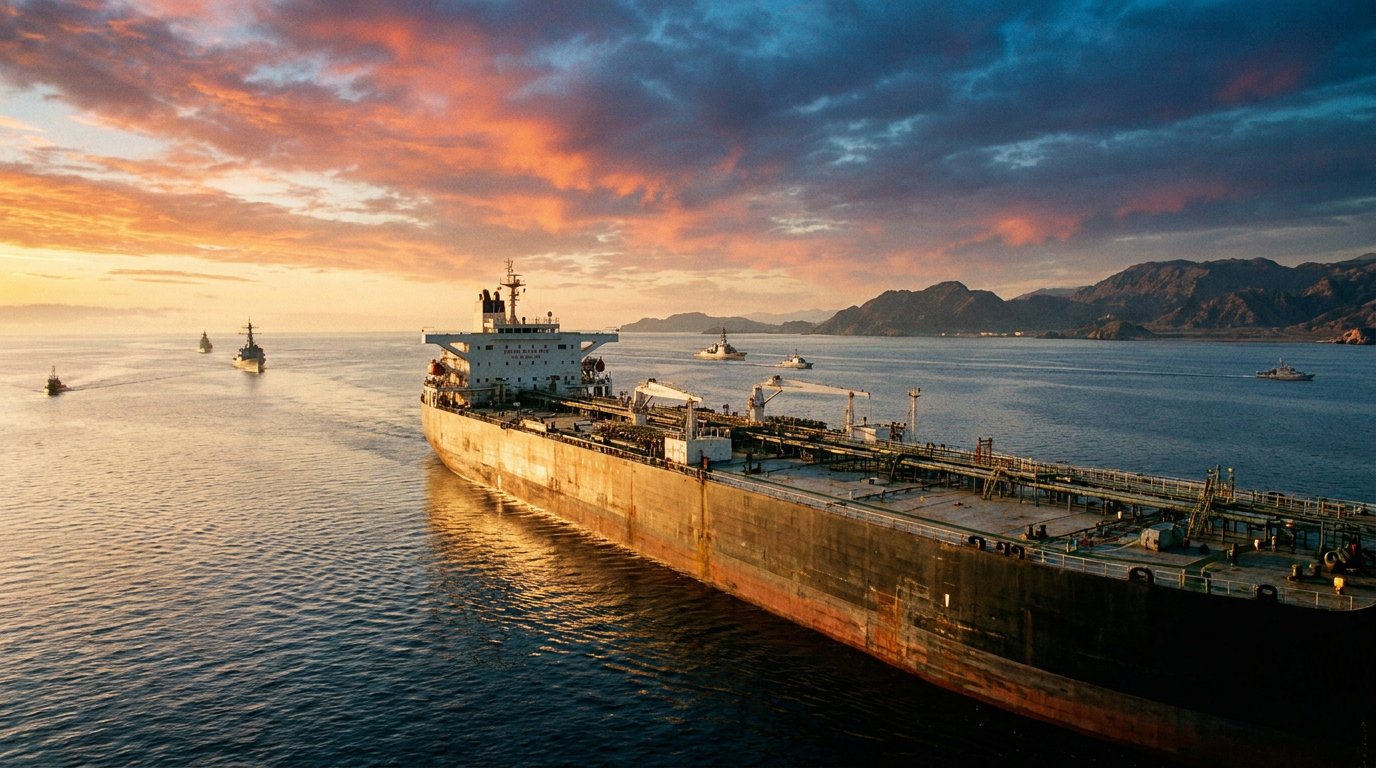
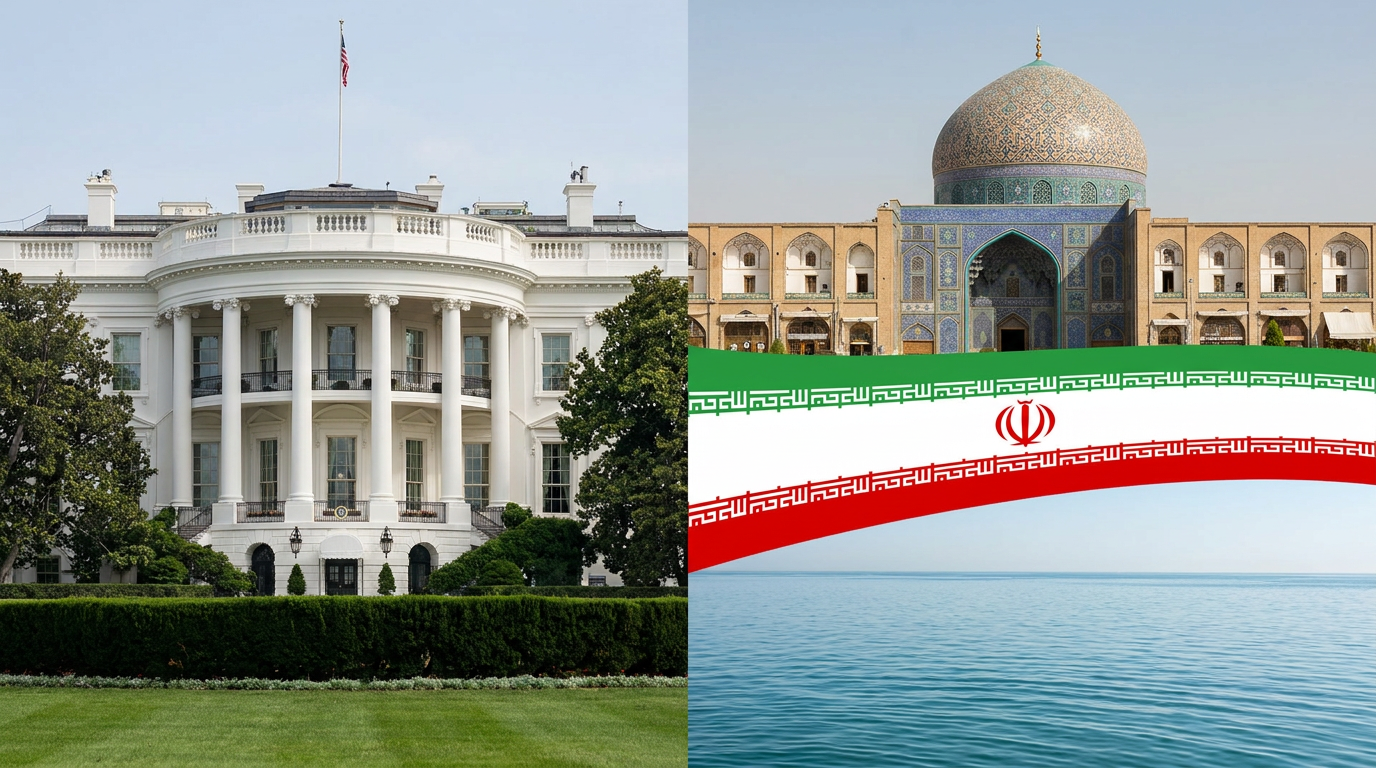
U.S. President Donald Trump and Iranian President Masoud Pezeshkian have electronically signed a Memorandum of Understanding aimed at halting hostilities in Lebanon and restoring commercial transit through the Strait of Hormuz.
By Factlen Editorial Team
- US Administration
- Argues the deal prevents a catastrophic regional war and saves the global economy from a devastating oil shock.
- Israeli Security Establishment
- Views the pact as a dangerous capitulation that leaves Iran's missile program intact and Israel vulnerable.
- Iranian Government
- Frames the agreement as a diplomatic victory that asserts Iran's regional power and secures its right to self-defense.
- Global Markets
- Primarily concerned with the free flow of energy and the immediate stabilization of international shipping lanes.
What's not represented
- · Lebanese civilians affected by the border conflict
- · Gulf Arab states reliant on the Strait of Hormuz
Why this matters
The reopening of the Strait of Hormuz immediately stabilizes global energy markets, easing severe inflation pressures caused by disrupted oil shipments. Furthermore, the cessation of hostilities in Lebanon averts a broader regional war that threatened to draw the United States and Israel into a direct, protracted conflict with Tehran.
Key points
- The US and Iran electronically signed an MoU to halt fighting in Lebanon and reopen the Strait of Hormuz.
- President Trump urged Israeli PM Netanyahu to use a 'softer touch' in Lebanon to secure the deal.
- Trump stated it is 'unfair' for Iran to lack ballistic missiles, a major shift in US policy.
- Global oil prices plummeted below $80 a barrel following the agreement to secure shipping lanes.
- Israeli officials expressed deep concern over the legitimization of Iran's missile program.
The United States and Iran have electronically signed a Memorandum of Understanding (MoU) to end the escalating conflict in Lebanon and reopen the Strait of Hormuz to commercial shipping. The agreement, brokered rapidly between U.S. President Donald Trump and Iranian President Masoud Pezeshkian, marks a sudden and dramatic de-escalation in a region that had been bracing for a broader war. Iranian Foreign Ministry spokesperson Esmaeil Baghaei confirmed the electronic signing early Thursday morning, stating the deal is now in effect.[1][3]
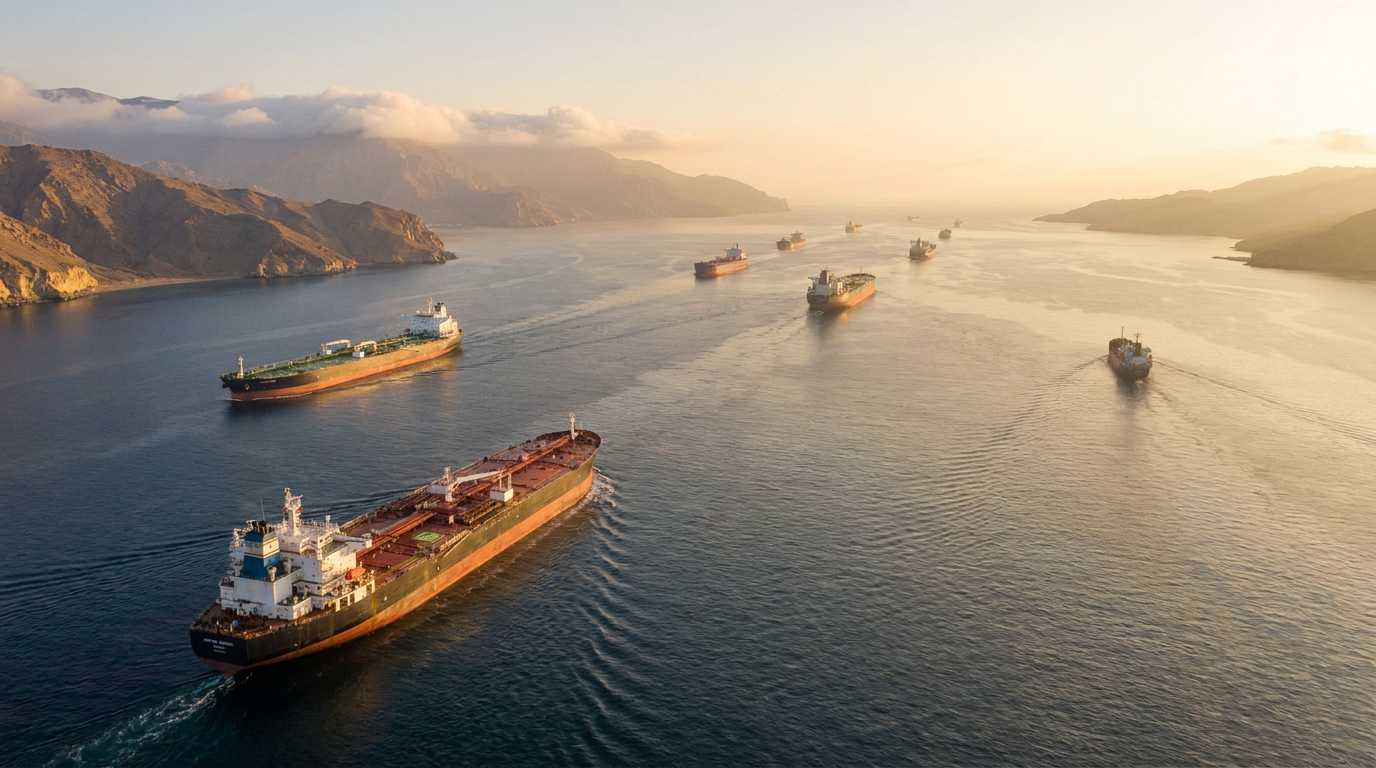
The immediate economic impact of the MoU centers on the Strait of Hormuz, a critical maritime chokepoint that handles roughly 20 percent of the world's daily oil consumption. Following weeks of military posturing and effective blockades that paralyzed Western shipping, the agreement guarantees safe passage for international tankers. Global energy markets reacted instantly to the news, with Brent crude prices plummeting below $80 a barrel as traders priced out the geopolitical risk premium that had threatened to trigger a global recession.[1][8]
Beyond maritime security, the pact mandates an immediate cessation of hostilities in Lebanon, where clashes between Israeli forces and Iran-backed Hezbollah had reached a boiling point. The MoU outlines a framework for Hezbollah to withdraw its heavy munitions from the immediate border region in exchange for a halt to Israeli airstrikes and artillery bombardments. Diplomatic sources indicate that the rapid nature of the agreement was driven by a mutual desire to avoid a ground invasion that could have spiraled into a multi-front regional war.[3][5]

The diplomatic breakthrough required significant pressure on U.S. allies. In the hours leading up to the signing, President Trump reportedly contacted Israeli Prime Minister Benjamin Netanyahu, urging him to use a "softer touch" in Lebanon. This directive signals a pivot in Washington's approach, prioritizing immediate regional stability and economic normalization over Israel's stated military objectives of dismantling Hezbollah's infrastructure entirely.[2][5]
The diplomatic breakthrough required significant pressure on U.S.
The most controversial element of the new understanding involves Washington's shifting stance on Iran's military capabilities. In a striking departure from decades of U.S. foreign policy, President Trump publicly stated that it is "unfair" for Iran to lack ballistic missiles when other nations in the region possess them. This rhetorical concession appears to have been a key factor in securing Pezeshkian's signature on the broader de-escalation pact, effectively acknowledging Tehran's right to maintain a conventional deterrent.[2][4]
The concession on ballistic missiles has triggered profound anxiety in Jerusalem. Israeli officials view Iran's missile program as an existential threat and the primary delivery mechanism for its regional proxy network. Security analysts in Israel warn that the MoU, while halting immediate violence in Lebanon, effectively legitimizes Tehran's most dangerous conventional weapons program and leaves Israel vulnerable to future barrages once the immediate diplomatic pressure subsides.[6]

In Tehran, the agreement is being broadcast as a major strategic and diplomatic victory for the reformist-leaning Pezeshkian administration. State media emphasizes that Iran successfully leveraged its control over the Strait of Hormuz to force Washington to the negotiating table without surrendering its core defensive capabilities. The lifting of the maritime standoff is also expected to provide immediate relief to Iran's sanctions-battered economy, allowing for the resumption of vital trade.[7]
For the Trump administration, the MoU represents a high-stakes foreign policy gamble aimed at delivering a tangible peace deal while protecting the U.S. economy from an oil-driven inflation shock ahead of the 2026 midterms. Conservative allies have praised the swift, unconventional diplomacy that bypassed traditional State Department channels to secure an immediate reopening of global trade routes, framing it as a triumph of "America First" pragmatism.[4][5]

The fragility of the agreement will be tested in the coming days as naval forces in the Persian Gulf attempt to establish new protocols for commercial escorts. Meanwhile, international observers are closely monitoring the Israel-Lebanon border to see if the promised ceasefire holds, and whether Hezbollah complies with the unwritten parameters of the withdrawal. Because the MoU was signed electronically and rapidly, formal, verifiable enforcement mechanisms remain largely undefined, leaving the region in a state of tense relief.[1][3]
How we got here
Early 2026
Tensions escalate rapidly in Lebanon, prompting Iran to threaten the closure of the Strait of Hormuz.
May 2026
Commercial shipping through the Strait of Hormuz effectively halts due to intense military posturing.
June 17, 2026
President Trump urges PM Netanyahu to soften his approach in Lebanon and makes controversial comments on Iran's missile program.
June 18, 2026
The US and Iran electronically sign the MoU to end fighting and reopen the strait.
Viewpoints in depth
Washington's Pragmatists
Focuses on the economic necessity of reopening Hormuz and avoiding a Middle East war.
Proponents of the deal within the U.S. argue that the global economy could not sustain a prolonged closure of the Strait of Hormuz. By securing an immediate reopening of the shipping lanes, the administration averted a massive inflation spike. They view the concessions on ballistic rhetoric and the pressure on Israel as necessary pragmatic steps to prevent American forces from being dragged into a multi-trillion-dollar regional conflict.
Israeli Defense Establishment
Focuses on the danger of legitimizing Iran's ballistic missiles and the unresolved Hezbollah threat.
Security officials in Jerusalem view the MoU with profound alarm. They argue that by publicly validating Iran's right to ballistic missiles, the U.S. has undermined decades of non-proliferation efforts and emboldened Tehran. Furthermore, they fear the Lebanon ceasefire will merely give Hezbollah time to regroup and rearm, leaving northern Israel under a perpetual shadow of threat without fundamentally altering the balance of power.
Tehran's Strategic Planners
Focuses on the successful use of maritime leverage to secure defensive concessions from the US.
For Iranian leadership, the MoU is a validation of their asymmetric warfare doctrine. By credibly threatening the global oil supply through the Strait of Hormuz, Tehran forced a superpower to the negotiating table and extracted a public concession regarding its missile program. Iranian strategists view this as a blueprint for future engagements, proving that economic pressure points can successfully deter Western military intervention.
What we don't know
- How the unwritten enforcement mechanisms of the electronic MoU will be monitored on the ground in Lebanon.
- Whether Hezbollah will fully comply with the framework to withdraw heavy munitions from the Israeli border.
- How the U.S. will balance its new rhetorical stance on Iranian missiles with its traditional alliance commitments to Israel.
Key terms
- Strait of Hormuz
- A narrow waterway between the Persian Gulf and the Gulf of Oman, through which roughly a fifth of the world's daily oil consumption passes.
- Memorandum of Understanding (MoU)
- A formal agreement between two or more parties that outlines a framework for peace or cooperation, though it may lack strict legal enforcement mechanisms.
- Ballistic Missile
- A rocket-propelled, self-guided strategic-weapons system that follows a parabolic trajectory to deliver a payload to a predetermined target.
Frequently asked
Is the war in Lebanon completely over?
The MoU mandates an immediate cessation of hostilities, but the long-term resolution depends on Hezbollah's withdrawal from the border and Israel's compliance with the ceasefire.
Why did global oil prices drop?
The agreement guarantees the safe passage of commercial tankers through the Strait of Hormuz, removing the geopolitical risk that had artificially inflated global energy prices.
Did the US lift economic sanctions on Iran?
The current MoU focuses strictly on military de-escalation and maritime security; it does not explicitly mention the lifting of broad U.S. economic sanctions.
Sources
Source coverage
8 outlets
4 viewpoints surfaced







[1]Al JazeeraGlobal Markets
Iran war live: Trump, Pezeshkian sign MoU to end fighting, reopen Hormuz
Read on Al Jazeera →Trump says it’s ‘unfair’ for Iran to lack ballistic missiles
Read on Al Jazeera English →[3]ReutersGlobal Markets
US, Iran reach electronic agreement to reopen Hormuz, halt Lebanon clashes
Read on Reuters →[4]Fox NewsUS Administration
Trump secures historic Middle East peace deal, reopens critical oil chokepoint
Read on Fox News →[5]The New York TimesGlobal Markets
In Abrupt Shift, Trump Signs MoU With Iran, Urges Netanyahu to Soften Lebanon Approach
Read on The New York Times →[6]The Times of IsraelIsraeli Security Establishment
Jerusalem on edge as Trump-Pezeshkian pact leaves Iranian missile program intact
Read on The Times of Israel →[7]Tehran TimesIranian Government
President Pezeshkian secures strategic diplomatic victory, Hormuz blockade lifted
Read on Tehran Times →[8]BloombergGlobal Markets
Brent crude plummets below $80 as US-Iran pact clears Hormuz shipping lanes
Read on Bloomberg →
More in news politics
See all 7 stories →UI Fraud Crackdown
Labor Department Threatens to Withhold State Funds in Sweeping Unemployment Fraud Crackdown
7 sources
US-Iran Accord
U.S. and Iran Sign 14-Point Memorandum of Understanding to End War and Reopen Strait of Hormuz
8 sources
U.S.-Iran Relations
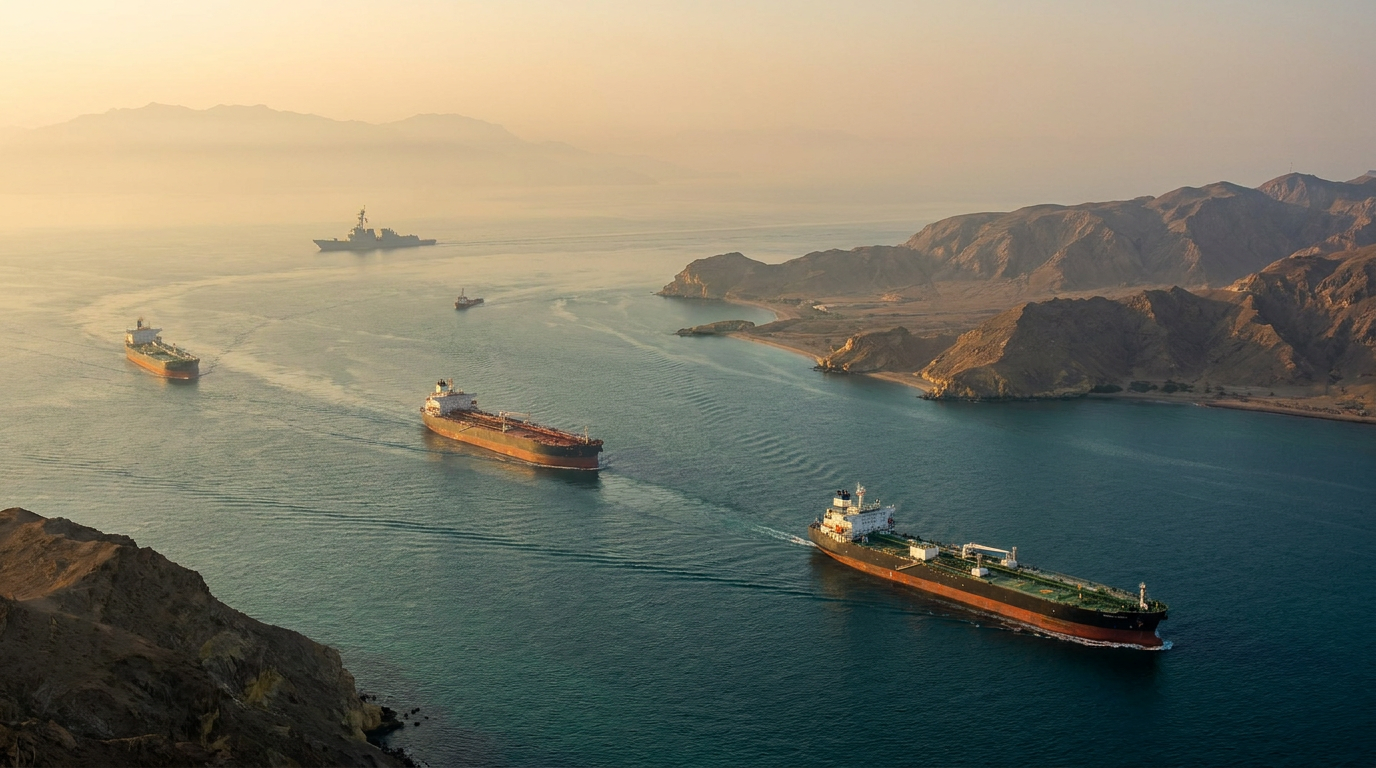
U.S. and Iran Sign Agreement to End Hostilities and Reopen Strait of Hormuz
8 sources
Voting Reform
Fact-Checking the Evidence: Does Ranked-Choice Voting Actually Reduce Political Polarization?
9 sources
Every angle. Every day.
Get news politics stories with full source coverage and perspective breakdowns delivered to your inbox.