
Global Weightlifting Injury Report: Key Returns and Absences Ahead of the 2026 World Championships
As the 2026 international weightlifting season heats up, several elite lifters are navigating the grueling road to recovery, with inspiring returns and strategic withdrawals reshaping the competitive landscape.
By Ryder James
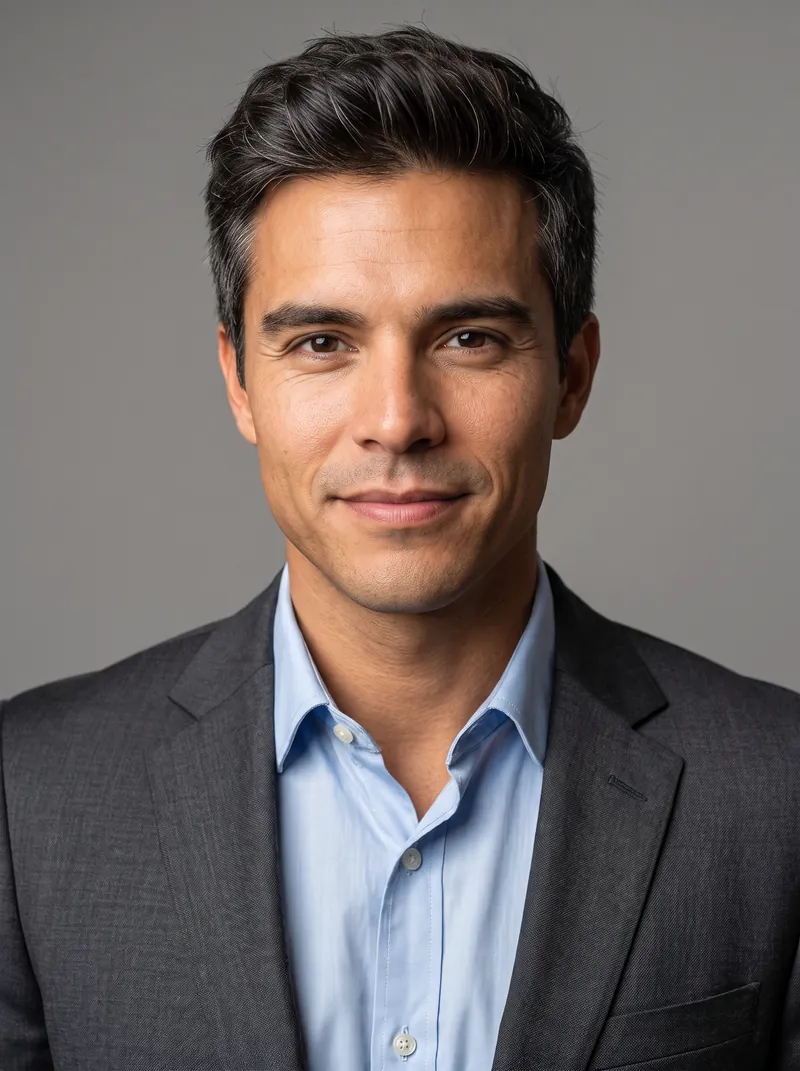
The 2026 international weightlifting calendar is packed with high-stakes competitions, culminating in the highly anticipated IWF World Championships in Ningbo, China, scheduled for late October. But the road to the competition platform is frequently paved with severe physical setbacks. At the elite level, the sheer mechanical load of the snatch and the clean and jerk pushes the human musculoskeletal system to its absolute limits, placing immense stress on the knees, shoulders, and lumbar spine.
Consequently, the current competitive season is defined as much by who is missing from the platform as who is standing on it. This dynamic highlights the grueling, often painful reality of a strength sport where joint integrity and tendon health ultimately dictate an athlete's career longevity and a nation's medal hopes.[2][3][4]
In India, the national weightlifting team was dealt a significant blow when Olympic silver medalist Saikhom Mirabai Chanu was forced to officially withdraw from the 2026 Asian Senior Weightlifting Championships in Gandhinagar. Chanu, a historically dominant force in the lighter weight classes, is currently nursing a persistent shoulder injury that has hindered her overhead stability.
Indian Weightlifting Federation president Sahdev Yadav confirmed her absence to the press, signaling a highly strategic decision by the coaching staff to prioritize her long-term recovery over immediate regional accolades. This cautious, forward-looking approach reflects a growing understanding among national federations that rushing a generational talent back to the platform for a minor event often results in catastrophic, career-ending re-injury.
While Chanu's absence leaves a temporary gap in the roster, other international athletes are demonstrating the remarkable physical and mental resilience required to return from the brink of career-ending trauma. Omani weightlifter Amer bin Salem Al Khanjari provides one of the year's most uplifting and instructive comeback narratives.
Competing in the highly competitive 88kg category, Al Khanjari previously suffered a severe knee injury that required invasive surgery and an extensive, grueling rehabilitation period. Reflecting on his journey, he noted that being away from the competition podium and watching his peers advance was a much harder test of his self-belief than the acute physical pain of the injury itself.[1]
"Motivation doesn't always come from feeling strong—it comes from commitment," Al Khanjari explained to reporters, detailing how he deliberately divided his recovery into micro-stages to maintain his mental health during the darkest days of the process. His disciplined, step-by-step approach paid off spectacularly on the international stage.
Al Khanjari returned to secure both silver and bronze medals at the Islamic Solidarity Games, and he is now actively preparing for the 2026 global championships with a renewed, holistic focus on biomechanics, nutrition, and mental focus. His successful journey serves as a powerful testament to the human body's incredible capacity to rebuild stronger than before.[1]
Meanwhile, the global weightlifting community continues to closely monitor the medical status of Colombian lifter Sebastian Paez, who suffered a harrowing elbow injury during the 71kg snatch session at the recent World Championships. Paez collapsed on the competition stage in visible agony after the joint failed under a 149-kilogram load, an incident that deeply shocked spectators, coaches, and fellow competitors alike.
Yet, his immediate response in the aftermath of the trauma was one of profound defiance and unwavering optimism. Reaching out to his supporters, Paez stated, "I was conscious the whole time... I'm still processing this whole situation... I trust in God and know this isn't the end."
History offers Paez a concrete, undeniable blueprint for hope and eventual triumph. Elite lifters like Armenia's Andranik Karapetyan and China's Tian Tao both sustained catastrophic elbow dislocations early in their respective careers—injuries that many pundits assumed would force their immediate retirement from the sport.
Instead, both men underwent rigorous rehabilitation and returned to the sport to claim multiple international medals and advance world records. Their successful, high-profile rehabilitations prove that with modern surgical interventions and patient physical therapy, even the most severe joint trauma does not have to be a career death sentence for a dedicated weightlifter.
However, the administrative side of the sport sometimes forces injured athletes into precarious and frustrating situations. British lifter Chris Murray, dealing with a significant shoulder injury that prevented him from lifting heavy weights, recently took to the competition platform to deadlift a mere 30 kilograms.
Murray executed the token, empty-bar lift simply to fulfill a mandatory appearance and qualification requirement for the upcoming 2026 Commonwealth Games. This bizarre incident highlighted a controversial International Weightlifting Federation loophole that forces athletes to weigh in and perform a physical lift rather than allowing them to officially withdraw for documented medical reasons without facing future eligibility penalties.
Behind these high-profile athlete cases, sports medicine professionals are fundamentally shifting how the weightlifting world handles injury rehabilitation. Top-tier clinics and physical therapists have largely abandoned the traditional "total rest" prescriptions that used to dominate the field. Instead, they now strongly emphasize "graded exposure"—keeping the athlete under the barbell but carefully modifying the training load, range of motion, or specific movement patterns. By addressing root biomechanical faults and strictly managing load spikes, therapists help lifters maintain their crucial neurological adaptations to heavy weights while the damaged tissues safely heal.[2]
This modern, active-recovery approach ensures that athletes do not lose their technical sharpness or muscular foundation during their months of recovery. By adjusting percentages, utilizing block pulls, and focusing on targeted accessory movements, physical therapists are significantly reducing the timeline for a safe return to elite competition.
As the 2026 season progresses toward the ultimate test at the World Championships in Ningbo, the athletes who successfully navigate this delicate balance of rest, rehabilitation, and rigorous training will be the ones standing on the podium, proving that a major injury is often just the prelude to a triumphant comeback.[2][3][4]
The essentials
- Olympic silver medalist Mirabai Chanu withdrew from the 2026 Asian Championships to rehabilitate a shoulder injury.
- Omani lifter Amer Al Khanjari successfully returned from knee surgery to win medals at the Islamic Solidarity Games.
- Colombian Sebastian Paez remains optimistic following a severe elbow injury at the World Championships.
- Modern sports medicine emphasizes graded exposure over total rest, keeping injured lifters under the bar with modified loads.
Timeline
Late 2025
Colombian lifter Sebastian Paez suffers a severe elbow injury at the World Championships, beginning his long road to recovery.
March 2026
Omani weightlifter Amer Al Khanjari speaks out about his successful return to the podium following knee surgery.
May 2026
India's Mirabai Chanu officially withdraws from the Asian Senior Weightlifting Championships to prioritize shoulder rehabilitation.
October 2026
The IWF World Weightlifting Championships are scheduled to take place in Ningbo, China, serving as the ultimate test for returning athletes.
- Rehabilitating Athletes
- Prioritizing mental resilience and long-term career viability over rushing back to the platform.
- National Federations
- Balancing the need for immediate medal results with the long-term physical preservation of their star lifters.
- Sports Medicine Professionals
- Advocating for graded exposure, biomechanical correction, and strict load management to prevent recurrence.
Perspectives this story doesn't cover
- Grassroots coaches managing youth injuries
- Equipment manufacturers designing safer lifting gear
Sources
Source coverage
4 outlets
3 viewpoints surfaced




- [1]The Arabian StoriesRehabilitating Athletes
Omani weightlifter Amer Al Khanjari: From injury to global podium success
Read on The Arabian Stories → - [2]PhysioWorksSports Medicine Professionals
Weightlifting Injuries: Prevention and Recovery
Read on PhysioWorks → - [3]International Weightlifting FederationNational Federations
IWF Events Calendar
Read on International Weightlifting Federation → - [4]WikipediaNational Federations
2026 World Weightlifting Championships
Read on Wikipedia →
More in Sports
See all →Standings
The Race to Ningbo: Men's 102kg Global Standings Heat Up Ahead of the 2026 World Championships
5 sources
Standings
The Race to Ningbo: Men's 65kg Global Standings Tighten as Ozbek, Mosquera, and Morris Collide
2 sources
Injury
Indonesian Star Rahmat Erwin Abdullah Returns to the Platform Following Devastating Shoulder Injury
3 sources
Injury
USA Weightlifter Mattie Rogers Mounts Resilient Comeback Ahead of 2026 World Championships
3 sources
Comments
Every angle. Every day.
Get Sports stories with full source coverage and perspective breakdowns, free every day.