
US and Iran Sign Memorandum to End Hostilities and Reopen Strait of Hormuz
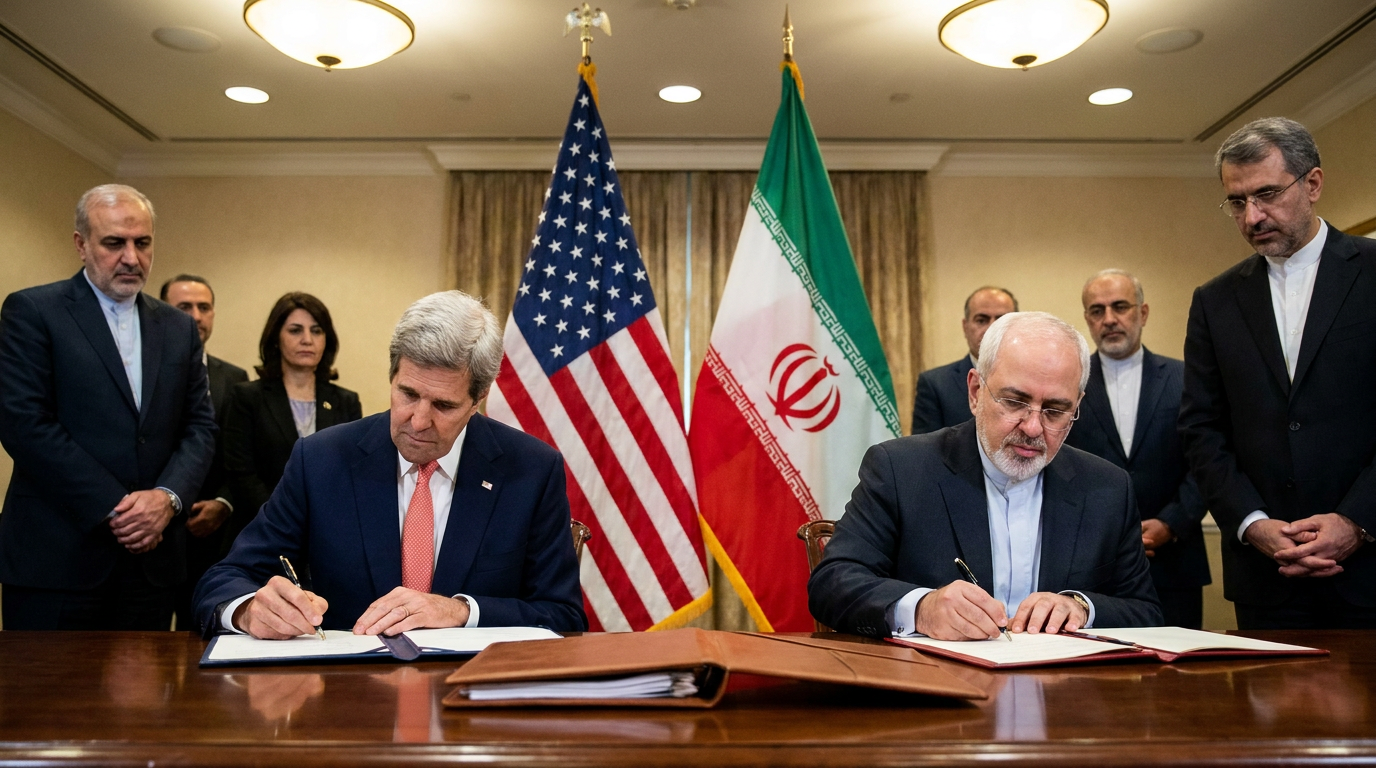
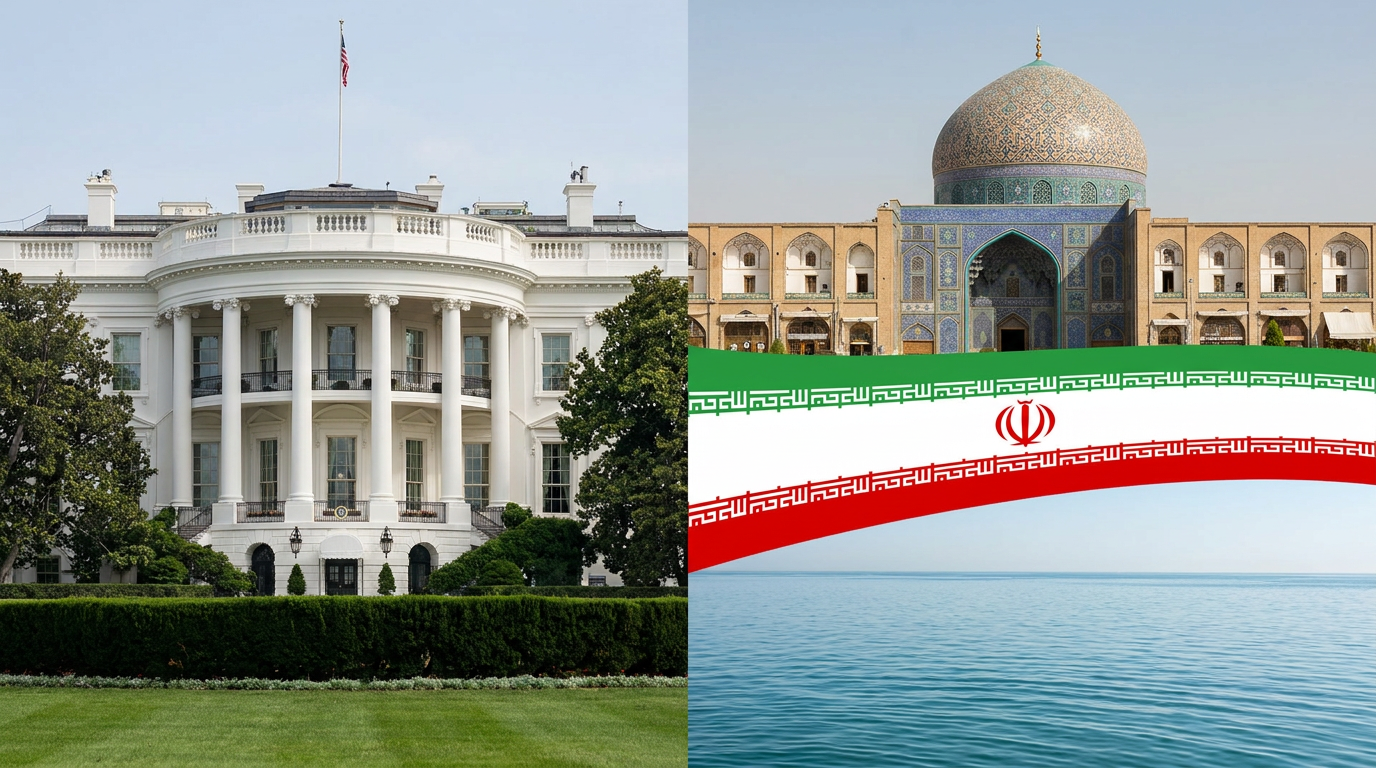
President Trump and Iranian President Pezeshkian have signed a memorandum of understanding to halt military confrontations and reopen the critical Strait of Hormuz. The agreement stabilizes global energy markets but faces immediate pushback from hawkish lawmakers who argue it concedes too much to Tehran.
By Factlen Editorial Team
- Deal Proponents & Market Stabilizers
- Argue the deal is a necessary pragmatic step to avert a global economic crisis and end a costly war.
- Hawkish Skeptics
- Contend the agreement concedes too much to Iran, rewarding aggressive tactics while leaving its nuclear infrastructure intact.
- Iranian Leadership
- View the memorandum as a strategic victory that validates their use of economic deterrence against a superior military force.
What's not represented
- · Israeli Defense Officials
- · Gulf State Energy Ministers
Why this matters
The reopening of the Strait of Hormuz immediately unblocks 20% of the world's oil supply, directly lowering global gas prices and averting a broader economic crisis. However, the political concessions reshape Middle Eastern security dynamics and the balance of power for years to come.
Key points
- The US and Iran signed a memorandum of understanding to end military hostilities.
- Iran agreed to reopen the Strait of Hormuz, unblocking a critical global energy chokepoint.
- Global oil markets stabilized immediately following the announcement of the deal.
- The agreement defers action on Iran's nuclear program to future negotiations.
- Hawkish lawmakers criticized the deal for falling short of initial demands for total surrender.
After two months of escalating military confrontation and severe disruptions to global energy markets, the United States and Iran have signed a memorandum of understanding to halt hostilities. President Donald Trump and Iranian President Masoud Pezeshkian finalized the agreement on Wednesday, effectively ending the immediate threat of a broader regional war. The deal centers on a mutual ceasefire and the immediate reopening of the Strait of Hormuz, a critical maritime chokepoint that Tehran had blockaded during the conflict.[1][3]
The terms of the memorandum represent a significant pivot from the administration’s initial posture. While President Trump had previously demanded Iran’s total surrender and the complete dismantling of its nuclear program, the finalized agreement takes a more pragmatic approach aimed at economic stabilization. In exchange for lifting the blockade on the Strait of Hormuz and winding down proxy engagements in Lebanon, the United States has agreed to halt its military strikes and return to the negotiating table regarding broader security issues.[1][2]
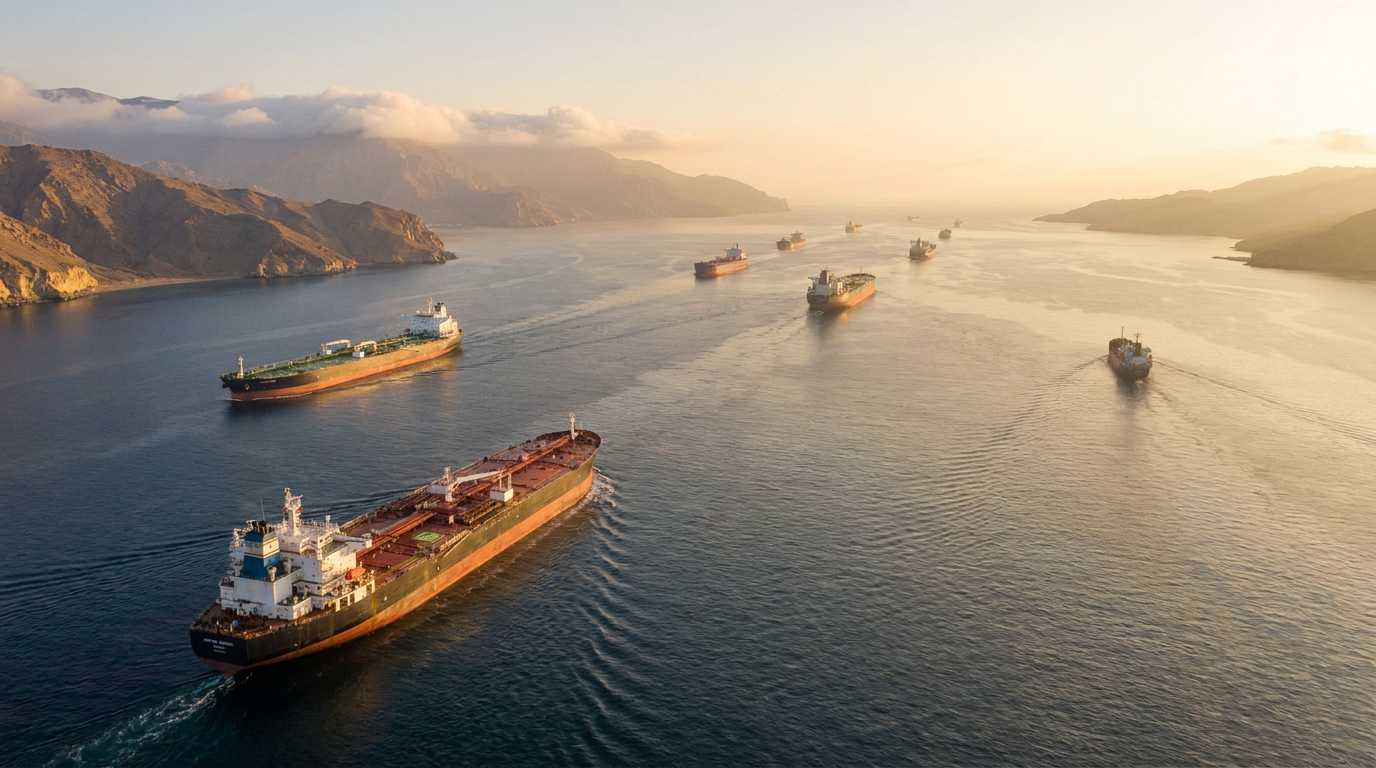
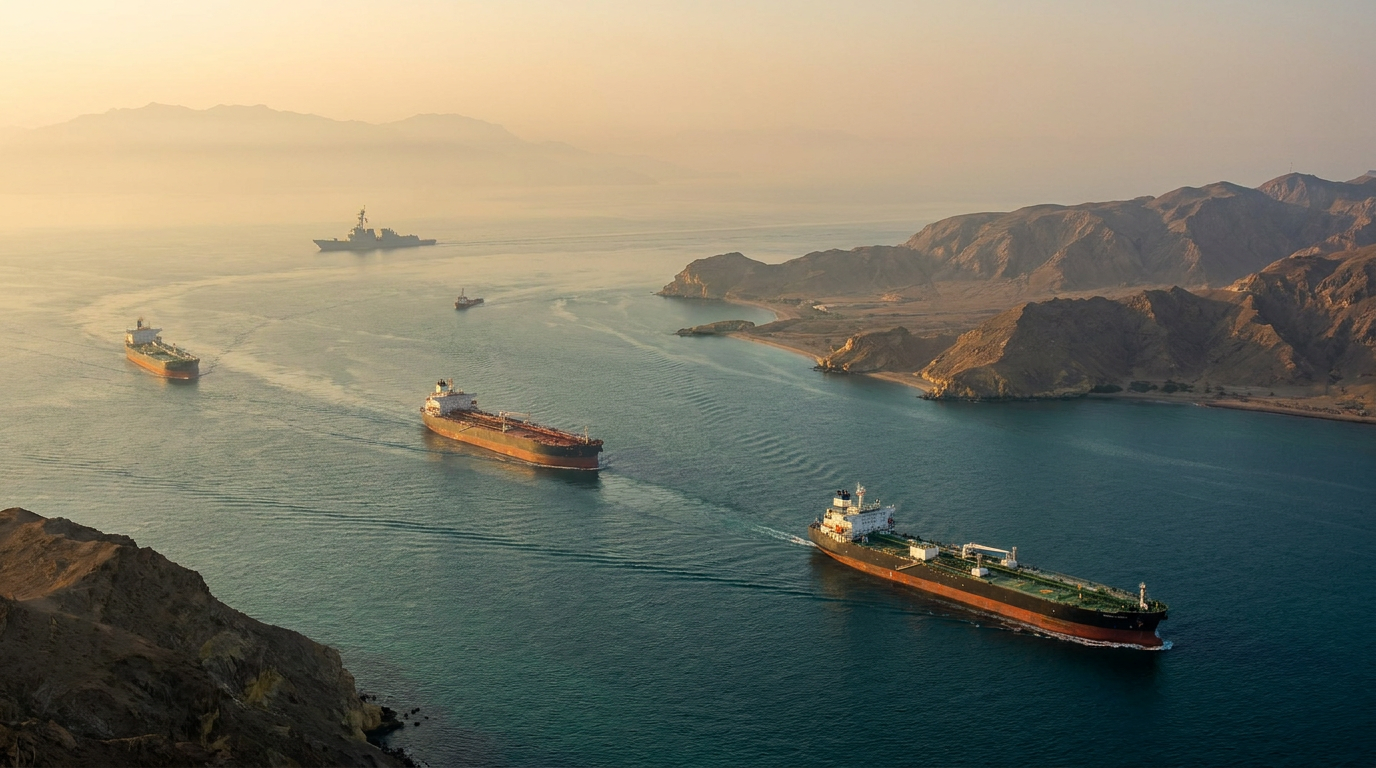
The mechanism of Iran's leverage throughout this conflict relied heavily on asymmetric economic warfare rather than direct military parity. By threatening and subsequently restricting commercial shipping through the Strait of Hormuz, Tehran demonstrated its ability to weaponize global economic chaos. The strait is the world’s most important oil transit chokepoint, with roughly 20 percent of global petroleum consumption passing through its narrow waters daily.[2][5]

The immediate impact of the blockade's end was felt across global financial markets. Brent crude, the international benchmark for oil prices, which had spiked dramatically during the two-month conflict, began to stabilize as news of the memorandum broke. Energy analysts note that the resumption of safe passage for oil tankers will alleviate the supply shock that had threatened to trigger a global recession and drive up domestic gasoline prices in the United States and Europe.[5][6]
During an hour-long press conference detailing the agreement, President Trump defended the concessions by emphasizing the paramount importance of economic stability. He argued that the deal achieves the primary goals of ending the war and reopening the strait, even if it defers the resolution of Iran's nuclear ambitions. Trump also issued a stark warning, noting that while he prefers diplomacy, the US military remains prepared to resume bombing campaigns if Tehran violates the terms of the memorandum or if subsequent nuclear talks collapse.[1][3]

In a surprising departure from traditional US defense doctrine, Trump also addressed the balance of military power in the Middle East, stating it was "unfair" for Iran to lack ballistic missiles if other regional actors possess them. This rhetorical shift acknowledges Iran's conventional deterrence strategy and signals a willingness to tolerate certain aspects of Tehran's military apparatus that previous administrations sought to dismantle entirely.[3][7]
The agreement also includes provisions intended to de-escalate the parallel conflict in Lebanon. President Trump publicly encouraged Israeli Prime Minister Benjamin Netanyahu to employ a "softer touch" in the region, signaling a US desire to wind down the multi-front proxy wars that have engulfed the Levant. This directive represents a complex diplomatic maneuver, attempting to restrain Israeli military operations while simultaneously assuring regional allies of continued US support.[3][7]
The agreement also includes provisions intended to de-escalate the parallel conflict in Lebanon.
From Tehran's perspective, the memorandum is being framed as a strategic victory and a testament to the nation's resilience. Despite suffering substantial military and infrastructure losses during the US bombing campaigns, the Iranian leadership successfully utilized its geographic control over the Strait of Hormuz to force a negotiated settlement. Iranian officials argue that the deal validates their strategy of economic deterrence against a vastly superior military force.[2][3]

Domestically, the agreement has exposed deep rifts within the Republican Party. Hawkish lawmakers and conservative defense analysts have voiced sharp criticism, arguing that the memorandum falls dangerously short of the administration's initial promises. Skeptics contend that by prioritizing short-term economic relief over long-term security guarantees, the US has effectively rewarded Iran's aggressive tactics and left its nuclear infrastructure largely intact.[1][4]
The primary point of contention among critics is the absence of stringent, immediate constraints on Iran's uranium enrichment activities. While the memorandum establishes a framework for future nuclear negotiations, it does not mandate the immediate dismantling of centrifuges or grant international inspectors unfettered access to undeclared military sites. This ambiguity has fueled fears that Tehran will use the ceasefire to covertly advance its nuclear weapons capabilities.[1][4]
Regional allies, particularly Israel and the Gulf states, are viewing the agreement with cautious apprehension. While the reopening of the Strait of Hormuz benefits the export-driven economies of Saudi Arabia and the UAE, the survival of Iran's proxy network and ballistic missile program remains a persistent threat. The US administration faces the delicate task of reassuring these partners that the memorandum is a step toward comprehensive regional stability rather than a capitulation to Iranian pressure.[4][7]

The enforcement mechanisms of the memorandum remain largely untested. The agreement relies heavily on mutual deterrence and the threat of severe economic or military retaliation should either party renege on its commitments. Diplomatic channels have been established to monitor compliance, particularly regarding the safe passage of commercial vessels through the Strait of Hormuz and the cessation of proxy attacks in Lebanon.[1][3]
Ultimately, the US-Iran memorandum of understanding represents a profound recalibration of American foreign policy in the Middle East. By prioritizing the stabilization of global energy markets and the avoidance of a protracted ground war, the administration has accepted a more complex, multipolar regional dynamic. The deal acknowledges the limits of military power in achieving maximalist political objectives, opting instead for a pragmatic, albeit fragile, coexistence.[2][6]
As the initial phases of the agreement are implemented, the focus will shift to the arduous process of formalizing a comprehensive nuclear treaty. The success of this diplomatic gamble hinges on whether the immediate economic relief provided by the reopening of the Strait of Hormuz can translate into sustained political leverage, or if it merely provides Tehran with the breathing room necessary to consolidate its regional influence and nuclear ambitions.[1][4]
How we got here
Two months ago
Military confrontation escalates, leading Iran to blockade the Strait of Hormuz.
During conflict
Global oil prices spike as 20% of the world's petroleum supply is disrupted.
Wednesday
President Trump and President Pezeshkian sign a memorandum of understanding to end hostilities.
Immediate aftermath
Brent crude prices stabilize as commercial shipping prepares to resume through the strait.
Viewpoints in depth
Market Stabilizers' View
Prioritizes global economic health over maximalist military objectives.
Proponents of the deal argue that the global economy could not sustain a prolonged closure of the Strait of Hormuz. By securing the reopening of the waterway, the administration averted a severe energy crisis that would have triggered a global recession and skyrocketing domestic inflation. From this perspective, the immediate economic relief and the cessation of active military casualties outweigh the risks of deferring the nuclear question to future diplomatic channels.
Hawkish Skeptics' View
Argues the deal rewards Iranian aggression and leaves long-term threats unresolved.
Critics, primarily within the Republican party and conservative defense circles, view the memorandum as a dangerous capitulation. They argue that by lifting the military pressure without securing the dismantling of Iran's nuclear infrastructure or its ballistic missile program, the US has effectively validated Tehran's strategy of economic blackmail. Skeptics fear that the ceasefire merely provides Iran with the financial breathing room needed to covertly advance its weapons capabilities and resupply its regional proxy networks.
Iranian Leadership's View
Frames the agreement as a successful defense of national sovereignty through economic leverage.
For Tehran, the memorandum is being broadcast domestically as a triumph of resistance. Iranian officials assert that their ability to disrupt global energy markets forced a vastly superior military power to abandon its demands for total surrender. By retaining their nuclear infrastructure and conventional missile capabilities while securing an end to US bombing campaigns, the leadership claims to have successfully deterred regime change and established a new balance of power in the Persian Gulf.
What we don't know
- The exact timeline for when commercial shipping through the Strait of Hormuz will fully return to pre-conflict volume.
- How strict the enforcement mechanisms will be if Iran resumes covert uranium enrichment.
- Whether Israel will comply with the US request for a 'softer touch' in its operations against Hezbollah in Lebanon.
Key terms
- Memorandum of Understanding (MoU)
- A formal agreement between two or more parties that outlines the terms and details of a mutual understanding, often serving as a framework for a future, more comprehensive treaty.
- Strait of Hormuz
- A narrow waterway between the Persian Gulf and the Gulf of Oman through which approximately 20 percent of the world's petroleum consumption passes.
- Brent Crude
- A major trading classification of sweet light crude oil that serves as a benchmark price for purchases of oil worldwide.
- Asymmetric Warfare
- Conflict between opposing forces which differ significantly in military power, where the weaker force uses unconventional tactics—such as economic blockades—to exploit the vulnerabilities of the stronger force.
Frequently asked
What does the memorandum actually do?
It establishes a ceasefire between the US and Iran, reopens the Strait of Hormuz to commercial shipping, and commits both sides to future negotiations regarding security and nuclear issues.
Will this lower gas prices?
Yes. The reopening of the Strait of Hormuz unblocks a major chokepoint for global oil supply, which has already caused international crude prices to drop.
Does this deal end Iran's nuclear program?
No. The agreement defers the resolution of Iran's nuclear ambitions to future talks, which has drawn criticism from hawkish lawmakers who wanted immediate dismantling of the program.
How does this affect the conflict in Lebanon?
The agreement includes provisions to wind down proxy engagements in Lebanon, with the US administration encouraging Israel to use a 'softer touch' in its military operations there.
Sources
Source coverage
7 outlets
3 viewpoints surfaced







[1]AxiosDeal Proponents & Market Stabilizers
Trump settles for Iran deal that falls short of his promises
Read on Axios →[2]NYTHawkish Skeptics
Before Making a Deal, Trump Demanded Iran’s Surrender. He Got a Surprise.
Read on NYT →[3]Al JazeeraIranian Leadership
Iran war live: Trump, Pezeshkian sign MoU to end fighting, reopen Hormuz
Read on Al Jazeera →[4]Fox NewsHawkish Skeptics
Trump's Iran deal faces scrutiny from GOP hawks demanding stricter nuclear oversight
Read on Fox News →[5]ReutersDeal Proponents & Market Stabilizers
Oil prices stabilize as US, Iran reach agreement to reopen Strait of Hormuz
Read on Reuters →[6]Financial TimesDeal Proponents & Market Stabilizers
Global markets rally as US-Iran pact averts energy crisis
Read on Financial Times →[7]BBC NewsIranian Leadership
US and Iran sign deal to end conflict, Trump urges 'softer touch' in Lebanon
Read on BBC News →

More in news politics
See all 8 stories →U.S.-Iran Deal
U.S. and Iran Sign Memorandum of Understanding to End 110-Day War
8 sources
UI Fraud Crackdown
Labor Department Threatens to Withhold State Funds in Sweeping Unemployment Fraud Crackdown
7 sources
US-Iran Accord
U.S. and Iran Sign 14-Point Memorandum of Understanding to End War and Reopen Strait of Hormuz
8 sources
U.S.-Iran Relations
U.S. and Iran Sign Agreement to End Hostilities and Reopen Strait of Hormuz
8 sources
Every angle. Every day.
Get news politics stories with full source coverage and perspective breakdowns delivered to your inbox.