
U.S. and Iran Sign Electronic Memorandum to Halt Conflict as Trump Faces Senate Republican Backlash
The Trump administration and Iran have officially signed an electronic memorandum of understanding to end hostilities, punting several core issues to future negotiations. The pragmatic pivot has sparked fierce pushback from Senate Republicans, who accuse the White House of abandoning its maximalist goals.
By Factlen Editorial Team
- Pragmatic De-escalators
- Argues that ending an untenable war through a binding MoU is a tactical victory that preserves U.S. leverage without endless conflict.
- Maximalist Defense Hawks
- Believes the U.S. abandoned its goals prematurely, squandering military leverage and allowing Iran to preserve its core infrastructure.
- Iranian Officials
- Views the electronic signing of the MoU as a successful stabilization effort that relieves immediate military pressure.
What's not represented
- · U.S. regional allies (e.g., Israel, Gulf States)
- · Iranian civilian population
Why this matters
This agreement halts a direct military conflict between the U.S. and Iran, stabilizing global energy markets and shifting the geopolitical landscape of the Middle East. However, the fierce domestic backlash signals a deepening fracture within the Republican party over foreign policy, which could complicate future legislative efforts and international treaties.
Key points
- The U.S. and Iran have electronically signed an MoU to halt direct military conflict.
- The agreement defers major issues like nuclear enrichment and ballistic missiles to future talks.
- Senate Republicans have fiercely criticized the deal, calling it a major foreign policy blunder.
- Vice President JD Vance defended the MoU, stating it operates from a position of military strength.
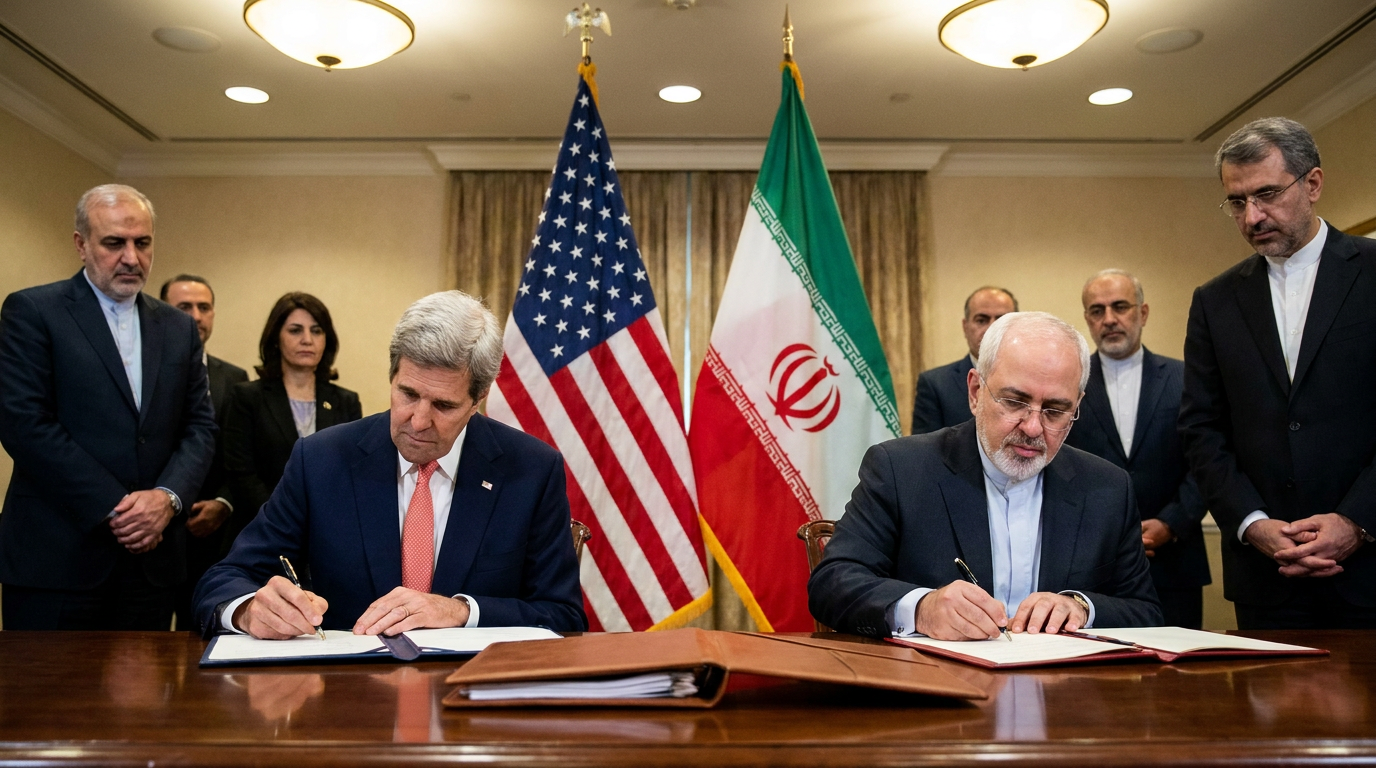
The United States and Iran have officially formalized a memorandum of understanding (MoU), marking a sudden and pragmatic halt to their direct military conflict. Iranian Foreign Ministry spokesperson Esmaeil Baghaei confirmed late Wednesday that the agreement was finalized and signed electronically by both sides, capping off a frantic period of last-minute diplomacy.[1][7]
The breakthrough agreement arrived after a scramble that went down to the wire, with negotiators ultimately deciding to punt several of the most intractable issues to future diplomatic sessions. Rather than a comprehensive treaty, the MoU serves as a binding pause, prioritizing an immediate cessation of hostilities over a final resolution on nuclear and ballistic missile capabilities.[2]
For the Trump administration, the deal represents a stark pivot from the maximalist goals that defined the war's onset. Initially, the White House had aimed to entirely dismantle Iran's nuclear infrastructure, neutralize its ballistic missile program, and sever its support for regional proxy networks.[3]

However, the realities of an untenable, expanding conflict ultimately forced a more pragmatic approach. By accepting an MoU that leaves several core Iranian capabilities intact for now, the administration has prioritized ending the immediate military and economic drain, despite the steep political cost at home.[3]
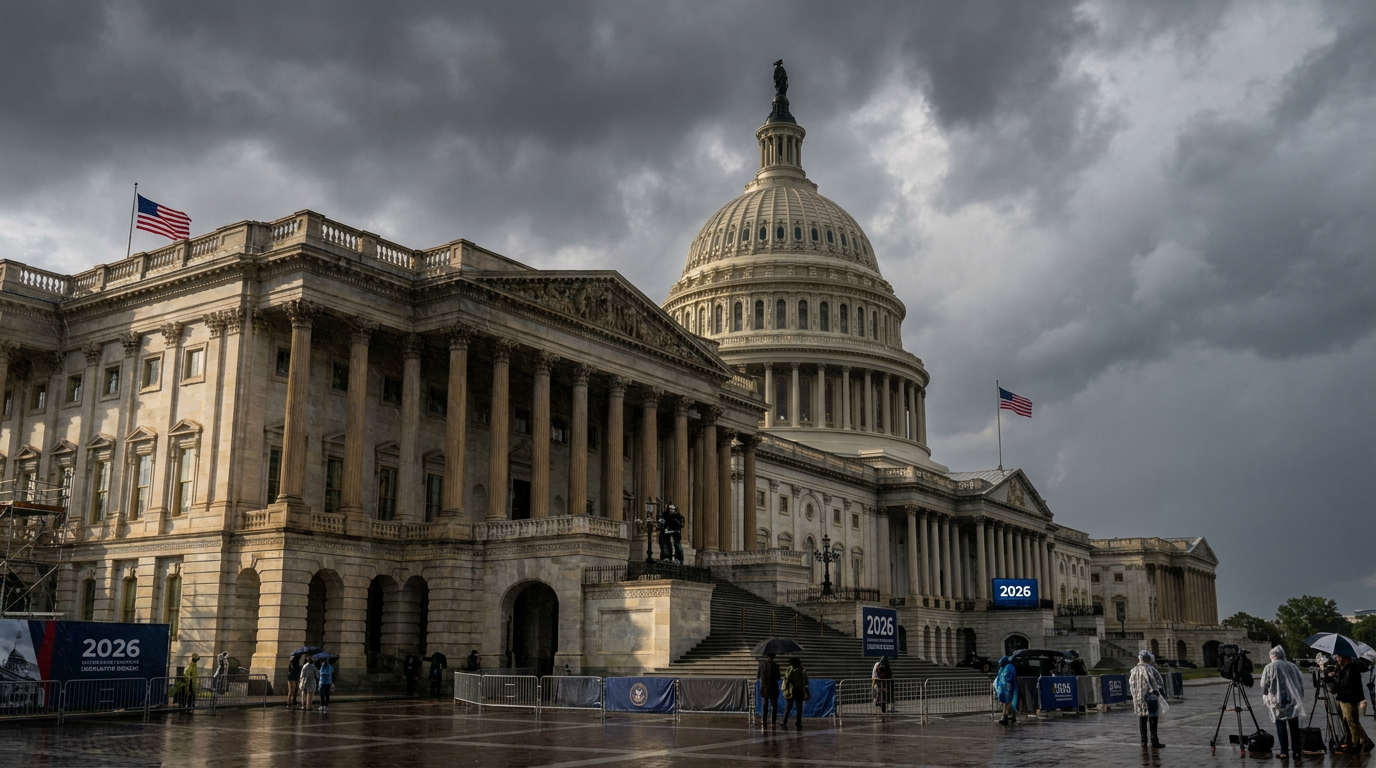
That political cost materialized almost instantly on Capitol Hill, where the agreement has ignited a firestorm among Senate Republicans. Longtime defense hawks within the president's own party have expressed profound dismay at the concessions, arguing that the administration abandoned its leverage just as the military campaign was meant to yield structural changes in Tehran.[4][8]
That political cost materialized almost instantly on Capitol Hill, where the agreement has ignited a firestorm among Senate Republicans.
Senator Bill Cassidy of Louisiana delivered some of the sharpest criticism, publicly decrying the MoU as "the worst foreign policy blunder in decades." In a blistering rebuke of the administration's pivot, Cassidy argued that the deal betrays foundational conservative security principles, declaring that "Reagan is rolling over in his grave."[4]
The mounting backlash has rapidly escalated tensions between the Oval Office and Senate Republicans, threatening to fracture the party's unified front on national security. The White House has aggressively pushed back against the dissenters, framing the MoU not as a concession, but as a necessary tactical maneuver that secures American interests without committing to endless war.[6]
Vice President JD Vance has taken the lead in defending the agreement against conservative critics who have unfavorably compared it to the Obama-era Joint Comprehensive Plan of Action (JCPOA). Vance forcefully rejected the comparison, arguing that the fundamental logic of the two deals is entirely different.[5]

According to Vance, while the Obama administration offered preemptive economic carrots in hopes of moderating Iranian behavior, the current administration is operating from a position of applied military pressure. He asserted that the "carrot-and-stick positions are switched," with the U.S. maintaining overwhelming leverage to enforce the MoU's terms.[5]
Despite the administration's assurances, the structural ambiguity of the MoU leaves significant questions unanswered. Because the agreement defers the toughest issues—such as long-term enrichment limits and proxy financing—to future negotiations, skeptics warn that Iran has merely bought time to rebuild its capabilities while the U.S. steps back from the brink.[2][8]

For now, the electronic signatures have successfully paused a conflict that threatened to engulf the broader Middle East and destabilize global energy markets. Yet, as the immediate threat of military escalation subsides, the Trump administration faces a grueling two-front battle: negotiating the deferred permanent treaty with Tehran, and quelling an open rebellion from its own allies in the Senate.[1][6]
How we got here
Initial Conflict
The U.S. enters the conflict with maximalist goals to dismantle Iran's nuclear and missile programs.
Mid-June 2026
Negotiators scramble in last-minute talks, deciding to punt the toughest issues to future sessions.
June 17, 2026
The Iranian Foreign Ministry confirms the electronic signing of the MoU, pausing hostilities.
Immediate Aftermath
Senate Republicans, led by figures like Sen. Bill Cassidy, publicly denounce the deal as a major blunder.
Viewpoints in depth
The Administration's Pragmatists
Argues that ending an untenable war through a binding MoU is a tactical victory.
The White House and its defenders, including Vice President JD Vance, maintain that the MoU is a necessary pivot from an expanding and costly conflict. They argue that by securing a pause in hostilities while maintaining military pressure, the U.S. has successfully avoided the trap of endless war without offering the preemptive economic concessions seen in previous administrations.
Senate Defense Hawks
Believes the U.S. abandoned its maximalist goals prematurely, squandering military leverage.
Conservative lawmakers and defense analysts argue that the administration blinked just as its military campaign was meant to force structural changes in Tehran. By punting the toughest issues—such as nuclear enrichment and proxy financing—to future talks, they warn that the U.S. has effectively given Iran breathing room to rebuild its capabilities, rendering the initial military effort a failure.
Iranian Diplomatic Corps
Views the electronic signing of the MoU as a successful stabilization effort.
For Tehran, the agreement represents a critical relief valve from intense military and economic pressure. Iranian officials emphasize that the MoU halts immediate hostilities while keeping their core strategic infrastructure—including their nuclear and ballistic missile programs—intact and on the table for future, more balanced negotiations.
What we don't know
- When the deferred negotiations on Iran's nuclear and ballistic missile programs will actually take place.
- Whether the Senate Republican backlash will translate into legislative action to block or undermine the MoU.
- How regional U.S. allies will respond to the sudden cessation of hostilities and the deferred structural issues.
Key terms
- Memorandum of Understanding (MoU)
- A formal agreement between two or more parties that establishes a framework for cooperation, often used as a stepping stone to a final treaty.
- Maximalist goals
- Foreign policy objectives that seek total capitulation or complete dismantling of an adversary's capabilities, rather than incremental compromises.
- Joint Comprehensive Plan of Action (JCPOA)
- The 2015 nuclear agreement between Iran and world powers, often referenced by critics when debating new diplomatic deals with Tehran.
Frequently asked
What exactly did the U.S. and Iran sign?
The two nations signed an electronic memorandum of understanding (MoU) that halts direct military hostilities but defers several major issues to future negotiations.
Why are Senate Republicans angry about the deal?
Defense hawks argue the administration abandoned its initial goals of dismantling Iran's nuclear and missile programs, settling instead for a temporary pause that surrenders leverage.
How does the administration defend the agreement?
Vice President JD Vance argues the deal is fundamentally different from past agreements because it relies on applied military pressure rather than preemptive economic concessions.
Sources
Source coverage
8 outlets
3 viewpoints surfaced






[1]Al JazeeraIranian Officials
Diplomat confirms that US and Iran have signed MoU electronically
Read on Al Jazeera →[2]The New York TimesPragmatic De-escalators
How the U.S.-Iran Deal Came Down to the Wire
Read on The New York Times →[3]The GuardianMaximalist Defense Hawks
Trump’s Iran deal is result of unrealistic ambitions for an untenable war
Read on The Guardian →Top Republican decries Trump’s Iran deal: ‘Reagan is rolling over in his grave’
Read on The Guardian →[5]Fox NewsPragmatic De-escalators
Vance rejects claims Trump-Iran deal echoes Obama-era logic as hawks raise alarm
Read on Fox News →Trump Escalates Tensions With Senate Republicans
Read on The New York Times →[7]ReutersIranian Officials
U.S. and Iran formalize memorandum of understanding, pausing hostilities
Read on Reuters →[8]The Wall Street JournalMaximalist Defense Hawks
Senate Republicans Balk at White House's Iran Concessions
Read on The Wall Street Journal →


Every angle. Every day.
Get news politics stories with full source coverage and perspective breakdowns delivered to your inbox.