
US and Iran Sign Historic Memorandum to End 110-Day War
The Trump administration and Iran have electronically signed a 14-point memorandum of understanding to halt military operations, reopen the Strait of Hormuz, and begin 60-day negotiations on a final nuclear pact. The interim deal has drawn fierce backlash from Republican hawks who argue it offers Tehran too many concessions.
By Factlen Editorial Team
- Trump Administration
- Argues the deal achieves peace from a position of strength, reopens global trade, and dismantles Iran's nuclear threat without U.S. taxpayer funds.
- Republican Hawks
- Believes the agreement is a disastrous blunder that lifts sanctions and enriches a hostile regime after a costly war.
- Iranian Government
- Views the MoU as a successful end to the U.S. blockade, securing vital oil export waivers and asserting sovereignty over regional waterways.
- Global Markets & Allies
- Primarily focused on the economic relief brought by the reopening of the Strait of Hormuz and the de-escalation of a major geopolitical crisis.
What's not represented
- · Israeli Government
- · Lebanese Civilians
- · Families of U.S. Service Members
Why this matters
This interim agreement halts a major 110-day war that threatened to trigger a global economic depression. By reopening the Strait of Hormuz, the deal stabilizes worldwide energy markets, though fierce political backlash in Washington raises questions about the pact's long-term survival.
Key points
- The U.S. and Iran electronically signed a 14-point MoU to end their 110-day war.
- The agreement immediately reopens the Strait of Hormuz to commercial shipping and lifts the U.S. naval blockade.
- Both sides have 60 days to negotiate a final pact regarding Iran's nuclear program and sanctions relief.
- Iran agreed to downblend its highly enriched uranium stockpile under IAEA supervision.
- Republican hawks fiercely criticized the deal, calling it a massive capitulation that rewards Tehran.
- Vice President JD Vance defended the agreement, citing support from Gulf Arab states and immense U.S. leverage.
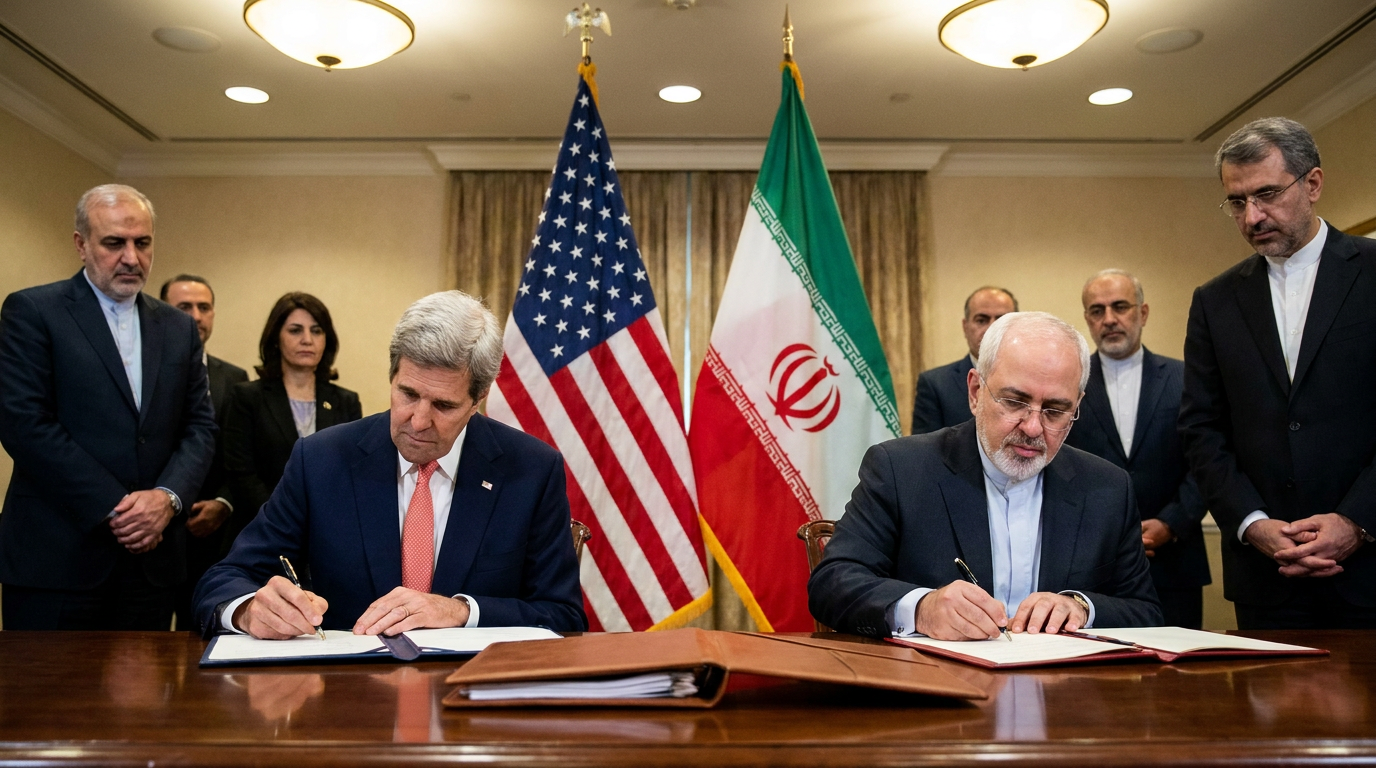
The United States and Iran have officially signed a sweeping 14-point memorandum of understanding (MoU) to end their devastating 110-day military conflict. The agreement, signed electronically by U.S. President Donald Trump and Iranian President Masoud Pezeshkian, implements an immediate and permanent halt to military operations across all fronts. The digital signing bypasses the need for an in-person ceremony in Switzerland, a move Iranian officials stated would raise the diplomatic costs of violating the pact. The ceasefire marks a sudden and dramatic de-escalation of a war that had severely disrupted global energy markets, cost thousands of lives, and threatened to engulf the broader Middle East in a prolonged regional conflict. With the ink now dry on the digital document, the focus shifts entirely to whether the two historic adversaries can transform a fragile truce into a lasting peace.[1][3][4]
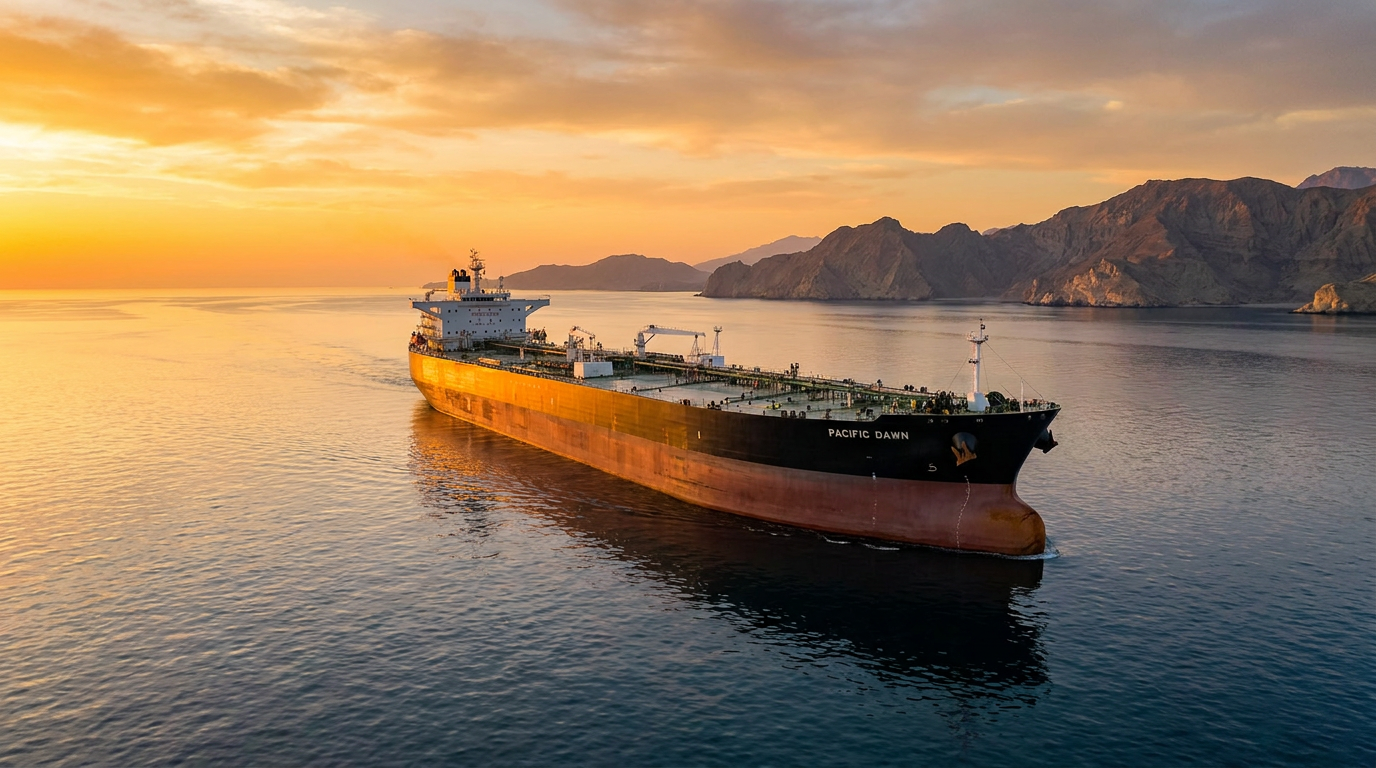
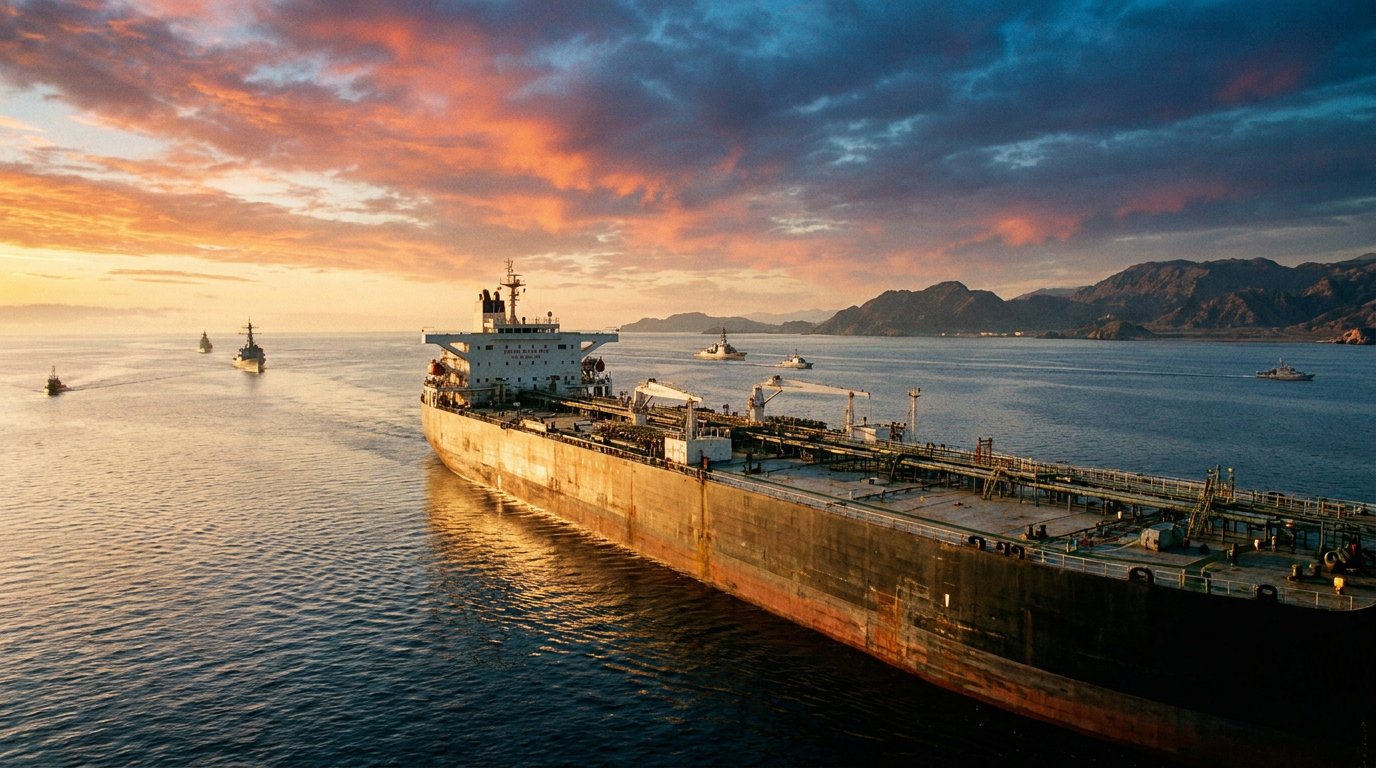
The most immediate global impact of the memorandum is the reopening of the Strait of Hormuz, a critical maritime chokepoint. Under the terms of the interim deal, Iran has agreed to allow the toll-free passage of commercial vessels for the next 60 days. In exchange, the United States will immediately begin lifting its naval blockade and issue sweeping waivers for Iranian crude oil exports, petroleum products, and associated banking services. The swift resumption of maritime traffic is expected to stabilize global energy prices, which had skyrocketed during the nearly four-month blockade.[5][8]
The MoU also initiates a strict 60-day window for both nations to negotiate a final, comprehensive nuclear pact. According to senior U.S. officials, Iran has made a major concession by agreeing that its highly enriched uranium stockpile will be "downblended" on Iranian soil. This process, which dilutes the material so it cannot be used for nuclear weapons, will occur under the direct supervision of the United Nations' International Atomic Energy Agency (IAEA). The framework leaves the exact details of Iran's future enrichment capabilities to be hammered out during the upcoming talks in Geneva.[2][8]

Financial rehabilitation forms another core pillar of the agreement, though it remains highly controversial in Washington. The United States has committed to working with regional partners to develop a definitive plan featuring at least $300 billion for the reconstruction and economic development of Iran. The Trump administration has emphatically clarified that no American taxpayer money will be contributed to this fund. Furthermore, U.S. officials stress that broad, permanent sanctions relief will only be granted if Tehran strictly complies with the nuclear verification protocols outlined in the final treaty.[3][8]
Vice President JD Vance has emerged as the administration's primary defender of the agreement, aggressively pushing back against critics who compare it to the Obama-era Joint Comprehensive Plan of Action (JCPOA). Vance argues that the diplomatic landscape has fundamentally shifted, noting that Gulf Arab states—who vehemently opposed the 2015 deal—are highly supportive of the current framework. The Vice President asserts that the U.S. is negotiating from a position of overwhelming strength, having decimated Iran's military capabilities over the past 110 days while retaining immense economic leverage to enforce compliance.[3][6]
Despite the administration's assurances, the sheer scale of the concessions has ignited a fierce and highly public backlash among traditional Republican foreign policy hawks. Senator Bill Cassidy of Louisiana issued a scathing condemnation of the pact, labeling it "the worst foreign policy blunder in decades." Cassidy argued that the agreement squanders the immense sacrifices made during the conflict, pointedly noting that 13 American service members lost their lives to secure a victory that now feels compromised. He expressed outrage that after enduring a punishing war, Iran will now receive sweeping sanctions relief and the opportunity to build brand-new infrastructure with international funds. Claiming that former President Ronald Reagan "is rolling over in his grave," Cassidy warned that Tehran has simply learned that threatening global shipping lanes yields massive financial rewards.[2][7]

Other conservative lawmakers, including Senators Ted Cruz and Lindsey Graham, have echoed these concerns, particularly regarding the scope of Iran's military future. Critics are alarmed by indications that the Trump administration may tolerate Iran maintaining a limited ballistic missile program. Hawks warn that lifting the "maximum pressure" sanctions and unfreezing billions in assets will simply provide the Iranian regime with the capital needed to rebuild its military apparatus and resume funding proxy militant groups across the region, ultimately leaving the United States and its allies in a more vulnerable position.[7]
Other conservative lawmakers, including Senators Ted Cruz and Lindsey Graham, have echoed these concerns, particularly regarding the scope of Iran's military future.
In Tehran, the government is projecting the agreement as a strategic victory that successfully broke the U.S. naval blockade. Foreign Ministry spokesperson Esmaeil Baghaei confirmed that the text had been finalized and signed, declaring that it was now time to test the implementation of the accord. While Iran has agreed to 60 days of toll-free passage through the Strait of Hormuz, Iranian officials have publicly signaled that they will not return to pre-war conditions. Chief negotiators have floated the idea of charging international transit fees once the 60-day window expires, asserting their sovereign rights over the waterway.[1][2]

The geopolitical scope of the ceasefire extends beyond the immediate U.S.-Iran dynamic, explicitly including a halt to military operations in Lebanon. This provision effectively requires Tehran to rein in Hezbollah, its most powerful regional proxy. However, senior U.S. officials have made it clear that the cessation of hostilities does not strip Israel of its right to self-defense. If Hezbollah initiates any attacks during the 60-day negotiation period, Israel retains full U.S. backing to strike back, adding a layer of volatility to the fragile truce.[2][8]
The ultimate success of the memorandum remains highly uncertain. Both Washington and Tehran have acknowledged that the interim pact is fragile, and either party can walk away if the 60-day negotiations collapse. A binding United Nations Security Council resolution will be required to endorse any final, permanent deal. President Trump has bluntly warned that the 60-day timeline is not a hard deadline, but if Iran fails to "behave" and adhere to the nuclear stipulations, the United States is fully prepared to abandon the talks and resume dropping bombs.[3][4]
How we got here
February 2026
The U.S. and Israel launch joint military operations against Iranian targets, sparking a 110-day conflict.
April 2026
An initial, fragile ceasefire is brokered, but tensions remain high as the Strait of Hormuz remains heavily restricted.
June 15, 2026
The U.S. and Iran announce a preliminary framework for a 14-point peace deal to end the war.
June 17, 2026
Presidents Trump and Pezeshkian electronically sign the MoU, officially enacting the 60-day ceasefire and reopening maritime trade.
Viewpoints in depth
The Trump Administration's View
Argues that the deal successfully ends an unpopular war while achieving core U.S. objectives.
The administration emphasizes that the agreement immediately reopens the Strait of Hormuz, stabilizing the global economy, while dismantling Iran's nuclear threat through supervised downblending. Vice President JD Vance and other officials stress that the U.S. retains massive economic leverage to ensure compliance without committing American taxpayer funds, negotiating from a position of overwhelming strength after heavily degrading Iran's military.
Republican Hawks
Views the agreement as a dangerous capitulation that squanders the sacrifices made during the 110-day conflict.
Conservative critics, including Senators Bill Cassidy and Ted Cruz, argue that granting oil waivers, unfreezing assets, and allowing Iran to maintain ballistic missiles will only enrich a hostile regime. They believe that lifting the 'maximum pressure' sanctions provides Tehran with the capital needed to rebuild its military and proxy networks, ultimately leaving the U.S. and its allies more vulnerable.
The Iranian Government
Frames the memorandum as a diplomatic victory that breaks the U.S. naval blockade and secures vital economic relief.
Tehran views the digital signing as a pragmatic step to begin rebuilding its sanctions-battered economy, emphasizing the immediate resumption of oil exports. Iranian officials are also asserting their sovereignty over the Strait of Hormuz, floating the idea of implementing international transit tolls once the 60-day toll-free window expires, signaling they will not return to pre-war conditions.
What we don't know
- Whether Iran will successfully negotiate and sign a final, binding nuclear treaty within the 60-day window.
- How Israel will respond if Hezbollah or other Iranian proxy groups violate the ceasefire in Lebanon.
- Whether Iran will actually attempt to charge international transit tolls for ships passing through the Strait of Hormuz after 60 days.
Key terms
- Memorandum of Understanding (MoU)
- A formal, written agreement between two or more parties that establishes a framework for cooperation, often serving as a stepping stone to a final, binding treaty.
- Downblending
- The process of mixing highly enriched uranium with natural or depleted uranium to reduce its concentration, rendering it unusable for nuclear weapons.
- Strait of Hormuz
- A narrow, strategically vital waterway between the Persian Gulf and the Gulf of Oman through which roughly one-fifth of the world's oil supply passes.
- IAEA
- The International Atomic Energy Agency, the United Nations watchdog responsible for inspecting and verifying nuclear programs worldwide.
Frequently asked
What does the interim deal actually do?
It implements a 60-day ceasefire across all fronts, reopens the Strait of Hormuz to commercial shipping, and begins negotiations for a final nuclear agreement.
Will the U.S. pay Iran $300 billion?
No. The agreement outlines a $300 billion reconstruction plan funded by regional partners and international investment, not U.S. taxpayer money, contingent on Iran's compliance.
What happens to Iran's nuclear program?
Under the MoU, Iran has agreed to 'downblend' its highly enriched uranium stockpile on its own soil, supervised by the International Atomic Energy Agency (IAEA).
Does the ceasefire apply to Israel and Hezbollah?
The deal includes a halt to military operations in Lebanon, requiring Iran to rein in Hezbollah. However, the U.S. stated Israel retains the right to retaliate if attacked.
Sources
Source coverage
8 outlets
4 viewpoints surfaced








[1]Al JazeeraIranian Government
Diplomat confirms that US and Iran have signed MoU electronically
Read on Al Jazeera →[2]The GuardianRepublican Hawks
Top Republican decries Trump’s Iran deal: ‘Reagan is rolling over in his grave’
Read on The Guardian →[3]Fox NewsTrump Administration
Vance rejects claims Trump-Iran deal echoes Obama-era logic as hawks raise alarm
Read on Fox News →[4]CBS NewsGlobal Markets & Allies
U.S., Iran remotely sign memorandum of understanding, White House official says
Read on CBS News →[5]Financial TimesGlobal Markets & Allies
US and Iran sign interim deal to end war
Read on Financial Times →[6]Washington PostTrump Administration
Vance, the face of deal to end Iran war, defies hawkish GOP critics
Read on Washington Post →[7]Jewish InsiderRepublican Hawks
'Worst foreign policy blunder in decades': Senate Republicans break with Trump on Iran
Read on Jewish Insider →[8]Al-MonitorIranian Government
Possible Iran-US deal: What we know
Read on Al-Monitor →
Every angle. Every day.
Get news politics stories with full source coverage and perspective breakdowns delivered to your inbox.