
The Brain's Nightly Wash Cycle: How Deep Sleep Clears Toxic Waste
During deep sleep, the brain activates a specialized plumbing network called the glymphatic system to flush out toxic metabolic waste. Scientists increasingly view this nightly wash cycle as crucial for preventing cognitive decline and neurodegenerative diseases.
By Factlen Editorial Team
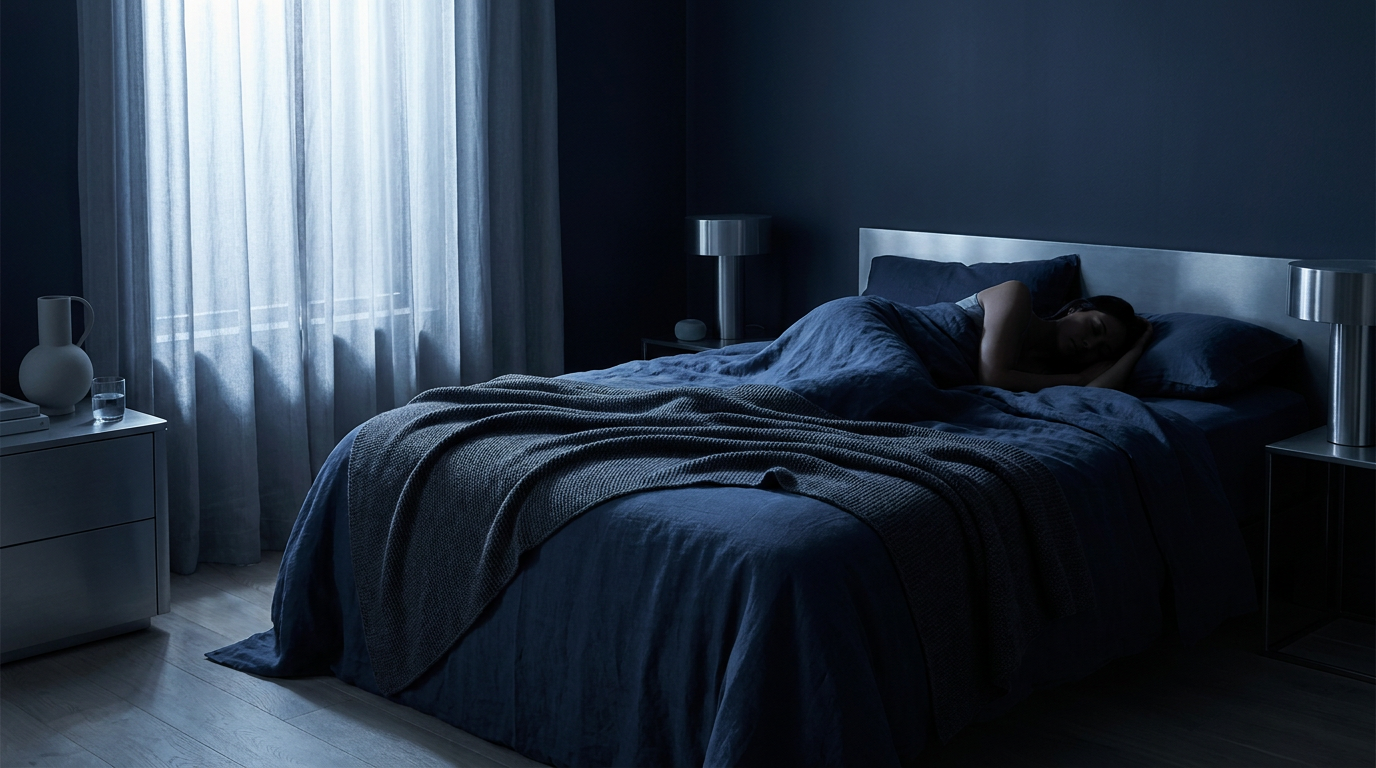
- Neuroscience Researchers
- Focus on the mechanical fluid dynamics of the brain and the clearance of toxic proteins to prevent disease.
- Sleep Medicine Clinicians
- Emphasize practical sleep hygiene, natural sleep architecture, and treating disorders that fragment rest.
- Longevity Specialists
- View the preservation of slow-wave sleep as a critical intervention for healthy aging and cognitive span.
What's not represented
- · Pharmaceutical developers working on glymphatic-enhancing drugs
- · Patients suffering from chronic insomnia
Why this matters
Understanding the brain's nightly wash cycle transforms sleep from a luxury into a biological necessity. By protecting our deep sleep, we actively defend our brains against cognitive decline and Alzheimer's disease.
Key points
- The brain uses a specialized network called the glymphatic system to wash away toxic waste.
- This cleaning process is almost entirely restricted to deep, slow-wave sleep.
- During deep sleep, brain cells physically shrink to allow cerebrospinal fluid to flow freely.
- The system clears out amyloid-beta, a protein heavily linked to Alzheimer's disease.
- Fragmented sleep and certain sedatives can disrupt this vital maintenance cycle.
- Consistent sleep schedules and cool environments help protect natural slow-wave sleep.
For as long as humans have studied biology, the fundamental purpose of sleep has remained a stubborn mystery. From an evolutionary standpoint, surrendering consciousness for a third of our lives—leaving ourselves vulnerable to predators and the elements—seems like a terrible survival strategy. Yet, sleep is universal across the animal kingdom. We know intuitively that a good night's rest leaves us feeling sharp and refreshed, while a night of tossing and turning results in brain fog and sluggishness. But until recently, the exact mechanical reason for this daily reset was largely unknown. Scientists understood that sleep consolidated memories and regulated hormones, but the physical process of how the brain recovered from a day of intense cognitive labor remained hidden in the dark.[7]
That changed in 2012, when a team of neuroscientists led by Dr. Maiken Nedergaard at the University of Rochester made a groundbreaking discovery. By observing the fluid dynamics in the brains of mice, they identified a previously unknown, microscopic plumbing network. They named it the "glymphatic system"—a nod to the brain's glial cells that manage it, and its functional similarity to the body's lymphatic system. Unlike the rest of the body, the brain is isolated by the blood-brain barrier, meaning it cannot rely on the standard lymphatic vessels to carry away cellular waste. Instead, the brain evolved its own highly specialized, closed-loop waste management system to keep its delicate neural circuitry clean and functional.[1][5]
The glymphatic system operates as a biological dishwasher, relying on cerebrospinal fluid (CSF)—the clear liquid that cushions the brain and spinal cord. Throughout the day, as our brain cells consume energy to help us think, move, and feel, they produce metabolic byproducts. If left to accumulate, this cellular exhaust becomes toxic. The glymphatic system's job is to pump fresh CSF through the brain's dense tissue, mixing it with the interstitial fluid that surrounds the cells. This fluid sweeps up the metabolic waste and flushes it out of the brain, eventually draining it into the body's circulatory system where the liver and kidneys can safely filter it away.[3][5]

Crucially, this deep-cleaning cycle does not run continuously. The University of Rochester researchers discovered that the glymphatic system is largely inactive while we are awake. It only kicks into high gear during sleep—specifically, during the deepest phase of rest known as slow-wave sleep, or stage N3. When we enter this deep sleep, the brain undergoes a remarkable physical transformation. The star-shaped glial cells, known as astrocytes, actually shrink in size. This subtle contraction expands the interstitial space between brain cells by up to 60 percent, suddenly opening up wide channels that allow cerebrospinal fluid to rush in and wash through the tissue with far less resistance.[1][2]
The mechanics of this wash cycle are highly synchronized. During slow-wave sleep, the brain generates slow, rhythmic electrical pulses known as delta waves. Research from the National Institutes of Health and other institutions has shown that these slow brain waves coordinate with our cardiovascular system. As neurons fire together in slow, sweeping rhythms, blood oxygen levels fluctuate, and blood volume in the brain drops slightly. This creates a vacuum effect, drawing large, rhythmic pulses of cerebrospinal fluid into the brain every 10 to 20 seconds. It is a perfectly choreographed mechanical pump, driven by the deep, restorative rhythms of a sleeping brain.[2]
During slow-wave sleep, the brain generates slow, rhythmic electrical pulses known as delta waves.
The stakes of this nightly wash cycle are incredibly high, particularly for long-term cognitive health. Among the metabolic waste products flushed away by the glymphatic system is amyloid-beta, a sticky protein that is a normal byproduct of neural activity. However, if amyloid-beta is not efficiently cleared, it can clump together to form plaques. These plaques are one of the primary biological hallmarks of Alzheimer's disease and other forms of dementia. Similarly, the system clears out tau proteins, which can form destructive tangles inside brain cells if left unchecked. By sweeping these proteins away every night, the glymphatic system acts as a critical defense mechanism against neurodegeneration.[3][6]
This connection between sleep and waste clearance has revolutionized how medical professionals view the progression of dementia. The Alzheimer's Foundation of America notes that impaired glymphatic clearance is increasingly recognized as a major risk factor for cognitive decline. It creates a vicious cycle: as we age, we naturally experience a reduction in the amount of slow-wave sleep we get each night. This age-related decline in deep sleep means the brain has less time to run its dishwasher cycle, allowing more amyloid-beta to accumulate. That very accumulation can further disrupt the brain's sleep architecture, leading to even less deep sleep and accelerating the buildup of toxic proteins.[6]

The consequences of a failing glymphatic system aren't just a long-term concern; they manifest immediately after a single night of poor sleep. A 2025 study from MIT explored what happens in the brain when we are sleep-deprived and experience those familiar, momentary lapses in attention. The researchers found that during these waking moments of "brain fog," the brain actually attempts to force pulses of cerebrospinal fluid through the tissue, desperately trying to catch up on the cleaning it missed the night before. However, this forced daytime flushing comes at a severe cost to our cognitive function, directly causing the attention failures and grogginess associated with exhaustion.[4]
Understanding the glymphatic system has elevated sleep from a passive lifestyle recommendation to a critical pillar of preventative medicine. Sleep medicine clinicians emphasize that not all sleep is created equal when it comes to brain cleaning. Fragmented sleep—caused by conditions like sleep apnea, frequent waking, or environmental disruptions—prevents the brain from spending adequate time in the continuous slow-wave stages required for optimal clearance. Furthermore, chemically induced sleep may not provide the same benefits. Laboratory studies have suggested that certain commonly prescribed sedative medications can actually suppress natural glymphatic activity, indicating that natural, unmedicated sleep architecture is vital for the brain's maintenance cycle.[1][7]
Protecting our slow-wave sleep requires intentional daily habits. Harvard Health Publishing highlights that maintaining a consistent sleep schedule—going to bed and waking up at the same time every day—is one of the most effective ways to anchor our circadian rhythms and ensure we reach deep sleep. Environmental factors also play a massive role; keeping the bedroom cool (around 60 to 67 degrees Fahrenheit) helps facilitate the natural drop in core body temperature required to initiate and maintain slow-wave sleep. Limiting alcohol and caffeine, both of which severely fragment sleep architecture, is equally crucial for allowing the brain to complete its nightly wash cycle uninterrupted.[3][7]

Fascinatingly, even our physical posture during sleep might influence how efficiently our brain cleans itself. While human trials are still ongoing, preclinical studies have suggested that sleeping in a lateral position—on your side—may optimize the flow of cerebrospinal fluid through the glymphatic pathways compared to sleeping on your back or stomach. While experts caution against obsessing over sleep position if it causes anxiety or disrupts rest, it represents an intriguing frontier in sleep hygiene, suggesting that the physical mechanics of our bodies play a direct role in how well our brains can flush out toxins.[5][7]
Looking ahead, the discovery of the glymphatic system has opened entirely new avenues for treating neurological diseases. Researchers at institutions worldwide are currently exploring non-invasive methods to artificially boost the brain's lymphatic clean-up system. If scientists can find ways to enhance glymphatic flow—perhaps through targeted neurostimulation, specific acoustic frequencies that induce slow brain waves, or novel pharmaceuticals—it could revolutionize the treatment of traumatic brain injuries, stroke recovery, and Alzheimer's disease. Until then, the most powerful tool we have to protect our brain's delicate circuitry is the simple, profound act of getting a good night's sleep.[7]
How we got here
2012
University of Rochester researchers first discover and name the glymphatic system in mice.
2013
Scientists confirm that glymphatic clearance is highly active during sleep and clears amyloid-beta.
2019
Researchers capture the first visual evidence of rhythmic cerebrospinal fluid pulses in sleeping human brains.
2024
The American Heart Association adds healthy sleep duration to its essential cardiovascular guidelines, citing brain and vessel health.
2025
MIT researchers link daytime attention lapses in sleep-deprived individuals to forced, waking CSF pulses.
Viewpoints in depth
Neuroscience Researchers
Focus on the mechanical fluid dynamics of the brain and the clearance of toxic proteins to prevent disease.
For neuroscientists, the discovery of the glymphatic system solved a decades-old mechanical mystery regarding how the brain sustains itself without a traditional lymphatic network. Researchers in this camp focus heavily on the fluid dynamics of cerebrospinal fluid and the behavior of astrocytes. Their primary concern is understanding exactly how the clearance of proteins like amyloid-beta and tau can be optimized to prevent the onset of neurodegenerative diseases, viewing sleep as a highly active, mechanical maintenance process rather than just a period of rest.
Sleep Medicine Clinicians
Emphasize practical sleep hygiene, natural sleep architecture, and treating disorders that fragment rest.
Clinicians working directly with patients focus on the behavioral and environmental factors that protect slow-wave sleep. They emphasize that simply being unconscious is not enough; the brain must progress naturally through its sleep cycles to trigger the glymphatic wash. This camp strongly advocates for diagnosing and treating conditions like sleep apnea, which constantly pull patients out of deep sleep, and they often caution against the over-reliance on sedative medications that can chemically alter sleep architecture and suppress natural clearance.
Longevity Specialists
View the preservation of slow-wave sleep as a critical intervention for healthy aging and cognitive span.
Experts in aging and longevity view the natural decline of slow-wave sleep as a major, yet potentially modifiable, risk factor for dementia. Because the glymphatic system's efficiency drops as we get older, this camp focuses on lifestyle interventions—such as exercise, diet, and circadian rhythm anchoring—that can help older adults maintain their deep sleep. They view the protection of the brain's wash cycle as one of the most important pillars for extending cognitive healthspan well into old age.
What we don't know
- Whether specific sleeping positions (like sleeping on one's side) definitively improve glymphatic clearance in humans as they appear to in animal models.
- If the damage caused by years of poor sleep and impaired glymphatic clearance can be fully reversed later in life.
- How to safely and non-invasively stimulate the glymphatic system using technology or pharmaceuticals without disrupting other brain functions.
Key terms
- Glymphatic system
- The brain's unique waste-clearance network that uses cerebrospinal fluid to flush out metabolic byproducts.
- Cerebrospinal fluid (CSF)
- A clear, colorless fluid that surrounds and protects the brain and spinal cord, acting as the primary cleaning agent during sleep.
- Slow-wave sleep
- The deepest stage of non-REM sleep (N3), characterized by slow delta brain waves and the highest rate of glymphatic clearance.
- Amyloid-beta
- A metabolic waste protein produced by normal brain activity that, if not cleared, can clump together and is linked to Alzheimer's disease.
- Astrocytes
- Star-shaped glial cells in the brain that help regulate the flow of cerebrospinal fluid by shrinking during sleep.
Frequently asked
Can I catch up on deep sleep by napping?
While short naps can improve alertness, they rarely reach the deep slow-wave sleep stages required for full glymphatic clearance, which typically occurs in the first third of a full night's sleep.
Do sleep medications help the brain clean itself?
Not necessarily. Some commonly prescribed sedatives can actually suppress natural glymphatic activity, meaning chemically induced sleep may not provide the same cleaning benefits as natural sleep.
Does sleep position matter for brain health?
Some animal studies suggest that sleeping on your side (lateral position) may optimize the flow of cerebrospinal fluid, though more human research is needed to confirm this effect.
Sources
Source coverage
7 outlets
3 viewpoints surfaced







[1]University of RochesterNeuroscience Researchers
A once-hidden network: the glymphatic system
Read on University of Rochester →[2]National Institutes of HealthNeuroscience Researchers
Sleep-state-dependent regulation of glymphatic transport
Read on National Institutes of Health →[3]Harvard Health PublishingSleep Medicine Clinicians
Why deep sleep is vital
Read on Harvard Health Publishing →[4]MIT NewsNeuroscience Researchers
Flushing the brain: New research shows attention lapses due to sleep deprivation
Read on MIT News →[5]Cleveland ClinicSleep Medicine Clinicians
What Is the Glymphatic System?
Read on Cleveland Clinic →[6]Alzheimer's Foundation of AmericaLongevity Specialists
The glymphatic system and Alzheimer's
Read on Alzheimer's Foundation of America →[7]Factlen Editorial TeamLongevity Specialists
Synthesis by Factlen editorial team
Read on Factlen Editorial Team →

More in health
See all 6 stories →Cognitive Longevity
Why Creatine is Moving From the Weight Room to the Medicine Cabinet
0 sources

Nature Therapy
The Evidence Behind "Green Prescriptions": How Nature Exposure Impacts Mental Health
0 sources

Gut Health
The 'Second Life' of Carbs: How Cooling Rice and Potatoes Transforms Them Into Microbiome Superfoods
0 sources

Longevity Science
The Science of Healthspan: Evaluating the Evidence for Longevity Interventions
0 sources

Every angle. Every day.
Get health stories with full source coverage and perspective breakdowns delivered to your inbox.