
The Best E-Readers of 2026: Comparing Kindle, Kobo, and Boox
As e-ink technology advances in 2026, the e-reader market has fractured into three distinct philosophies: Amazon's locked-in reliability, Kobo's colorful open ecosystem, and Boox's smartphone-style Android flexibility.
By Factlen Editorial Team
- Ecosystem Loyalists
- Readers who prioritize seamless integration and massive library access over hardware flexibility.
- Open Library Advocates
- Readers who prioritize borrowing over buying and want to avoid tech monopolies.
- Power Users
- Tech-savvy readers who demand multi-app support and maximum hardware flexibility.
What's not represented
- · Budget-conscious readers who rely entirely on sub-$100 entry-level devices.
- · Visually impaired readers who require extensive text-to-speech or massive font scaling.
Why this matters
Choosing the right e-reader dictates not just how your eyes feel after an hour of reading, but which corporate ecosystem controls your digital library for years to come. Understanding these hardware trade-offs ensures you invest in a device that actually fits your daily habits.
Key points
- The 12th Gen Kindle Paperwhite offers an unmatched 12-week battery life and a larger 7-inch screen, but locks users into Amazon's ecosystem.
- The Kobo Clara Colour provides a 150-ppi color display and native Libby library integration for the same $159.99 base price as the Kindle.
- The Onyx Boox Palma runs full Android 11 in a smartphone form factor, allowing users to install multiple reading apps on one device.
- Color e-ink screens often appear slightly darker than pure grayscale displays, requiring higher backlight usage.
- Choosing the best e-reader in 2026 depends entirely on whether a user prioritizes hardware battery life, open library access, or app flexibility.
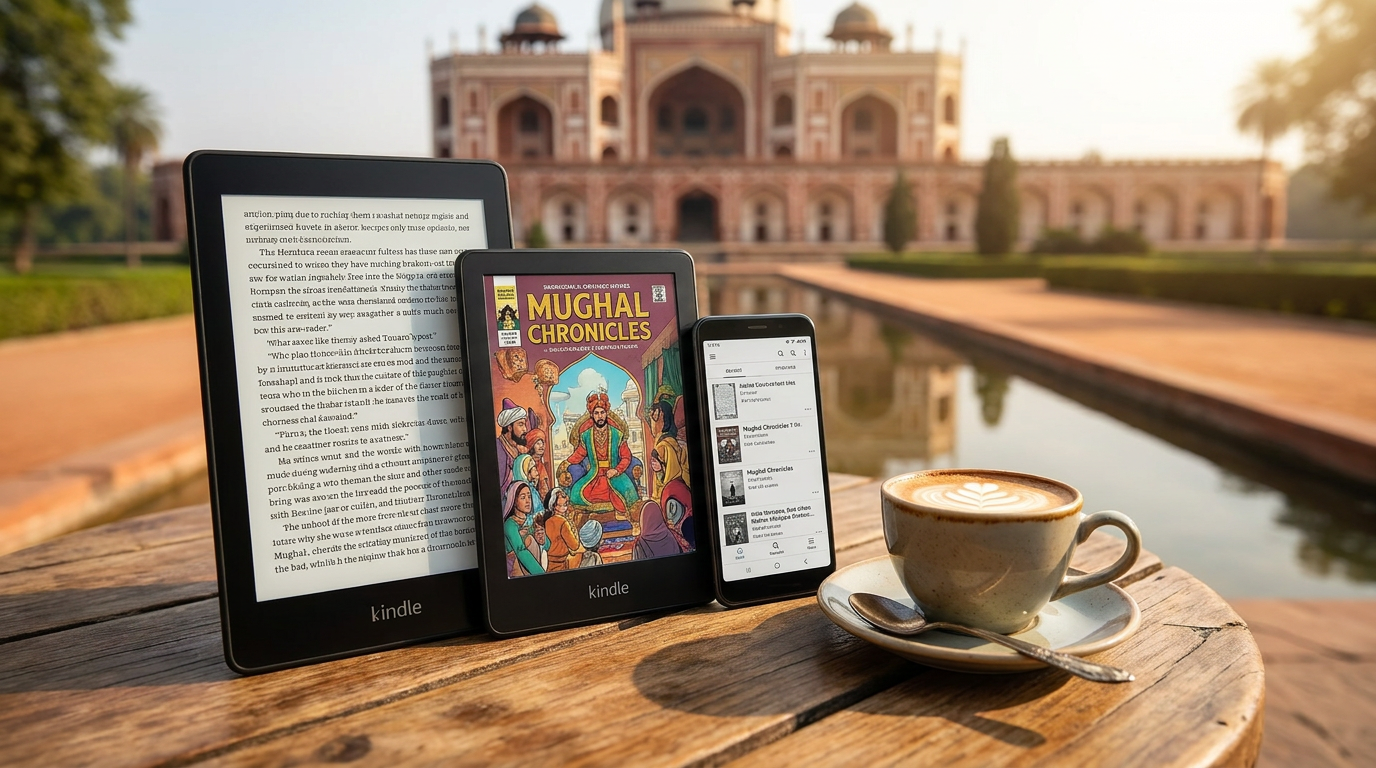
The e-reader landscape in 2026 has evolved far beyond a simple, binary choice of which Amazon device to purchase. As e-ink technology advances and competitors refine their hardware, the market has fractured into three distinct philosophies, forcing buyers to carefully weigh hardware refinement against software freedom. For years, the default recommendation for any prospective buyer was simply to pick up the latest Kindle and accept the inherent ecosystem lock-in. However, the rise of accessible color e-ink displays and the growing popularity of Android-based, smartphone-sized readers have completely disrupted that status quo. Today, readers are presented with highly specialized devices that cater to specific use cases, whether that involves consuming graphic novels, juggling multiple library cards, or slipping a library into a front pocket.[3][5]
The current top-tier options dominating the market—the Amazon Kindle Paperwhite 12th Generation, the Kobo Clara Colour, and the Onyx Boox Palma—each represent a radically different approach to digital reading. Rather than searching for a single universal winner, consumers must now navigate a side-by-side trade-off analysis of screen size, color capabilities, and digital storefronts. The decision is no longer just about the physical hardware, but about how a reader sources their books, how much they value open ecosystems, and where they physically do most of their reading. By examining the specific arguments for and against each device, alongside concrete evidence regarding their performance, buyers can identify which e-reader aligns perfectly with their daily habits.[1][3][4]
For the Amazon Kindle Paperwhite 12th Generation, the argument for the device rests heavily on its unmatched hardware polish, seamless user experience, and extraordinary battery endurance. Amazon has spent over a decade refining the Paperwhite, and the latest iteration features a larger 7-inch flush screen that provides ample space for text without requiring constant page turns. The evidence for its market dominance is quantified by its staggering 12-week battery life, meaning most users will only need to charge the device a handful of times per year. Furthermore, the crisp 300 pixels-per-inch grayscale display remains perfectly readable in direct sunlight, and the device boasts an IPX8 waterproof rating, making it a highly durable companion for beach trips or reading in the bath.[1][5]
Conversely, the argument against the Kindle Paperwhite centers on its physical bulk and its famously closed software ecosystem. Weighing in at 211 grams, the 12th generation model is noticeably heavier and wider than its predecessors, which can make prolonged one-handed reading fatiguing for some users. More importantly, buyers are firmly locked into Amazon's proprietary storefront; while sideloading files is possible, the interface is designed to keep users within the Kindle ecosystem. The evidence of this lock-in is also visible on the lock screen itself, which displays random advertisements unless the buyer pays an additional $20 premium to remove them, a practice that frustrates users looking for a premium, ad-free experience out of the box.[1][5]

Ultimately, the Kindle Paperwhite fits well when a reader wants a highly reliable, distraction-free device with maximum battery life and already owns an extensive Amazon library or subscribes to Kindle Unlimited. It is the safest choice for pure text readers who want a device that simply works without requiring any technical tinkering. However, it does not fit when a user wants seamless, direct integration with local library catalogs without Amazon's routing, or when they desire a highly pocketable form factor. Readers who prefer to purchase their e-books from independent sellers or who want to avoid supporting Amazon's retail dominance will find the Paperwhite's software restrictions incredibly grating.[1][4]
It is the safest choice for pure text readers who want a device that simply works without requiring any technical tinkering.
Moving to the Kobo Clara Colour, the argument for the device revolves around its vibrant e-ink technology and its deep, native integration with public libraries. Priced identically to the base Paperwhite at $159.99, the Clara Colour features a matte, glare-free screen that brings graphic novels, book covers, and colorful highlights to life. The evidence supporting its value lies in its open ecosystem; Kobo devices feature built-in OverDrive and Libby support, allowing users to browse, borrow, and read library books directly on the device without needing a smartphone or computer to facilitate the transfer. Furthermore, Kobo completely avoids lock-screen advertisements, offering a clean, user-friendly interface from the moment the device is powered on.[1][4]
The argument against the Kobo Clara Colour involves its battery limitations and the slight optical compromises inherent to current color e-ink technology. The evidence shows that its battery lasts roughly 42 days based on a half-hour of daily reading—which is significantly less than the Kindle's 84-day benchmark. Additionally, the color layer operates at a lower 150 pixels-per-inch resolution, and its presence can make standard black-and-white text appear slightly darker or more washed out compared to pure grayscale displays. Users often find themselves turning up the device's front-light to compensate for this darker screen, which in turn drains the battery even faster during long reading sessions.[1][5]
The Kobo Clara Colour fits well when a reader frequently borrows library books, values Rakuten's eco-friendly corporate practices, or regularly consumes illustrated content like manga and non-fiction charts. It is an excellent choice for readers who want to color-code their highlights or simply enjoy seeing their library covers in full, vibrant color. It does not fit when a user demands the absolute highest contrast for pure text reading, as the color filter inherently reduces the stark crispness of black text on a white background. It also falls short for readers who rely heavily on Kindle-exclusive self-published authors or Kindle Unlimited subscriptions, as those cannot be natively accessed on a Kobo device.[4][5]

For the Onyx Boox Palma, the argument for the device is built entirely on its radical smartphone-style form factor and its unrestricted software capabilities. Running a full version of Android 11 with complete access to the Google Play Store, this device allows users to install the Kindle, Kobo, Everand, and Libby apps simultaneously on a single screen. Weighing just 170 grams, the evidence of its portability is undeniable; it is lighter than an iPhone 15 Pro Max and fits effortlessly into any standard pocket. The Palma features physical volume buttons that double as page-turners, an octa-core processor, and 6GB of RAM, making it significantly faster and more responsive than traditional, sluggish e-readers.[2][3]
The argument against the Boox Palma highlights its steep price tag and the inherent compromises of running a full Android operating system on an e-ink display. The evidence points to a high $279.99 cost, making it nearly twice as expensive as the base Kindle or Kobo models. Furthermore, its 3950 mAh battery depletes in about seven to ten days of regular use, a far cry from the multi-month endurance of its competitors. Additionally, the 6.1-inch screen, while highly portable, can feel cramped during long reading sessions, and the Android interface requires more initial setup and technical troubleshooting than the closed, streamlined systems offered by Amazon and Rakuten.[2][3]

The Onyx Boox Palma fits well when a reader wants a highly portable device to replace doomscrolling on their phone, or when they refuse to be locked into any single digital bookstore. It is the ultimate device for commuters who want to read one-handed on a crowded train, or for power users who want to sync articles via Pocket, read Substack newsletters, and listen to audiobooks all on one e-ink screen. It does not fit when a user is on a strict budget, prefers the immersive feel of a larger digital page, or wants a device exclusively dedicated to distraction-free reading, as the presence of a web browser and Android apps can easily break a reader's focus.[2][3]
Ultimately, the 2026 market proves that selecting an e-reader requires an honest assessment of personal reading habits and a willingness to accept specific hardware trade-offs. Buyers must quantify their own needs, weighing Amazon's hardware refinement and battery life against Kobo's colorful openness and Boox's pocketable versatility. By evaluating exactly where they read, what formats they consume, and which digital storefronts they prefer to support, consumers can confidently navigate this fractured landscape to find the perfect digital companion. The era of a single, default e-reader is over, replaced by a diverse ecosystem that better serves the nuanced demands of modern readers.[1][3][6]
How we got here
2007
Amazon releases the first-generation Kindle, establishing the modern e-reader market and its proprietary ecosystem.
2012
The first Kindle Paperwhite is introduced, bringing built-in illumination to e-ink displays.
2024
Kobo launches the Clara Colour and Libra Colour, bringing affordable, mainstream color e-ink to the global market.
2025
Amazon releases the 12th generation Kindle Paperwhite, increasing the screen size to 7 inches and boosting battery life to 12 weeks.
2026
Android-based e-readers like the Boox Palma surge in popularity as readers seek pocketable alternatives to smartphone doomscrolling.
Viewpoints in depth
Ecosystem Loyalists
Readers who prioritize seamless integration and massive library access over hardware flexibility.
This camp argues that the reading experience should be as frictionless as possible. By staying within Amazon's walled garden, readers benefit from one-click purchases, Kindle Unlimited subscriptions, and Whispersync technology that perfectly aligns audiobooks with text. They view the locked ecosystem not as a restriction, but as a curated, highly reliable environment that eliminates the need for technical troubleshooting.
Open Library Advocates
Readers who prioritize borrowing over buying and want to avoid tech monopolies.
Advocates for open ecosystems emphasize the importance of public libraries and device longevity. They argue that readers should not be forced to buy books exclusively from the company that manufactured their device. By championing devices like the Kobo Clara Colour, this group highlights the financial and ethical benefits of native Libby integration, allowing users to support local libraries while enjoying a colorful, ad-free reading experience.
Power Users
Tech-savvy readers who demand multi-app support and maximum hardware flexibility.
For power users, a dedicated e-reader that only opens proprietary book files is an outdated concept. This camp advocates for Android-based e-ink devices like the Boox Palma, arguing that readers should be able to access Kindle, Kobo, Substack, and web articles on a single screen. They are willing to sacrifice multi-month battery life and accept a steeper learning curve in exchange for a pocketable device that completely replaces their smartphone for text consumption.
What we don't know
- Whether Amazon will eventually release a pocket-sized, smartphone-style Kindle to compete with the Boox Palma.
- How quickly color e-ink technology will advance to match the pure white contrast of traditional grayscale screens.
Key terms
- E-ink (Electronic Ink)
- A display technology that mimics the appearance of ordinary ink on paper, reflecting light rather than emitting it, which drastically reduces eye strain and battery consumption.
- PPI (Pixels Per Inch)
- A measurement of screen resolution and pixel density; a higher PPI results in crisper, sharper text and images.
- Sideloading
- The process of manually transferring files (like EPUB or PDF documents) from a computer to an e-reader, bypassing the device's official digital storefront.
- Walled Garden
- A closed software ecosystem, like Amazon's Kindle platform, where the hardware manufacturer tightly controls the apps, storefronts, and file types available to the user.
Frequently asked
Can I read library books on a Kindle Paperwhite?
Yes, but the process requires routing the borrowed book through the Libby app on a smartphone or computer to your Amazon account. It is not as seamless as the native, on-device integration found on Kobo e-readers.
Does the Kobo Clara Colour display standard text well?
Yes, it displays standard black-and-white text at a crisp 300 pixels-per-inch. However, the color filter layer can make the screen appear slightly darker than a pure grayscale display, often requiring users to turn up the backlight.
Is the Onyx Boox Palma a full smartphone?
No. While it shares the size and shape of a smartphone and runs Android 11 with the Google Play Store, it lacks a SIM card slot for cellular calls and features an e-ink display that is too slow for watching videos or playing fast-paced games.
Sources
Source coverage
6 outlets
3 viewpoints surfaced




[1]MashableEcosystem Loyalists
Kindle Paperwhite vs. Kobo Clara Colour: Which e-reader is better?
Read on Mashable →[2]PCMagPower Users
Onyx Boox Palma Review
Read on PCMag →[3]Popular MechanicsEcosystem Loyalists
The best e-readers of 2026
Read on Popular Mechanics →[4]Tom's GuidePower Users
Best E-Readers 2026
Read on Tom's Guide →[5]A Well-Read WandererOpen Library Advocates
New Kindle Paperwhite vs Kobo Clara Colour: Which eReader is the best buy?
Read on A Well-Read Wanderer →Best E-Readers 2026: Which Should You Buy?
Read on TechRank →

Every angle. Every day.
Get guides stories with full source coverage and perspective breakdowns delivered to your inbox.