
Navigating Kyoto's New Tourism Rules: A 2026 Guide to Taxes, Transit, and Etiquette
As Kyoto implements sweeping new policies to combat overtourism in 2026, travelers face updated accommodation taxes, restricted access in historic districts, and new transit systems designed to protect the city's heritage.
By Factlen Editorial Team
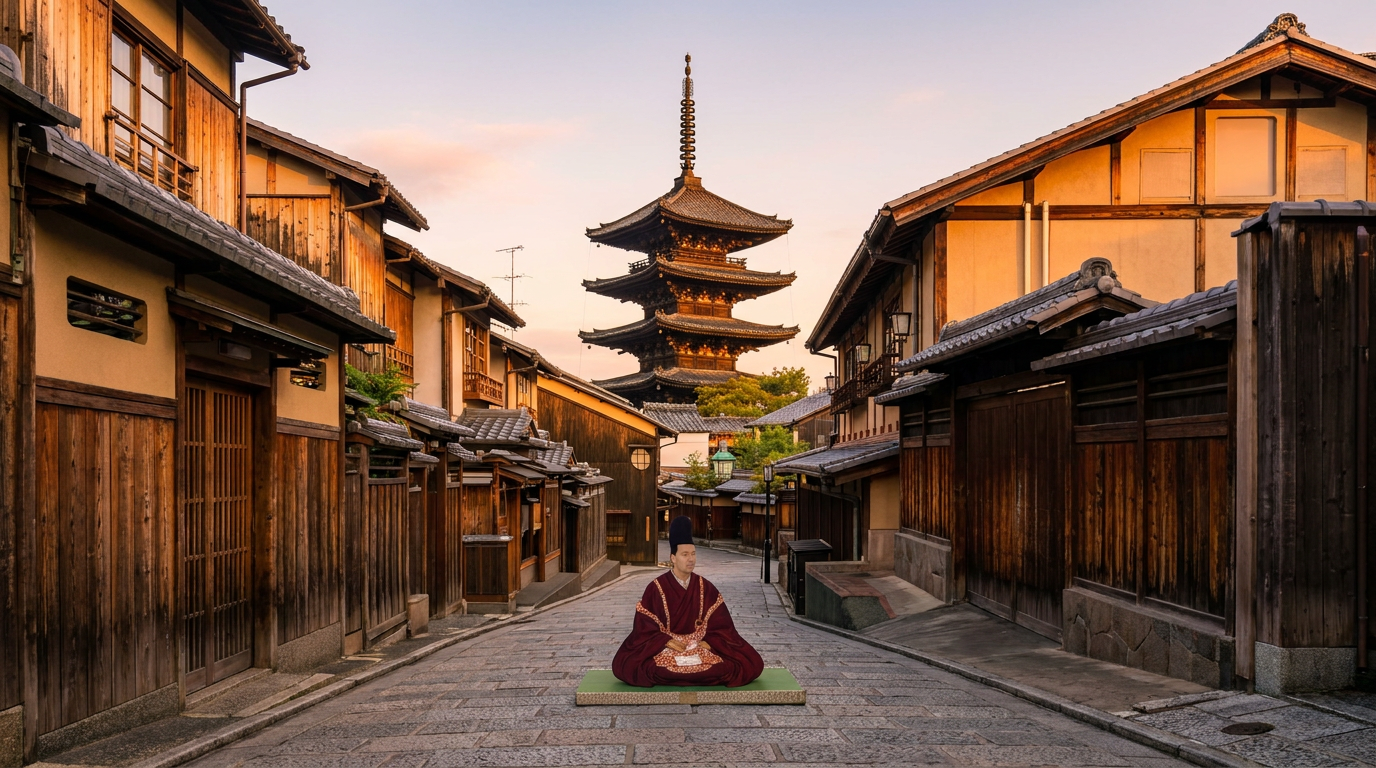
- Kyoto Residents
- Prioritizing the preservation of daily life and cultural heritage over unrestricted tourism volume.
- International Travelers
- Navigating higher costs and new restrictions while benefiting from improved, dedicated infrastructure.
- Tourism Authorities
- Adapting to progressive taxation by elevating service and promoting sustainable travel habits.
What's not represented
- · Budget Backpackers
- · Local Business Owners
Why this matters
For anyone planning a trip to Japan, understanding Kyoto's 2026 regulations is essential to avoid steep fines and unexpected tax hikes. Embracing these new transit and etiquette rules ensures a smoother, more respectful vacation while directly supporting the preservation of one of the world's most historic cities.
Key points
- Starting March 2026, Kyoto will implement a progressive accommodation tax, charging up to ¥10,000 per night for luxury stays.
- Tourists are now officially banned from entering specific private alleyways in the Gion district to protect local residents and entertainers.
- The city has launched dedicated 'Hands-Free' luggage buses and tourist express routes to ease congestion on local commuter lines.
- New enforcement measures include surprise inspections for short-term rentals and strict fines for bicycle traffic violations.
For centuries, Kyoto has captured the global imagination as the cultural heart of Japan. Visitors flock to the ancient capital to wander through quiet temple grounds, explore meticulously preserved wooden machiya houses, and catch a fleeting glimpse of traditional entertainers in historic districts. But in the wake of the post-pandemic travel boom, that timeless serenity collided with a very modern crisis. With foreign arrivals to Japan surging past 25 million annually, Kyoto found its infrastructure buckling under the weight of its own popularity, prompting local residents to voice deep frustrations over what they termed tourism pollution.[1]
Rather than simply shutting its doors, Kyoto is treating 2026 as a pivotal year to redefine how a world-class heritage city manages its visitors. The local government is rolling out a comprehensive suite of policies designed to shift the focus from the sheer volume of tourists to the quality and sustainability of the travel experience. These measures span from progressive taxation and strict neighborhood zoning to innovative transit solutions. The overarching goal is to strike a harmonious balance, ensuring that citizens can go about their daily lives uninterrupted while still offering travelers an authentic, welcoming experience.[4][7]
The most significant and immediate change for travelers is financial. Starting March 1, 2026, Kyoto is implementing the most dramatic restructuring of its accommodation tax since the levy was first introduced in 2018. Previously, the tax was relatively modest, capped at a maximum of ¥1,000 per person, per night. The new ordinance, approved by the Kyoto City Council and the national government, introduces a steep progressive system that places a significantly higher burden on high-end stays, fundamentally altering the budget calculus for luxury travelers.[5]
Under the revised 2026 structure, budget-conscious visitors will see minimal impact, with stays under ¥6,000 incurring a nominal ¥200 tax. However, the tiers scale aggressively upward. Rooms costing between ¥20,000 and ¥49,999 will carry a ¥1,000 tax, while those between ¥50,000 and ¥99,999 will incur a ¥4,000 charge. At the top end, accommodations exceeding ¥100,000 per person, per night will be hit with a staggering ¥10,000 tax—a tenfold increase from the previous cap and the highest municipal hotel tax rate in all of Japan.[5][6]

City officials have been transparent about the rationale behind this aggressive hike: the revenue is earmarked directly for overtourism countermeasures. The tax is projected to nearly double the city's annual collection to ¥12.6 billion. These funds will be poured into preserving traditional townscapes, maintaining the iconic stone-paved streets, upgrading congestion management systems, and enhancing multilingual services. By slightly increasing the cost of premium stays, the city also hopes to encourage longer, more thoughtful visits that balance visitor numbers throughout the year.[5][6]
Beyond taxation, Kyoto is taking a hard line on visitor etiquette, particularly in Gion, the city's famous entertainment district. For years, the neighborhood has been a magnet for tourists hoping to photograph geiko (the local term for geisha) and their teenage maiko apprentices. Unfortunately, this enthusiasm frequently crossed the line into harassment, with groups of tourists acting like paparazzi, blocking narrow streets, tearing kimonos, and even trespassing on private property to secure the perfect photograph for social media.[1][2]
Beyond taxation, Kyoto is taking a hard line on visitor etiquette, particularly in Gion, the city's famous entertainment district.
In response to pleas from the local neighborhood council—who famously declared their home was not a theme park—Kyoto has officially banned tourists from entering certain private alleyways in Gion. Entrances to narrow residential streets, such as Kosode Koji, are now flanked by multi-lingual signs warning that entry and photography are strictly prohibited. Travelers who ignore these boundaries and wander onto private roads face immediate enforcement, including fines of up to ¥10,000 for trespassing and unauthorized photography, ensuring the safety and privacy of the district's residents.[1][2]
It is crucial to note, however, that Gion is not entirely closed off to the public. The ban is highly targeted, applying only to specific private residential alleys where the harassment was most acute. The district's main public thoroughfares, including the picturesque Hanamikoji Street, remain fully open to respectful visitors. Travelers are still encouraged to visit the area's public landmarks, such as the 1,300-year-old Yasaka Shrine, provided they adhere to the city's updated code of conduct regarding personal space and photography.[1][2]

While neighborhood zoning protects residents' privacy, Kyoto is also overhauling its transit network to protect their daily commutes. At the height of the recent tourism surge, local residents frequently found themselves unable to board public city buses because the aisles were entirely blocked by international travelers hauling massive suitcases. The friction between daily commuters and luggage-laden tourists became one of the most visible symbols of Kyoto's overtourism crisis, prompting swift intervention from the local government.[3][4]
To alleviate this bottleneck, the city has heavily promoted Hands-Free Tourism initiatives. The centerpiece is the newly expanded Hands-Free Bus service, a dedicated route operating from Kyoto Station to major hotel clusters. For a flat fare of ¥500, tourists can load their large suitcases onto these specialized buses and be transported directly to their accommodations. The city actively encourages visitors to utilize these services, or forward their luggage via delivery companies, before attempting to navigate the compact urban center.[3][4]
Complementing the luggage initiatives, Kyoto has launched a fleet of exclusive express buses tailored specifically for tourists. These routes bypass local residential stops, ferrying visitors directly from transit hubs to iconic destinations like Kiyomizu-dera, Gion, and Ginkaku-ji. By separating sightseeing traffic from daily commuter routes, the city aims to restore the reliability of public transportation for its citizens while offering tourists a faster, more direct way to reach their desired landmarks without causing local disruptions.[4][7]

The city's regulatory updates for 2026 also extend to alternative modes of transport and lodging. Starting in April 2026, Kyoto is implementing a strict Blue Ticket system for bicycles. Cyclists aged 16 and older will now face immediate financial fines—ranging from several thousand yen to over ¥10,000—for minor traffic violations, a significant shift from the previous system of non-binding warnings. This ensures that the popular rental bicycles used by tourists do not become a hazard on the city's narrow streets.[6]
Simultaneously, authorities are cracking down on the proliferation of short-term private rentals, known as minpaku. Following a spike in complaints regarding late-night noise and improper garbage disposal in quiet residential neighborhoods, the city is instituting surprise property inspections. Unlike previous years where officials only responded to formal complaints, inspectors will now proactively visit properties late at night or early in the morning to ensure owners and guests are strictly adhering to local regulations and respecting community peace.[6]
Ultimately, Kyoto's 2026 initiatives represent a mature, proactive approach to global tourism. Rather than allowing the city's heritage to be slowly eroded by unmanaged crowds, local authorities are laying down clear, enforceable boundaries. By asking visitors to contribute more financially, travel without heavy luggage, and respect the privacy of local residents, Kyoto is ensuring that its ancient streets remain vibrant, dignified, and livable for generations to come, serving as a model for heritage sites worldwide.[4][7]
How we got here
October 2018
Kyoto introduces its original accommodation tax, capped at ¥1,000 per night.
Spring 2024
Kyoto begins installing 'no entry' signs and enforcing bans on tourists entering private alleys in the Gion district.
Autumn 2024
The city pilots the 'Hands-Free Bus' to transport tourists and luggage from Kyoto Station to major hotels.
March 2026
Kyoto implements a massive overhaul of its accommodation tax, raising the cap to ¥10,000 for luxury stays.
April 2026
A new 'Blue Ticket' system goes into effect, imposing strict fines for bicycle traffic violations.
Viewpoints in depth
Kyoto Residents & Local Government
Prioritizing the preservation of daily life and cultural heritage over unrestricted tourism volume.
For years, locals have voiced frustration over 'tourism pollution'—from being unable to board public buses to dealing with noise from short-term rentals and the harassment of geisha. The city government's 2026 measures reflect a hard pivot toward prioritizing the livability of Kyoto. By implementing progressive taxes and strict zoning, officials aim to fund necessary infrastructure while sending a clear message that the city is a living community, not an amusement park.
International Travelers
Navigating higher costs and new restrictions while benefiting from improved, dedicated infrastructure.
For visitors, the 2026 rules present a mix of new financial burdens and practical upgrades. While luxury travelers will absorb the brunt of the tenfold tax increase, the average tourist will benefit from the revenue it generates. The introduction of dedicated tourist express buses and 'hands-free' luggage transport directly solves the friction of navigating a crowded, ancient city. Travelers are increasingly encouraged to view these rules not as barriers, but as a framework for respectful, stress-free exploration.
Hospitality & Tourism Industry
Adapting to progressive taxation by elevating service and promoting sustainable travel habits.
Hotels and long-established ryokans are adjusting to the new tax structure by enhancing their value propositions. With high-end guests paying up to ¥10,000 extra per night, luxury properties are developing exclusive, culturally immersive programs to justify the premium. Meanwhile, the broader industry is actively cooperating with the city's 'hands-free' initiatives, encouraging guests to forward luggage and utilize public transit responsibly, viewing sustainability as essential to their long-term business survival.
What we don't know
- It remains to be seen if the tenfold increase in luxury accommodation taxes will meaningfully alter booking patterns or simply generate more revenue.
- While the Gion alleyway bans are in effect, the long-term effectiveness of enforcing the ¥10,000 fines on transient international tourists is still being evaluated.
Key terms
- Overtourism
- A situation where the volume of visitors to a destination degrades the quality of life for local residents and the quality of the experience for tourists.
- Geiko and Maiko
- The local Kyoto terms for fully qualified traditional entertainers (geisha) and their teenage apprentices, respectively.
- Minpaku
- Private short-term residential rentals in Japan, similar to Airbnb, which are subject to strict local regulations.
- Accommodation Tax
- A per-person, per-night levy charged to guests staying at lodging establishments, used by the city to fund tourism infrastructure.
Frequently asked
When does the new Kyoto accommodation tax take effect?
The revised tax structure goes into effect on March 1, 2026, and applies to all stays from that date onward, regardless of when the booking was made.
Are tourists completely banned from the Gion district?
No. Tourists are only banned from entering certain narrow, private alleyways (like Kosode Koji). Public thoroughfares, including the main Hanamikoji Street, remain fully open to visitors.
How does the Hands-Free Bus work?
The Hands-Free Bus is a dedicated service that transports tourists and their large luggage directly from Kyoto Station to major hotels for ¥500, keeping massive suitcases off local commuter buses.
What are the new bicycle rules in Kyoto?
Starting in April 2026, Kyoto is enforcing a 'Blue Ticket' system for cyclists aged 16 and older, which imposes strict financial fines for minor traffic violations.
Sources
Source coverage
7 outlets
3 viewpoints surfaced







[1]The GuardianKyoto Residents
Kyoto bans tourists from parts of geisha district amid reports of bad behaviour
Read on The Guardian →[2]Japan TodayKyoto Residents
Kyoto bans tourists from geisha alleys in Gion, with fines for those who don't follow rules
Read on Japan Today →[3]Travel Voice JapanTourism Authorities
Kyoto City promotes 'hands free tourism' to avoid over-tourism
Read on Travel Voice Japan →[4]Kyoto City Official Travel GuideTourism Authorities
Sustainable Tourism Guidelines
Read on Kyoto City Official Travel Guide →[5]Japan SpecialistInternational Travelers
Kyoto Accommodation Tax Increase 2026
Read on Japan Specialist →[6]Arigato TravelInternational Travelers
10 New Things to Know and Explore in Kyoto in 2026
Read on Arigato Travel →[7]Factlen Editorial TeamTourism Authorities
Synthesis by Factlen editorial team
Read on Factlen Editorial Team →
Every angle. Every day.
Get travel stories with full source coverage and perspective breakdowns delivered to your inbox.