
Iran Schedules Khamenei Funeral as U.S. and Tehran Signal Imminent Peace Deal
Iran has announced early July dates for the state funeral of slain Supreme Leader Ayatollah Ali Khamenei, coinciding with statements from both U.S. and Iranian officials that an agreement to end the four-month war is days away.
By Factlen Editorial Team
- U.S. Administration
- Argues the deal neutralizes Iran's nuclear threat and reopens global trade routes without requiring a prolonged ground war.
- Iranian Leadership
- Frames the negotiations as a necessary step to relieve economic strangulation while honoring the late Supreme Leader's legacy.
- Diplomatic Skeptics
- Warns that previous declarations of imminent peace have collapsed over enforcement details.
What's not represented
- · Israeli Government Officials
- · Commercial Shipping Operators
- · Iranian Civilian Opposition Groups
Why this matters
A peace agreement would end a devastating four-month conflict that has crippled global shipping through the Strait of Hormuz and spiked energy prices. The transition of power in Iran, cemented by the upcoming state funeral, will dictate the Middle East's geopolitical landscape for decades.
Key points
- Iran will hold a multi-day state funeral for Ayatollah Ali Khamenei from July 4 to July 9.
- Khamenei was killed in a joint U.S.-Israeli airstrike on February 28, sparking a four-month war.
- U.S. and Iranian officials both report that a peace deal to end the conflict is days away from being signed.
- The proposed deal would lift the U.S. naval blockade and reopen the Strait of Hormuz.
- In exchange, Iran would reportedly dismantle its highly enriched uranium stockpiles and halt proxy support.
- President Trump canceled planned military strikes on Iranian oil infrastructure as negotiations advanced.
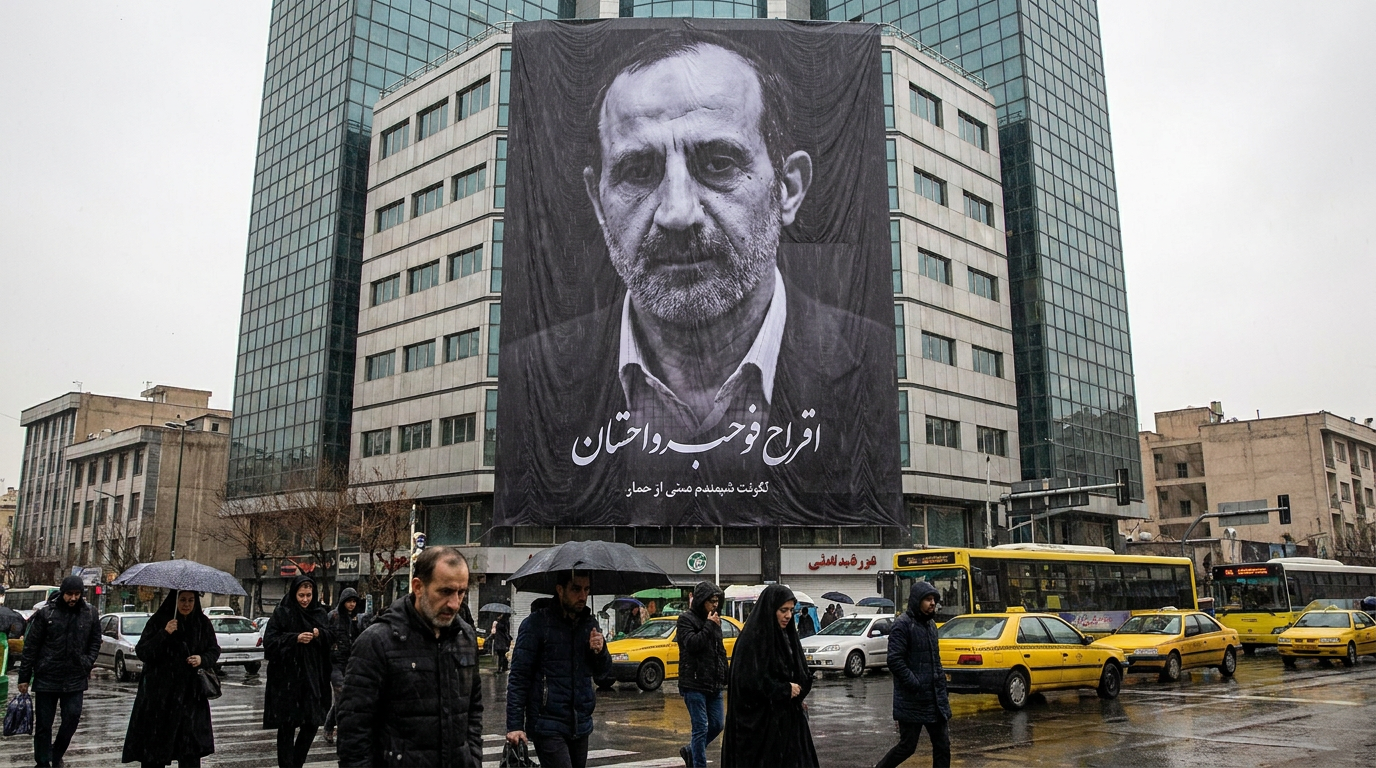
More than four months after a joint U.S.-Israeli airstrike killed Ayatollah Ali Khamenei, Iran has officially scheduled a multi-day state funeral for its late Supreme Leader. The announcement arrives at a pivotal geopolitical moment, as officials in both Washington and Tehran signal that a historic agreement to end the ensuing regional war is imminent.[1][2][6]
Iranian state media confirmed that farewell ceremonies will begin on July 4 in Tehran, followed by processions through the capital and the holy city of Qom. The events will culminate on July 9 with Khamenei's burial at the Imam Reza shrine in the northeastern city of Mashhad. The 86-year-old cleric had led the Islamic Republic for 35 years before his death in the opening salvo of the conflict on February 28.[1][2][7]
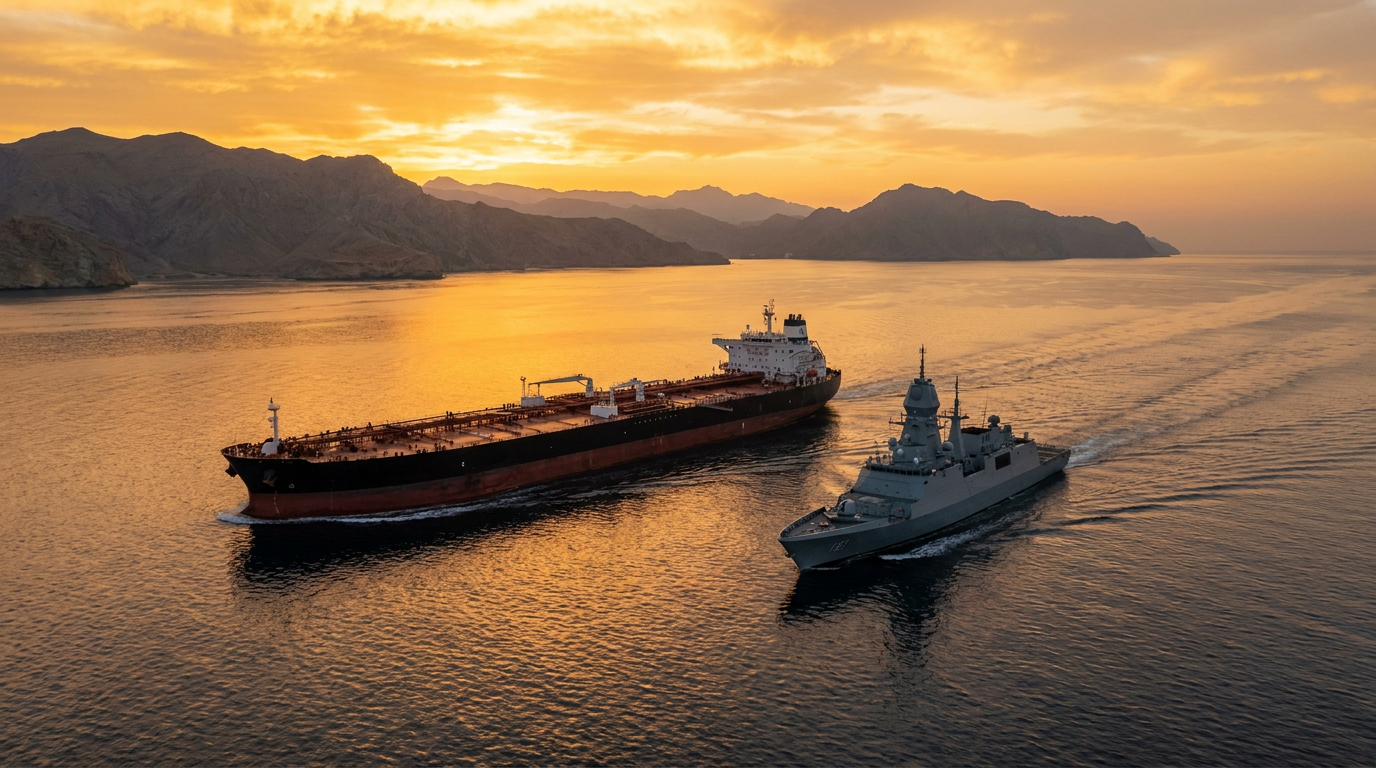
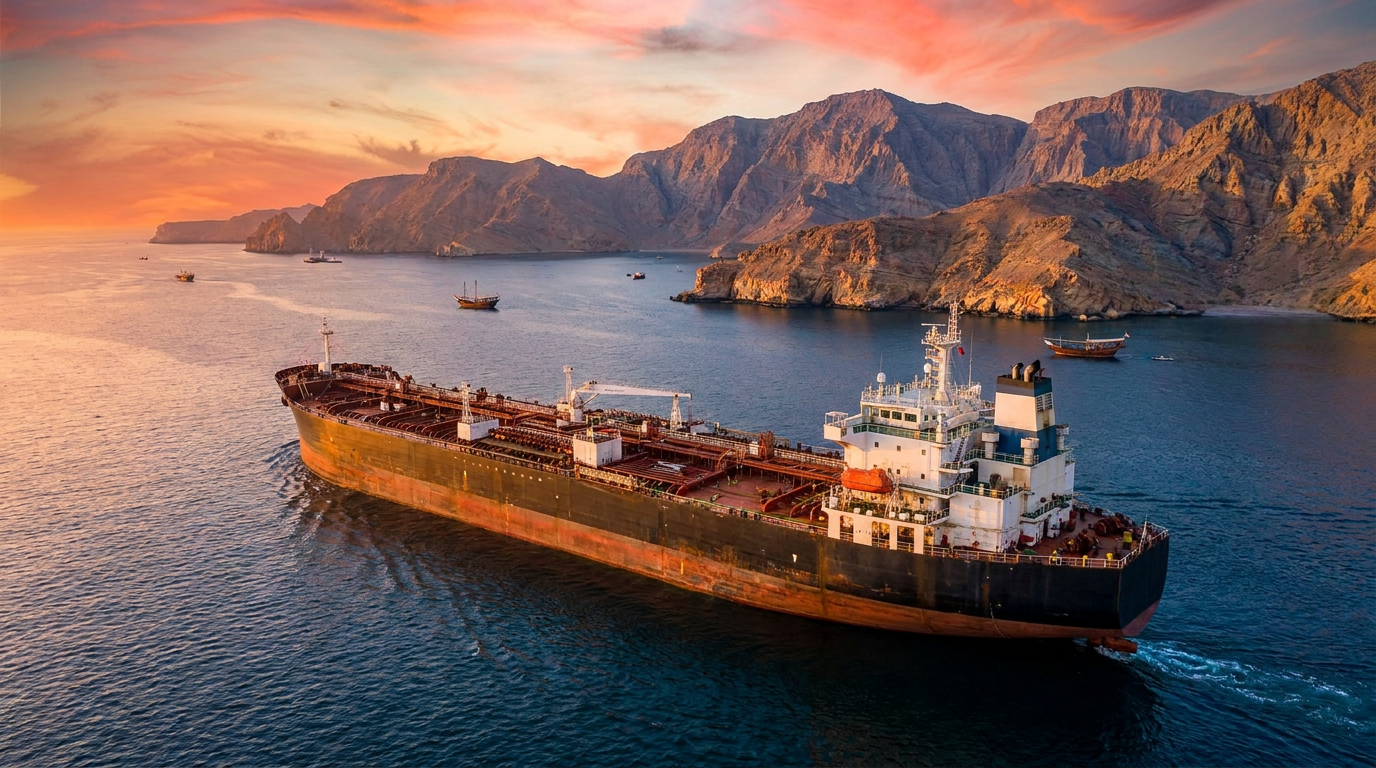
The funeral had been repeatedly postponed due to the ongoing war, which has seen heavy exchanges of fire, a U.S. blockade on Iranian ports, and the virtual shutdown of commercial shipping through the Strait of Hormuz. Now, the scheduling of the massive public mourning period—expected to draw up to 20 million people—coincides with a sudden diplomatic breakthrough.[1][3][6]
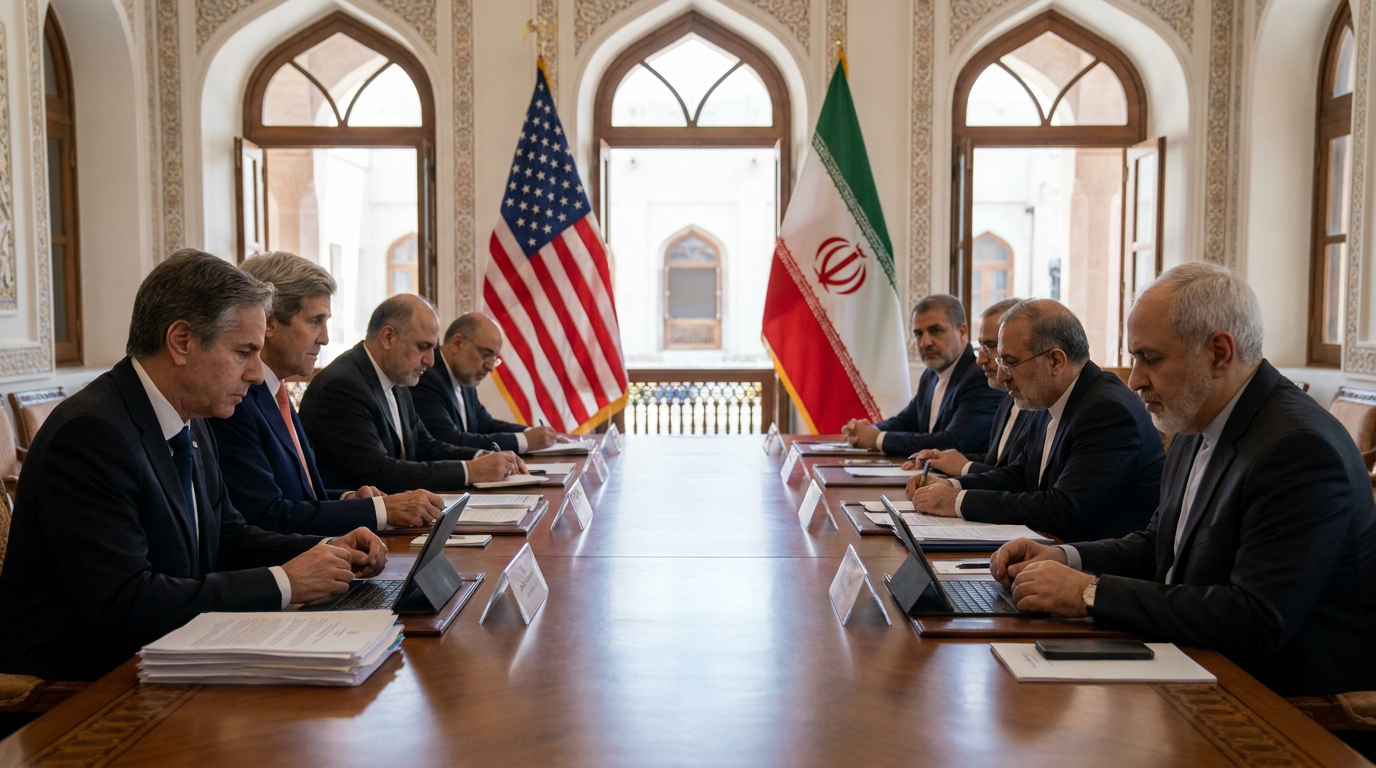
Speaking from the Oval Office, U.S. President Donald Trump announced that negotiators had reached a "great settlement" and that a memorandum of understanding could be signed in Europe within days. In a rare display of alignment, Iranian Foreign Minister Abbas Araghchi posted on social media that an agreement "has never been closer," a message Trump subsequently shared.[3][4][6]

President Donald Trump announced that negotiators had reached a "great settlement" and that a memorandum of understanding could be signed in Europe within days.
The proposed deal reportedly centers on a stark exchange of concessions. The United States would lift its naval blockade, which has redirected at least 136 commercial vessels, and unfreeze Iranian assets. In return, Iran would dismantle its highly enriched uranium stockpiles, submit to a long-term inspection regime, and cease support for regional proxy militias.[3][4]
The diplomatic progress prompted Trump to cancel a planned wave of U.S. military strikes targeting vital Iranian oil infrastructure, including Kharg Island. Trump noted that the Strait of Hormuz, a critical artery for global energy supplies, would reopen as soon as the agreement is finalized, a prospect that immediately sent global markets surging.[3][4][5]

Despite the optimism, skepticism remains high among analysts and observers. Critics point out that Trump has prematurely declared a peace deal imminent dozens of times since the war began, only for talks to stall over enforcement mechanisms. The exact logistics of verifying the destruction of Iran's deeply buried nuclear material remain a significant hurdle.[5]
For Iran, the impending deal is deeply intertwined with its domestic transition. Khamenei's son, Mojtaba, has assumed the role of Supreme Leader. The upcoming funeral processions serve a dual purpose: honoring the slain leader while consolidating the new administration's authority as it navigates the politically fraught terms of the ceasefire.[6][7]
Mediators, including Pakistani Prime Minister Shehbaz Sharif, report that technical-level talks are currently finalizing the paperwork. As the world watches to see if a signing ceremony materializes this weekend, the Middle East braces for a week that could simultaneously mourn the architect of Iran's modern resistance axis and formally end the war his death ignited.[4][6]
How we got here
Feb 28, 2026
Ayatollah Ali Khamenei is killed in a joint U.S.-Israeli airstrike in Tehran, igniting a regional war.
March 2026
Mojtaba Khamenei is appointed as the new Supreme Leader; the U.S. imposes a naval blockade on Iranian ports.
June 11, 2026
President Trump cancels planned strikes on Kharg Island, citing major progress in peace negotiations.
June 13, 2026
Iran officially schedules Khamenei's state funeral for early July as both sides signal a deal is imminent.
Viewpoints in depth
U.S. Administration
Views the deal as a definitive victory that neutralizes Iran's nuclear threat without requiring a prolonged ground war.
U.S. officials, including President Trump and Vice President JD Vance, argue that the proposed agreement achieves Washington's primary strategic goals: permanently dismantling Iran's nuclear enrichment capabilities and securing global energy routes. By leveraging intense military pressure and a crippling naval blockade, the administration claims it has forced Tehran to accept terms that will fundamentally remake the region's security architecture, all while avoiding the domestic political cost of a full-scale ground invasion.
Iranian Leadership
Frames the negotiations as a necessary step to relieve economic strangulation while honoring the late Supreme Leader's legacy.
For Tehran's new leadership under Mojtaba Khamenei, the peace deal is a pragmatic necessity to lift a devastating U.S. blockade and unfreeze billions in assets. Iranian officials are carefully managing the domestic narrative, ensuring that the massive state funeral for Ayatollah Ali Khamenei serves as a display of national resilience. By publicly confirming that an agreement is close, Foreign Minister Abbas Araghchi is signaling to the Iranian public that economic relief is imminent, even as the state mourns its most powerful figure.
Diplomatic Skeptics
Warns that previous declarations of imminent peace have collapsed over enforcement details.
Foreign policy analysts and skeptical observers note a pattern of whiplash in the current conflict, pointing out that the U.S. administration has declared a deal "days away" numerous times since February. These critics emphasize that the hardest part of the agreement—verifying the destruction of deeply buried nuclear material and ensuring Iran genuinely cuts ties with regional proxies—has historically derailed similar pacts. They caution that until the memorandum is signed and the blockade is physically lifted, the risk of sudden military escalation remains high.
What we don't know
- The exact mechanism and timeline for international inspectors to verify the destruction of Iran's nuclear material.
- Whether hardline factions within Iran's military will fully comply with the order to cease support for regional proxies.
- The specific location in Europe where the signing ceremony will take place, if it proceeds this weekend.
Key terms
- Strait of Hormuz
- A narrow, strategically vital waterway between the Persian Gulf and the Gulf of Oman through which a significant portion of the world's oil supply passes.
- Supreme Leader
- The head of state and highest-ranking political and religious authority in the Islamic Republic of Iran.
- Kharg Island
- Iran's primary oil export terminal, located in the Persian Gulf, which handles the vast majority of the country's crude oil exports.
- Highly Enriched Uranium
- Uranium that has been processed to contain a high percentage of the U-235 isotope, making it capable of being used in nuclear weapons.
Frequently asked
When is Ayatollah Khamenei's funeral?
The state funeral ceremonies will begin on July 4 in Tehran and conclude with his burial in Mashhad on July 9.
Why was the funeral delayed for so long?
The funeral was repeatedly postponed due to the intense, ongoing military conflict between Iran, the U.S., and Israel that began following his death in February.
What are the terms of the proposed peace deal?
The U.S. would lift its naval blockade and unfreeze assets, while Iran would dismantle its highly enriched uranium and stop supporting regional proxy groups.
Who is leading Iran now?
Khamenei's son, Mojtaba Khamenei, was appointed as the new Supreme Leader shortly after his father's death.
Sources
Source coverage
7 outlets
3 viewpoints surfaced







[1]Al JazeeraIranian Leadership
Iran announces funeral, burial dates for late Supreme Leader Khamenei
Read on Al Jazeera →[2]Reuters
Iran says funeral for late Supreme Leader Khamenei to begin 4 July, burial set for 9 July
Read on Reuters →[3]Fox NewsU.S. Administration
Trump says Iran deal is nearly complete and could be signed in Europe within days
Read on Fox News →[4]CBS NewsU.S. Administration
Trump says he has canceled planned strikes on Iran and peace deal is near
Read on CBS News →[5]NPRDiplomatic Skeptics
Trump says he has canceled planned strikes on Iran and peace deal is near — again
Read on NPR →[6]Washington PostIranian Leadership
Iran's state-run news agency says funeral processions for former Supreme Leader Ayatollah Ali Khamenei are set for July
Read on Washington Post →[7]Times of Israel
Khamenei was killed in Israeli and US strikes on Iran in February
Read on Times of Israel →
More in news politics
See all 5 stories →Middle East Diplomacy
US and Iran Near Interim Agreement to Halt Hostilities: What the Deal Contains
0 sources
Union Contracts
House Passes Sweeping Labor Bill Mandating Strict Timelines for First Union Contracts
0 sources
US-Iran Deal
US and Iran on the Brink of Historic Interim Peace Agreement to End War
0 sources
Every angle. Every day.
Get news politics stories with full source coverage and perspective breakdowns delivered to your inbox.