
How Hydrogen Trains Are Quietly Replacing Diesel on Rural Railways
Hydrogen-powered trains are emerging as a zero-emission solution for long, non-electrified rail routes, offering the range of diesel without the carbon footprint.
By Factlen Editorial Team
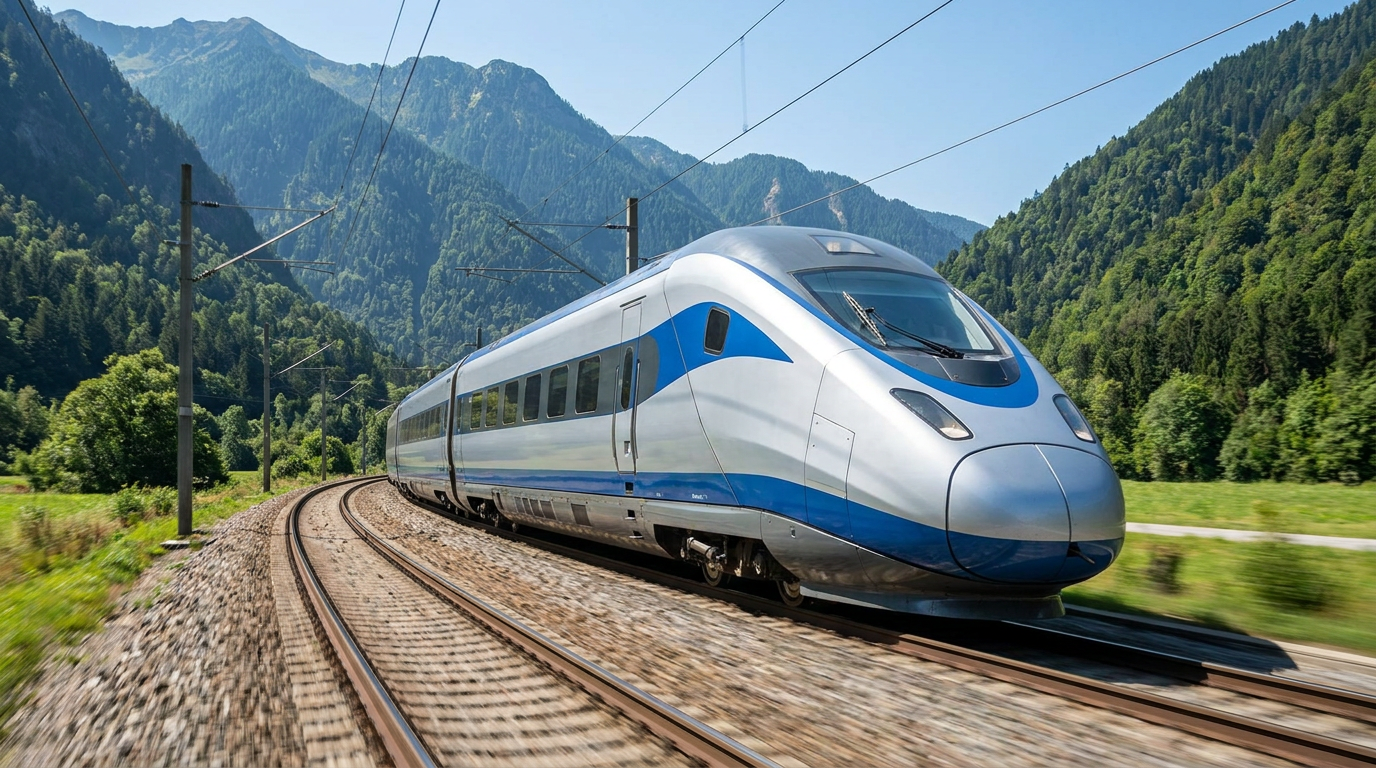
- Hydrogen Innovators
- Argue that hydrogen is the only viable zero-emission solution for long, demanding rural routes where battery range falls short.
- Electrification Purists
- Emphasize the thermodynamic inefficiency of hydrogen conversion, favoring direct overhead wires or battery-electric trains.
- Pragmatic Operators
- Focus on balancing decarbonization mandates with tight budgets, often favoring retrofits and hybrid approaches over wholesale infrastructure replacement.
What's not represented
- · Fossil Fuel Industry Representatives
- · Trackside Community Residents
Why this matters
While high-speed rail is electrified, thousands of miles of rural tracks still rely on highly polluting diesel engines. Hydrogen technology provides a viable, zero-emission alternative that could finally decarbonize the hardest-to-reach segments of the global transit network.
Rail travel has long been the poster child for clean transportation, but a dirty secret lingers at the edges of the network. Across Europe and North America, thousands of regional and rural rail lines remain unelectrified, forcing operators to rely on heavily polluting diesel locomotives. Stringing overhead wires across these remote, low-traffic routes is often prohibitively expensive. To bridge this gap, the rail industry is turning to a futuristic alternative: the hydrogen-powered train, or "hydrail." Emitting nothing but water vapor, these trains promise to decarbonize the hardest-to-reach corners of the railway system [8].[8]
The transition from conceptual engineering to commercial reality has been remarkably swift over the past decade. In 2018, French rail manufacturer Alstom debuted the Coradia iLint, the world's first commercial passenger train powered entirely by hydrogen, which officially began service on a regional line in Lower Saxony, Germany [1]. Since that milestone, the underlying technology has matured rapidly, with major global players like Switzerland's Stadler and Germany's Siemens Mobility entering the fray with their own models. Stadler's FLIRT H2 model recently made international waves by securing orders for deployment in San Bernardino County, California, marking a significant step for hydrogen rail in the United States [5].[1][5]
To truly understand the appeal and the mechanics of hydrail, one must look under the hood of these modern machines. Despite the fiery connotations of the word "hydrogen," most of these trains do not actually burn hydrogen gas in a traditional combustion engine. Instead, they are fundamentally electric trains that generate their own power onboard using highly advanced hydrogen fuel cells [2]. Inside the fuel cell module, pressurized hydrogen gas stored in specialized roof-mounted tanks is continuously combined with oxygen drawn directly from the ambient outside air [3].[2][3]
This chemical reaction, known in the industry as cold combustion, strips electrons from the hydrogen atoms, creating a steady electrical current. Because there is no actual burning of fossil fuels, the only byproducts of this entire electrochemical process are heat and pure water vapor, which is quietly vented from the train's exhaust system into the atmosphere [3]. There is no toxic soot, no carbon monoxide, and no roaring diesel engine noise. For passengers riding inside and for the trackside communities the train passes through, the sensory experience is virtually identical to riding a modern, whisper-quiet electric commuter train [1].[1][3]

Crucially, modern hydrogen trains operate as highly sophisticated hybrid vehicles rather than relying solely on the fuel cell. The electricity generated by the hydrogen reaction does not just flow directly to the wheels; it is managed by an onboard energy system that includes heavy-duty lithium-ion traction batteries [2]. The fuel cell provides a steady, continuous baseline of electrical power, while the battery pack is designed to handle the dynamic, high-energy peaks required for rail travel, such as sudden acceleration out of a station or climbing steep mountainous gradients [2].[2]
This battery system also plays a vital role in capturing regenerative braking energy, a feature common in modern electric vehicles. When the train needs to slow down or descend a hill, the electric traction motors run in reverse, acting as massive generators to feed kinetic energy back into the battery as electricity [5]. This hybrid architecture significantly improves the overall energy efficiency of the train, reduces wear on the mechanical brakes, and drastically lowers the total amount of hydrogen fuel that needs to be stored onboard to complete a route [8].[5][8]
Different rail manufacturers have adopted unique engineering approaches to house this complex, space-consuming equipment without sacrificing passenger capacity. In Alstom's Coradia iLint and Siemens' Mireo Plus H, the heavy fuel cells and high-pressure hydrogen tanks are mounted directly on the reinforced roof of the passenger cars [5]. Stadler, however, opted for a radically different layout for its FLIRT H2 model, placing the entire hydrogen infrastructure inside a dedicated, windowless intermediate power car situated between the standard passenger sections, which keeps the flammable gas completely separated from the passenger cabins [5].[5]
Different rail manufacturers have adopted unique engineering approaches to house this complex, space-consuming equipment without sacrificing passenger capacity.
The primary advantage of hydrogen over pure battery-electric trains is operational range and turnaround time. While lithium-ion battery technology is constantly improving, heavy battery packs still struggle to provide the endurance needed for all-day operation on long, demanding rural routes without frequent recharging stops. A fully fueled Coradia iLint, by contrast, can travel upwards of 1,000 kilometers before needing to refuel, allowing it to seamlessly replace a diesel train on a standard daily timetable [5]. Furthermore, refueling a hydrogen train takes roughly the same amount of time as filling a diesel locomotive, making it highly compatible with existing railway logistics [3].[3][5]
However, the widespread global adoption of hydrail faces significant hurdles, chief among them being the unyielding laws of thermodynamics. Direct electrification—drawing power continuously from overhead catenary wires—remains the undisputed gold standard for rail efficiency. Converting grid electricity into hydrogen via electrolysis, compressing or liquefying it, transporting it to a depot, and then converting it back into electricity onboard the train involves substantial energy conversion losses at every single step [2]. For busy, high-traffic corridors, direct electricity use is simply far more efficient and cheaper to operate [2].[2]

Furthermore, the actual climate benefits of a hydrogen train depend entirely on the supply chain of how the hydrogen fuel is produced. If the fuel is "green hydrogen," created by using renewable wind or solar energy to split water molecules, the entire lifecycle is genuinely zero-carbon [2]. But currently, the vast majority of the world's commercially available hydrogen is "grey hydrogen," produced from natural gas in an industrial process that releases significant carbon dioxide [7]. Until green hydrogen production scales up massively and becomes cost-competitive, the environmental math of hydrail remains complicated [7].[2][7]
Infrastructure costs also pose a formidable, immediate challenge for regional transit authorities. While hydrogen trains save operators the astronomical expense of building hundreds of miles of overhead catenary wires, they require the construction of entirely new, highly specialized refueling stations at the depots [2]. Handling hydrogen requires extreme high-pressure storage tanks, specialized compressors, and rigorous safety protocols to prevent leaks. This demands heavy upfront capital investment from local governments before a single passenger can even board the train [3].[2][3]

These harsh economic realities have sparked a lively debate within the rail industry, with some early adopters expressing newfound skepticism. In Bavaria, Germany, transport officials are moving forward with expanding a hydrogen train pilot program for 2026, but the state's transport minister has publicly stated a strong preference for battery-electric trains [4]. Citing the high procurement costs and occasional operational breakdowns of the early hydrogen models, Bavaria is increasingly pivoting toward battery trains that can simply recharge on the partially electrified stretches of their existing track network [4].[4]
Despite these regional debates, targeted deployments of hydrogen rail are accelerating globally as the technology proves its viability. Italy is set to launch its very first fleet of hydrogen trains in the Lombardy region in 2025, utilizing Alstom's advanced Coradia Stream H platform to decarbonize local transit [1]. Spain is also conducting extensive field trials in its mountainous provinces, aiming to launch commercial hydrogen rail service by the end of 2026 to finally eliminate diesel reliance on its most remote, hard-to-electrify rural networks.[1]
In France, the national railway company SNCF is exploring a highly pragmatic middle ground to manage the transition. Rather than purchasing entirely new, expensive hydrogen fleets from scratch, SNCF is investigating the feasibility of retrofitting its existing dual-mode regional trains. By carefully removing the aging diesel combustion engines and replacing them with modern hydrogen fuel cell propulsion systems, operators hope to extend the lifespan of their current rolling stock while still meeting aggressive national decarbonization targets by the end of the decade [6].[6]

Ultimately, hydrogen is highly unlikely to ever replace overhead electric wires on the world's busiest, high-speed rail arteries. Instead, it is rapidly emerging as a highly specialized, precision tool for specific transit corridors. For long-distance regional routes where continuous electrification is economically unviable and current battery range falls short, the hydrogen fuel cell offers a compelling, zero-emission bridge to the future of sustainable transit [2]. As green hydrogen production scales and infrastructure costs stabilize, hydrail stands poised to quietly eliminate the last vestiges of diesel from the global railway network [9].[2][9]
How we got here
2003
The term 'hydrail' is coined to describe the future of hydrogen-powered rail transport.
2016
Alstom unveils the Coradia iLint, the world's first hydrogen fuel cell passenger train, at the InnoTrans exhibition in Berlin.
2018
The Coradia iLint enters commercial passenger service on a regional line in Lower Saxony, Germany.
2022
Stadler debuts the FLIRT H2 hydrogen train, featuring a unique intermediate power car design, destined for California.
2025
Italy is scheduled to launch its first fleet of hydrogen trains in the Lombardy region.
2026
Bavaria plans to expand its hydrogen train trials, while France aims to introduce retrofitted dual-mode hydrogen trains.
Viewpoints in depth
Hydrogen Innovators
Argue that hydrogen is the only viable zero-emission solution for long, demanding rural routes where battery range falls short.
Proponents of hydrail, including major manufacturers like Alstom and Stadler, view hydrogen fuel cells as the missing puzzle piece in global rail decarbonization. They argue that while battery technology is improving, the sheer weight and limited energy density of lithium-ion batteries make them unsuitable for long-distance regional routes that require all-day operation without charging interruptions. By offering a range of up to 1,000 kilometers and fast refueling times comparable to diesel, hydrogen trains allow operators to maintain their existing timetables and logistics while completely eliminating tailpipe emissions.
Electrification Purists
Emphasize the thermodynamic inefficiency of hydrogen conversion, favoring direct overhead wires or battery-electric trains.
Energy analysts and some transit officials caution against viewing hydrogen as a silver bullet, pointing to the unyielding laws of thermodynamics. Converting grid electricity into hydrogen, compressing it, and then converting it back into electricity onboard the train results in massive energy losses—often yielding an end-to-end efficiency of less than 40%. Purists argue that direct electrification via overhead wires, which boasts an efficiency of roughly 80%, should always be the priority. Where wires are impossible, they increasingly favor battery-electric trains that can recharge on partially electrified track segments, arguing this approach is cheaper and wastes far less energy.
Pragmatic Operators
Focus on balancing decarbonization mandates with tight budgets, often favoring retrofits and hybrid approaches over wholesale infrastructure replacement.
For national railway companies and regional transit authorities, the hydrogen debate is primarily an economic one. Tasked with meeting aggressive government climate targets on tight budgets, these operators are wary of the astronomical costs associated with building entirely new hydrogen refueling infrastructure and purchasing brand-new train fleets. Consequently, operators like France's SNCF are heavily exploring retrofit programs—removing aging diesel engines from existing trains and replacing them with hydrogen propulsion systems. This pragmatic approach allows them to extend the lifespan of their current rolling stock while steadily transitioning away from fossil fuels.
What we don't know
- How quickly the global production of genuinely 'green hydrogen' can scale to meet the demands of the transportation sector.
- Whether future breakthroughs in solid-state battery technology will eventually render hydrogen trains obsolete for regional routes.
Key terms
- Hydrail
- A generic term for any rail vehicle that uses onboard hydrogen fuel as a source of energy to power its traction motors.
- Fuel Cell
- A device that generates electricity through an electrochemical reaction, typically combining hydrogen and oxygen, with water and heat as the only byproducts.
- Green Hydrogen
- Hydrogen produced by splitting water molecules using electrolysis powered entirely by renewable energy sources like wind or solar.
- Grey Hydrogen
- Hydrogen produced from natural gas or methane using steam reforming, a process that releases significant carbon dioxide emissions.
- Regenerative Braking
- An energy recovery mechanism that slows a vehicle by converting its kinetic energy into electrical energy, which is then stored in a battery.
Frequently asked
Do hydrogen trains burn fuel like diesel engines?
No. Most hydrogen trains use fuel cells to combine hydrogen and oxygen, creating electricity through a chemical reaction rather than combustion.
Are hydrogen trains completely zero-emission?
At the point of use, they emit only water vapor. However, their true climate impact depends on whether the hydrogen is produced using renewable energy (green hydrogen) or fossil fuels (grey hydrogen).
Why not just use battery-powered trains?
While battery trains are highly efficient, heavy battery packs currently lack the range for all-day operation on long rural routes. Hydrogen trains can travel up to 1,000 kilometers on a single refueling.
Sources
Source coverage
9 outlets
3 viewpoints surfaced









[1]AlstomHydrogen Innovators
Coradia iLint™ the world's 1st hydrogen powered train
Read on Alstom →[2]IlluminemElectrification Purists
Hydrogen trains: the diesel replacement problem
Read on Illuminem →[3]MDPIPragmatic Operators
The Advantages of Hydrogen-Powered Trains
Read on MDPI →[4]MarketScreenerElectrification Purists
Bavaria to Expand Hydrogen Train Trials from 2026
Read on MarketScreener →[5]RollingStockWorldHydrogen Innovators
InnoTrans 2022: new hydrogen and battery trains
Read on RollingStockWorld →[6]Hydrogen TodayHydrogen Innovators
Hydrogen trains are not called into question
Read on Hydrogen Today →[7]PirelliElectrification Purists
The three advantages of using hydrogen as a fuel
Read on Pirelli →[8]WikipediaPragmatic Operators
Hydrail
Read on Wikipedia →[9]Factlen Editorial TeamPragmatic Operators
Synthesis by Factlen editorial team
Read on Factlen Editorial Team →
Every angle. Every day.
Get automotive stories with full source coverage and perspective breakdowns delivered to your inbox.