
How Deep Sleep Clears Brain Toxins: The Science of the Glymphatic System
Recent neurobiological research reveals that slow-wave sleep acts as a biological dishwasher, activating the glymphatic system to flush metabolic waste from the brain. Understanding this mechanism offers actionable ways to protect long-term cognitive health.
By Factlen Editorial Team
- Neurobiology Researchers
- Focused on mapping the exact cellular mechanisms of the glymphatic system to develop targeted pharmaceutical treatments for neurodegenerative diseases.
- Preventative Health Advocates
- Emphasize actionable lifestyle interventions, such as sleep hygiene and exercise, to maximize natural brain clearance and delay cognitive decline.
- Public Health Officials
- View chronic sleep deprivation as a population-level crisis contributing to the rising global burden of dementia and mental health disorders.
What's not represented
- · Shift workers and individuals with chronic insomnia who cannot easily modify their sleep schedules.
- · Pharmaceutical companies developing drugs to artificially stimulate glymphatic clearance.
Why this matters
Most people view sleep simply as a period of passive rest, but it is actually a highly active state of neurological maintenance. Optimizing the specific phase of sleep where brain clearance occurs can significantly reduce the risk of neurodegenerative diseases and improve daily cognitive function.
Key points
- The glymphatic system flushes toxic metabolic waste from the brain using cerebrospinal fluid.
- This clearance process is highly active during slow-wave (deep) sleep and nearly stops during wakefulness.
- Brain cells physically shrink by up to 60% during deep sleep to allow fluid to wash through.
- Failure to clear proteins like amyloid-beta is strongly linked to Alzheimer's and cognitive decline.
- Cardiovascular exercise and consistent sleep schedules enhance the brain's natural wash cycle.
- Alcohol consumption before bed suppresses deep sleep, bypassing this critical neurological maintenance.
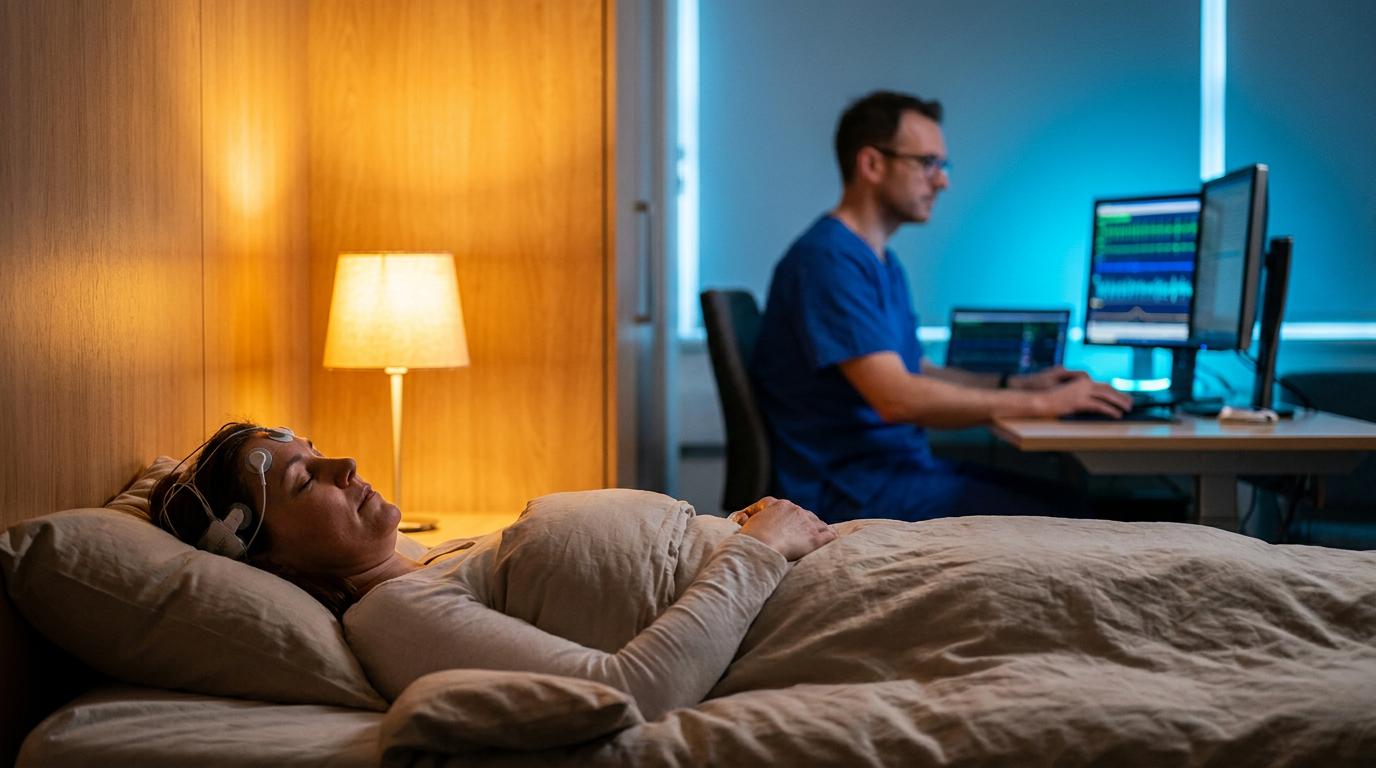
The feeling of waking up refreshed isn't just a subjective mood boost; it is the result of a literal, physical cleaning process inside the skull. For decades, scientists understood that sleep was essential for memory consolidation and metabolic rest. However, the exact mechanical reason why prolonged wakefulness causes brain fog—and eventually neurological damage—remained one of biology's most stubborn mysteries. It was clear that the brain needed downtime, but the physical mechanism of that restoration was largely invisible to early imaging technology.[1][2]
The breakthrough came with the discovery of the glymphatic system, a macroscopic waste clearance network that utilizes the brain's unique architecture. Unlike the rest of the body, the central nervous system lacks a traditional lymphatic system to clear out cellular exhaust. Instead, the brain relies on cerebrospinal fluid (CSF) to wash away the toxic byproducts of daytime neural activity. This specialized plumbing system operates almost exclusively when the body is in a state of deep unconsciousness.[2][3]
During waking hours, brain cells are tightly packed together, leaving very little room for fluid to circulate. The brain is highly active, burning through immense amounts of energy and producing metabolic waste, including proteins like amyloid-beta and tau. As these proteins accumulate throughout the day, they create the cognitive sluggishness commonly referred to as "brain fog." The awake brain is so focused on processing sensory input and executing commands that it defers the cleanup process.[3][4]
The magic happens when the body enters slow-wave sleep, also known as deep sleep. As the brain transitions into this state, the glial cells—which act as the brain's structural support—physically shrink. This cellular contraction expands the interstitial space between brain cells by up to 60 percent, fundamentally altering the physical landscape of the brain tissue to prepare for the nightly wash cycle.[2][3]

With the floodgates opened, cerebrospinal fluid rushes through the brain tissue. Driven by the rhythmic pulsing of arterial blood vessels, this fluid sweeps through the expanded spaces, collecting the accumulated metabolic waste. It acts much like a biological dishwasher, flushing the toxins out of the brain and into the body's circulatory system, where the liver and kidneys can eventually process and eliminate them.[1][3]
One of the primary targets of this nightly wash cycle is amyloid-beta. This sticky protein is a normal byproduct of neuronal function, but if left to accumulate, it can form the plaques heavily associated with Alzheimer's disease and other forms of dementia. Studies have shown that a single night of severe sleep deprivation can lead to a measurable spike in amyloid-beta burden in the brain, underscoring the immediate consequences of missing this clearance window.[3][4]
It is crucial to note that not all sleep phases trigger this clearance equally. The glymphatic system is most active during non-rapid eye movement (NREM) stage 3 sleep—the deepest phase of rest. During REM sleep, when dreaming occurs and brain activity more closely resembles wakefulness, the clearance rate drops significantly. Therefore, total sleep time is less important than the specific architecture and depth of that sleep.[4][5]

It is crucial to note that not all sleep phases trigger this clearance equally.
As humans age, the efficiency of the glymphatic system naturally declines. Older adults typically experience a reduction in slow-wave sleep, which in turn diminishes the brain's ability to clear metabolic waste. This age-related decline in deep sleep is now viewed by neurologists not just as a symptom of aging, but as a critical, modifiable risk factor for cognitive impairment and neurodegeneration.[4][6]
Fortunately, the glymphatic system is highly responsive to lifestyle interventions. Cardiovascular exercise, particularly moderate-intensity aerobic activity, has been shown to enhance glymphatic flow by improving vascular health and arterial pulsatility. The stronger and more elastic the cardiovascular system, the more effectively it can pump cerebrospinal fluid through the brain's intricate pathways during sleep.[1][5]
Conversely, certain habits can severely disrupt this delicate process. Alcohol consumption, especially close to bedtime, is notorious for suppressing slow-wave sleep. While a nightcap may help initiate unconsciousness, it fundamentally alters the sleep architecture, keeping the brain trapped in lighter stages of rest and effectively bypassing the critical wash cycle when the brain needs it most.[4][5]
Interestingly, emerging research suggests that physical sleep position may also influence glymphatic efficiency. Animal studies indicate that sleeping in the lateral position (on the side) optimizes the clearance of brain waste compared to sleeping on the back or stomach. While human trials are still ongoing to confirm the exact magnitude of this effect, side-sleeping appears to align best with the natural anatomical pathways of cerebrospinal fluid flow.[2][5]

The timing of sleep is just as important as the duration and position. The glymphatic system is tightly regulated by circadian rhythms. Irregular sleep schedules, shift work, and chronic jet lag can desynchronize the brain's internal clock, reducing the effectiveness of the nightly clearance process even if the total hours of sleep remain adequate. Consistency is key to allowing the brain to anticipate and execute the wash cycle.[5][6]
The discovery of the glymphatic system has opened entirely new avenues for neuropharmacology and preventative medicine. Researchers are currently investigating drugs and non-invasive neuromodulation techniques that could artificially enhance glymphatic flow or trigger glial cell shrinkage. These innovations could eventually offer groundbreaking new treatments for traumatic brain injury, stroke recovery, and early-stage neurodegenerative diseases.[2][4]
Despite the rapid progress in this field, several questions remain at the frontier of neuroscience. Scientists are still mapping the exact microscopic exit routes by which cerebrospinal fluid leaves the skull and enters the peripheral lymphatic system. Additionally, the precise relationship between impaired glymphatic clearance and psychiatric conditions like severe depression and anxiety is an area of active, ongoing investigation.[1][6]
For the general public, the science of the glymphatic system underscores a profound shift in how we view rest. Sleep is not a passive state of inactivity, but an active, non-negotiable biological requirement for long-term brain health. Prioritizing 7 to 9 hours of quality sleep, minimizing late-night alcohol, and maintaining cardiovascular fitness are the most effective tools currently available to keep the brain's clearance system functioning optimally.[1][4][5]
How we got here
2012
The term 'glymphatic system' is coined by researchers at the University of Rochester Medical Center.
2013
A landmark study published in Science demonstrates that sleep drives metabolite clearance in mice.
2019
Researchers capture the first MRI and EEG evidence of the glymphatic wash cycle occurring in sleeping humans.
2024
Advanced imaging techniques begin mapping the precise exit routes of cerebrospinal fluid into the body's lymphatic system.
Viewpoints in depth
Neurobiology Researchers
Focused on the mechanical discovery and the potential for pharmacological interventions.
For neurobiologists, the discovery of the glymphatic system represents a paradigm shift in understanding neurodegenerative diseases. Rather than viewing Alzheimer's solely as a problem of protein overproduction, researchers now see it as a failure of waste clearance. This camp is heavily invested in mapping the exact cellular triggers that cause glial cells to shrink, with the ultimate goal of developing drugs that can artificially induce this wash cycle in patients who suffer from chronic sleep disruptions or age-related glymphatic decline.
Preventative Health Advocates
Emphasize lifestyle changes as the primary way to leverage this science today.
Preventative health experts view the glymphatic system as the ultimate biological argument for strict sleep hygiene. Because pharmaceutical interventions are still years away, this camp stresses that the only proven way to activate brain clearance is through natural slow-wave sleep. They advocate for public education around the dangers of late-night alcohol, the necessity of cardiovascular exercise to improve arterial pulsatility, and the importance of treating sleep apnea, framing sleep not as a luxury, but as non-negotiable neurological maintenance.
Public Health Officials
Concerned with the societal impact of chronic sleep deprivation on global cognitive health.
From a public health perspective, the mechanics of the glymphatic system highlight a looming crisis. With modern lifestyles, shift work, and digital environments drastically reducing the average population's deep sleep, officials warn of a corresponding surge in dementia and mental health disorders. This viewpoint argues for systemic changes—such as later school start times, stricter regulations on shift work hours, and urban planning that reduces nighttime noise pollution—to protect the population's ability to achieve restorative brain clearance.
What we don't know
- The exact microscopic pathways by which cerebrospinal fluid exits the skull and drains into the peripheral lymphatic system.
- Whether artificially inducing the glymphatic wash cycle with drugs can reverse existing amyloid-beta plaques in humans.
- The precise degree to which sleep position (like side-sleeping) impacts clearance rates in human adults compared to animal models.
Key terms
- Glymphatic System
- The macroscopic waste clearance system of the central nervous system that activates primarily during sleep.
- Cerebrospinal Fluid (CSF)
- The clear fluid surrounding the brain and spinal cord that acts as the cleaning agent for metabolic waste.
- Amyloid-Beta
- A metabolic waste protein that, if not cleared properly, can clump together and form plaques associated with Alzheimer's disease.
- Slow-Wave Sleep
- The deepest phase of non-rapid eye movement (NREM) sleep, crucial for physical restoration and brain clearance.
- Glial Cells
- Non-neuronal cells in the brain that provide support and protection, and which shrink during sleep to allow fluid to flow.
Frequently asked
Can I catch up on missed deep sleep on the weekends?
While you can recover some sleep debt, chronic sleep deprivation causes metabolic waste to accumulate daily. Consistent nightly sleep is far more effective for brain clearance than weekend binge-sleeping.
Do sleeping pills help the glymphatic system?
Most common sedative-hypnotic sleeping pills induce a state of unconsciousness that does not perfectly replicate natural slow-wave sleep, potentially reducing the efficiency of the wash cycle.
How does sleep apnea affect brain clearance?
Sleep apnea repeatedly pulls individuals out of deep sleep to restore breathing, severely fragmenting the sleep architecture and interrupting the glymphatic clearance process.
Sources
Source coverage
6 outlets
3 viewpoints surfaced






[1]Factlen Editorial TeamPreventative Health Advocates
Synthesis by Factlen editorial team
Read on Factlen Editorial Team →[2]National Institutes of HealthNeurobiology Researchers
The Glymphatic System: A Beginner's Guide
Read on National Institutes of Health →[3]ScienceNeurobiology Researchers
Sleep drives metabolite clearance from the adult brain
Read on Science →[4]Harvard Medical SchoolPreventative Health Advocates
The Crucial Relationship Between Sleep and Brain Health
Read on Harvard Medical School →[5]Sleep Research SocietyNeurobiology Researchers
Slow-wave sleep and the glymphatic system
Read on Sleep Research Society →[6]World Health OrganizationPublic Health Officials
Mental health, cognitive decline, and sleep quality
Read on World Health Organization →

More in health
See all 5 stories →Treatment Evidence
How Physical Activity is Becoming a Primary Prescription for Depression and Anxiety
6 sources

Metabolic Health
The Science of Zone 2: Why the Ultimate Longevity Workout Feels Surprisingly Easy
7 sources

Regenerative Dentistry
World's First Tooth-Regrowth Drug Advances to Phase II Clinical Trials
6 sources
Every angle. Every day.
Get health stories with full source coverage and perspective breakdowns delivered to your inbox.