
US and Iran on Brink of Historic Peace Deal as Israeli Strikes in Beirut Threaten Ceasefire
President Trump announced a US-Iran peace agreement is set to be signed Sunday to end the 100-day war, though deadly Israeli airstrikes in Lebanon have complicated the final hours of negotiations.
By Factlen Editorial Team
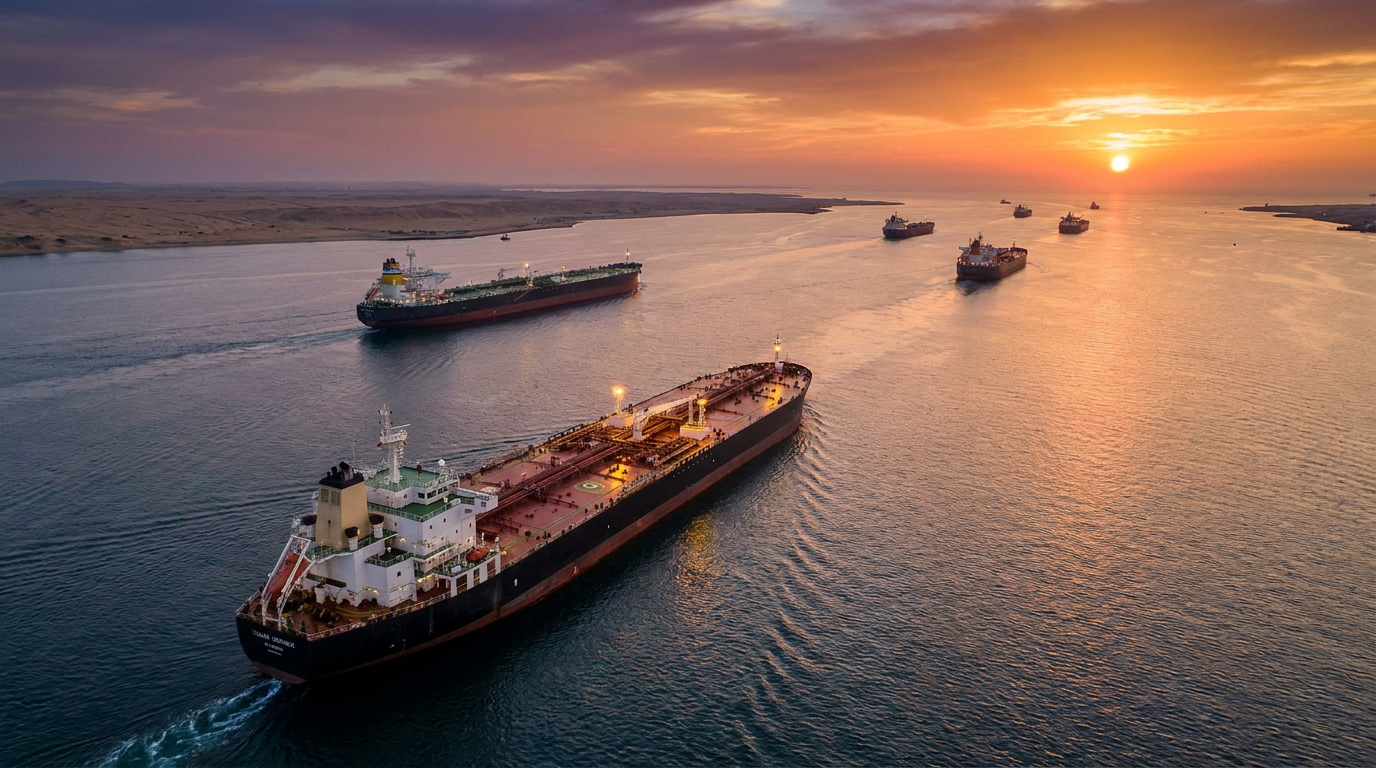
- US Administration
- Eager to finalize the peace deal to reopen global shipping lanes and claim a historic diplomatic victory over Iran's nuclear program.
- Israeli Government
- Deeply skeptical of the agreement, feeling sidelined, and determined to maintain military pressure on Iranian proxies like Hezbollah.
- Iranian Hardliners
- Opposed to the concessions, viewing the deal as a capitulation that surrenders leverage over the Strait of Hormuz without sufficient guarantees.
- International Mediators
- Focused on de-escalation, finalizing the technical steps of the treaty, and preventing regional skirmishes from collapsing the pact.
What's not represented
- · Lebanese Civilians
- · Global Shipping Industry
Why this matters
If finalized, this treaty would end a 100-day war, neutralize the threat of a nuclear-armed Iran, and reopen the Strait of Hormuz—a move that would immediately stabilize global oil prices and shipping routes. However, its collapse could plunge the Middle East into a wider, more devastating regional conflict.
Key points
- President Trump announced a US-Iran peace deal is scheduled to be signed Sunday, ending a 100-day military conflict.
- The agreement would unfreeze $24 billion in Iranian assets and lift oil sanctions in exchange for Iran abandoning its nuclear weapons program.
- The deal mandates the immediate reopening of the Strait of Hormuz, a critical chokepoint for global oil shipments.
- Hours before the expected signing, Israel launched deadly airstrikes on Hezbollah targets in Beirut, killing at least three people.
- Israeli officials, who feel sidelined by the US-brokered talks, stated the strikes were a necessary response to Hezbollah drone attacks.
- Iranian hardliners are using the Beirut strikes to push for a rejection of the deal, threatening retaliation and warning the talks may collapse.
After more than 100 days of direct military conflict, the United States and Iran are on the verge of signing a historic peace agreement brokered by Pakistan. US President Donald Trump announced that the final memorandum of understanding is scheduled to be signed on Sunday, marking an end to hostilities and paving the way for the immediate reopening of the Strait of Hormuz to international shipping.[1][4]
However, the fragile diplomatic breakthrough faces an immediate crisis. Hours before the expected signing, Israeli forces launched deadly airstrikes on the southern suburbs of Beirut, Lebanon. The strikes targeted a five-story apartment building, killing at least three people and wounding 16 others, according to the Lebanese health ministry.[2][6]
The sudden escalation drew a rare public rebuke from the US President, who has been pushing heavily for the treaty's completion. Trump took to social media to urge restraint from all parties, warning that the region was "very close to a Deal" and pleading with the combatants, "Let's not blow it!"[2][5]
The core terms of the proposed agreement offer significant concessions from both sides. According to draft details, the US will immediately unfreeze $24 billion in Iranian assets, lift crippling sanctions on Iran's oil and petrochemical exports, and end the naval blockade of Iranian ports. In exchange, Iran has agreed to permanently abandon its pursuit of a nuclear weapon and lift its own blockade of the Strait of Hormuz, a critical artery for the global economy.[1][4]

Addressing Iran's existing nuclear infrastructure, Trump stated that the US intends to extract and destroy Iran's highly enriched uranium "at an appropriate time." The president suggested that US B-2 bombers would eventually be used to retrieve the nuclear material buried deep in underground granite facilities so it can be downblended and destroyed, though no specific timeline was provided for this operation.[4]
The diplomatic heavy lifting has been led by Pakistan, which stepped in as the primary mediator after months of stalled talks. Pakistani Prime Minister Shehbaz Sharif confirmed that the final text had been agreed upon and that his government was preparing the infrastructure for an electronic signing, which is expected to be followed by technical-level talks next week.[1][4]
The diplomatic heavy lifting has been led by Pakistan, which stepped in as the primary mediator after months of stalled talks.
Despite the optimism in Washington and Islamabad, the Israeli government remains deeply opposed to the framework. Sidelined during the negotiations, Israeli Prime Minister Benjamin Netanyahu has defied US pressure to halt military operations in Lebanon. Netanyahu's office stated that the Beirut strikes were a necessary response to Hezbollah launching three projectiles into northern Israel, asserting that Israel will not tolerate fire on its territory regardless of the broader peace talks.[2][6]
The conflict in Lebanon remains a major sticking point. Iranian negotiators have insisted that a ceasefire in Lebanon must be included in the final US-Iran deal. Israeli troops have pushed their ground invasion deeper into southern Lebanon than at any point in the last quarter-century, and it remains unclear if the proposed treaty mandates an Israeli withdrawal.[2]

Resistance to the deal is also mounting within Iran. Hardline political figures are mounting a vociferous campaign to reject the agreement, arguing that the terms amount to capitulation. They contend that reopening the Strait of Hormuz deprives Tehran of its most potent geopolitical leverage, while expressing deep skepticism that the US will actually deliver on the promised sanctions relief.[3]
The Israeli strike on Beirut has only emboldened these hardline voices. Following the attack, Brigadier General Mohammad Jafar Asadi, a senior Iranian military commander, warned that the bombing would not go "unanswered." Meanwhile, Iranian chief negotiator Mohammad Bagher Ghalibaf suggested there was "no point" in continuing talks with Washington if Israeli strikes on Lebanese allies continue unabated.[7]

The stakes for the global economy are monumental. The effective closure of the Strait of Hormuz over the past three months has rocked international markets, disrupting shipments of oil, natural gas, and fertilizer. Reopening the waterway is a top priority for the US and its allies, with the issue expected to dominate the upcoming Group of Seven summit.[2][4]
As the Sunday deadline approaches, the international community is watching to see if the electronic signing will proceed. Mediators are working frantically to prevent the latest cross-border violence from collapsing the 100-day ceasefire effort, hoping that the promise of economic relief and regional stability will outweigh the immediate calls for retaliation.[1][7]
How we got here
March 2026
The US and Israel launch strikes against Iran, sparking a direct military conflict.
April 7, 2026
A tenuous temporary ceasefire takes hold as back-channel negotiations begin.
May 24, 2026
Reports emerge that the US and Iran are nearing a broader peace agreement.
June 13, 2026
Trump announces the deal is finalized and scheduled for a Sunday signing.
June 14, 2026
Israel strikes Beirut suburbs, prompting Iranian threats of retaliation hours before the signing.
Viewpoints in depth
US Administration
Believes the deal achieves the ultimate goal of preventing a nuclear-armed Iran while restoring global economic stability.
Washington views the agreement as a historic diplomatic victory that neutralizes the Iranian nuclear threat without prolonged ground warfare. By securing the reopening of the Strait of Hormuz, the administration aims to stabilize global energy markets and claim a major foreign policy win, arguing that the unfreezing of assets is a necessary and proportionate concession.
Israeli Government
Views the agreement as a dangerous concession that enriches Tehran without dismantling its proxy networks.
Israeli officials feel deeply sidelined by the Pakistan-brokered negotiations. They argue that unfreezing $24 billion will only allow Iran to rearm proxy groups like Hezbollah and Hamas. Consequently, Prime Minister Benjamin Netanyahu has maintained that Israel will not be bound by the US timeline and reserves the right to strike threats in Lebanon and elsewhere to ensure its own security.
Iranian Hardliners
Argues that lifting the blockade on the Strait of Hormuz surrenders Iran's primary geopolitical leverage.
Conservative factions in Tehran are mounting a fierce campaign against the treaty, framing it as a capitulation. They argue that giving up control of the Strait of Hormuz removes their strongest deterrent against future Western aggression. Furthermore, they express deep skepticism that the US will permanently honor the sanctions relief, pointing to past broken agreements.
What we don't know
- Whether the Israeli strikes in Beirut will cause Iran to officially pull out of the Sunday signing ceremony.
- The exact timeline and logistical mechanism for the US to extract and destroy Iran's highly enriched uranium.
- Whether the final text of the agreement mandates any withdrawal of Israeli ground troops from southern Lebanon.
Key terms
- Strait of Hormuz
- A crucial shipping chokepoint between the Persian Gulf and the Gulf of Oman, through which a significant portion of the world's oil passes.
- Hezbollah
- A heavily armed, Iran-backed political and militant group based in Lebanon.
- Downblending
- The process of reducing the concentration of the fissile isotope in enriched uranium, rendering it unusable for nuclear weapons.
Frequently asked
What are the terms of the US-Iran peace deal?
The US will unfreeze $24 billion in Iranian assets and lift oil sanctions, while Iran agrees to halt its nuclear weapons program and reopen the Strait of Hormuz.
Why did Israel strike Beirut?
Israel stated the strikes targeted Hezbollah command centers in response to drone and projectile attacks on northern Israel.
Who is brokering the agreement?
Pakistan has served as the lead mediator, with Prime Minister Shehbaz Sharif coordinating the final text and electronic signing.
How will the US handle Iran's nuclear material?
President Trump stated the US plans to eventually extract and destroy Iran's highly enriched uranium, though the exact timeline remains unspecified.
Sources
Source coverage
7 outlets
4 viewpoints surfaced







[1]ForbesUS Administration
U.S.-Iran Peace Deal Expected To Be Signed Sunday, Trump Says
Read on Forbes →[2]The Washington PostIsraeli Government
Israeli strikes Beirut suburbs ahead of anticipated U.S.-Iran deal
Read on The Washington Post →[3]The GuardianIranian Hardliners
Iranian hardliners in vociferous push to reject proposed peace deal with US
Read on The Guardian →[4]CBS NewsUS Administration
Iran peace deal to be signed Sunday and strait reopened immediately, Trump says
Read on CBS News →[5]Al JazeeraInternational Mediators
Trump condemns Israel attack on Beirut, says Iran deal still close
Read on Al Jazeera →[6]BBCIsraeli Government
Lebanon says three killed in Israeli strike on Beirut suburb
Read on BBC →[7]Channel News AsiaIranian Hardliners
Israel strikes Beirut suburbs, Iran warns of response
Read on Channel News Asia →
More in news politics
See all 9 stories →Electoral Reform
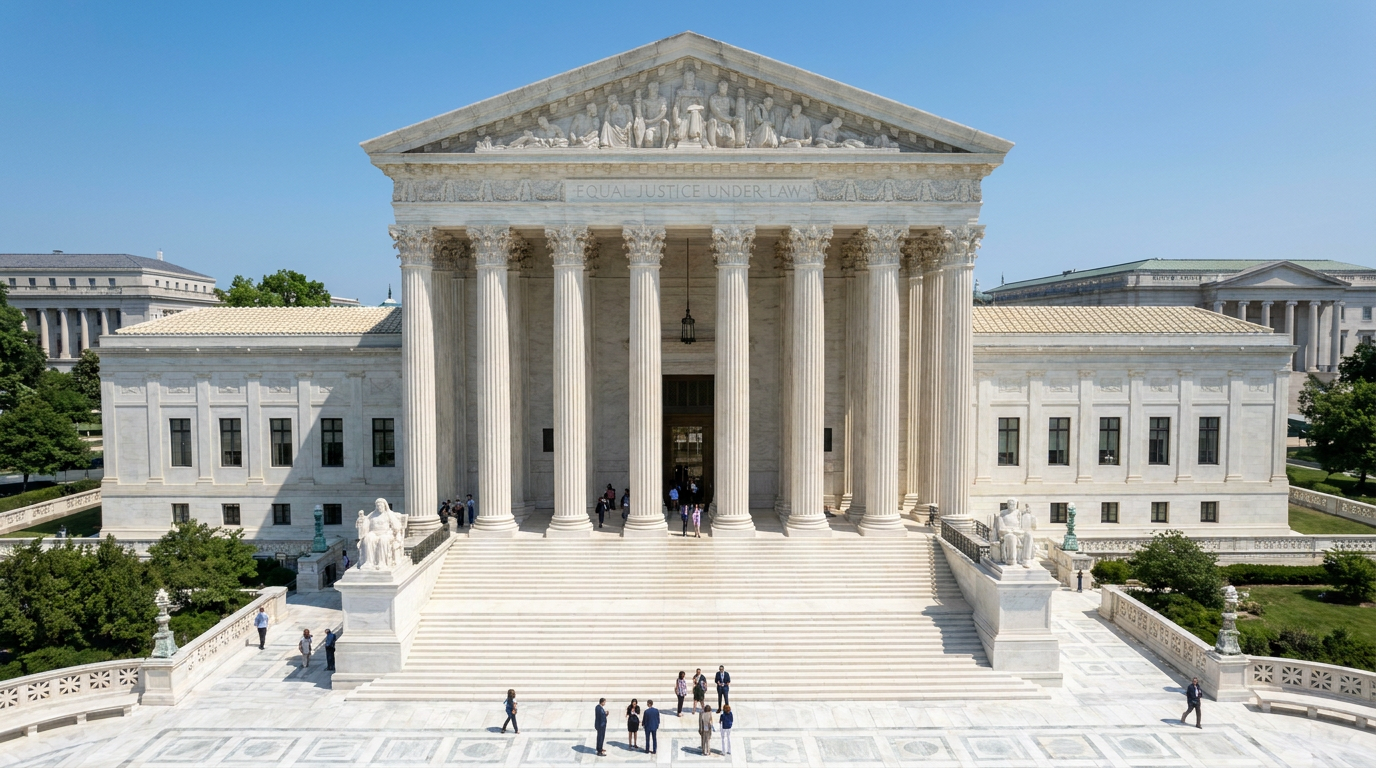
Does Ranked-Choice Voting Actually Work? Fact-Checking the Evidence
0 sources
US-Iran Diplomacy
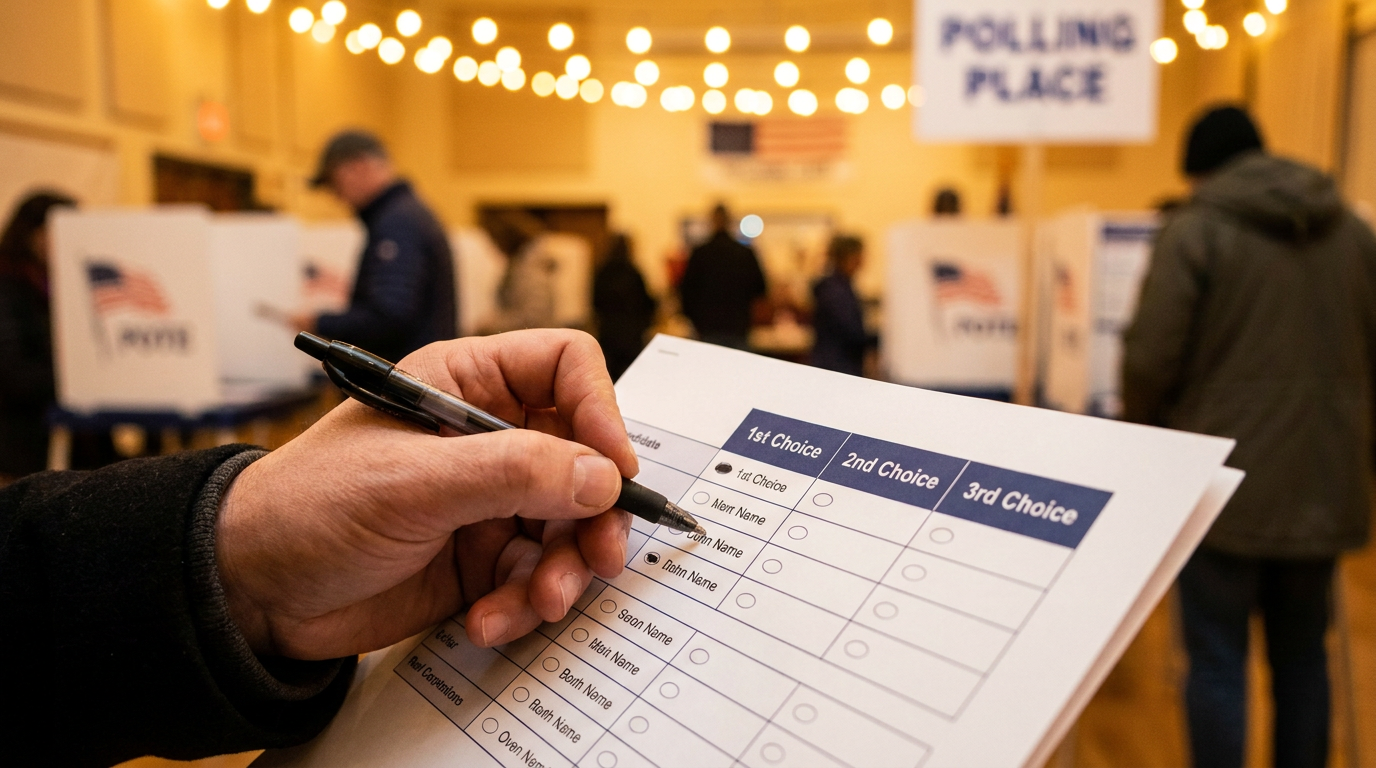
US-Iran Peace Deal Nears Sunday Deadline Amid Fresh Beirut Airstrikes
0 sources
Water Infrastructure
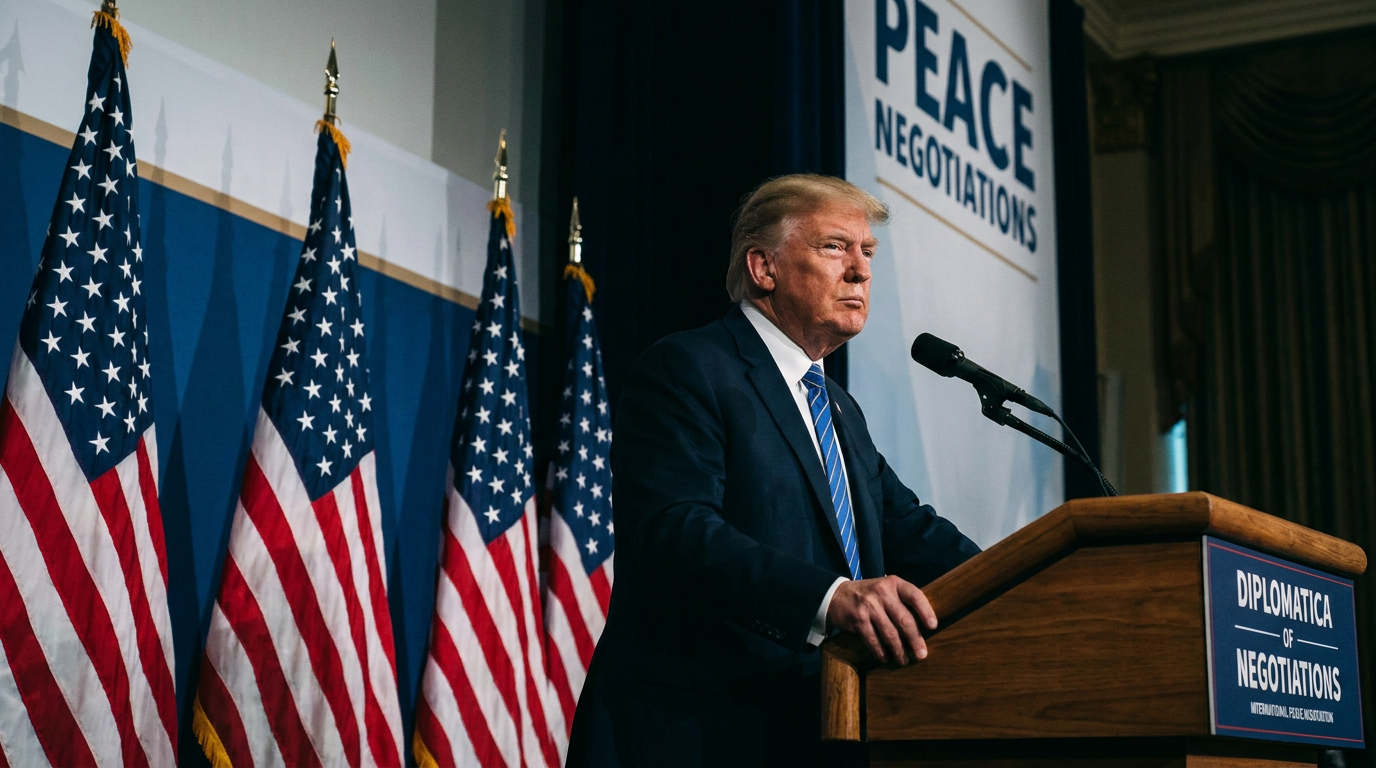
Supreme Court Upholds EPA's Strict 'Forever Chemical' Drinking Water Limits
0 sources
Electoral Reform
Evidence Pack: Does Ranked-Choice Voting Actually Reduce Political Polarization?
0 sources
Every angle. Every day.
Get news politics stories with full source coverage and perspective breakdowns delivered to your inbox.