
2026 World Cup Rosters Finalized: Major Snubs, Surprise Returns, and Selection Drama as Tournament Kicks Off
As the expanded 48-team World Cup gets underway in North America, national team managers have made ruthless roster decisions, leaving behind established stars while gambling on controversial veterans.
By Factlen Editorial Team
- System Pragmatists
- Managers and analysts who prioritize tactical fit and defensive solidity over individual attacking brilliance.
- Talent Purists
- Fans and pundits who believe that major tournaments demand the inclusion of a nation's most gifted individual players.
- National Supporters
- The passionate fanbases who view the national team as an emotional institution, valuing loyalty and legacy.
What's not represented
- · Omitted Players
- · Club Managers
Why this matters
A team's World Cup fate is often sealed before a single ball is kicked. The exclusion of generational talents and the inclusion of aging veterans reveal the tactical gambles managers are taking under immense pressure, shaping the trajectory of the biggest sporting event on earth.
Key points
- National team managers have finalized their 26-man squads for the 2026 World Cup.
- England's Thomas Tuchel surprisingly omitted Phil Foden, Cole Palmer, and Harry Maguire.
- The USMNT left off Tanner Tessmann and Diego Luna but included Gio Reyna.
- Brazil's Neymar was included despite injury concerns, sparking nationwide celebrations.
- Mexico's Guillermo Ochoa joins Messi and Ronaldo in being selected for a sixth World Cup.
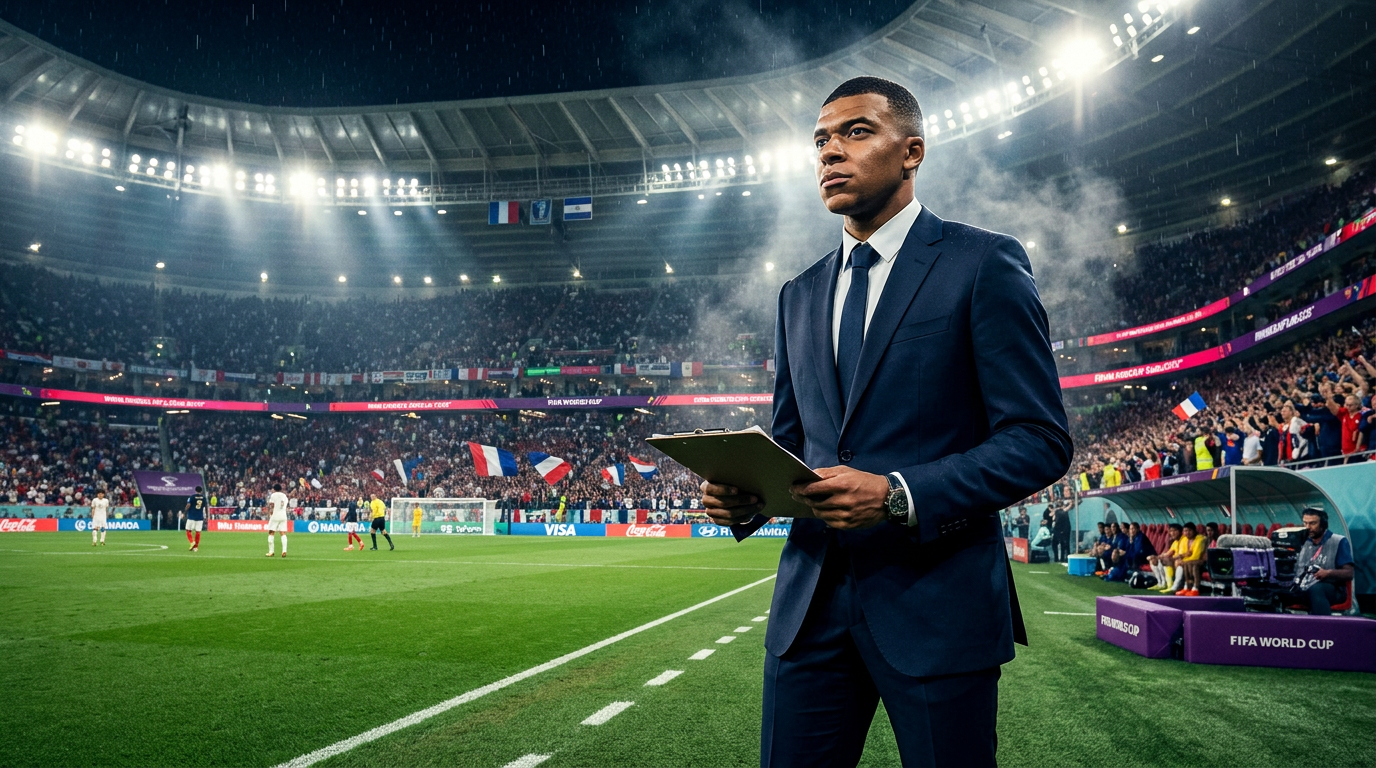
The 2026 FIFA World Cup has officially kicked off across the United States, Canada, and Mexico, bringing the expanded 48-team format to the global stage. But long before the first whistle blew at the Azteca Stadium, the tournament's most intense battles were fought in the managerial war rooms. National team coaches were forced to trim their talent pools down to final 26-man rosters, a ruthless process that has left established superstars watching from home and sparked fierce debates among supporters.[1][2]
Nowhere was the selection drama more pronounced than in the England camp. Head coach Thomas Tuchel made headlines by leaving behind some of the Premier League's most electrifying attackers, including Phil Foden and Cole Palmer, citing their frustrating club seasons and a fierce battle for the number ten role. The defensive line also saw a major shakeup, with veteran center-back Harry Maguire omitted—a decision that prompted Maguire to publicly leak the news of his exclusion in frustration before the official announcement.[1][2][8]
In place of the omitted stars, Tuchel opted for a mix of pragmatic system fits and controversial veterans. The inclusion of 35-year-old midfielder Jordan Henderson, returning after a failed stint in the Middle East, raised eyebrows across the English press. Meanwhile, Saudi-based striker Ivan Toney secured a spot as Harry Kane's backup. Defending his choices, Tuchel was blunt: "It is not necessarily to select the most talented 26 players. Teams win championships."[2][8]

For the co-host United States, head coach Mauricio Pochettino faced the immense pressure of assembling a squad capable of making a deep run on home soil. Pochettino leaned heavily on his core veterans, bringing back 13 players from the 2022 squad, including Christian Pulisic, Weston McKennie, and Tyler Adams. However, his omissions were just as notable. Midfielder Tanner Tessmann and attacker Diego Luna, both of whom had been mainstays in the lead-up to the tournament, were stunningly left off the final list.[3][4][5][7]
Pochettino's biggest gamble comes in the form of Giovanni Reyna. Despite managing just one goal in 19 appearances for Borussia Mönchengladbach this past season and struggling with consistent fitness, Reyna's sheer natural talent earned him a ticket. The U.S. roster also features a historic quirk: for the first time since the inception of Major League Soccer in 1996, all three goalkeepers—Matt Turner, Matt Freese, and Chris Brady—ply their trade domestically in the United States.[3][4][5][7]
Pochettino's biggest gamble comes in the form of Giovanni Reyna.
The 26-man roster limit, up from the traditional 23 used prior to 2022, has fundamentally changed how managers build their squads. The extra three slots allow coaches to carry highly specific role players who might not fit the starting eleven but offer a unique skill set for specific game states. This was evident in Tuchel's selection of Toney, a designated penalty expert, and Pochettino's inclusion of Alex Zendejas, a versatile left-footed attacker who can unlock tired defenses late in matches.[1][4][8]

In South America, Brazil's roster reveal became a national television spectacle. Manager Carlo Ancelotti opted to announce his 26-man squad live on air, capturing the raw emotion of the players in real time. The broadcast delivered moments of pure joy, such as third-choice goalkeeper Weverton reportedly passing out from excitement, but also captured the heartbreak of Chelsea attacker Joao Pedro, who had gathered his family for a celebration only to be cut at the last second.[1][2]
The headline for the Seleção, however, is the return of Neymar. Recovering from a long-term injury, Brazil's all-time leading goalscorer was included in the squad, sparking delirious celebrations in the streets. Analysts noted that Ancelotti was effectively backed into a corner; leaving a fit Neymar at home would have turned the Brazilian public against the manager before the tournament even began, regardless of how the aging superstar fits into the team's modern tactical setup.[1][2][6]
Across the border, the Mexican national team provided a mix of historic longevity and youthful promise. Manager Javier Aguirre selected 40-year-old goalkeeper Guillermo Ochoa, allowing him to join Lionel Messi and Cristiano Ronaldo as the only players in history to be selected for six World Cups. On the opposite end of the spectrum, 17-year-old Tijuana wonderkid Gilberto Mora was included, set to become the youngest player to ever represent El Tri on the global stage.[1][6]

The psychological weight of the roster deadline cannot be overstated. For many players, a World Cup call-up represents the pinnacle of a lifelong dream, while a snub can be devastating. The contrast was starkly visible in the days leading up to the tournament, with social media flooded by tearful celebration videos from debutants alongside somber, reflective statements from veterans who realized their international careers had likely come to an unceremonious end.[2][3]
As the group stage matches get underway, the tactical lines have been irrevocably drawn. The managers have made their beds, prioritizing cohesive units, locker-room harmony, and specific tactical profiles over pure individual brilliance. Over the next month across North America, these 26-man selections will be tested under the brightest lights in sports, ultimately vindicating the coaches' bold gambles or costing them their jobs.[1][2]
How we got here
May 2026
National team managers begin notifying players of their roster status, leading to early leaks and public reactions.
June 2, 2026
The official FIFA deadline for all 48 teams to submit their final 26-man rosters.
June 11, 2026
The 2026 FIFA World Cup officially kicks off at the Azteca Stadium in Mexico City.
Viewpoints in depth
System Pragmatists
Managers and analysts who prioritize tactical fit and defensive solidity over individual attacking brilliance.
This camp argues that international football is fundamentally different from the club game. With limited training time, managers cannot build complex attacking systems that accommodate multiple free-roaming playmakers. Therefore, leaving behind incredibly talented players like Phil Foden or Cole Palmer is seen not as a mistake, but as a necessary sacrifice to maintain a balanced, functional unit. They point to past tournament winners who relied on rigid structures and role-players rather than assembling an all-star team.
Talent Purists
Fans and pundits who believe that major tournaments demand the inclusion of a nation's most gifted individual players.
For this group, the omission of generational talents is a managerial failure. They argue that in tight World Cup knockout matches, a moment of individual brilliance is often the only way to break down a stubborn defense. Leaving highly creative players at home in favor of aging, predictable veterans is viewed as overly cautious and fearful. This camp heavily criticized Thomas Tuchel's decision to drop dynamic Premier League stars, arguing that a truly elite manager should be able to find a way to fit their best players onto the pitch.
National Supporters
The passionate fanbases who view the national team as an emotional institution, valuing loyalty and legacy.
This perspective is driven by the emotional connection between the public and their sporting heroes. For these supporters, players like Neymar or Guillermo Ochoa transcend their current club form; their mere presence in the squad provides a psychological boost to the nation. Managers who attempt to phase out these beloved figures risk alienating the fanbase and creating a hostile environment. The delirious celebrations in Brazil following Neymar's inclusion highlight how, for many, the World Cup is as much about celebrating national icons as it is about tactical optimization.
What we don't know
- Whether the omitted stars would have made a decisive difference in tight knockout matches.
- How the inclusion of aging veterans like Jordan Henderson or Neymar will impact the physical endurance of their respective squads.
Key terms
- Cap
- An appearance made by a player for their national team in an international match.
- Number Ten
- A traditional attacking midfield role, usually given to a team's primary playmaker who operates just behind the strikers.
- Snub
- A player who is unexpectedly left off a team's roster despite having a strong case for inclusion based on talent or past performance.
- Call-up
- An official invitation for a player to join their national team squad for an upcoming match or tournament.
Frequently asked
Why was Phil Foden left off the England squad?
Manager Thomas Tuchel cited Foden's frustrating club season and the fierce competition for the number ten role as reasons for his omission.
Did Neymar make the Brazil roster?
Yes, Neymar recovered from injury in time to be selected by Carlo Ancelotti, sparking widespread celebration in Brazil.
Who are the biggest surprises on the USMNT roster?
Alex Zendejas and Gio Reyna were surprise inclusions, while the omissions of Tanner Tessmann and Diego Luna shocked many fans.
How many players are on a World Cup roster?
For the 2026 World Cup, FIFA allows each national team to select a final squad of up to 26 players, an increase from the traditional 23.
Sources
Source coverage
8 outlets
3 viewpoints surfaced








[1]The IndependentSystem Pragmatists
World Cup 2026 squads: Every player at this summer's tournament
Read on The Independent →[2]YardbarkerSystem Pragmatists
World Cup 2026: Surprises and snubs from global rosters
Read on Yardbarker →[3]DAZNTalent Purists
Who are the biggest surprises and snubs from the USA's World Cup squad?
Read on DAZN →[4]FOX SportsNational Supporters
5 Takeaways From USA's World Cup Roster Selection
Read on FOX Sports →[5]CBS SportsTalent Purists
Mauricio Pochettino names 26-man USMNT roster for 2026 World Cup
Read on CBS Sports →[6]Sky SportsNational Supporters
World Cup 2026 squad lists: England, Scotland, Brazil, USA, Spain, France, Germany, Netherlands, Argentina, Portugal and more
Read on Sky Sports →[7]U.S. SoccerNational Supporters
Meet the Team: USMNT Roster For FIFA World Cup 2026
Read on U.S. Soccer →[8]The FASystem Pragmatists
England squad named for FIFA 2026 World Cup
Read on The FA →
More in sports
See all 14 stories →Splitboard Tech
The Splitboarding Revolution: How Snowboarders Conquered the Backcountry
0 sources

Injury
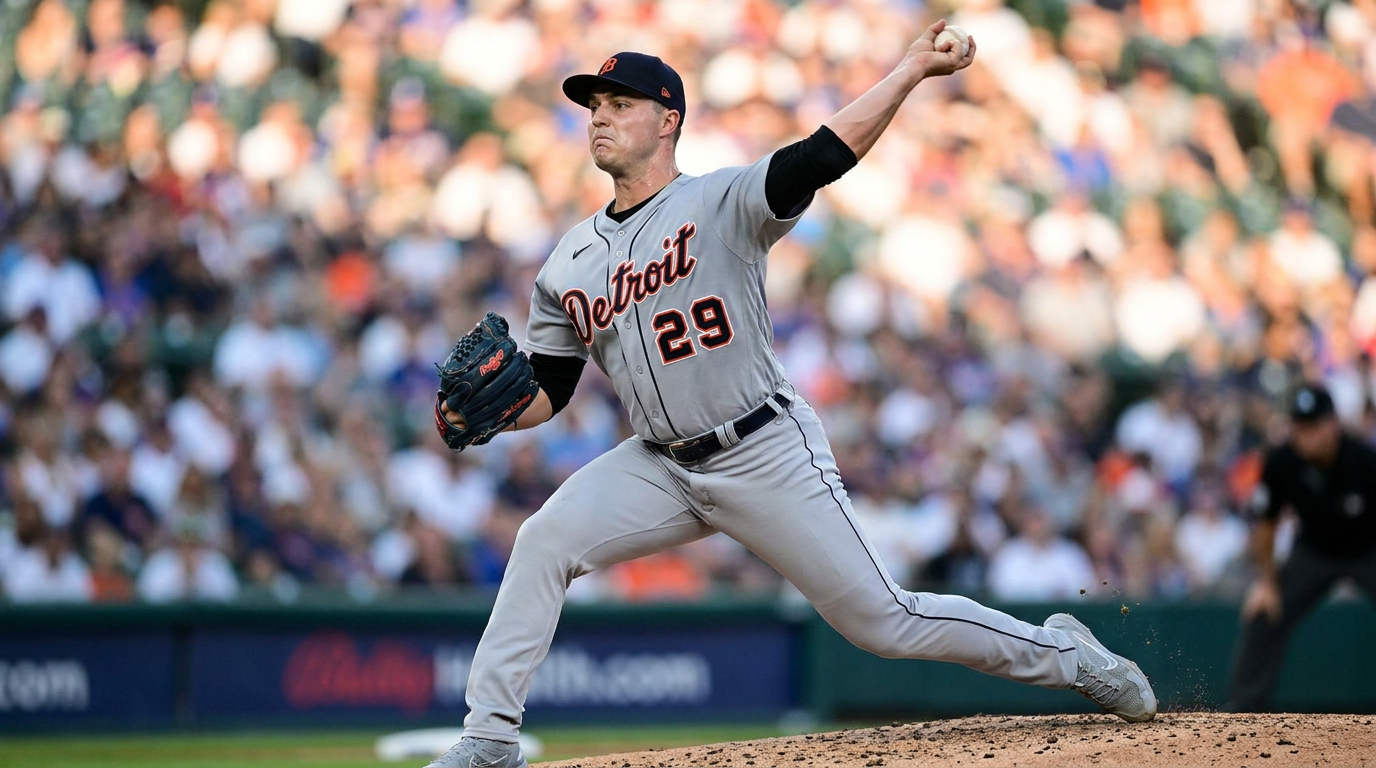
Detroit Tigers Ace Tarik Skubal Returns to Mound in Record Time Following 'NanoNeedle' Elbow Surgery
0 sources
Standings
MLB Standings Update: Yankees and Braves Set the Pace as Summer Races Heat Up
0 sources
Olympic Governance
How World Boxing Saved the Sport's Olympic Future for LA 2028
0 sources
Every angle. Every day.
Get sports stories with full source coverage and perspective breakdowns delivered to your inbox.