
US and Iran Near Historic Peace Deal to End War and Reopen Strait of Hormuz
President Trump announced a peace agreement with Iran is set to be signed, potentially ending a 107-day conflict and reopening the strategic Strait of Hormuz, though Tehran remains cautious on the exact timing.
By Factlen Editorial Team
- U.S. Administration
- Focuses on the deal as a definitive victory for maritime security and nuclear non-proliferation.
- Iranian Leadership
- Views the agreement as a strategic maneuver to lift blockades while maintaining regional influence.
- Regional Mediators
- Prioritizes immediate de-escalation and economic stability over ideological victories.
- Geopolitical Analysts
- Analyzes the long-term enforceability of the nuclear and proxy-group provisions.
What's not represented
- · Commercial shipping companies whose fleets have been stalled by the blockades.
- · Iranian civilians facing the economic brunt of the naval blockade.
Why this matters
The agreement would end a 107-day conflict that disrupted global energy markets, lifting blockades on the Strait of Hormuz and potentially stabilizing oil prices while reshaping U.S.-Iran relations.
Key points
- The U.S. and Iran are nearing a peace agreement to end a 107-day conflict.
- The deal would reopen the Strait of Hormuz to international shipping without transit tolls.
- The U.S. is expected to lift its naval blockade on Iranian ports in exchange.
- Provisions include the removal of enriched uranium from Iran to prevent nuclear weapon development.
- Pakistan is mediating the agreement, which will be signed virtually.
The United States and Iran are on the verge of signing a landmark peace agreement to end a 107-day conflict, with President Donald Trump announcing that a deal to reopen the Strait of Hormuz and curb Tehran's nuclear ambitions is imminent. The conflict, which began with the U.S. launch of Operation Epic Fury on February 28, has severely disrupted global energy markets and regional stability. Now, after weeks of indirect negotiations mediated by Pakistan, the two nations have reportedly agreed on a framework memorandum of understanding that could reshape the geopolitical landscape of the Middle East.[1][4][7]
President Trump took to Truth Social over the weekend to declare that the agreement was "scheduled to get signed tomorrow," promising that the strategic Strait of Hormuz would immediately be "OPEN TO ALL." He framed the impending accord as a definitive victory for U.S. security interests, describing it as "A WALL TO NO NUCLEAR WEAPON." The administration projects confidence that the core tenets of the deal are locked in, with Vice President JD Vance stating the agreement has "the potential to remake the region and lead to lasting peace."[1][2]
However, Iranian officials have offered a more cautious timeline, casting doubt on the immediate Sunday signing. While acknowledging that the two sides have "never been closer" to an agreement, Iranian Foreign Ministry spokesperson Esmaeil Baqaei pushed back on the U.S. timeline. Citing ongoing hesitations from the opposing side, Baqaei stated that the finalization would "not be tomorrow," though he conceded it could happen in the "coming days." This public divergence highlights the still-fragile nature of the diplomatic breakthrough as both domestic audiences watch closely.[3][5]
The logistics of the signing reflect the modern realities of brokered diplomacy. Pakistani Prime Minister Shehbaz Sharif, whose government has served as the primary intermediary exchanging peace proposals between Washington and Tehran, indicated that the agreement would be formalized electronically. Sources familiar with the arrangements described a straightforward virtual signing ceremony conducted via video call, with Pakistan connecting both sides. No official travel or in-person summits are planned for the initial memorandum, underscoring the pragmatic, results-oriented nature of the ceasefire framework.[2][6]

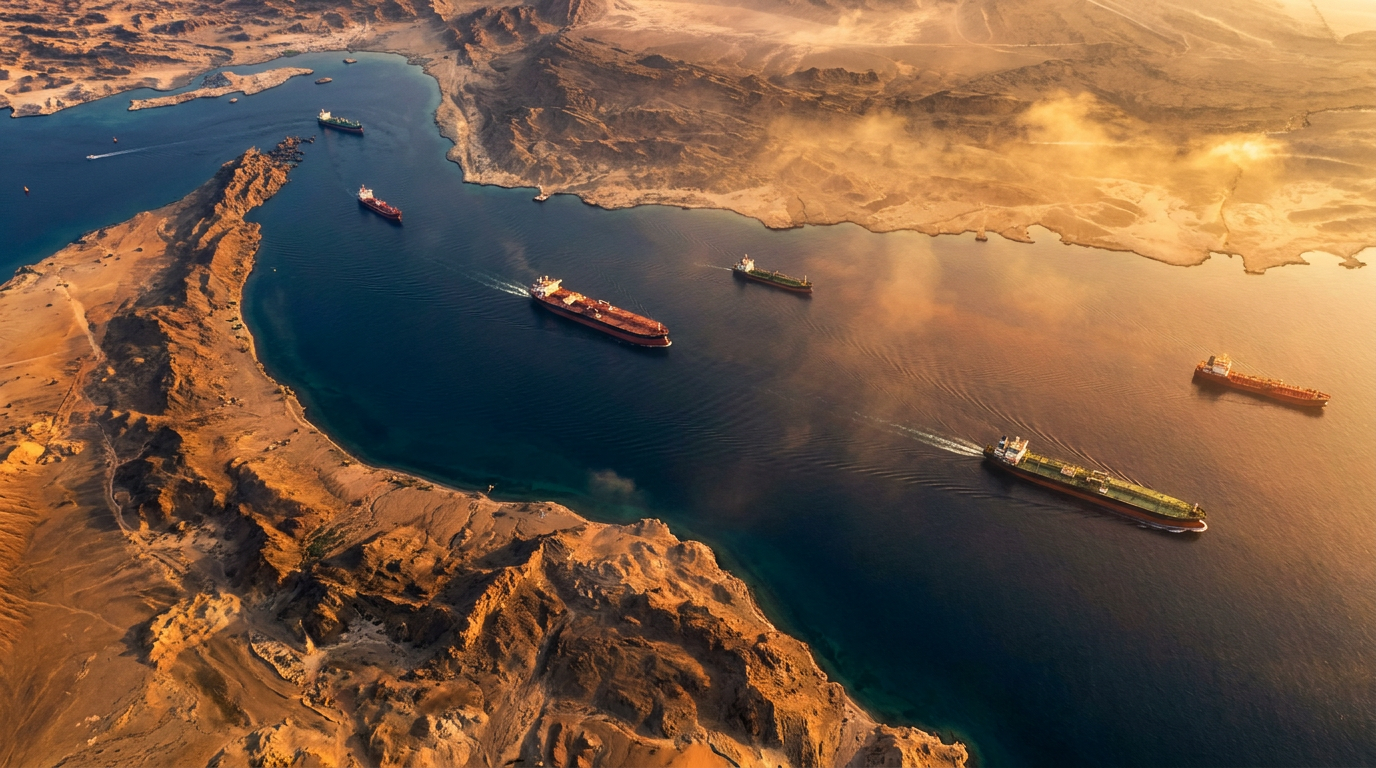
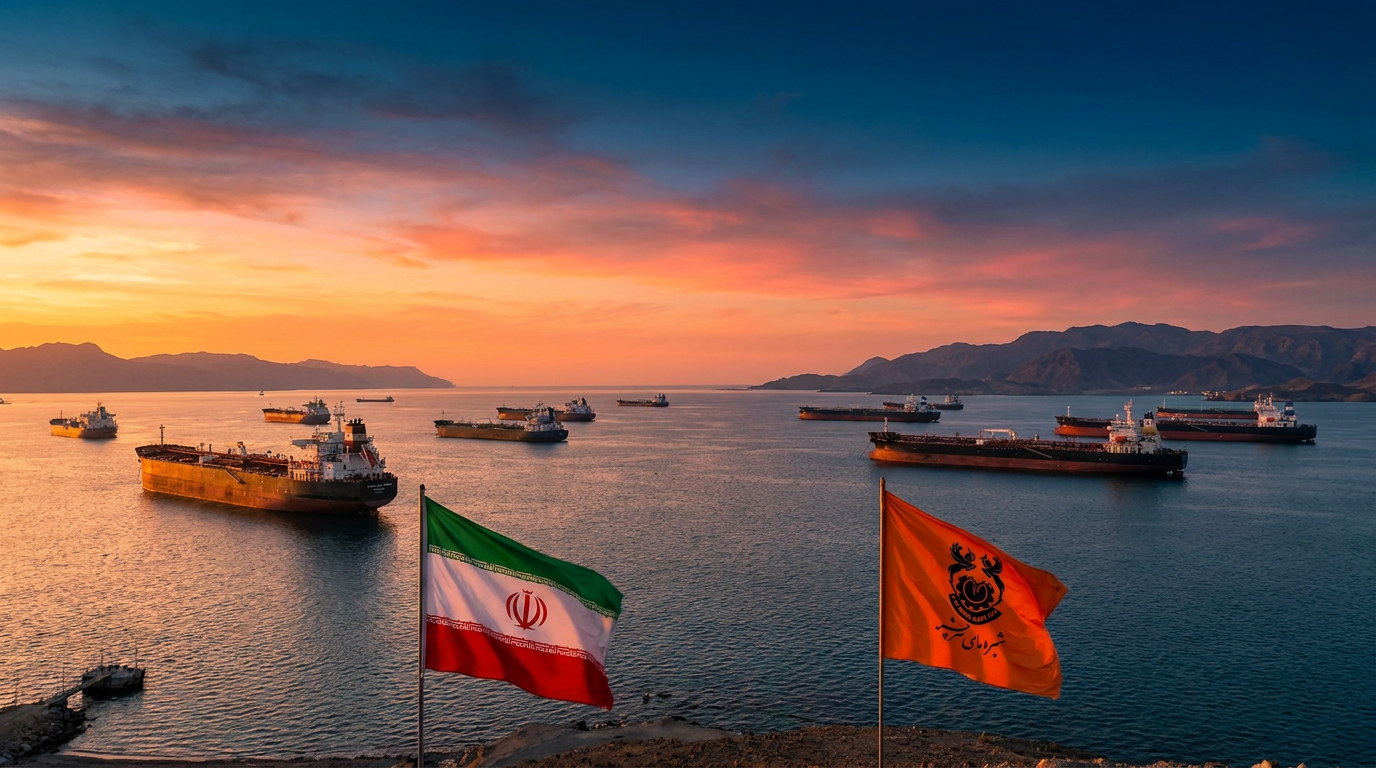
At the center of the negotiations is the reopening of the Strait of Hormuz, a critical maritime choke point that handles roughly one-fifth of the world's oil and natural gas supply. The U.S. administration has insisted that the waterway be reopened without Iran imposing any "service fees" or transit tolls, a demand that appears to be met in the current framework. In exchange, the United States is expected to lift its naval blockade on Iranian ports, a move Tehran views as a vital economic lifeline.[1][2][7]
In exchange, the United States is expected to lift its naval blockade on Iranian ports, a move Tehran views as a vital economic lifeline.
Iranian Foreign Minister Abbas Araghchi previously highlighted the lifting of the U.S. blockade as a major concession, calling the waterway one of Iran's "main instruments of deterrence." Araghchi noted that the administration of the Strait of Hormuz would fundamentally change under the new agreement, emphasizing that international law does not permit transit tolls but asserting Iran's continued strategic presence in the region. The mutual lifting of blockades represents the core economic trade-off that brought both sides to the virtual table.[2][4]
The economic anticipation of the deal has already rippled through global markets, providing immediate relief to energy sectors. Oil futures closed near their lowest levels since the conflict began, with the U.S. crude oil benchmark, West Texas Intermediate (WTI), falling below $85 per barrel on optimism that tanker traffic will soon resume unimpeded. U.S. Treasury Secretary Scott Bessent noted that American consumers could soon see tangible relief from elevated energy prices as a direct result of the de-escalation.[1][2]
Beyond maritime security, the agreement reportedly addresses the long-standing and highly contentious issue of Iran's nuclear program. President Trump claimed that the U.S. would work directly with Iran to remove highly enriched uranium from the country at an "appropriate time," asserting that Tehran "no longer wants a Nuclear Weapon." This development comes after a period of intense global uncertainty; the International Atomic Energy Agency (IAEA) has been unable to independently verify the status of Iran's nuclear stockpile since mid-2025 following previous military strikes. Securing a verifiable halt to nuclear enrichment is considered a non-negotiable pillar for the U.S. administration.[6][7]

The broader regional implications of the ceasefire are vast and complex. A draft of the deal reportedly stipulates that hostilities from all sides would cease, which would theoretically include Iranian proxy groups such as Hezbollah in Lebanon and the Houthis in Yemen. While Iran has not publicly confirmed it will permanently halt funding to these militant organizations, U.S. officials consider it a crucial, non-negotiable component of the broader peace framework. The cessation of proxy violence is seen as essential to preventing future flare-ups in the Middle East.[7]
Israeli leadership is watching the diplomatic developments with intense scrutiny, acutely aware of the existential stakes. Defense Minister Israel Katz stated publicly that Israel expects the Trump administration to strictly prevent Iran from obtaining nuclear weapons in any finalized agreement. Katz emphasized that Israel will maintain its own independent security postures and military readiness in the region—particularly regarding its northern border with Lebanon and ongoing skirmishes with Hezbollah—regardless of the finalized U.S.-Iran pact. The Israeli government remains deeply cautious about Tehran's long-term adherence to any signed memorandum, demanding rigorous enforcement mechanisms.[2][7]
As the final text is reviewed and the logistics of the virtual signing are ironed out, the diplomatic achievement marks a significant pivot in U.S. foreign policy. After 107 days of military engagement and economic pressure, the transition back to diplomatic frameworks signals a desire to stabilize the global economy and pivot away from active conflict. Whether the agreement holds long-term will depend entirely on the strict enforcement of its maritime and nuclear provisions, but for now, the world watches as Washington and Tehran inch toward a historic ceasefire.[1][4]

How we got here
Feb 28, 2026
The U.S. launches Operation Epic Fury, sparking a 107-day conflict with Iran.
June 12, 2026
Iranian officials state the two sides have 'never been closer' to reaching an agreement.
June 13, 2026
President Trump announces a peace deal is scheduled to be signed, reopening the Strait of Hormuz.
June 14, 2026
Pakistan confirms plans for a virtual signing ceremony, while Tehran suggests the timeline may extend into the coming days.
Viewpoints in depth
U.S. Administration's View
The deal is a definitive victory that secures global shipping lanes and permanently blocks Iran's nuclear ambitions.
U.S. officials frame the agreement as a triumph of leverage, arguing that the 107-day military and economic pressure campaign forced Tehran to the table. By securing the reopening of the Strait of Hormuz without transit tolls and embedding mechanisms to remove enriched uranium, the administration believes it has neutralized Iran's primary geopolitical threats while delivering immediate relief to global energy markets.
Iranian Government's View
The agreement is a necessary recalibration that lifts crippling blockades while preserving Iran's regional deterrence.
Tehran emphasizes the U.S. concession of lifting its naval blockade on Iranian ports as the centerpiece of the deal. While downplaying the urgency of the signing timeline to project diplomatic strength, Iranian officials view the framework as a way to relieve severe economic strangulation without fully dismantling their broader strategic architecture in the Middle East.
Regional Mediators & Allies
The ceasefire is a fragile but essential step to prevent a wider regional war and stabilize the global economy.
Countries like Pakistan, which brokered the talks, see the agreement as a vital de-escalation that pulls the region back from the brink of total war. Meanwhile, U.S. allies like Israel remain cautiously optimistic but insist that the deal's success hinges entirely on strict enforcement—particularly regarding Iran's nuclear stockpile and its funding of proxy militant groups across Lebanon and Yemen.
What we don't know
- The exact date and time the virtual signing ceremony will take place, given conflicting statements from Washington and Tehran.
- Whether Iran will formally agree to halt all funding and support for regional proxy groups like Hezbollah and the Houthis.
- The specific logistical mechanisms for how and when the U.S. will remove enriched uranium from Iranian territory.
Key terms
- Strait of Hormuz
- A crucial waterway between the Persian Gulf and the Gulf of Oman, through which roughly 20% of the world's oil supply passes.
- Operation Epic Fury
- The U.S. military operation launched against Iran on February 28, 2026, which escalated into a months-long conflict.
- Memorandum of Understanding (MoU)
- A formal agreement between two or more parties that establishes a framework for cooperation, often preceding a final, binding treaty.
- WTI Crude
- West Texas Intermediate, a specific grade of crude oil used as a benchmark in global oil pricing.
Frequently asked
When will the U.S.-Iran peace deal be signed?
President Trump announced it would be signed on Sunday, June 14, 2026, but Iranian officials have suggested it may take a few more days to finalize.
What happens to the Strait of Hormuz under this deal?
The agreement stipulates that the Strait of Hormuz will be reopened to international shipping immediately, without Iran imposing any transit tolls.
How does the deal address Iran's nuclear program?
The U.S. administration claims the deal will permanently prevent Iran from obtaining a nuclear weapon and includes provisions for the U.S. to remove enriched uranium from the country.
Who mediated the negotiations?
Pakistan served as the lead mediator, facilitating indirect talks and exchanging peace proposals between Washington and Tehran.
Sources
Source coverage
7 outlets
4 viewpoints surfaced





[1]Fox NewsU.S. Administration
Live Updates: US-Iran deal will be signed tomorrow, Trump says
Read on Fox News →[2]CBS NewsU.S. Administration
Live Updates: U.S.-Iran peace deal to be signed Sunday, Trump says
Read on CBS News →[3]The GuardianGeopolitical Analysts
Middle East crisis live: Trump says Iran deal will be signed today but Tehran casts doubt on timing
Read on The Guardian →[4]Al JazeeraIranian Leadership
Iran war day 107: Washington, Tehran close to signing first stage of deal
Read on Al Jazeera →[5]The HinduIranian Leadership
West Asia war LIVE: Trump says U.S.-Iran deal to be signed today, Hormuz to open afterward
Read on The Hindu →[6]China DailyRegional Mediators
Trump says US-Iran deal to be signed Sunday
Read on China Daily →[7]Council on Foreign RelationsGeopolitical Analysts
Is a U.S.-Iran Deal Within Reach? Six Key Issues That Could Shape a Ceasefire
Read on Council on Foreign Relations →
More in news politics
See all 7 stories →Media Literacy
Does 'Prebunking' Actually Work? The Evidence Behind the New Strategy to Fight Misinformation
0 sources

Shadow Fleet
UK Forces Seize Russian Shadow Fleet Oil Tanker in the English Channel
0 sources
Media Consolidation
Justice Department Approves $111 Billion Paramount and Warner Bros. Merger
0 sources
US-Iran Relations
U.S. and Iran Near Peace Deal to End War, But Timeline for Signing Remains Disputed
0 sources
Every angle. Every day.
Get news politics stories with full source coverage and perspective breakdowns delivered to your inbox.