
U.S. and Iran Near Peace Deal to End War, But Timeline for Signing Remains Disputed
The United States and Iran are finalizing a peace agreement to end their four-month war and reopen the Strait of Hormuz, though Tehran disputes Washington's claims that the deal will be signed on Sunday.
By Factlen Editorial Team
- U.S. Administration
- The deal is a definitive victory that neutralizes the nuclear threat and restores global commerce.
- Iranian Negotiators
- The agreement provides essential economic relief and security guarantees while preserving national sovereignty.
- Iranian Hardliners
- The concessions surrender Iran's most vital strategic leverage to hostile Western powers.
- International Mediators
- The framework is a necessary compromise to stabilize the region and prevent further economic fallout.
What's not represented
- · Global shipping and logistics companies
- · European and Asian energy importers
- · Regional Gulf states affected by the conflict
Why this matters
A finalized peace agreement would end a devastating four-month conflict that has destabilized the Middle East and triggered a global energy crisis. Reopening the Strait of Hormuz will immediately lower global oil prices and restore critical supply chains, while the nuclear negotiations will shape the long-term security architecture of the region.
Key points
- The U.S. and Iran are finalizing a memorandum of understanding to end their four-month war.
- The deal would extend the current ceasefire by 60 days and launch negotiations over Iran's nuclear program.
- Iran would reopen the Strait of Hormuz in exchange for the U.S. lifting its naval blockade and unfreezing $24 billion in assets.
- Washington and Islamabad expect a Sunday signing, but Tehran insists more time is needed for technical talks.
- Iranian hardliners are protesting the deal, arguing that reopening the strait surrenders their primary strategic leverage.
The United States and Iran are on the verge of signing a landmark peace agreement to end the four-month war that has paralyzed the Middle East and choked global energy markets. Mediated by Pakistan and Qatar, the proposed memorandum of understanding would extend the fragile April ceasefire by 60 days and launch formal negotiations over Iran's nuclear program. The diplomatic breakthrough represents the closest the two adversaries have come to a definitive resolution since the conflict erupted in late February, promising to de-escalate a crisis that has threatened to engulf the entire region.[1][2][3]
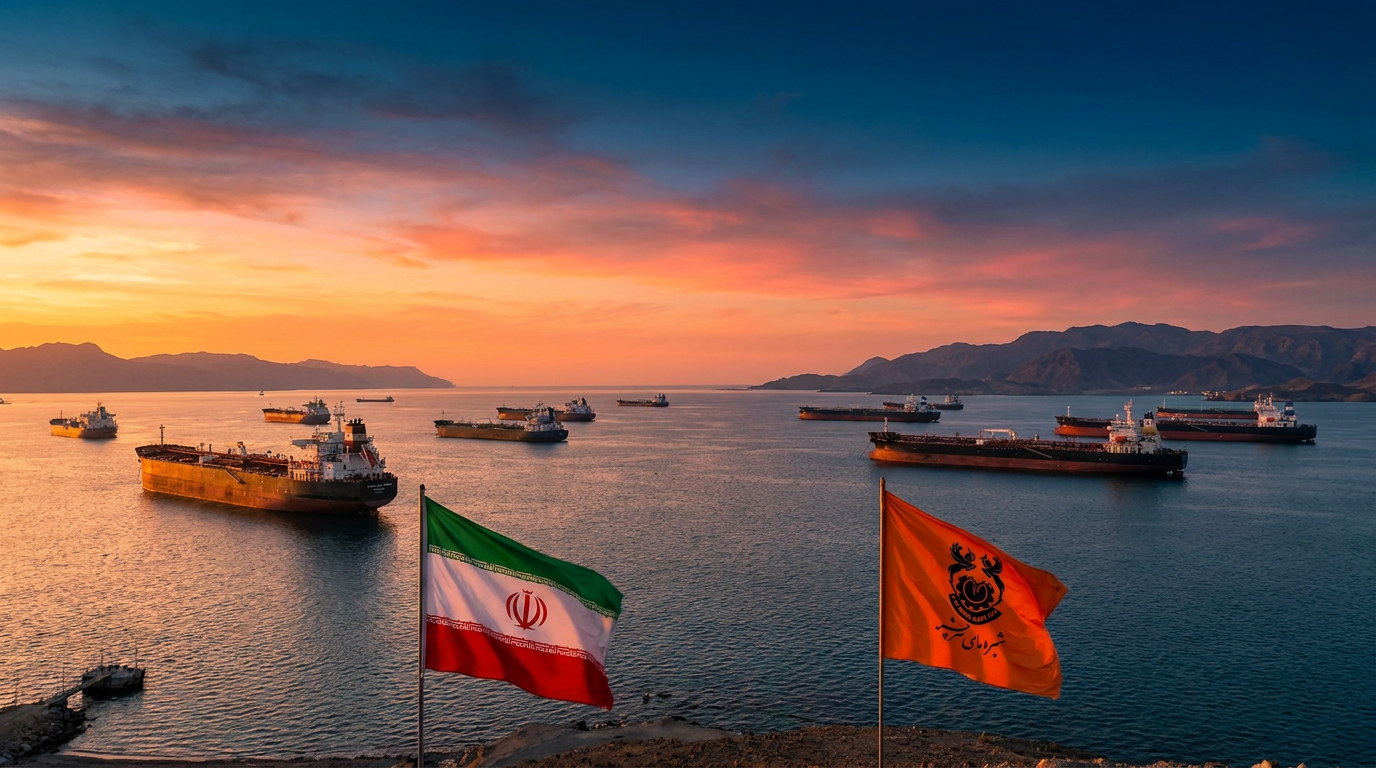
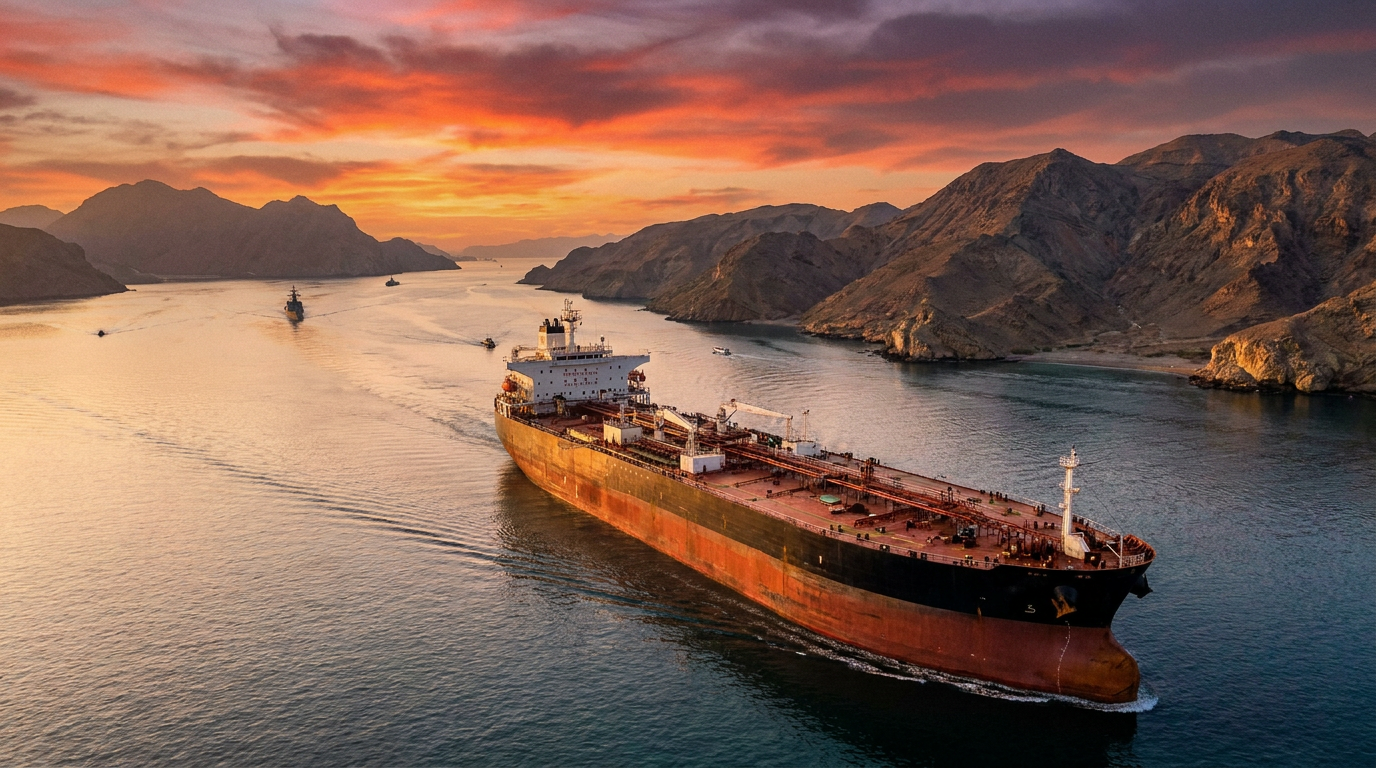
The most immediate global impact of the agreement would be the reopening of the Strait of Hormuz, a vital maritime artery that Iran has blocked since the conflict escalated. The nearly four-month closure of the Persian Gulf has virtually shut down regional oil and natural gas shipments, driving a severe spike in energy prices and forcing commercial shipping to reroute. A successful reopening of the strait is viewed by international markets as critical to stabilizing global supply chains and preventing further economic fallout.[3][4]
In exchange for opening the waterway to international shipping, the United States would lift its retaliatory naval blockade on Iranian ports, which has been in place since mid-April. Furthermore, the framework outlines the unfreezing of an estimated $24 billion in Iranian assets and the phased suspension of sanctions on Tehran's oil and petrochemical exports. These financial concessions are a cornerstone of Iran's demands, providing desperately needed economic relief after months of intense conflict and isolation.[4][5][7]

However, the exact timeline for finalizing the agreement remains heavily disputed between Washington and Tehran. U.S. President Donald Trump announced on social media that the deal is scheduled to be signed electronically on Sunday, declaring that the Strait of Hormuz would immediately be "open to all." He emphasized that the agreement would definitively prevent Iran from obtaining a nuclear weapon, framing the memorandum as a historic victory for global security.[1][2][3][6]
Pakistani Prime Minister Shehbaz Sharif, who has played a central role in brokering the talks alongside Qatari diplomats, echoed this optimism. Sharif stated that the two sides had agreed on a framework and that a signing was expected within 24 hours to pave the way for technical-level discussions. The mediators have worked tirelessly across multiple capitals, including Islamabad and Doha, to bridge the deep divide between the warring nations and construct a viable off-ramp from the hostilities.[1][3][4]
Pakistani Prime Minister Shehbaz Sharif, who has played a central role in brokering the talks alongside Qatari diplomats, echoed this optimism.
Iranian officials quickly pushed back against the Sunday timeline, injecting caution into the highly anticipated diplomatic breakthrough. Iranian Foreign Ministry spokesperson Esmaeil Baghaei confirmed that while a deal is possible in the coming days, it will not be signed on Sunday. Baghaei cited the "hesitation of the other side" and the need for further technical negotiations, emphasizing that Tehran would not be rushed into formalizing the memorandum until all conditions were met to its absolute satisfaction.[1][5][6][7]
The diplomatic friction occurs against a backdrop of intense domestic pressure within Iran, where hardline factions are fiercely opposing the proposed concessions. Protests erupted outside a foreign ministry office in the northeastern city of Mashhad, with demonstrators waving red and black flags and chanting slogans against Iranian Foreign Minister Abbas Araghchi. The protesters accused the negotiating team of capitulating to Western demands and labeled Araghchi an "infiltrator" for his willingness to compromise on key strategic assets.[1][5]

Hardliners argue that relinquishing control over the Strait of Hormuz deprives Tehran of its most potent instrument of deterrence, leaving the country vulnerable to future pressure. They maintain that the waterway is Iran's primary leverage against international sanctions and military threats. In response to these concerns, Araghchi stated in a televised interview that the administration of the strait would "no longer be the same as before," suggesting that Iran might seek to implement a legal framework to charge service fees for vessels transiting the corridor.[1][3][4]
The core of the upcoming 60-day negotiation period will center on Iran's nuclear capabilities, a primary catalyst for the conflict. The U.S. is demanding the complete dismantling of the program and the destruction of highly enriched uranium stockpiles. Iranian negotiators, however, have signaled a desire to retain uranium in a diluted form for civilian energy purposes and are seeking a formal, binding pledge from the United States not to launch future military attacks against Iranian territory.[1][3][7]

Despite the diplomatic progress, the situation on the ground remains highly volatile and prone to sudden escalation. Early Saturday, U.S. forces shot down several Iranian attack drones in the Strait of Hormuz that were apparently targeting commercial vessels, underscoring the fragility of the current ceasefire. As the international community waits for the final electronic signatures, the coming days will determine whether the diplomatic framework can hold against deep-seated mistrust, sporadic violence, and fierce domestic political opposition.[1][3][7]
How we got here
Feb 28, 2026
The United States and Israel launch military operations against Iran, sparking a major regional conflict.
April 7, 2026
A fragile ceasefire is implemented, pausing major hostilities but leaving maritime blockades in place.
April 13, 2026
The United States imposes a naval blockade on Iranian ports in response to Iran's closure of the Strait of Hormuz.
June 13, 2026
U.S. and Pakistani officials announce a peace deal is imminent, while Iranian hardliners protest the proposed concessions.
June 14, 2026
The targeted date for the electronic signing of the memorandum of understanding, though disputed by Tehran.
Viewpoints in depth
U.S. Administration's view
The deal is a definitive victory that neutralizes the nuclear threat and restores global commerce.
U.S. officials frame the impending agreement as a comprehensive success that achieves their primary strategic objectives. By securing the immediate reopening of the Strait of Hormuz, the administration aims to stabilize global energy markets and relieve economic pressure. Furthermore, Washington views the mandated negotiations over Iran's nuclear program—specifically the demand to dismantle highly enriched uranium stockpiles—as a permanent solution to a decades-long security threat, justifying the unfreezing of assets and the lifting of the naval blockade.
Iranian Negotiators' view
The agreement provides essential economic relief and security guarantees while preserving national sovereignty.
For Iran's diplomatic team, the memorandum of understanding represents a necessary pragmatic step to rescue the nation's economy from crippling sanctions and a devastating war. They emphasize the unfreezing of $24 billion in assets and the end of the U.S. naval blockade as massive victories. Negotiators are also pushing to retain diluted uranium for civilian use and are demanding a formal U.S. pledge against future attacks, framing the deal not as a surrender, but as a balanced exchange that secures Iran's borders and financial future.
Iranian Hardliners' view
The concessions surrender Iran's most vital strategic leverage to hostile Western powers.
Hardline factions within Iran view the proposed deal as a dangerous capitulation. They argue that the Strait of Hormuz is the country's ultimate deterrent against foreign aggression and that reopening it without permanent, irreversible sanctions relief leaves Tehran defenseless. These groups accuse the negotiating team of being overly eager to appease the United States and fear that the 60-day negotiation window will be used by Washington to extract further compromises on Iran's missile programs and regional influence.
What we don't know
- Whether Iran will successfully implement a toll or service fee system for vessels transiting the Strait of Hormuz.
- If the 60-day negotiation window will be sufficient to reach a permanent agreement on Iran's nuclear program.
- How hardline political opposition within Iran might affect the final implementation of the deal.
Key terms
- Strait of Hormuz
- A crucial maritime chokepoint between the Persian Gulf and the Gulf of Oman, through which a significant portion of the world's oil supply passes.
- Naval Blockade
- A military operation in which forces prevent vessels from entering or leaving a country's ports, used by the U.S. to restrict Iranian maritime access.
- Memorandum of Understanding
- A formal agreement between two or more parties that outlines the terms and details of a mutual understanding, often serving as the foundation for a binding treaty.
- Highly Enriched Uranium
- Uranium that has been processed to increase the concentration of the U-235 isotope, making it capable of sustaining a nuclear chain reaction and potentially being used in weapons.
Frequently asked
What does the proposed deal actually do?
The agreement extends the current ceasefire by 60 days, reopens the Strait of Hormuz, lifts the U.S. naval blockade on Iran, and initiates formal negotiations over Iran's nuclear program.
When will the deal be signed?
U.S. and Pakistani mediators expect an electronic signing on Sunday, but Iranian officials state it will likely take a few more days to finalize technical details.
Why are people protesting in Iran?
Hardline factions believe the Iranian negotiating team is making too many concessions, specifically arguing that giving up control of the Strait of Hormuz removes Iran's primary strategic leverage.
How does this affect global oil prices?
The reopening of the Strait of Hormuz would allow stalled oil and natural gas shipments to resume, which is expected to relieve the severe energy price spikes caused by the four-month blockade.
Sources
Source coverage
7 outlets
4 viewpoints surfaced







[1]CBS NewsU.S. Administration
Iran peace deal to be signed Sunday and strait reopened immediately, Trump says
Read on CBS News →[2]AxiosU.S. Administration
U.S., Iran expected to 'electronically' sign agreement to end war Sunday
Read on Axios →[3]Washington PostInternational Mediators
An agreement would extend the ceasefire and pave the way for a longer truce, leaders said, though an Iranian official denied a deal will be signed Sunday.
Read on Washington Post →[4]PBSInternational Mediators
What to know about a possible U.S.-Iran deal to end the war.
Read on PBS →[5]The GuardianIranian Hardliners
US president says in online post he reserves 'ultimate alternative' if Tehran refuses to sign agreement.
Read on The Guardian →[6]Al JazeeraIranian Negotiators
Will the US-Iran deal be signed on Sunday? What we know so far
Read on Al Jazeera →[7]Channel News AsiaIranian Negotiators
Trump says deal to end Middle East war to be signed on Sunday, Iran questions timing
Read on Channel News Asia →
More in news politics
See all 7 stories →Middle East Conflict
U.S. and Iran Near Peace Deal as Israel Launches Fresh Strikes on Beirut
0 sources
Digital Provenance
How 'Digital Provenance' is Replacing Traditional Fact-Checking in the Deepfake Era
0 sources

US-Iran Relations
Anticipated US-Iran Peace Deal Complicated by Israeli Strikes on Beirut
0 sources
US-Iran Relations
US and Iran Near Peace Deal as Israeli Strikes on Beirut Threaten Ceasefire
0 sources
Every angle. Every day.
Get news politics stories with full source coverage and perspective breakdowns delivered to your inbox.