
Anticipated US-Iran Peace Deal Complicated by Israeli Strikes on Beirut
The United States and Iran are reportedly close to signing a memorandum of understanding to end their four-month war, but ongoing Israeli airstrikes against Hezbollah in Lebanon threaten to derail the fragile agreement.
By Factlen Editorial Team
- US Administration
- Seeks to finalize a diplomatic victory that ends the war, reopens global shipping lanes, and contains Iran's nuclear ambitions.
- Iranian Leadership
- Views the agreement as a means to secure economic relief while fiercely protecting its nuclear rights and regional influence.
- Israeli Government
- Views the US-Iran deal as a dangerous capitulation that leaves its borders vulnerable and Iran's nuclear infrastructure intact.
- Regional Mediators
- Focused on de-escalation and preventing a wider regional war through phased diplomatic agreements.
What's not represented
- · Lebanese civilians displaced by the ongoing Israel-Hezbollah conflict
- · Global shipping companies affected by the closure of the Strait of Hormuz
Why this matters
The proposed agreement could end a four-month war that has severely disrupted global energy markets and supply chains. However, the ongoing Israeli-Hezbollah conflict threatens to unravel the fragile diplomacy, risking a wider regional conflagration that could draw the US back into direct military engagement.
Key points
- The US and Iran are reportedly close to signing a Memorandum of Understanding to end their four-month war and reopen the Strait of Hormuz.
- The proposed deal includes a 60-day ceasefire extension, the lifting of the US naval blockade, and a framework for future nuclear talks.
- Iranian officials have pushed back on the timeline, stating no final decision has been made and denying concessions on uranium enrichment.
- Israel, sidelined from the talks, launched airstrikes on Hezbollah targets in Beirut, complicating Iran's demand for a region-wide ceasefire.
- The Israeli government has expressed deep disappointment with the deal, arguing it fails to dismantle Iran's nuclear and proxy capabilities.
The United States and Iran are reportedly on the precipice of signing a landmark Memorandum of Understanding to end their four-month war. Mediated by Pakistan and Qatar, the proposed agreement aims to halt direct hostilities, reopen the critical Strait of Hormuz, and establish a framework for future nuclear negotiations. US President Donald Trump and Pakistani Prime Minister Shehbaz Sharif announced that the deal would be signed electronically on Sunday, June 14, marking a potential turning point in a conflict that has severely disrupted global energy markets.[3][4][5]
However, the path to peace remains heavily contested and shrouded in uncertainty. Even as Washington projects confidence about an imminent signing, Iranian officials have publicly pushed back on the timeline. Tehran's foreign ministry stated that no final decision has been reached and emphasized that the Islamic Republic will not compromise on its established "red lines." This diplomatic friction highlights the fragility of the negotiations, which have reportedly collapsed on multiple occasions over the past several weeks.[4][7]
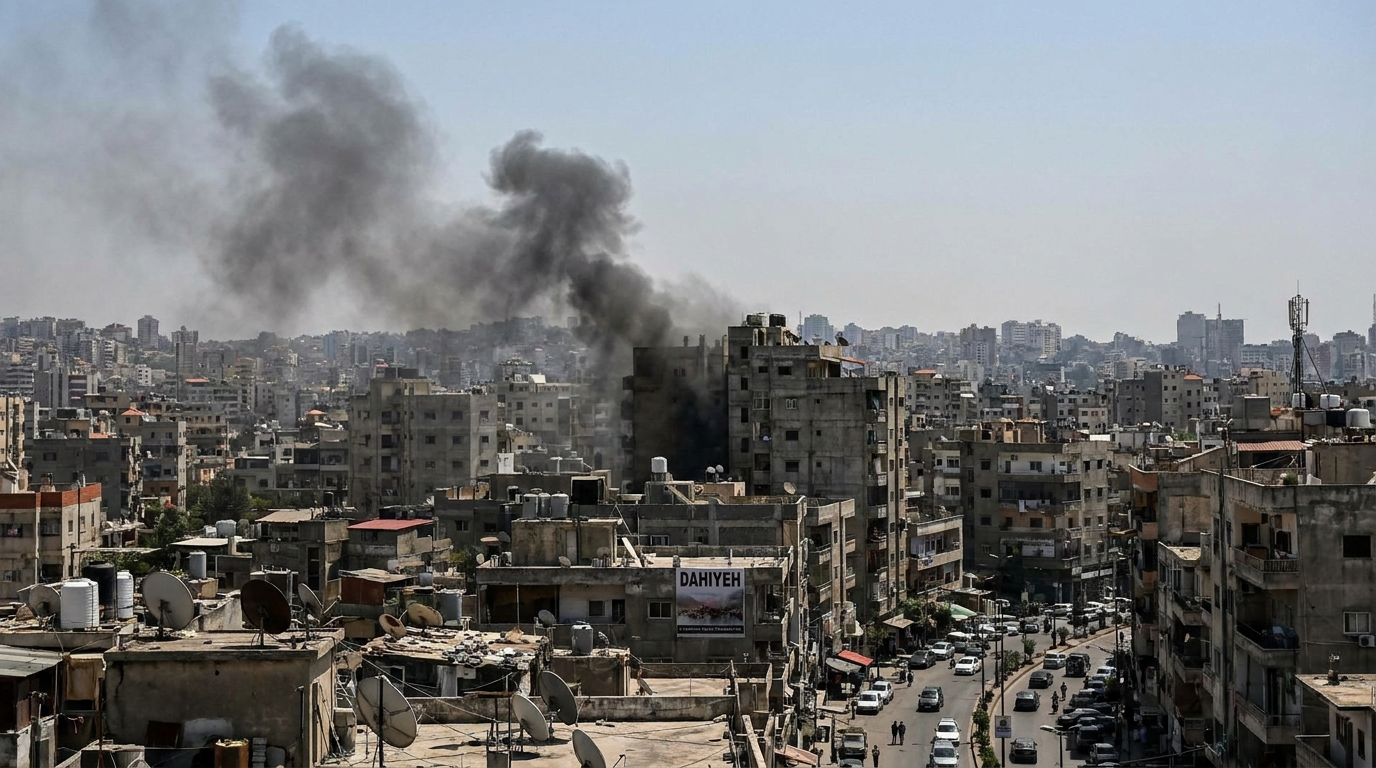
Complicating matters further, the anticipated signing coincides with a sharp military escalation in the Levant. On Sunday, the Israeli military launched targeted airstrikes against Hezbollah infrastructure in Beirut's southern suburbs, known as Dahiyeh. The strikes, which sent plumes of smoke over the Lebanese capital, followed a barrage of Hezbollah explosive drones fired into northern Israel earlier in the day.[1][2][9]
This parallel conflict threatens to derail the broader US-Iran diplomatic effort. Iran has explicitly demanded that any ceasefire agreement must encompass all regional fronts, including Lebanon, where its allied proxy Hezbollah is engaged in heavy fighting. Israel, which has been largely sidelined from the US-Iran negotiations, has signaled its intent to continue its military campaign against Hezbollah regardless of Washington's diplomatic timeline or pressure to de-escalate.[9][10]

The core mechanism of the proposed US-Iran deal relies on a phased de-escalation rather than an immediate, comprehensive treaty. The initial phase centers on a 60-day extension of the fragile ceasefire that has largely held since April. During this critical window, Iran would be required to immediately reopen the Strait of Hormuz—a vital maritime chokepoint through which nearly a fifth of the world's oil flows—to all commercial vessels without imposing tolls or restrictions.[3][6][8]
In exchange for reopening the waterway, the United States would lift its naval blockade on Iranian ports, a measure that has severely restricted the country's economy since it was implemented. The draft agreement also includes provisions for the unfreezing of billions of dollars in Iranian assets, estimated by some reports to be as high as $25 billion. However, the exact mechanism, phasing, and timeline for these financial transfers remain a major point of contention between the negotiating teams.[7][8]
The draft agreement also includes provisions for the unfreezing of billions of dollars in Iranian assets, estimated by some reports to be as high as $25 billion.
The most complex and heavily disputed element of the proposed deal involves the future of Iran's nuclear program. According to US officials, the memorandum establishes a framework that will eventually lead to the dismantling of Iran's highly enriched uranium stockpile and the imposition of a strict inspection regime. However, Iranian state media and officials have firmly denied this characterization, asserting that Tehran will retain its sovereign right to enrich uranium and that substantive nuclear discussions will only occur during the subsequent 60-day window.[4][6]
The ambiguity surrounding the nuclear provisions highlights the fundamental fragility of the agreement. The US administration is eager to frame the deal as a definitive end to Iran's nuclear ambitions, contrasting it favorably with previous international accords. Conversely, Iranian leadership appears to view the memorandum as a tactical pause designed to secure immediate economic relief and infrastructure reconstruction funds without preemptively surrendering its core strategic deterrents.[5][8]

The disconnect between Washington and Tehran is mirrored by a growing strategic rift between the United States and Israel. The Israeli government, led by Prime Minister Benjamin Netanyahu, has expressed deep disappointment with the emerging terms of the memorandum. Israeli officials argue that the deal falls dangerously short of the original war aims—which included destroying Iran's nuclear and ballistic missile capabilities—and leaves Israel vulnerable to a fully funded network of Iranian proxy forces across the Middle East.[3][4]
This deep-seated frustration is manifesting directly on the battlefield in Lebanon. The IDF's strikes on Beirut represent the most significant escalation in the Lebanese theater in a week, shattering a brief lull in the capital. The Israeli military stated that the strikes specifically targeted a Hezbollah command center that was actively being used to direct attacks against Israeli civilians and IDF troops operating in southern Lebanon.[2][9]
Prior to launching the strikes on the Lebanese capital, the IDF issued urgent evacuation orders for 29 villages and towns in southern Lebanon, signaling a potential expansion of its ground operations. Far-right Israeli ministers have publicly called for the systematic destruction of Hezbollah strongholds in Beirut, framing the northern front as a critical test of Israel's national security doctrine and its willingness to act independently of US diplomatic pressure.[2]
Hezbollah, a heavily armed Iran-backed militant group and political party, has consistently rejected direct negotiations and dismissed conditional ceasefire proposals that do not include a full withdrawal of Israeli troops from Lebanese territory. The group's continued rocket and drone attacks on northern Israeli communities ensure that the Lebanese front remains highly volatile and capable of triggering a wider regional war at any moment.[9]

The intersection of these two conflicts—the US-Iran diplomatic track and the Israel-Hezbollah military track—creates a precarious geopolitical knot. If Iran insists that the United States must rein in Israel's military operations in Lebanon as an absolute precondition for the deal, the entire agreement could collapse before the ink is dry. Conversely, if the US and Iran proceed with the signing, Israel may find itself increasingly isolated in its multi-front war against Iranian proxies.[3][10]
As mediators from Qatar and Pakistan work frantically to finalize the text, the coming days will test whether the mutual desire for economic relief and an end to direct US-Iran hostilities can outweigh deeply entrenched regional animosities. The electronic signing, if it ultimately occurs, will not mark the definitive end of the conflict, but rather the beginning of a highly complex, fraught, and uncertain 60-day negotiation period where the hardest compromises have yet to be made.[3][4]
How we got here
February 2026
The US and Israel launch a military campaign against Iran, sparking a broader regional conflict.
April 2026
A fragile ceasefire takes hold between the United States and Iran.
June 11, 2026
US President Donald Trump cancels planned strikes on Iran, claiming a peace agreement is imminent.
June 13, 2026
Pakistani Prime Minister Shehbaz Sharif and President Trump announce the deal will be signed within 24 hours.
June 14, 2026
Israel strikes Hezbollah targets in Beirut, complicating the anticipated signing of the US-Iran agreement.
Viewpoints in depth
US Administration's view
The US seeks to finalize a diplomatic victory that ends the war, reopens global shipping lanes, and contains Iran's nuclear ambitions.
For the US administration, the proposed Memorandum of Understanding represents a critical off-ramp from a costly four-month conflict. Officials emphasize that the deal achieves primary American objectives: reopening the Strait of Hormuz to stabilize global energy markets and establishing a strict 60-day framework to dismantle Iran's enriched uranium stockpile. The administration argues this phased approach provides immediate economic relief to the world while maintaining leverage over Tehran for future nuclear negotiations.
Iranian Leadership's view
Tehran views the agreement as a means to secure economic relief while fiercely protecting its nuclear rights and regional influence.
Iranian officials are projecting strength, framing the potential deal not as a capitulation, but as a necessary step to lift the crippling US naval blockade and unfreeze billions in assets. Tehran has explicitly pushed back against US claims regarding its nuclear program, insisting that it retains the sovereign right to enrich uranium. Furthermore, Iran views the inclusion of a ceasefire in Lebanon as a non-negotiable red line, ensuring its Hezbollah allies are protected from further Israeli offensives.
Israeli Government's view
Israel views the US-Iran deal as a dangerous capitulation that leaves its borders vulnerable and Iran's nuclear infrastructure intact.
Sidelined from the negotiations, the Israeli government has expressed profound disappointment with the emerging terms. Israeli officials argue that extending the ceasefire without immediately dismantling Iran's nuclear capabilities or neutralizing its proxy network constitutes a strategic failure. In response, Israel has intensified its military operations against Hezbollah in Lebanon, signaling that it will prioritize its own national security doctrine over Washington's diplomatic timeline, even if it risks derailing the broader peace agreement.
What we don't know
- Whether Iran will ultimately agree to the electronic signing without a guaranteed halt to Israeli operations in Lebanon.
- The exact mechanism and timeline for unfreezing up to $25 billion in Iranian assets.
- How the US plans to enforce the dismantling of Iran's enriched uranium stockpile during the 60-day negotiation window.
Key terms
- Strait of Hormuz
- A critical waterway between the Persian Gulf and the Gulf of Oman, through which nearly one-fifth of the world's oil supply passes.
- Dahiyeh
- A predominantly Shia suburb south of Beirut, Lebanon, known as a stronghold and command center for the Hezbollah militant group.
- Memorandum of Understanding (MOU)
- A formal, non-binding agreement outlining the broad terms of a potential final peace deal before all technical details are resolved.
- Naval Blockade
- The US military's restriction of maritime traffic into and out of Iranian ports, implemented to pressure Tehran economically.
Frequently asked
What is the proposed US-Iran deal?
It is a Memorandum of Understanding that would extend the current ceasefire by 60 days, reopen the Strait of Hormuz, lift the US naval blockade on Iran, and set a framework for future nuclear negotiations.
Why did Israel strike Beirut?
The Israeli military stated it targeted Hezbollah infrastructure in Beirut's southern suburbs in response to Hezbollah launching explosive drones into northern Israel.
Does the deal end the fighting in Lebanon?
This remains a major sticking point. Iran insists the ceasefire must cover all fronts, including Lebanon, while Israel, which is not part of the deal, continues its military campaign against Hezbollah.
Will Iran give up its nuclear program?
The US claims the deal will lead to the dismantling of Iran's enriched uranium stockpile, but Iranian officials have denied this, stating they will not compromise on their right to enrich uranium.
Sources
Source coverage
10 outlets
4 viewpoints surfaced









[1]Al JazeeraRegional Mediators
Israel attacks Beirut on same day Trump says Iran deal to be signed
Read on Al Jazeera →[2]The Times of IsraelIsraeli Government
IDF strikes Hezbollah target in Beirut after 3 drones hit northern Israel
Read on The Times of Israel →[3]The Washington PostUS Administration
U.S. and Iran to close deal within a day, Trump says, but Tehran yet to confirm
Read on The Washington Post →Pakistan claims US-Iran deal to be signed within 24 hours; Tehran pushes back
Read on The Times of Israel →[5]CBS NewsUS Administration
Live Updates: U.S.-Iran peace deal to be signed Sunday, Trump says
Read on CBS News →[6]AxiosUS Administration
What's in the Iran deal Trump says he's ready to sign
Read on Axios →[7]The GuardianIranian Leadership
Middle East crisis live: Trump says Iran deal will be signed today but sources tell media Tehran 'not yet' taken final decision
Read on The Guardian →[8]Institute for the Study of WarIranian Leadership
Iran Update Special Report, June 13, 2026
Read on Institute for the Study of War →[9]CNAIsraeli Government
Israel says struck Hezbollah targets in Beirut's southern suburbs
Read on CNA →[10]Council on Foreign RelationsRegional Mediators
Is a U.S.-Iran Deal Within Reach? Six Key Issues That Could Shape a Ceasefire
Read on Council on Foreign Relations →
More in news politics
See all 6 stories →Supreme Court
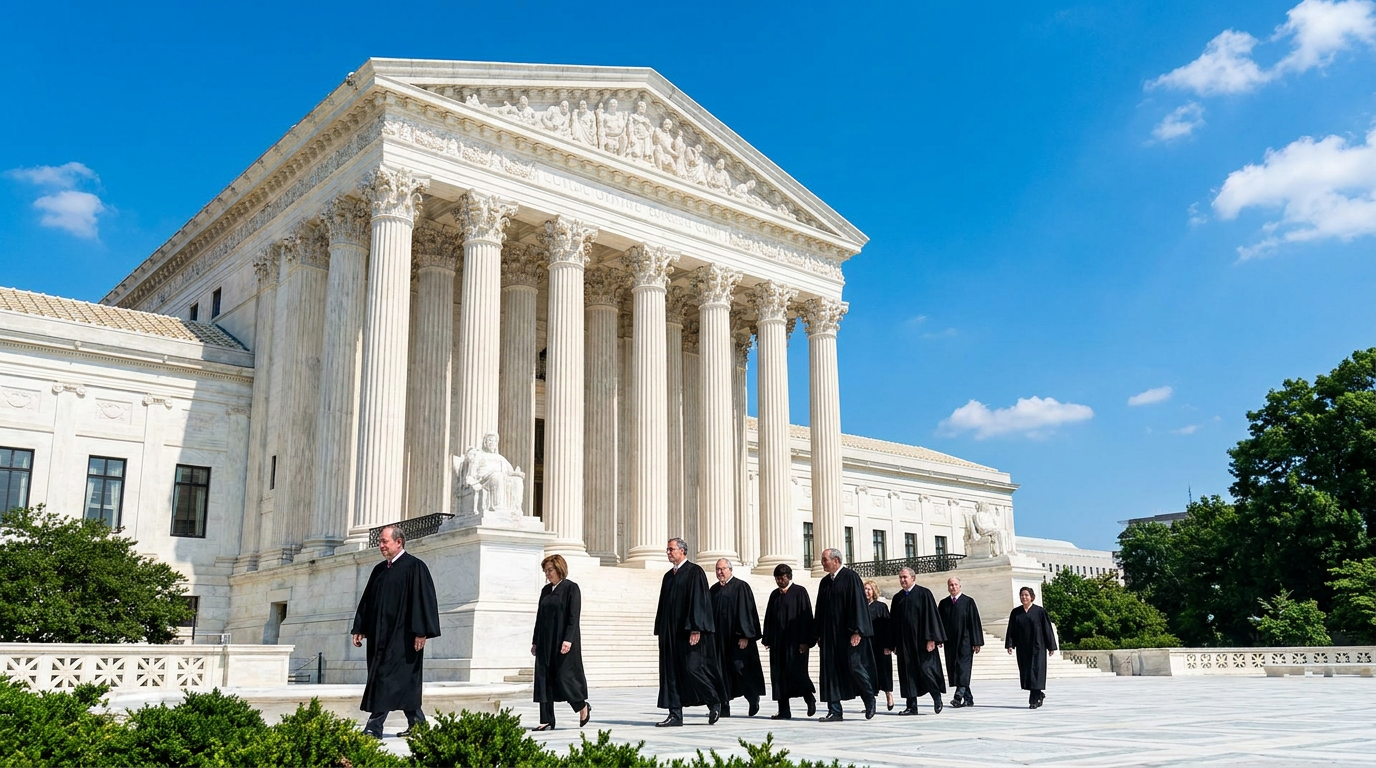
Supreme Court Enters Final Stretch With 23 Cases That Could Reshape Executive Power
0 sources
US-Iran Deal
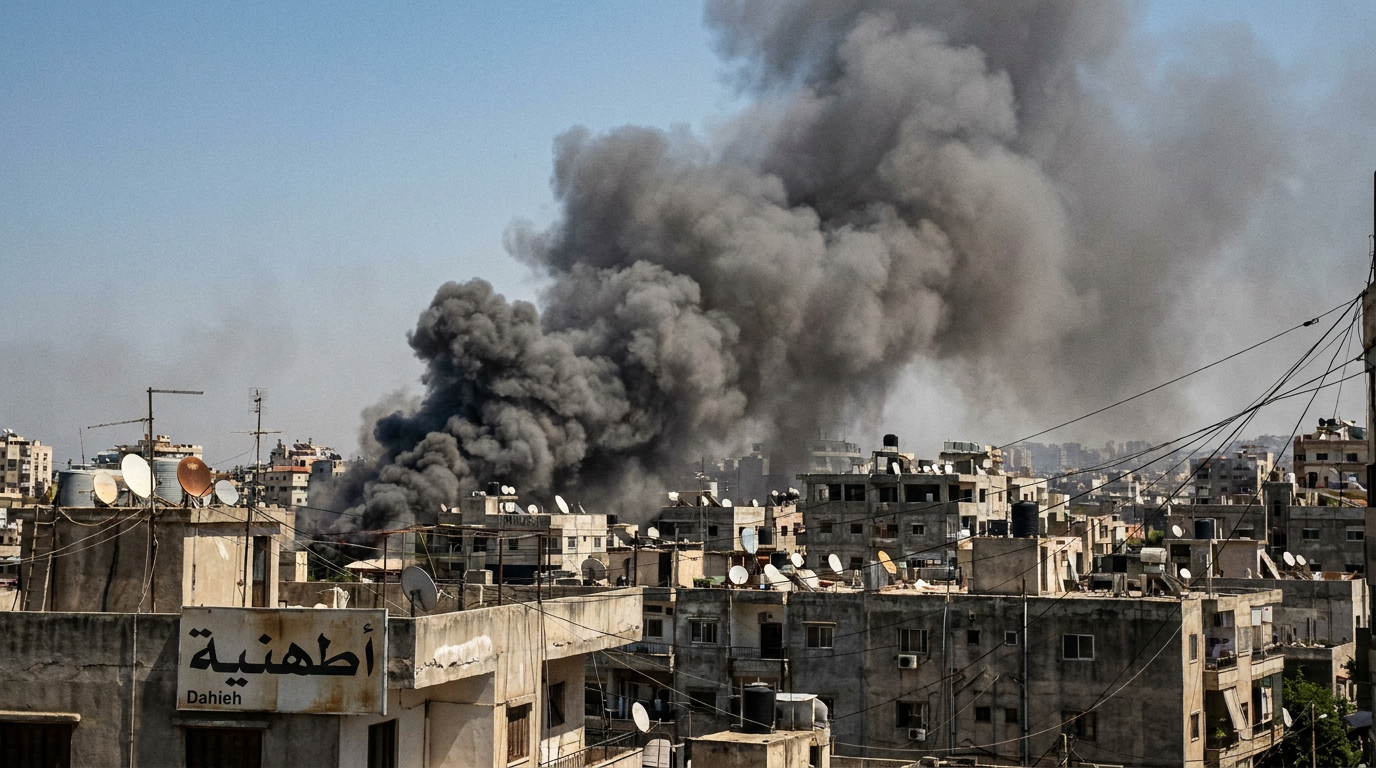
Israel Strikes Beirut as U.S. and Iran Near Potential Peace Deal
0 sources
Iran Diplomacy
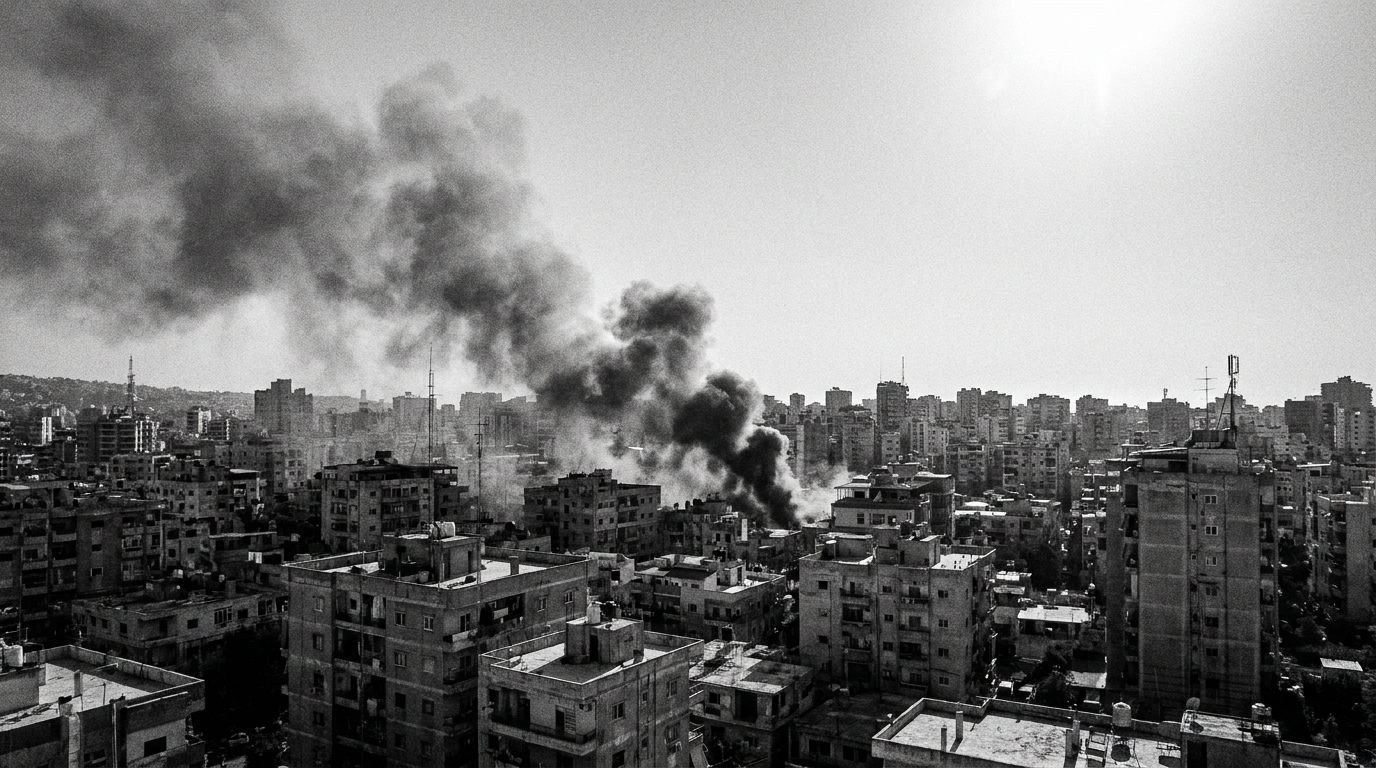
US and Iran Near Mediated Security Framework Amid Regional Pushback
0 sources
EV Transition
UK to Water Down 2030 Electric Vehicle Sales Targets Amid Industry Pressure
0 sources

Every angle. Every day.
Get news politics stories with full source coverage and perspective breakdowns delivered to your inbox.