
Zero-Waste Dining Becomes the New Standard as Michelin Evolves Its Sustainability Awards
The restaurant industry is embracing zero-waste cooking and hyper-local sourcing as fundamental practices in 2026, prompting the Michelin Guide to evolve its eco-friendly awards to reflect a new era of sustainable gastronomy.

The restaurant industry in 2026 has reached a definitive tipping point where "zero-waste" is no longer merely a buzzword or a niche marketing angle, but a fundamental operational standard. From luxury hotel dining rooms to independent neighborhood bistros, chefs are fundamentally rethinking how ingredients are sourced, utilized, and repurposed.
This shift is driven by a combination of environmental consciousness, consumer demand, and the stark economic realities of food costs. According to industry data, 91% of customers now prefer to patronize businesses that actively work to reduce food waste, pushing operators to adopt more sustainable practices from the earliest stages of menu planning.[1]
This mainstreaming of sustainable gastronomy is so profound that it is reshaping the industry's most prestigious accolades. In May 2026, the Michelin Guide announced a significant evolution in how it recognizes eco-friendly dining, confirming that its dedicated sustainability award, the Green Star, will be gradually phased out by the end of the year. Originally introduced in 2020, the Green Star was designed to highlight restaurants with commendable environmental practices, such as renewable energy use, sustainable sourcing, and regenerative agriculture.[3]
The decision to retire the Green Star reflects a broader industry consensus that sustainability should be the baseline expectation rather than an exception. In its place, Michelin is launching a new editorial initiative called "Mindful Voices."
Set to debut at the Michelin Guide Nordics ceremony in Copenhagen, this program will eschew a formal logo in favor of highlighting the stories and pioneering practices of chefs, hoteliers, and wine producers who are rewriting the rules of hospitality. The goal is to provide an educational platform that amplifies transformative experiences and encourages widespread adoption of eco-friendly methods.[3]
Even as the Green Star prepares for its sunset, it continues to spotlight trailblazers who are setting the new standard. In Florida's landmark first statewide Michelin selection in 2026, Tampa's Fat Beet Farm Kitchen and Bakery was awarded a Green Star for its innovative, committed vision for the future of food service.
Similarly, Tales by Chapter in Vietnam recently became the country's first zero-waste, plant-based dining destination to receive the distinction. The restaurant builds its seasonal menus entirely around native fruits, edible flowers, and locally grown produce, demonstrating that environmental responsibility can enhance culinary authenticity.
At the heart of this movement is a philosophy of creativity born from constraint. Chefs are increasingly employing "root-to-stem" and "nose-to-tail" methodologies, transforming food scraps that would traditionally be discarded into culinary centerpieces. Vivek Singh, founder of The Cinnamon Collection, notes that kitchens are utilizing offcuts to craft preserves, pickles, and ferments that complement main dishes while eliminating waste. This approach not only champions environmental stewardship but also serves as a smart financial strategy, helping restaurants boost their profit margins amid fluctuating supply costs.[1][2]
The zero-waste ethos is also scaling up through systemic changes in the food supply chain. The industry is witnessing a shift toward "upcycled functionalism," where industrial leftovers—such as spent grain from brewing or cacao pulp from chocolate production—are repurposed into high-value functional ingredients.
Business-to-business redistribution of this industrial surplus is expanding via digital secondary markets, enabling consistent sourcing within a circular economy. For research and development teams, the focus has turned to creating powders, flours, and concentrates that integrate seamlessly into existing meal systems, reducing friction for both chefs and consumers.
The luxury hospitality sector is aggressively adopting these practices, framing zero-waste approaches as strategic differentiators that build guest trust and pricing power. Data from the MICHELIN Key Hotels network indicates that zero-waste kitchen concepts are becoming a central feature of premium guest experiences worldwide.
Recent high-profile openings in Venice and the French Riviera are being positioned as "living laboratories" for sustainable luxury, blending heritage storytelling with modern waste-reduction technology. These operators recognize that affluent guests now expect a hospitality ecosystem that minimizes environmental impact without compromising on opulence or service quality.
Menu design across the broader industry is also evolving to reflect these mindful consumption habits. Restaurants are increasingly incorporating zero-waste garnishes repurposed from kitchen by-products, alongside fermented ingredients like kombucha and water kefir. Furthermore, as diners become more health-conscious and aware of the impacts of ultra-processed foods, there is a growing demand for dishes made with natural, gut-friendly whole foods. This has led to innovative protein options that blend smaller amounts of meat with fiber-rich plant alternatives like beans and lentils, blurring the traditional lines between carnivore and vegetarian diets.
Ultimately, the 2026 restaurant landscape demonstrates that sustainable dining is no longer a peripheral trend but the core of modern culinary innovation. Products and practices that enable automatic waste reduction through repeat usage are outperforming those that rely merely on sustainability messaging.
As the industry transitions from highlighting a few green pioneers to expecting environmental responsibility across the board, every meal becomes an opportunity to support local ecosystems. The future of gastronomy is being defined not just by the flavors on the plate, but by the mindful processes that bring them there.
Key points
- Zero-waste cooking and hyper-local sourcing have become fundamental operational standards for restaurants in 2026.
- The Michelin Guide is phasing out its Green Star award by the end of the year, replacing it with the 'Mindful Voices' initiative.
- This evolution reflects a broader industry consensus that sustainability should be a baseline expectation rather than an exception.
- Chefs are utilizing root-to-stem techniques and upcycled ingredients to boost profit margins and reduce environmental impact.
What we don’t know
- How smaller, independent restaurants with limited resources will adapt to the rising baseline expectations for zero-waste operations.
- Whether the removal of the formal Michelin Green Star logo will impact the marketing power of highly sustainable restaurants.
How we got here
2020
The Michelin Guide introduces the Green Star to highlight restaurants leading the way in sustainable gastronomy.
Late 2025
Industry analysts predict zero-waste cooking and upcycled ingredients will become central to restaurant growth and profitability.
May 2026
Michelin announces the gradual phase-out of the Green Star by the end of the year, to be replaced by the 'Mindful Voices' initiative.
June 2026
'Mindful Voices' officially launches at the Michelin Guide Nordics ceremony in Copenhagen.
- Sustainable Gastronomy Pioneers
- Chefs and restaurateurs who view zero-waste as an ethical imperative and a driver of culinary creativity.
- Industry Analysts & Economists
- Experts who emphasize the margin-boosting and supply-chain benefits of upcycling and waste reduction.
- Culinary Award Bodies
- Organizations evolving their standards to reflect sustainability as a baseline expectation rather than a niche achievement.
Perspectives this story doesn't cover
- Small-scale farmers supplying zero-waste restaurants
- Waste management facility operators
Sources
Source coverage
3 outlets
3 viewpoints surfaced



- [1]GloriaFoodIndustry Analysts & Economists
8 Restaurant Sustainability Trends in 2026
Read on GloriaFood → - [2]Entrepreneur LoopSustainable Gastronomy Pioneers
The Rise of Zero-Waste Culinary Innovation
Read on Entrepreneur Loop → - [3]SquareMealCulinary Award Bodies
Michelin Guide announces the end of the road for its Green Star
Read on SquareMeal →
More in Food & Drink
See all →Restaurant Tech
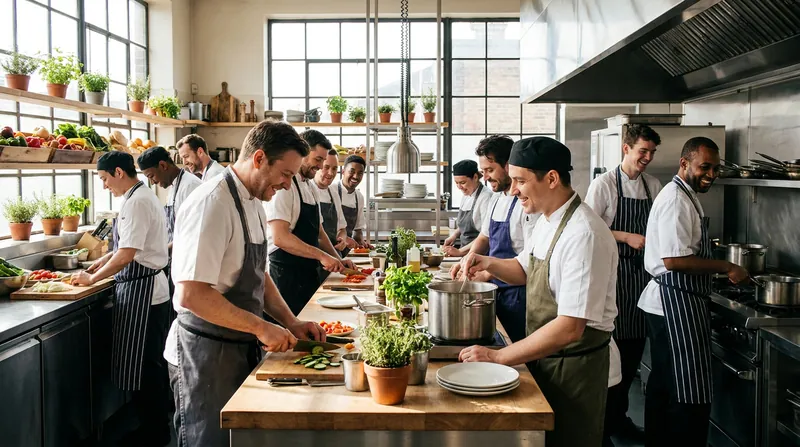
Restaurants Are Deploying Back-of-House AI to Bring Back 'Hyper-Hospitality'
3 sources
Culinary Awards
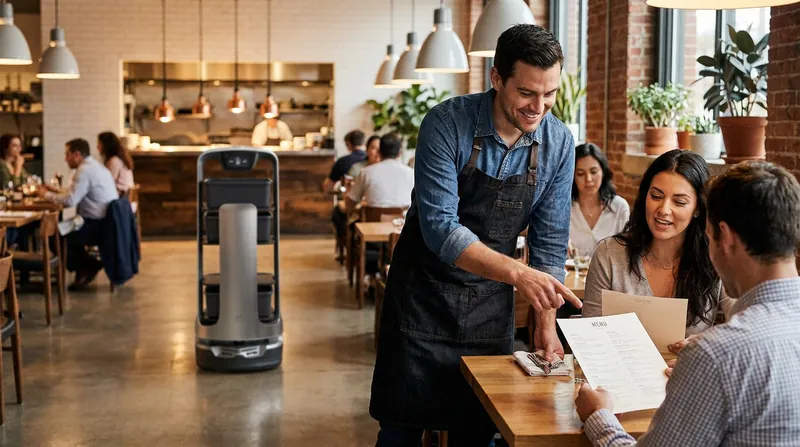
2026 James Beard Awards Highlight Regional Diversity and Immigrant Heritage in American Dining
2 sources
Culinary Awards
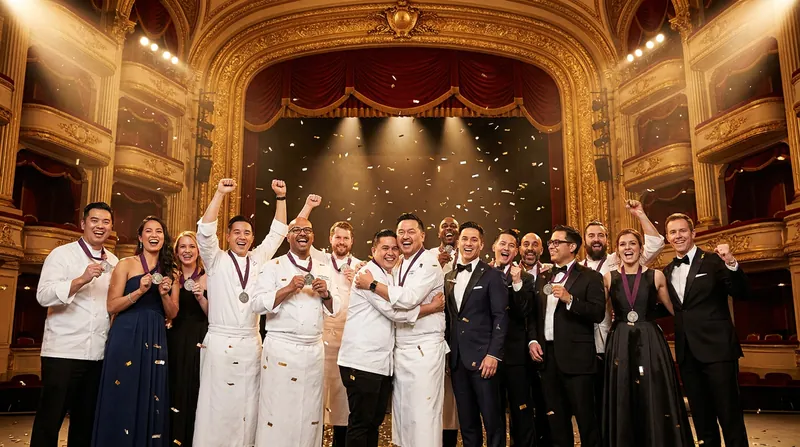
2026 James Beard Awards Celebrate Immigrant Roots as Diverse Chefs Sweep Top Honors
4 sources
Hyper-Cultural Dining
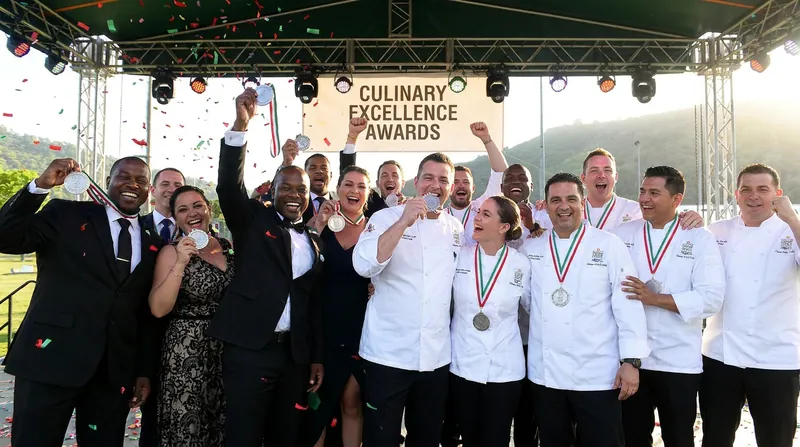
From Heritage to Haute Cuisine: Indigenous and Hyper-Cultural Menus Reshape Fine Dining in 2026
4 sources
Comments
Every angle. Every day.
Get Food & Drink stories with full source coverage and perspective breakdowns, free every day.