
How Passkeys Are Finally Killing the Password
Tech giants and social media platforms are replacing traditional passwords with passkeys, a cryptographic system that makes accounts mathematically immune to phishing.
By Factlen Editorial Team
- Platform Providers
- Tech giants prioritizing frictionless login and seamless account recovery.
- Cybersecurity Experts
- Advocates for device-bound keys who emphasize the cryptographic triumph over phishing.
- Privacy-Conscious Users
- Everyday users skeptical of biometric data collection and cloud ecosystem lock-in.
What's not represented
- · Enterprise IT Administrators
- · Password Manager Companies
Why this matters
Billions of passwords have been compromised in data breaches, leaving users vulnerable to identity theft and account takeovers. Passkeys fundamentally fix this by making accounts mathematically immune to phishing and server leaks, securing your digital life without requiring you to memorize complex strings of text.
Key points
- Passkeys replace traditional passwords with a cryptographic system that relies on a public and private key pair.
- Your private key never leaves your device, making it impossible for hackers to steal it during a server breach.
- Because passkeys are tied to specific website domains, they structurally eliminate the threat of phishing attacks.
- Tech giants like Apple, Google, and Meta have integrated passkeys to reduce login friction and improve security.
- Most consumer passkeys are synced to the cloud for easy recovery, though experts recommend hardware keys for maximum security.
It feels counterintuitive that a simple four-digit smartphone PIN or a quick face scan could possibly be more secure than a complex, 16-character password packed with symbols and numbers. Yet, across the tech industry, security experts are urging users to abandon passwords entirely in favor of these simple local prompts. The transition to passkeys represents a fundamental shift in how we prove our identity online, moving away from memorized phrases to cryptographic proofs.[1]
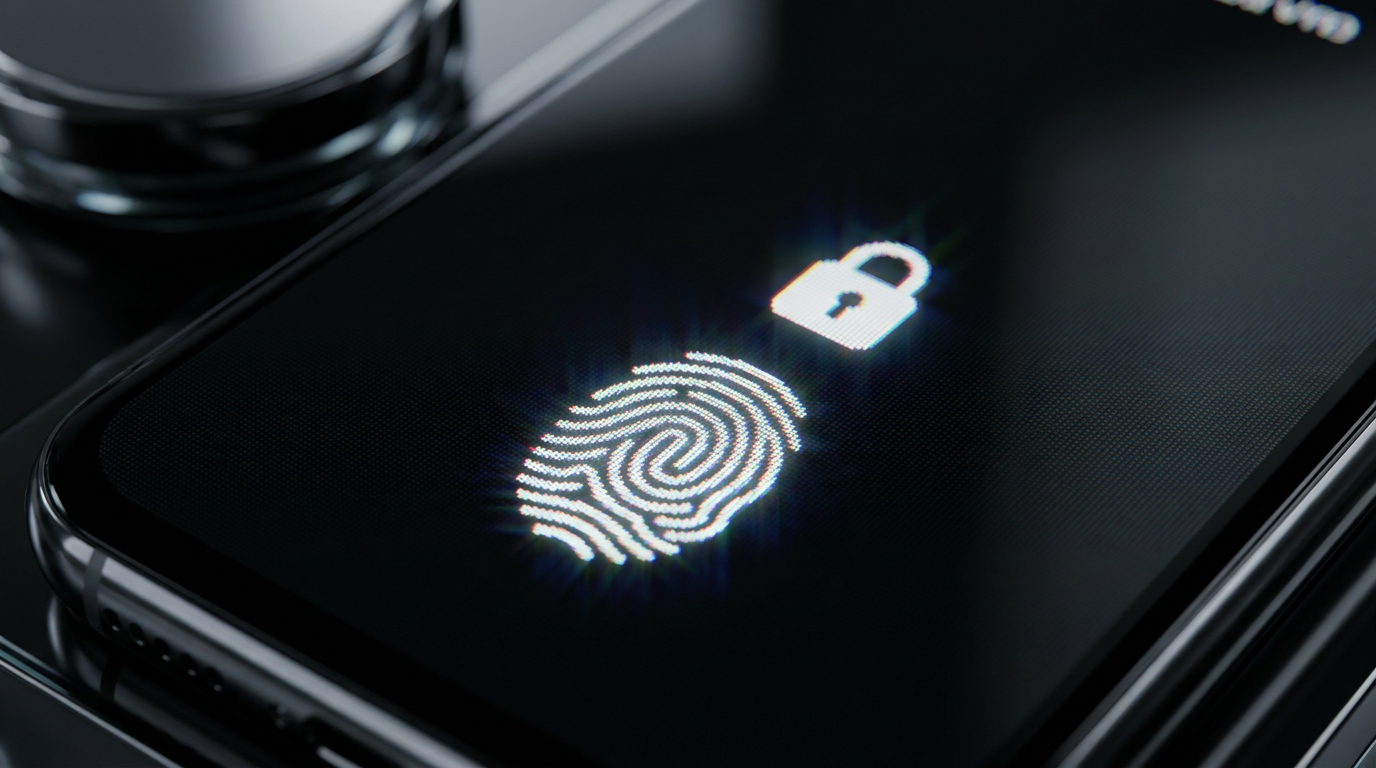
The confusion stems from a fundamental misunderstanding of what a passkey actually is. When a user types a PIN or scans their face to log into a passkey-enabled account, they are not sending that PIN or biometric data to the website. Instead, they are simply unlocking a secure vault on their own device. The biometrics act as a local gatekeeper, ensuring that the person holding the phone is actually the owner before the device communicates with the server.[2]
To understand why this is revolutionary, one must look at the fatal flaw of the traditional password: it is a "shared secret." For a password to work, both the user and the website must know it. The user types it in, the website checks it against a database, and if they match, access is granted. This system has underpinned the internet for decades, but it relies on an increasingly fragile promise that the website will keep the secret safe.[5]
Shared secrets are inherently vulnerable to human error and malicious attacks. If a hacker breaches a website's database, they can steal the hashed passwords and crack them offline. Worse, if a user is tricked into typing their password into a convincing fake website—a tactic known as phishing—the secret is instantly compromised. No matter how complex a password is, it becomes entirely useless the moment it is handed to the wrong person.[2]

Passkeys eliminate the shared secret entirely by utilizing asymmetric public-key cryptography. When a user creates a passkey for a social media or banking app, their device generates two mathematically linked keys. One is a "public key," which is sent to the website's server. The other is a "private key," which is locked away in the device's secure hardware chip.[2][5]
The public key is completely harmless if stolen. It acts like a digital padlock that can only be opened by the corresponding private key. Because the private key never leaves the user's device, there is nothing for a hacker to steal from the website's servers. A massive data breach at a major tech company would yield nothing but useless public keys, rendering traditional credential-stuffing attacks obsolete.[5]
The actual login process works through a "challenge and response" mechanism. When a user attempts to log in, the website sends a randomized mathematical puzzle—the challenge—to the user's device. The device then asks the user to authorize the action using their fingerprint, face scan, or local PIN. This is the only step the user actually sees, making the experience feel frictionless.[1][4]
The actual login process works through a "challenge and response" mechanism.
Once authorized, the device uses the hidden private key to solve the puzzle and signs the response, sending only the mathematical proof back to the server. The server verifies the proof using the public key and grants access. At no point does the private key or the biometric data travel across the internet. The math proves the user's identity without ever revealing the secret behind it.[2][4]
This architecture structurally defeats phishing. Passkeys are cryptographically bound to the specific domain where they were created. If a user is tricked into visiting a fake login page—for instance, "faceb00k.com" instead of the legitimate site—their device will recognize the domain mismatch and simply refuse to sign the challenge. The attack fails automatically, without relying on the user to spot the deception.[4]

Major platforms have spent the last few years quietly laying the groundwork for this transition. Apple, Google, and Microsoft have integrated passkey support deeply into their operating systems. Social media giants are now following suit; Meta recently rolled out passkey support for Facebook and Messenger mobile apps, joining platforms like X and TikTok in the push toward a passwordless future.[2][3]
However, the implementation of passkeys introduces a new set of trade-offs, particularly regarding account recovery. To prevent users from permanently losing access to their accounts if they drop their phone in a lake, Apple, Google, and Microsoft default to creating "synced passkeys." These keys are designed to travel with the user across their digital ecosystem.[4]
Synced passkeys are backed up to the cloud—via iCloud Keychain or Google Password Manager—and automatically populate across all of a user's devices. While this drastically improves convenience and prevents catastrophic lockouts, cybersecurity analysts point out a hidden vulnerability: the passkeys are now only as secure as the cloud account holding them.[4][5]
If a user's primary Google or Apple account is protected by a weak password and vulnerable SMS text-message recovery, an attacker who compromises that master account gains access to every synced passkey inside it. The strongest authentication system ever shipped to consumers can effectively be bypassed if the gatekeeper account remains weak, creating a single point of failure.[4]

For the highest level of security, experts recommend "device-bound" passkeys, which are stored on physical hardware security keys like a YubiKey. These keys cannot be synced to the cloud and cannot be extracted, meaning an attacker would need physical possession of the key to log in. While less convenient, they offer absolute cryptographic certainty for critical accounts.[4]
Despite the nuances of cloud syncing, the broad transition to passkeys represents the most significant upgrade to consumer digital security in two decades. While passwords will likely remain as fallback options for years to come, the era of relying on shared secrets to protect our digital lives is finally drawing to a close, replaced by a system that is both easier to use and vastly harder to break.[6]
How we got here
2022
Apple, Google, and Microsoft announce joint support for the FIDO Alliance's passkey standard.
2023
Google makes passkeys the default sign-in method for personal accounts.
2024
Major social platforms including X and TikTok begin rolling out passkey support.
2025
Meta introduces passkeys for Facebook and Messenger mobile apps.
2026
Passkeys become the recommended standard across the web, though passwords remain as fallbacks.
Viewpoints in depth
Cybersecurity Experts
Advocates for device-bound keys who emphasize the cryptographic triumph over phishing.
Security professionals view passkeys as the most significant authentication upgrade in decades because they structurally eliminate phishing. However, they caution against the tech industry's reliance on 'synced passkeys' stored in iCloud or Google accounts. Experts argue that syncing private keys to the cloud creates a single point of failure, recommending physical hardware keys (like YubiKeys) for truly unhackable, device-bound security.
Platform Providers
Tech giants prioritizing frictionless login and seamless account recovery.
Companies like Apple, Google, and Meta prioritize user convenience and account recovery. They argue that if passkeys are strictly device-bound, users who lose their phones will permanently lose access to their digital lives. By syncing passkeys to secure cloud ecosystems, platforms aim to eliminate password fatigue while providing a safety net that encourages mass adoption of the new standard.
Privacy-Conscious Users
Everyday users skeptical of biometric data collection and cloud ecosystem lock-in.
Many users remain hesitant about the transition, often confusing local biometric authentication with sending their face scans or fingerprints to corporate servers. Additionally, privacy advocates worry that synced passkeys deepen user reliance on Apple and Google ecosystems, making it harder to switch platforms without losing access to their accumulated digital credentials.
What we don't know
- How quickly smaller, independent websites will be able to afford and implement the infrastructure required for passkeys.
- Whether regulatory bodies will eventually mandate passkey adoption for critical infrastructure and financial institutions.
Key terms
- Passkey
- A digital credential tied to a user's device that uses public-key cryptography to log in without a password.
- Public Key
- The half of the cryptographic pair stored on the website's server, used to verify your identity.
- Private Key
- The secret half of the cryptographic pair stored securely on your device, never shared over the internet.
- Phishing
- A cyberattack where a malicious actor creates a fake website to trick users into handing over their passwords.
- Asymmetric Cryptography
- A security system that uses two different but mathematically linked keys to encrypt and sign data without sharing a secret.
Frequently asked
If I lose my phone, do I lose my passkeys?
No. Most consumer passkeys are synced to your cloud account (like iCloud Keychain or Google Password Manager), meaning they will automatically appear on your new device when you log in.
Does the website get my fingerprint or face scan?
No. Your biometrics never leave your device; they are only used locally to unlock the secure chip that holds your private key.
Can a hacker steal my passkey in a data breach?
No. A server breach only exposes the public key, which is mathematically useless without the private key stored securely on your device.
Do I still need a password manager?
Yes, for now. While major platforms support passkeys, many smaller websites still require traditional passwords as a fallback.
Sources
Source coverage
6 outlets
3 viewpoints surfaced






[1]The GuardianPrivacy-Conscious Users
Readers reply: Experts say we should use passkeys, but can a smartphone pin really be safer than a password?
Read on The Guardian →[2]Techno360
What Are Passkeys? The Passwordless Login Method Explained
Read on Techno360 →[3]Meta NewsroomPlatform Providers
Introducing Passkeys on Facebook and Messenger
Read on Meta Newsroom →[4]Addie LaMarrCybersecurity Experts
The Passkey Failure Mode Nobody Explains
Read on Addie LaMarr →[5]RealEyesCybersecurity Experts
Passkeys Explained: The End of the Shared Secret
Read on RealEyes →[6]Factlen Editorial Team
Synthesis by Factlen editorial team
Read on Factlen Editorial Team →

Every angle. Every day.
Get technology stories with full source coverage and perspective breakdowns delivered to your inbox.