
The Evidence Behind Passkeys: Why a 4-Digit PIN is Replacing the Password
Tech giants and security agencies are aggressively pushing passkeys as the successor to passwords. Here is the cryptographic evidence explaining why a simple device PIN or face scan offers vastly superior protection against phishing and data breaches.
By Factlen Editorial Team
- Security Standards Bodies
- Argue that passkeys are a necessary cryptographic evolution to eliminate phishing and credential stuffing.
- Platform Providers
- Focus on integrating passkeys seamlessly into operating systems to improve user experience and security.
- Privacy & Usability Advocates
- Support the security benefits but warn against ecosystem lock-in and the risks of centralizing identity in cloud accounts.
What's not represented
- · Elderly or non-technical users who struggle with biometric hardware
- · Enterprise IT administrators managing legacy systems
Why this matters
Passwords are the root cause of over 80% of data breaches, leaving consumers vulnerable to identity theft and financial fraud. Understanding how passkeys work empowers users to lock down their digital lives without the anxiety of memorizing complex character strings.
Key points
- Passkeys replace passwords with public key cryptography, eliminating the 'shared secret' vulnerability.
- Biometric data (fingerprints, Face ID) never leaves the user's device; it only unlocks the local cryptographic key.
- Origin binding ensures passkeys cannot be tricked by visually identical phishing websites.
- Syncable passkeys allow users to recover their accounts via cloud backups if a device is lost.
- New industry standards are being developed to allow users to easily move passkeys between different ecosystems.
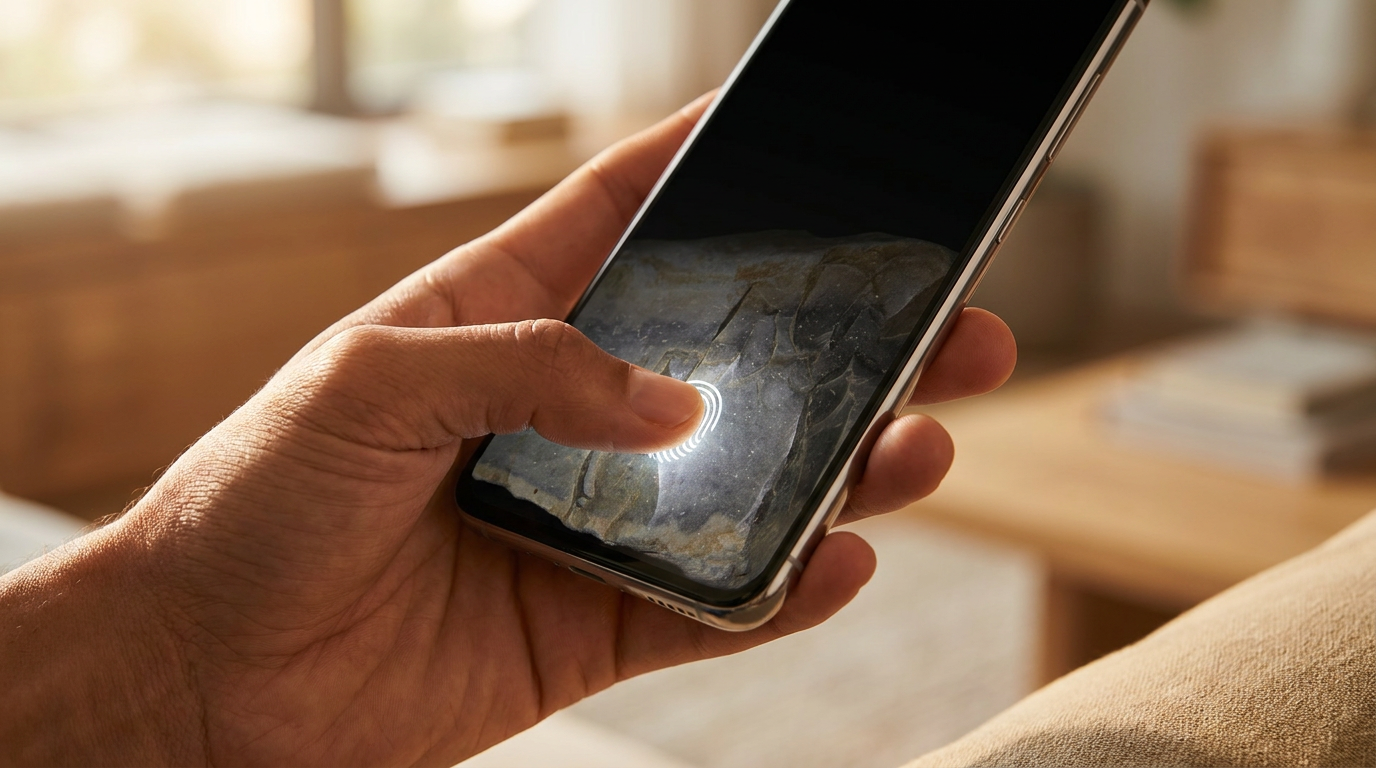
The password is dying, and many users are deeply suspicious of its replacement. Across the internet, prompts to "create a passkey" are rapidly replacing traditional login screens, asking users to rely on their smartphone's fingerprint reader, Face ID, or a simple four-digit PIN to secure their most sensitive accounts.[1][4]
For decades, cybersecurity hygiene has been defined by complexity: use long, random strings of characters, include symbols, and never write them down. The sudden pivot to passkeys creates an understandable cognitive dissonance for the general public. How can a four-digit PIN on a smartphone possibly be more secure than a 16-character alphanumeric password stored in a secure vault?[1][5]
The answer lies in a fundamental shift in how authentication works. To understand the evidence behind passkeys, one must first understand the fatal flaw of the password: it is a "shared secret." When you log into a website with a password, you must transmit that secret across the internet to the server, which then verifies it against its own database.[2][8]
If that database is breached, or if a user is tricked into typing their password into a convincing fake website—a tactic known as phishing—the secret is compromised. According to the US Cybersecurity and Infrastructure Security Agency (CISA), compromised credentials remain the primary vector for corporate and personal data breaches worldwide.[7]
Passkeys eliminate the shared secret entirely. Built on the WebAuthn standard developed by the FIDO Alliance and the World Wide Web Consortium, passkeys utilize public key cryptography, a mathematical framework that has secured high-level government and financial communications for decades.[2]

When a user creates a passkey for a website, their device generates a mathematically linked pair of cryptographic keys. The "public key" is sent to the website's server. The "private key" never leaves the user's device, locked safely inside a hardware-level secure enclave.[2][6]
The primary claim made by security experts is that passkeys eliminate phishing. The evidence for this claim is exceptionally strong. Because the private key never leaves the device, it cannot be intercepted in transit or stolen from a server database. Even if a hacker breaches the website's servers, they only find public keys, which are mathematically useless without the private key.[2][7]
Furthermore, passkeys employ a mechanism called "origin binding." The cryptographic signature generated by the device is inextricably linked to the specific, legitimate domain of the website. If a user is lured to a visually identical phishing site, the device will simply refuse to authenticate, because the origin domain does not match the key's original registration.[2][5]

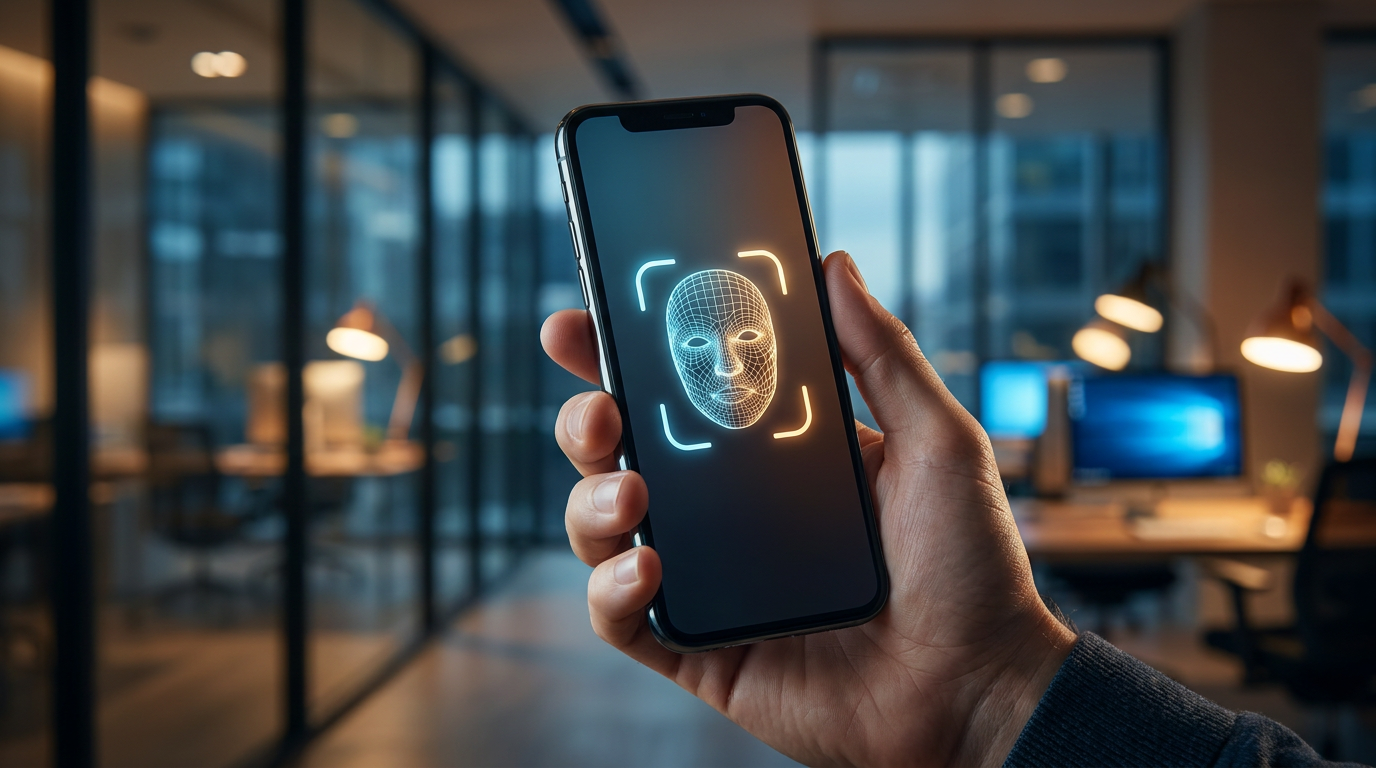
A persistent consumer fear is that using Face ID or Touch ID for web logins means transmitting biometric data to third-party servers. Security researchers and platform providers uniformly confirm this is false, and the cryptographic standards explicitly forbid it.[1][6]
A persistent consumer fear is that using Face ID or Touch ID for web logins means transmitting biometric data to third-party servers.
The biometric scan or device PIN is merely the local mechanism used to unlock the secure enclave on the device itself. Once unlocked, the device uses the private key to sign a cryptographic challenge from the server. The website only receives the mathematical proof of the signature, never the fingerprint or face map.[4][6]
However, the transition to passkeys is not without legitimate friction points. Early implementations faced criticism regarding device loss: if a private key is bound to a single physical phone, dropping that phone in a lake could mean permanent lockout from associated accounts.[5][8]
To solve this, Apple, Google, and Microsoft introduced "syncable passkeys." The private keys are end-to-end encrypted and backed up to the user's cloud account, such as iCloud Keychain or Google Password Manager. If a device is lost, the user can recover their passkeys by signing into their cloud account on a new device.[4][6]
This introduces a new attack vector: the cloud account itself becomes the master key. The National Institute of Standards and Technology (NIST) has published extensive guidelines on the security trade-offs of syncable authenticators, noting that while they vastly improve usability and recovery, they require the underlying cloud account to be exceptionally well-secured with hardware keys or robust multi-factor authentication.[3]
Another major concern is ecosystem lock-in. Historically, moving a passkey from an iPhone to an Android device, or from iCloud to a third-party password manager like 1Password, has been difficult or impossible, leading critics to argue that tech giants are using passkeys to build anti-competitive walled gardens around digital identity.[5][8]

In response to these concerns, the FIDO Alliance recently published draft specifications for the Credential Exchange Protocol (CXP) and Credential Exchange Format (CXF). Once fully implemented, these standards will allow users to securely export and import passkeys across different providers, much like exporting a CSV file of traditional passwords.[2][8]
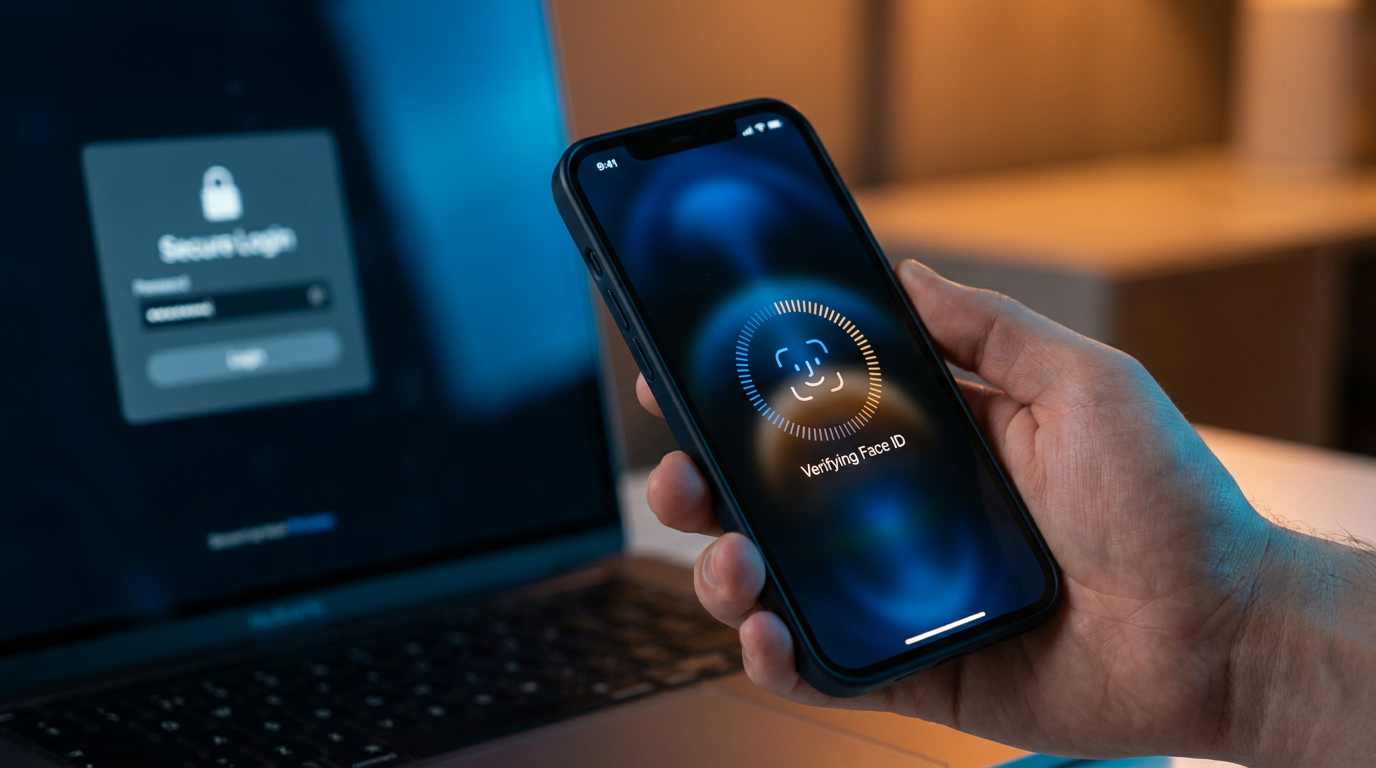
Until these standards are universally adopted, users can utilize cross-device authentication—using a smartphone to scan a QR code on a Windows laptop to log in—but true, seamless portability remains a work in progress for the industry.[4][5]
Despite these growing pains, the consensus among cybersecurity professionals is absolute: the transition to passkeys represents the most significant upgrade to consumer digital security in the history of the internet.[3][7]
By removing the human element from the authentication equation—eliminating the need to memorize complex strings or spot sophisticated phishing URLs—passkeys shift the burden of security from the user to the cryptographic hardware. The four-digit PIN is not the password; it is merely the key to the vault.[1][2][6]

How we got here
2013
The FIDO Alliance is formed to develop open standards for passwordless authentication.
2019
The World Wide Web Consortium (W3C) makes WebAuthn an official web standard.
2022
Apple, Google, and Microsoft announce expanded support for the FIDO standard, accelerating consumer passkey adoption.
2024
Major consumer platforms, including Amazon, WhatsApp, and TikTok, roll out passkey support to billions of users.
2026
The FIDO Alliance drafts new specifications to allow seamless transfer of passkeys between different password managers and operating systems.
Viewpoints in depth
Cryptographic Consensus
Security experts view passkeys as the definitive solution to credential theft.
Organizations like CISA and NIST, alongside independent cryptographers, argue that human beings are fundamentally incapable of managing passwords securely. Because passkeys rely on public key cryptography and origin binding, they remove the human element from the security equation entirely. From this perspective, the transition to passkeys is not just an upgrade, but a necessary structural fix to the internet's oldest vulnerability.
Usability Skeptics
Advocates who point out the friction of cross-platform usage and account recovery.
While acknowledging the mathematical superiority of passkeys, usability advocates highlight the real-world friction users face. Recovering a lost passkey relies heavily on the security of cloud accounts (like iCloud or Google), which themselves can be targeted. Furthermore, the confusing user experience of trying to log into a Windows computer using an iPhone passkey via QR codes leaves many non-technical users frustrated and longing for the simplicity of a typed password.
Ecosystem Lock-in Critics
Tech watchdogs concerned about the centralization of digital identity.
Critics argue that by tying passkeys to specific operating systems or proprietary cloud vaults, tech giants are creating anti-competitive moats. If a user's entire digital identity is locked inside Apple's iCloud Keychain, switching to an Android device becomes prohibitively difficult. These critics are pushing heavily for the rapid adoption of the Credential Exchange Protocol (CXP) to ensure users, not corporations, own their digital keys.
What we don't know
- How quickly enterprise and legacy banking systems will fully abandon passwords in favor of passkeys.
- When seamless, cross-platform passkey exporting (CXP/CXF) will be universally supported by all major tech companies.
- How the legal system will handle passkeys, specifically regarding whether law enforcement can compel a user to unlock a device biometrically versus providing a memorized password.
Key terms
- WebAuthn
- The core web standard that allows servers to register and authenticate users using public key cryptography instead of passwords.
- Public Key Cryptography
- A cryptographic system that uses pairs of keys: public keys which may be disseminated widely, and private keys which are known only to the owner.
- Secure Enclave
- A dedicated, isolated subsystem within a device's processor designed to keep sensitive data, like biometric maps and private cryptographic keys, completely secure.
- Origin Binding
- A security feature where a passkey is mathematically tied to the specific website domain it was created for, preventing it from being used on fake phishing sites.
- Phishing
- A cyberattack where criminals impersonate legitimate organizations via email or fake websites to trick users into revealing sensitive information like passwords.
Frequently asked
Does a website get my fingerprint when I use a passkey?
No. Your biometric data never leaves your device. The fingerprint or face scan simply unlocks a cryptographic key stored locally, which then mathematically proves your identity to the website.
What happens if I lose my phone?
Most modern passkeys are 'syncable.' If you lose your phone, you can recover your passkeys by signing into your Apple iCloud or Google account on a new device.
Can I use an Apple passkey on a Windows computer?
Yes, through cross-device authentication. You can choose to log in with a passkey on your Windows computer, which will display a QR code. Scanning that code with your iPhone will authenticate the login.
Why is a 4-digit PIN safer than a long password?
A password can be stolen from a server or intercepted online. A device PIN only works locally on the specific physical device it was set up on, meaning a hacker halfway across the world cannot use your PIN to access your accounts.
Sources
Source coverage
8 outlets
3 viewpoints surfaced








[1]The GuardianPrivacy & Usability Advocates
Readers reply: Experts say we should use passkeys, but can a smartphone pin really be safer than a password?
Read on The Guardian →[2]FIDO AllianceSecurity Standards Bodies
Passkeys: The Future of Authentication
Read on FIDO Alliance →[3]NISTSecurity Standards Bodies
Digital Identity Guidelines: Authentication and Lifecycle Management
Read on NIST →[4]WiredPrivacy & Usability Advocates
How to Set Up Passkeys to Replace Your Passwords
Read on Wired →[5]Ars TechnicaPrivacy & Usability Advocates
The passkey revolution is here, but ecosystem lock-in remains a threat
Read on Ars Technica →[6]Apple Security ResearchPlatform Providers
Security of passkeys in iOS and macOS
Read on Apple Security Research →[7]CISASecurity Standards Bodies
Implementing Phishing-Resistant MFA
Read on CISA →[8]TechCrunchPlatform Providers
FIDO Alliance drafts new specs to make moving passkeys easier
Read on TechCrunch →
Every angle. Every day.
Get technology stories with full source coverage and perspective breakdowns delivered to your inbox.