
US and Iran Near Mediated Security Framework Amid Regional Pushback
Mediators in Oman are reportedly finalizing an interim agreement between the US and Iran aimed at capping nuclear enrichment in exchange for targeted sanctions relief, though regional strikes and domestic hardliners threaten to derail the pact.
By Factlen Editorial Team
- US Administration
- Views the interim agreement as a pragmatic necessity to halt nuclear escalation and stabilize the region.
- Iranian Hardliners
- Deeply skeptical of US commitments and demand ironclad economic guarantees before agreeing to nuclear caps.
- Israeli Defense Establishment
- Fears that sanctions relief will fund regional proxies and views the deal as a dangerous concession.
- Regional Mediators
- Focused on immediate de-escalation to protect global shipping and prevent a broader Middle Eastern war.
What's not represented
- · Iranian civilian population facing economic hardship
- · Lebanese civilians affected by proxy conflicts
Why this matters
A finalized agreement could de-escalate years of shadow warfare in the Middle East and stabilize global energy markets by capping Iran's nuclear program. Conversely, a collapse of the talks could trigger a direct regional conflict and spike global oil prices.
Key points
- US and Iranian officials are nearing an interim 'freeze-for-freeze' nuclear and security agreement mediated by Oman.
- The deal would cap Iran's uranium enrichment at 60% in exchange for unfreezing $15 billion in foreign-held assets.
- Iranian hardliners are demanding strict guarantees that future US administrations will not withdraw from the pact.
- Israel strongly opposes the deal, warning that sanctions relief will fund regional proxy groups.
- Recent Israeli airstrikes in Beirut are viewed by analysts as a potential attempt to test Iran and derail the negotiations.
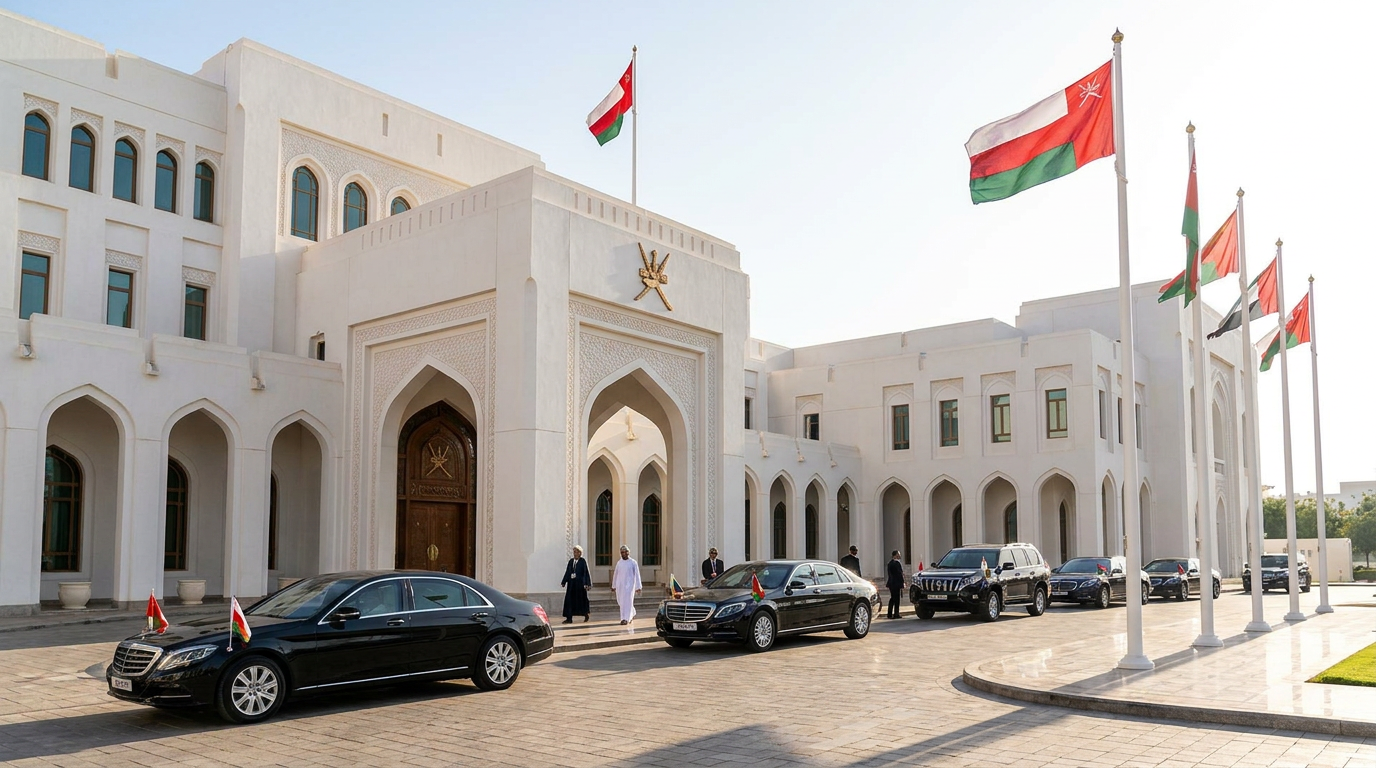
United States and Iranian officials are reportedly in the final stages of drafting a mediated security and nuclear framework, signaling a potential diplomatic breakthrough after years of escalating regional tensions. The indirect talks, hosted primarily in Muscat, Oman, have accelerated in recent weeks, with Qatari and Swiss diplomats shuttling between the two delegations. Negotiators are attempting to finalize a "freeze-for-freeze" arrangement designed to halt the immediate threat of nuclear proliferation while providing Tehran with a desperately needed economic lifeline.[1][2]
Under the proposed terms currently circulating among diplomats, Iran would agree to cap its uranium enrichment at 60% purity—well below the 90% threshold required for weapons-grade material—and permit expanded oversight by the International Atomic Energy Agency (IAEA). In exchange, the United States would unfreeze approximately $15 billion in Iranian assets held in foreign accounts, primarily in South Korea and Iraq, while issuing targeted waivers for Iranian oil exports to specific Asian markets.[2][3]

The push for a diplomatic resolution marks a significant foreign policy maneuver for the Trump administration, which has prioritized forging a new, strictly enforced agreement over attempting to resurrect the defunct 2015 Joint Comprehensive Plan of Action (JCPOA). Administration officials have argued in recent briefings that this new framework provides tighter, more immediate guardrails on Tehran's nuclear ambitions, framing it as a pragmatic step to stabilize the region while maintaining broader economic leverage.[3][4]
However, the anticipated deal faces fierce resistance within Iran's domestic political landscape. Hardline factions within the Iranian parliament and the Islamic Revolutionary Guard Corps (IRGC) are publicly demanding legally binding guarantees that future U.S. administrations cannot unilaterally withdraw from the pact. State media in Tehran has amplified these concerns, warning that any agreement lacking structural economic protections would be viewed as a capitulation to Western pressure.[1][6]
However, the anticipated deal faces fierce resistance within Iran's domestic political landscape.
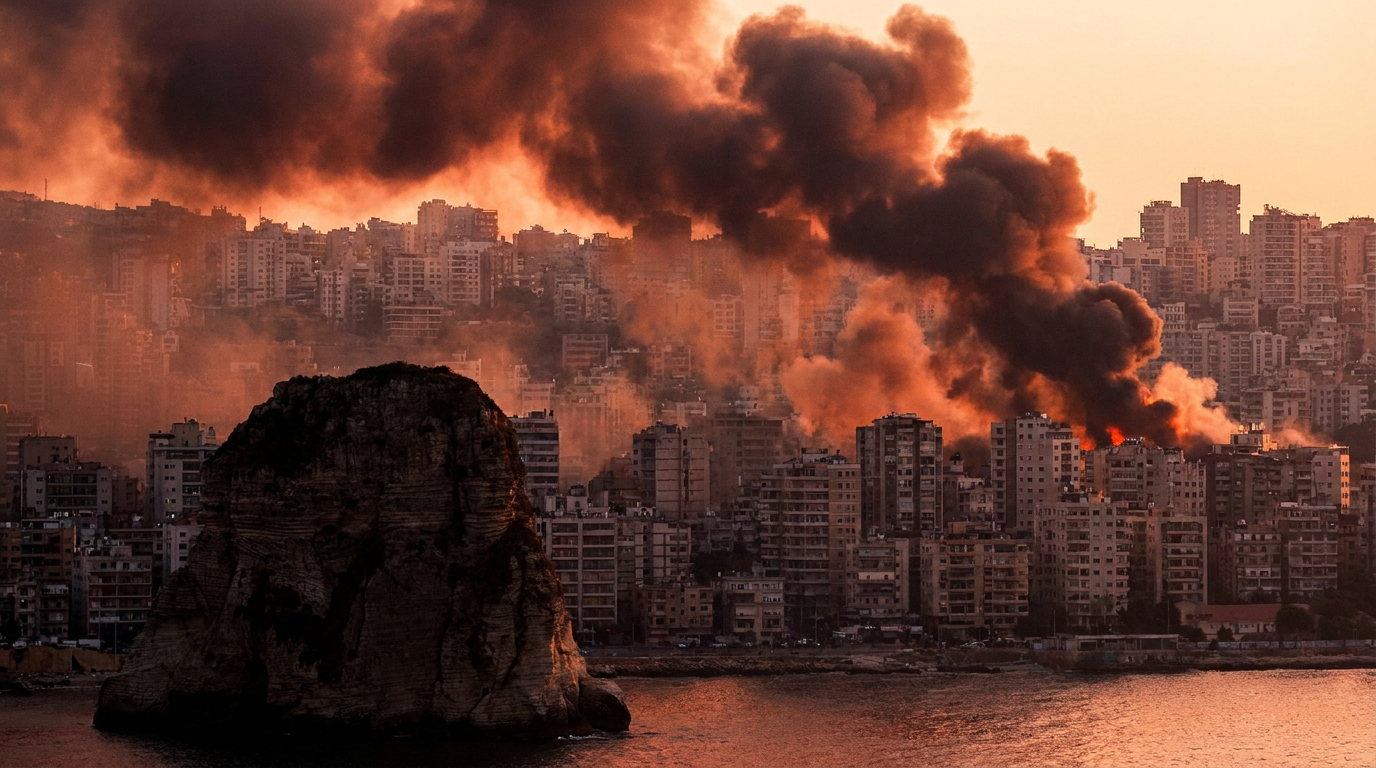
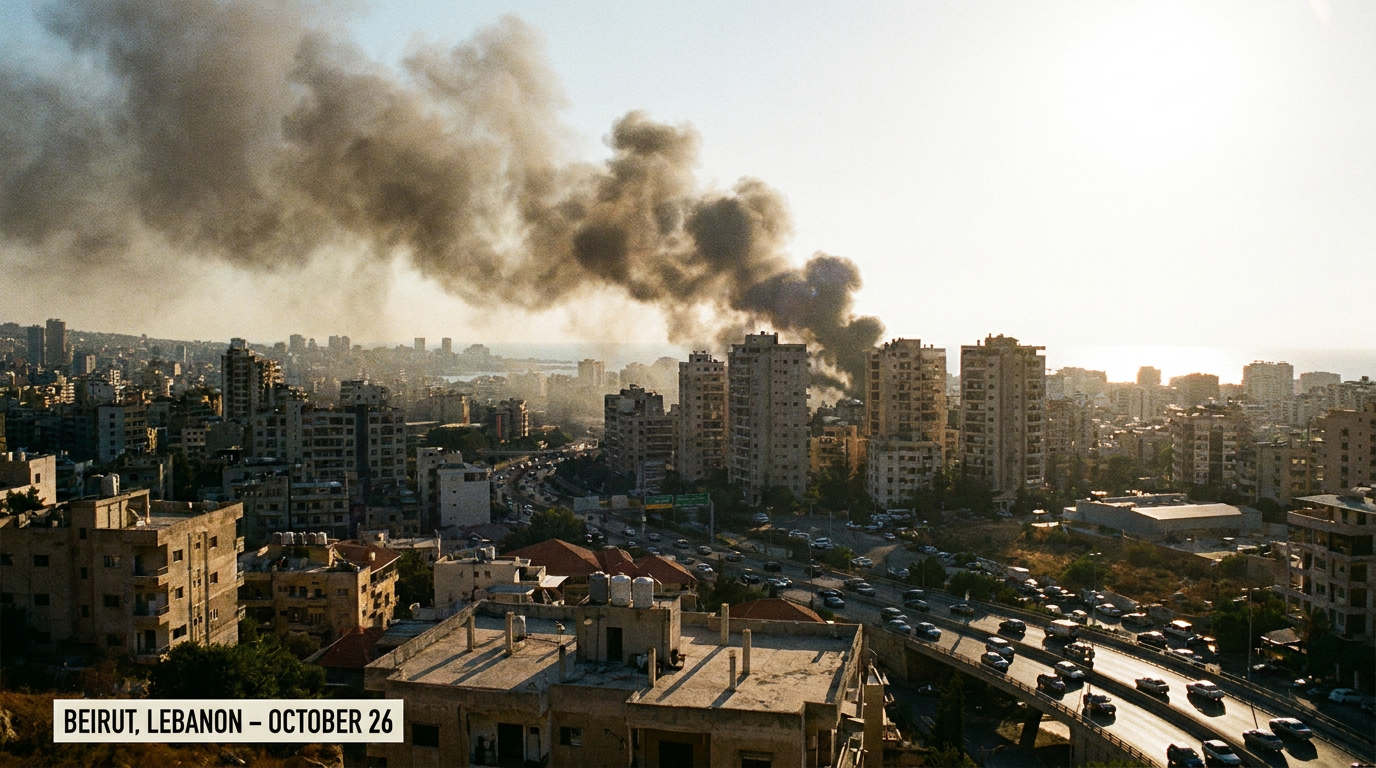
The regional environment surrounding the talks remains highly volatile, threatening to upend the delicate diplomatic progress. Recent Israeli airstrikes in Beirut, which targeted Hezbollah infrastructure, are being interpreted by regional analysts as a calculated attempt to test Iran's red lines and potentially derail the negotiations in Oman. The strikes underscore the fragility of the broader Middle Eastern security architecture, where proxy conflicts frequently spill over into direct state-on-state confrontations.[1][5]
Israeli officials have publicly expressed deep skepticism regarding the Muscat talks. Defense leaders in Jerusalem argue that any sanctions relief will simply fund Iranian proxy networks across the Levant, including Hezbollah and Hamas. The Israeli government maintains that it will not be bound by any interim agreement reached by Washington and reserves the right to act independently—including preemptive military action—against Iran's nuclear facilities if it deems the threat imminent.[5]
European diplomats, who have played a supporting role alongside the Gulf mediators, are urging both sides to finalize the technical annexes before the end of the month. The European Union has stressed that securing this interim step is critical to preventing a full-scale regional war that could severely disrupt global shipping through the Strait of Hormuz, a chokepoint for roughly a fifth of the world's daily oil consumption.[7]

Global energy markets are monitoring the negotiations closely. Brent crude prices dipped slightly on rumors of the impending deal, as traders began pricing in the potential return of up to 1 million barrels per day of Iranian oil to the legitimate market if the export waivers are implemented. However, energy analysts caution that the market remains highly sensitive to the risk of a sudden breakdown in talks, which could instantly reverse the downward price pressure.[2]
Negotiators have reportedly set a soft deadline for late June to resolve the remaining disputes over the sequencing of the asset unfreezing and the exact parameters of the IAEA inspections. If the framework holds, it will require navigating intense domestic political gauntlets in both Washington and Tehran before any tangible implementation can begin, leaving the ultimate success of the Oman backchannel highly uncertain.[3][6]
How we got here
2018
The US unilaterally withdraws from the 2015 JCPOA nuclear agreement, reimposing heavy sanctions on Iran.
2020–2025
Iran steadily increases its uranium enrichment levels up to 60%, while regional proxy conflicts escalate.
Early 2026
Oman and Qatar successfully re-open backchannel communications between Washington and Tehran.
June 2026
Mediators report that a framework for an interim 'freeze-for-freeze' agreement is nearing completion.
Viewpoints in depth
The US Strategy
The administration views the interim deal as a necessary mechanism to halt nuclear progress and stabilize the region.
For Washington, the primary objective is to put an immediate ceiling on Iran's nuclear program before it crosses the threshold of weapons-grade enrichment. By offering targeted sanctions relief rather than a comprehensive lifting of all economic barriers, the administration believes it can maintain long-term leverage. Officials argue this pragmatic approach is superior to the defunct 2015 JCPOA because it focuses on immediate, verifiable caps while avoiding the political quagmire of a sweeping treaty.
Tehran's Internal Debate
Iranian leadership is divided between the need for economic relief and deep distrust of Western commitments.
Iran's economy has been severely battered by years of sanctions, making the unfreezing of $15 billion highly attractive to pragmatic factions within the government. However, hardliners in the parliament and the IRGC view any concession on the nuclear program as a surrender. They point to the 2018 US withdrawal from the previous agreement as proof that Washington cannot be trusted, and are demanding structural, legally binding guarantees that the economic benefits of this new deal cannot be abruptly revoked.
Israel's Security Concerns
The Israeli defense establishment views any financial relief to Iran as a direct threat to its national security.
Israel operates on the doctrine that Iran must be prevented from obtaining nuclear capabilities at all costs, but it also views Iran's conventional proxy network as an existential threat. Defense officials argue that unfreezing billions of dollars will inevitably lead to increased funding for Hezbollah in Lebanon and Hamas in Gaza. Consequently, Israel has signaled it will not be bound by the Oman framework and has intensified its military posture in the region, as evidenced by recent strikes in Beirut, to maintain its deterrence.
What we don't know
- Whether Iranian hardliners will ultimately accept the terms without the ironclad guarantees they are demanding.
- How Israel might retaliate militarily if the agreement is officially signed and implemented.
- The exact timeline for when the $15 billion in frozen assets would be transferred and made accessible to Tehran.
Key terms
- IAEA
- The International Atomic Energy Agency, the United Nations watchdog responsible for monitoring and inspecting nuclear facilities worldwide.
- Uranium Enrichment
- The process of increasing the percentage of the Uranium-235 isotope; 60% purity is highly enriched but below the roughly 90% needed for a nuclear weapon.
- IRGC
- The Islamic Revolutionary Guard Corps, a powerful multi-service branch of the Iranian Armed Forces that holds significant political and economic influence in Iran.
Frequently asked
What is a 'freeze-for-freeze' agreement?
It is an interim deal where Iran agrees to halt its nuclear enrichment at current levels in exchange for the US freezing or lifting specific economic sanctions, preventing further escalation while a broader deal is negotiated.
How much money would Iran receive?
The proposed framework would unfreeze approximately $15 billion in Iranian assets that are currently locked in foreign bank accounts, primarily in South Korea and Iraq.
Why is Israel opposed to the talks?
Israeli officials argue that unfreezing billions of dollars will allow Iran to increase funding to proxy militant groups like Hezbollah and Hamas, and they believe the nuclear caps are insufficient.
Sources
Source coverage
7 outlets
4 viewpoints surfaced







[1]Al JazeeraIranian Hardliners
Anticipation, pushback in Iran as mediators work to finalise deal with US
Read on Al Jazeera →[2]ReutersRegional Mediators
US, Iran narrow gaps in Oman indirect talks over nuclear caps, sanctions
Read on Reuters →[3]The New York TimesUS Administration
Trump Administration Nears 'Freeze-for-Freeze' Agreement With Tehran
Read on The New York Times →[4]Fox NewsUS Administration
Trump's new Iran strategy takes shape as negotiators close in on Oman framework
Read on Fox News →[5]The Times of IsraelIsraeli Defense Establishment
Israel warns against US-Iran interim deal as IDF strikes Hezbollah in Beirut
Read on The Times of Israel →[6]Tehran TimesIranian Hardliners
Parliament demands ironclad guarantees in Muscat negotiations
Read on Tehran Times →[7]BBC NewsRegional Mediators
European diplomats urge caution as US-Iran nuclear talks reach critical phase
Read on BBC News →

More in news politics
See all 5 stories →U.S.-Iran Deal
Israeli Airstrikes in Beirut Threaten Historic U.S.-Iran Peace Deal Hours Before Signing
0 sources
Information Integrity
The Evidence on Crowd-Checking: How Decentralized Fact-Checking is Reshaping Online Truth
0 sources

U.S.-Iran War
Israeli Strikes on Beirut Threaten U.S.-Iran Peace Deal Hours Before Expected Signing
0 sources
Every angle. Every day.
Get news politics stories with full source coverage and perspective breakdowns delivered to your inbox.