
Israel Strikes Beirut as U.S. and Iran Close In on Peace Deal
Israeli warplanes struck Hezbollah infrastructure in Beirut just hours before the anticipated signing of a U.S.-Iran agreement, highlighting a deep disconnect between Washington's diplomatic push and Israel's military objectives.
By Factlen Editorial Team
- U.S. Negotiators
- Focused on securing a nuclear concession and reopening the Strait of Hormuz to stabilize global markets.
- Israeli Security Establishment
- Prioritizing the immediate neutralization of Hezbollah and viewing the U.S.-Iran deal as insufficient.
- Iranian State Interests
- Seeking sanctions relief and asset unfreezing while maintaining leverage through regional proxies.
What's not represented
- · Lebanese Civilians
- · Global Shipping Companies
Why this matters
This diplomatic and military collision course will determine whether the global economy sees immediate relief from the Strait of Hormuz blockade, or whether the Middle East plunges deeper into a multi-front regional war.
Key points
- Israel launched precise strikes on Hezbollah infrastructure in Beirut on Sunday.
- The strikes occurred hours before the anticipated signing of a U.S.-Iran peace deal.
- The draft agreement requires Iran to dilute its highly enriched uranium stockpile.
- In exchange, the U.S. would waive oil sanctions and reopen the Strait of Hormuz.
- Iranian officials state a final decision on the deal has not yet been made.
- Israel insists on retaining the right to act independently against Iranian proxies.
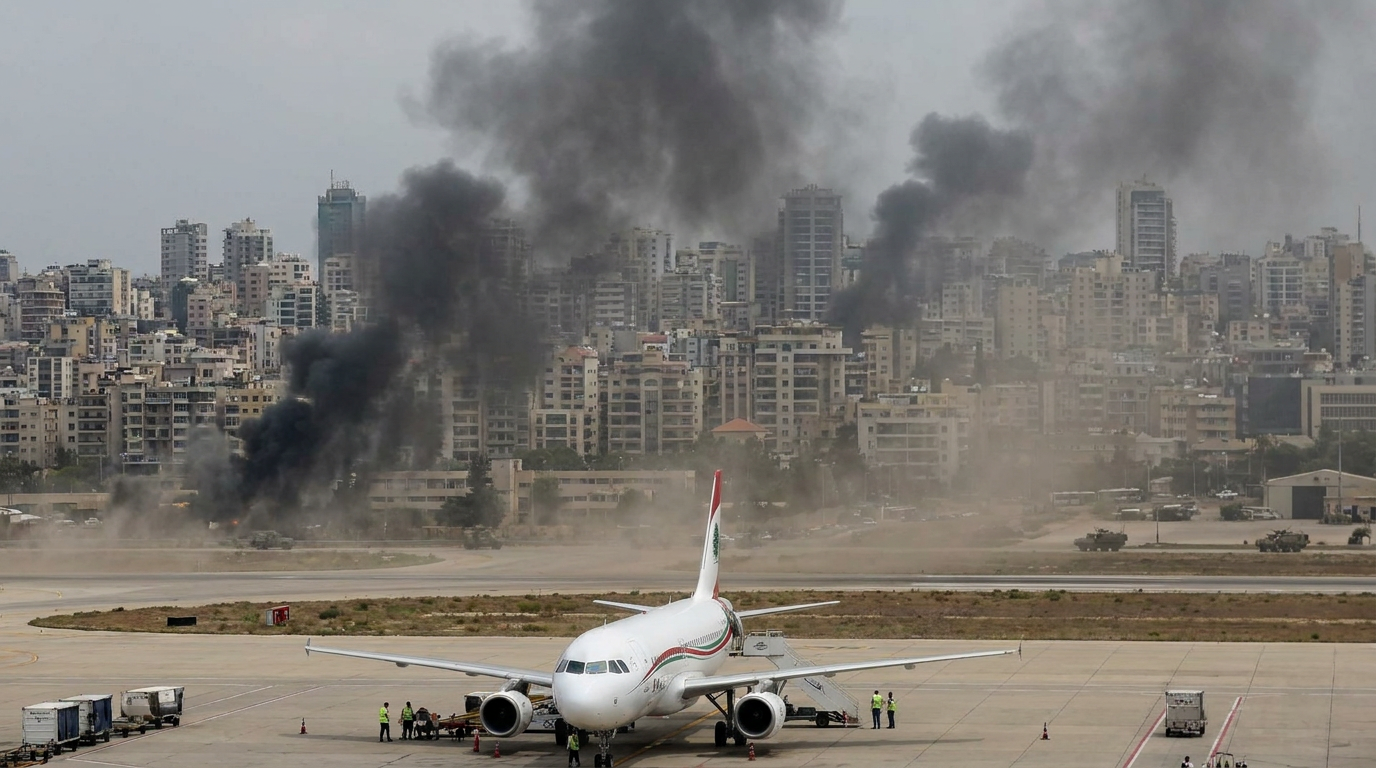
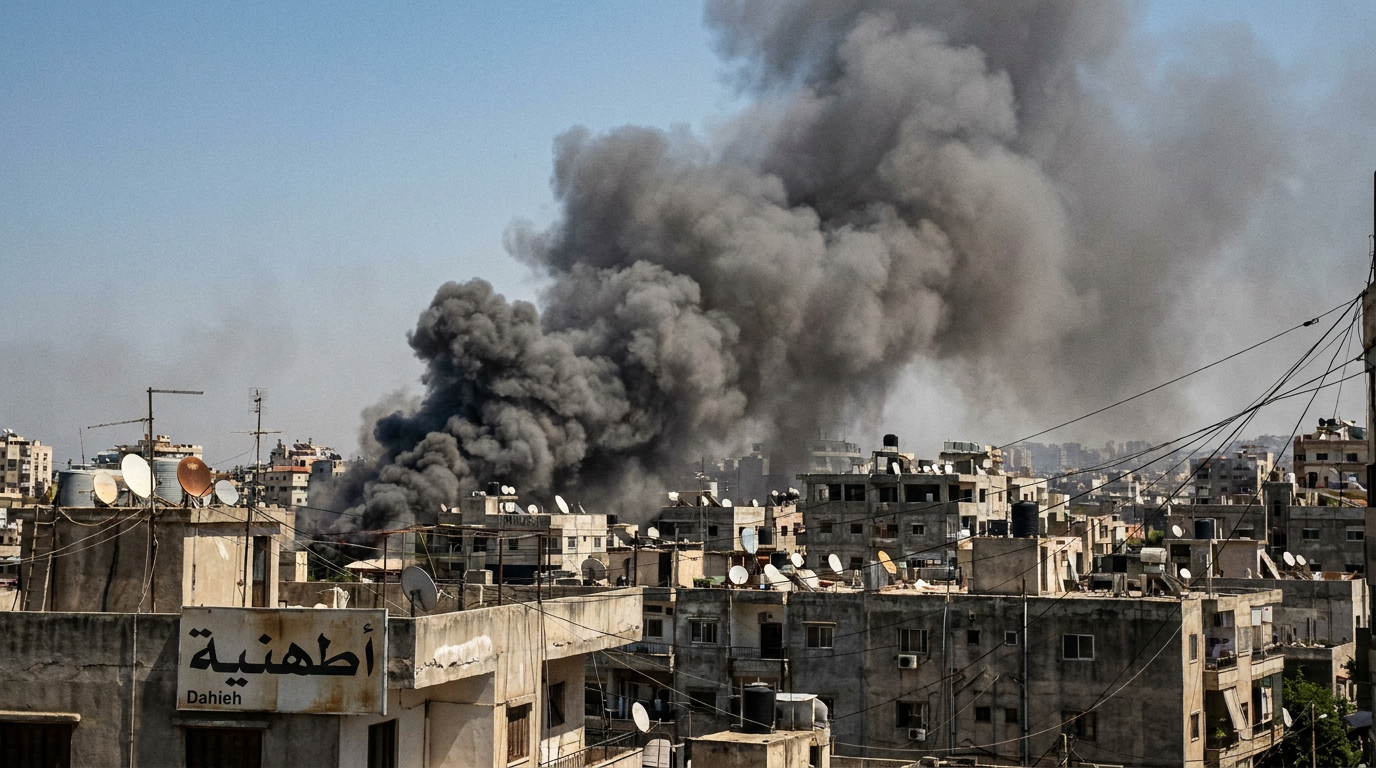
On Sunday, Israeli warplanes launched precise strikes against Hezbollah infrastructure in the southern suburbs of Beirut, sending thick plumes of smoke over the Lebanese capital. The military action unfolded just hours after U.S. President Donald Trump announced that a historic peace agreement with Iran was scheduled to be signed that very day. This stark juxtaposition highlights a dangerous and volatile disconnect in the Middle East. While Washington and Tehran inch closer to a diplomatic offramp designed to end their months-long conflict, Israel is actively escalating its military campaign against Iran's most powerful regional proxy right on the eve of the anticipated signing.[1][2][4][5][7]
The stakes of the emerging U.S.-Iran memorandum of understanding (MOU) are massive. Brokered primarily by Pakistani and Qatari mediators, the draft agreement aims to halt the hostilities that have devastated the region and choked global energy markets since the war began in late February. According to senior Iranian officials, the core mechanism of the deal involves a major nuclear concession from Tehran in exchange for vital economic relief. Under the draft framework, Iran has reportedly agreed that it will neither produce nor acquire nuclear weapons.[1][3][7]
In practice, this concession means Tehran would dilute its existing stockpile of highly enriched uranium inside the country. In return, the United States would waive specific oil sanctions for a designated period, allowing Iran to sell crude and access desperately needed revenues. Crucially for the global economy, the agreement would also trigger the immediate reopening of the Strait of Hormuz to international shipping, ending a blockade that has severely disrupted supply chains. However, the technical details of the uranium dilution and the exact mechanisms of sanctions relief are not fully resolved; the MOU instead establishes a 60-day framework for negotiators to hammer out the implementation.[1][2][3][4][7]

The urgency from the American side is heavily driven by the economic fallout of the conflict. The closure of the Strait of Hormuz—a critical maritime chokepoint through which a massive percentage of the world's oil flows—has rocked global energy markets and driven up fuel prices. For the U.S. administration, securing an immediate reopening of the strait is a paramount domestic and economic priority. The draft agreement promises to lift the naval blockade, a move that would instantly relieve pressure on international shipping and stabilize crude oil valuations.[1][4][7]
Despite Trump's confident assertion on social media that the deal would be signed on Sunday and the Strait of Hormuz would open "immediately," Iranian officials have actively pumped the brakes on the timeline. Iranian state media, citing sources close to the negotiating team, stated that Tehran has "not yet taken or announced its final decision" regarding the proposed memorandum. Iran's foreign ministry echoed this caution, suggesting that a formal signing could happen in the "coming days," pushing back against the White House's accelerated and highly publicized schedule.[1][2][4][7]
The most volatile wildcard in this diplomatic calculus, however, is Israel. The Israeli government has been largely sidelined from the Pakistan-led negotiations and views the emerging U.S.-Iran deal with profound disappointment. Israeli officials argue that the agreement falls dangerously short of their original war aims: permanently dismantling Iran's nuclear infrastructure and neutralizing its vast network of regional proxies. Defense Minister Israel Katz explicitly stated that Israel must retain the ability to act independently to prevent Iran from obtaining nuclear weapons, signaling deep distrust of the diplomatic framework.[1][6]

The most volatile wildcard in this diplomatic calculus, however, is Israel.
This strategic frustration is manifesting militarily in Lebanon. The Sunday strikes on Beirut's densely populated Dahiyeh district were framed by Prime Minister Benjamin Netanyahu's office as a necessary and direct response to Hezbollah launching three projectiles into northern Israel earlier in the day. "Israel will not tolerate fire directed at its territory," a joint statement from Netanyahu and Katz read, reaffirming that the Israel Defense Forces will continue to target Hezbollah command centers regardless of the broader geopolitical calendar.[1][5]
The tactical reality on the Israel-Lebanon border further complicates the diplomatic picture. The IDF reported that Hezbollah initiated the Sunday exchange by firing projectiles into northern Israel, releasing footage where a loud boom could be heard and a column of smoke was visible. In retaliation, Israel executed what it described as a "precise strike" on a Hezbollah headquarters in Beirut. This tit-for-tat violence is not occurring in a vacuum; it is a continuation of the intense fighting that has seen Israeli troops push their invasion of Lebanon deeper than at any point in over a quarter-century.[1][7]
Israel's military actions create a severe diplomatic friction point for the negotiators in Tehran. Iran has consistently demanded that any comprehensive ceasefire agreement with the United States must also include a halt to Israeli military operations in Lebanon. By striking Beirut just as Qatari mediators arrived in Tehran to finalize the MOU, Israel is aggressively testing the limits of the U.S.-Iran detente. The strikes force Tehran to choose between securing desperately needed sanctions relief and defending its primary regional ally.[1][7]

As the international community waits to see if the electronic signatures materialize, the situation on the ground remains highly combustible. The United States retains what Trump called the "ultimate alternative" if talks fail, while Israel's continued operations in Lebanon ensure that the violence will persist. Even if Washington and Tehran successfully sign a piece of paper in the coming days, the fundamental security dilemmas driving the conflict remain unresolved, leaving the broader regional war far from over.[1][4][6][7]
How we got here
Feb 28, 2026
U.S.-Israeli war on Iran begins, leading to the closure of the Strait of Hormuz.
April 7, 2026
A tenuous ceasefire takes hold between the United States and Iran.
June 13, 2026
President Trump announces a peace deal is scheduled to be signed on Sunday.
June 14, 2026
Israel launches precise strikes on Hezbollah infrastructure in Beirut hours before the anticipated signing.
Viewpoints in depth
U.S. Administration's View
Securing a diplomatic victory and reopening global shipping lanes.
Washington is highly motivated to finalize the agreement to reopen the Strait of Hormuz, which has severely disrupted global energy markets and driven up fuel prices. The administration frames the draft MOU as a definitive win that prevents Tehran from acquiring a nuclear weapon without requiring a prolonged ground war, viewing the 60-day technical framework as a sufficient offramp to de-escalate the immediate crisis.
Israeli Government's View
Skeptical of the deal and determined to maintain military pressure.
Israel views the emerging U.S.-Iran agreement as a profound disappointment that fails to dismantle Iran's nuclear infrastructure or neutralize its proxy network. Sidelined from the Pakistan-led negotiations, Israeli leadership insists on retaining the right to act independently. The strikes on Beirut demonstrate Israel's commitment to degrading Hezbollah's capabilities, regardless of Washington's diplomatic timeline with Tehran.
Iranian Leadership's View
Leveraging the ceasefire for economic relief while protecting regional allies.
Tehran is navigating the negotiations to secure the release of billions in frozen assets and the lifting of crippling oil sanctions. However, Iranian officials are resisting the accelerated timeline pushed by the U.S., insisting that technical details require more time. Crucially, Iran has demanded that any broader ceasefire must include an end to Israeli operations in Lebanon, placing the current IDF strikes in Beirut at the center of the diplomatic friction.
What we don't know
- Whether the Israeli strikes in Beirut will cause Iran to walk away from the negotiating table.
- The exact date the U.S.-Iran memorandum of understanding will be formally signed.
- How the 60-day technical framework will verify the dilution of Iran's highly enriched uranium.
Key terms
- Strait of Hormuz
- A critical maritime chokepoint between the Persian Gulf and the Gulf of Oman, through which a significant portion of the world's oil supply passes.
- Dahiyeh
- A predominantly Shia suburb south of Beirut that serves as a major stronghold and command center for Hezbollah.
- Highly Enriched Uranium (HEU)
- Uranium that has been processed to a high concentration of the U-235 isotope, which can be used to fuel nuclear weapons if enriched to weapons-grade levels.
- Memorandum of Understanding (MOU)
- A formal agreement between two or more parties outlining the terms and details of a mutual understanding, often serving as a framework for a final treaty.
Frequently asked
What is in the draft U.S.-Iran agreement?
The draft memorandum requires Iran to dilute its highly enriched uranium and agree not to acquire nuclear weapons. In exchange, the U.S. would waive specific oil sanctions and the Strait of Hormuz would reopen.
Why did Israel strike Beirut?
The Israeli military stated the strikes on Beirut's southern suburbs were a direct response to Hezbollah launching three projectiles into northern Israel earlier in the day.
Will the Beirut strikes derail the U.S.-Iran deal?
It remains uncertain. Iran has previously insisted that any ceasefire must include a halt to Israeli strikes in Lebanon, creating a significant diplomatic friction point for negotiators.
Sources
Source coverage
7 outlets
3 viewpoints surfaced







[1]The Associated Press
Israeli military strikes Beirut suburbs in the lead-up to anticipated US-Iran deal
Read on The Associated Press →[2]Al JazeeraU.S. Negotiators
Israel attacks Beirut on same day Trump says Iran deal to be signed
Read on Al Jazeera →[3]ReutersIranian State Interests
Iran agrees not to produce or acquire nuclear weapons in draft MOU
Read on Reuters →[4]The GuardianU.S. Negotiators
Middle East crisis live: Trump says Iran deal will be signed today but sources tell media Tehran 'not yet' taken final decision
Read on The Guardian →[5]The Jerusalem PostIsraeli Security Establishment
IDF conducts strikes against Hezbollah infrastructure in Beirut hours before US-Iran deal signing
Read on The Jerusalem Post →[6]Times of IsraelIsraeli Security Establishment
Iran MOU would cap self-defeating ceasefire for Trump, marks huge problem for Israel
Read on Times of Israel →[7]Iran InternationalIranian State Interests
Live - Iran reviews draft MOU with US as Israel targets Hezbollah in Beirut
Read on Iran International →
More in news politics
See all 6 stories →Supreme Court
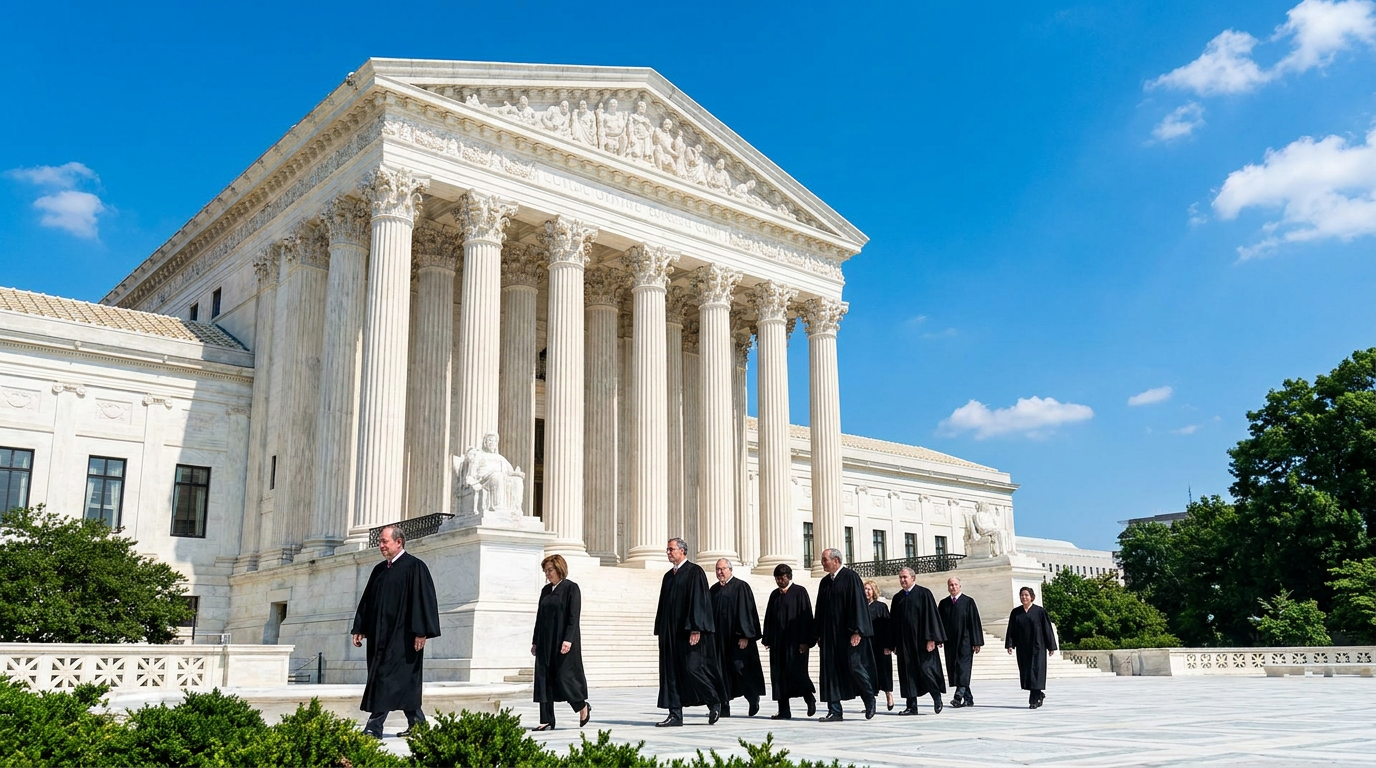
Supreme Court Enters Final Stretch With 23 Cases That Could Reshape Executive Power
0 sources
US-Iran Deal
Israel Strikes Beirut as U.S. and Iran Near Potential Peace Deal
0 sources
Iran Diplomacy
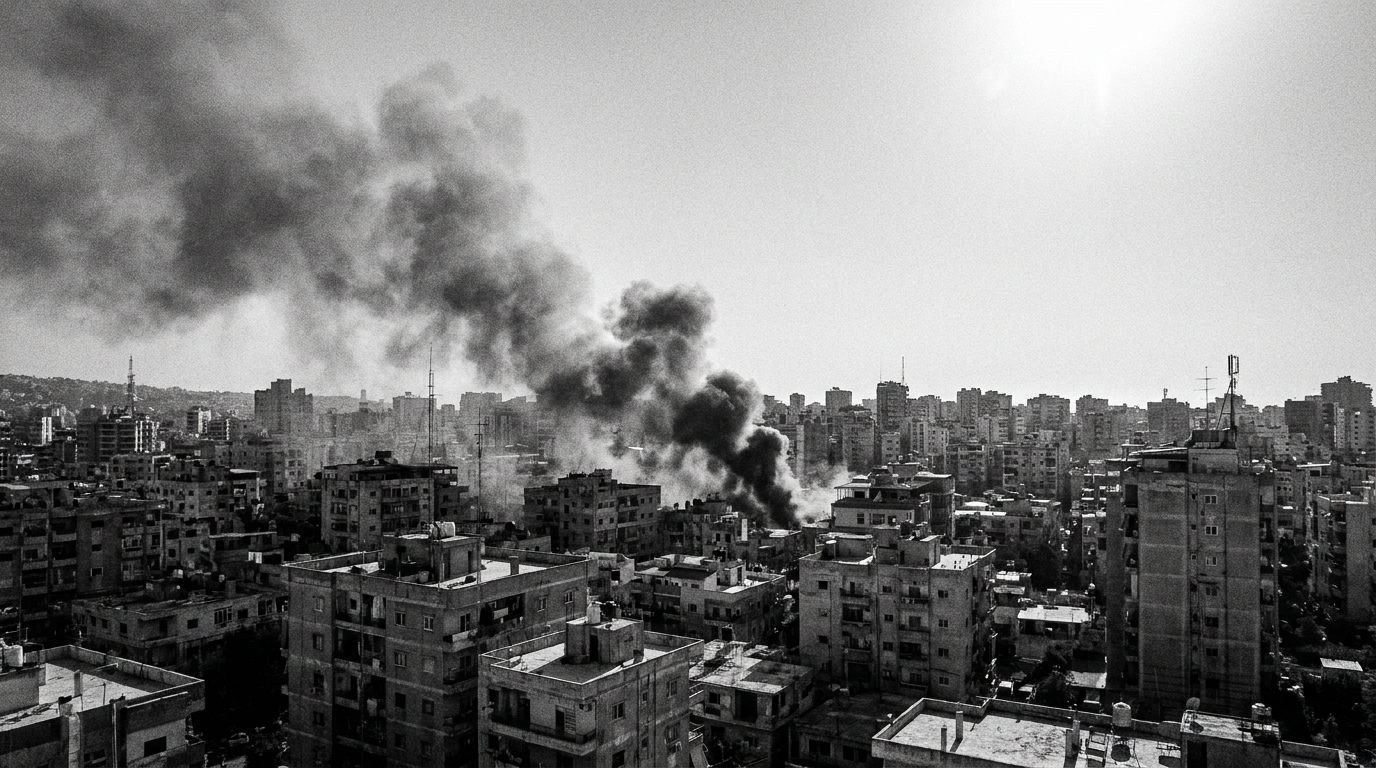
US and Iran Near Mediated Security Framework Amid Regional Pushback
0 sources
EV Transition
UK to Water Down 2030 Electric Vehicle Sales Targets Amid Industry Pressure
0 sources

Every angle. Every day.
Get news politics stories with full source coverage and perspective breakdowns delivered to your inbox.