
DRC Grants Historic Land Titles to Indigenous Communities, Securing Over 800,000 Hectares of Rainforest
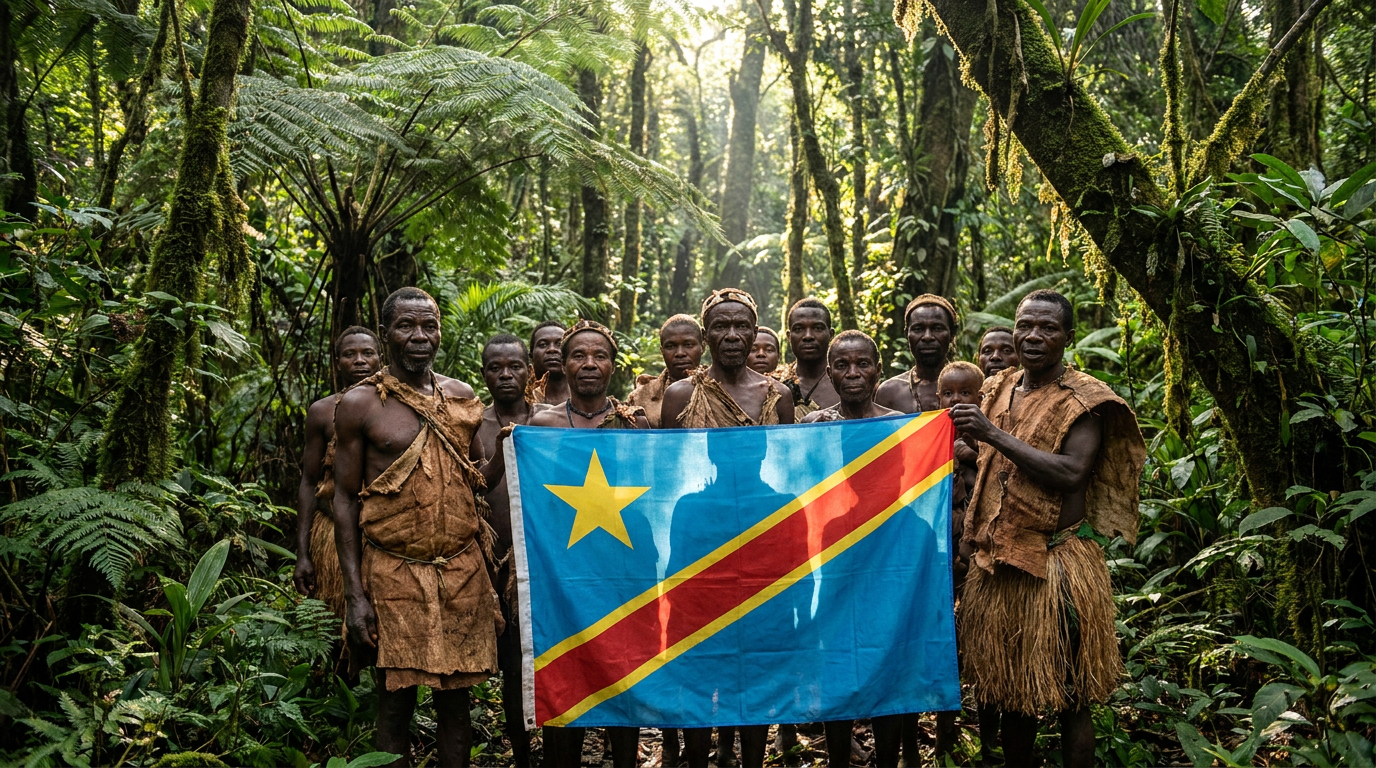
In the largest one-day recognition of community lands in the Democratic Republic of the Congo's history, Tshopo Province has transferred 31 forest concessions to local Indigenous peoples. The move empowers communities to protect the Congo Basin from illegal mining and logging while pursuing sustainable livelihoods.

- Indigenous Communities
- Local residents view the land titles as a vital shield against exploitation and a foundation for their future.
- Conservation Organizations
- Environmental groups see community forestry as the most effective strategy for protecting the Congo Basin.
- Industry and Investors
- The private sector views the formalization of land rights as a shift that clarifies operational risks but demands deeper community partnerships.
Why this matters
Securing legal land tenure for Indigenous communities is one of the most effective strategies for preserving the world's remaining carbon sinks. By placing forest governance directly in the hands of the people who live there, this milestone protects critical biodiversity from extractive industries while offering a blueprint for community-led climate action across the globe.
Key points
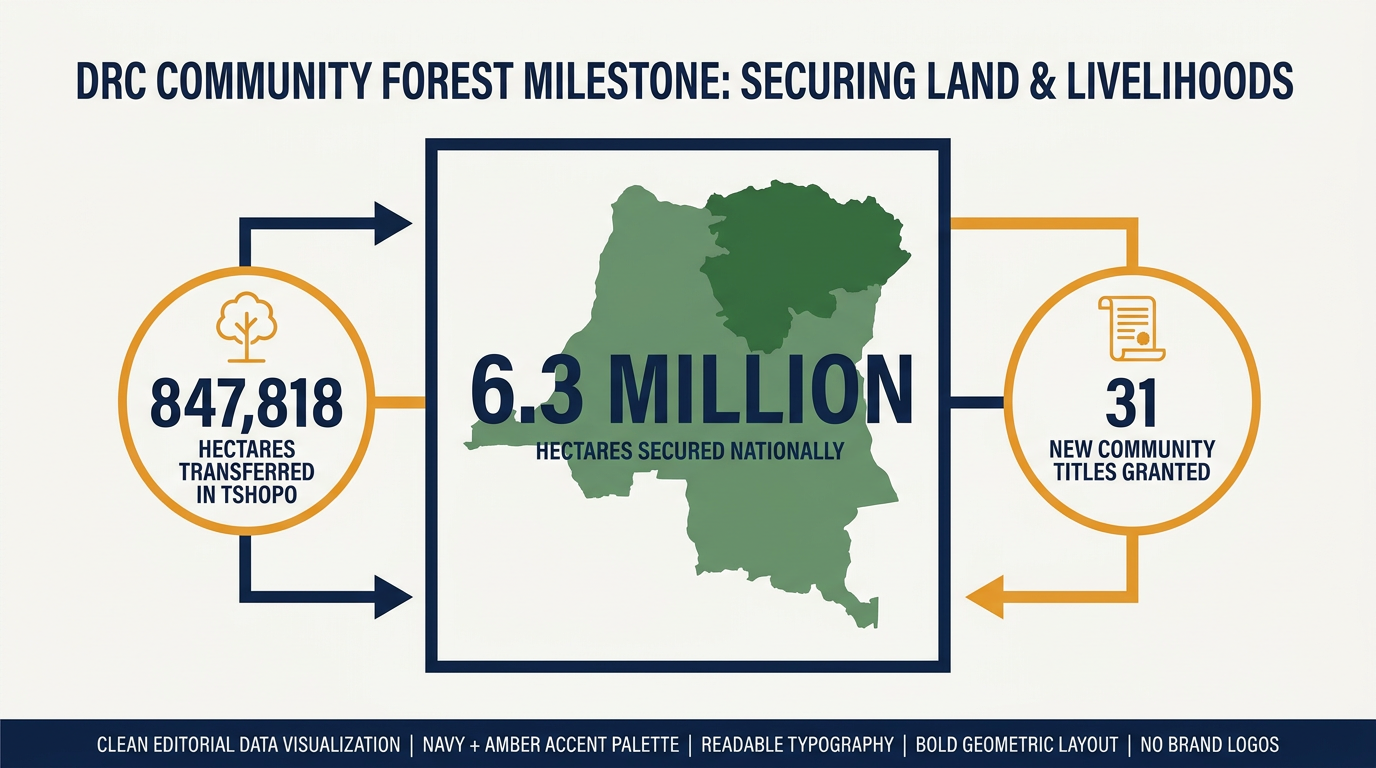
- The DRC's Tshopo Province granted 31 community forest titles to Indigenous peoples, securing 847,818 hectares of rainforest.
- The milestone marks the largest single-day transfer of forest stewardship to local communities in the nation's history.
- Legal tenure requires extractive industries to obtain free, prior, and informed consent before operating on the land.
- The move aims to curb the region's severe deforestation while allowing residents to pursue sustainable livelihoods like cocoa farming.
In a landmark victory for both Indigenous rights and global climate action, authorities in the Democratic Republic of the Congo’s Tshopo Province handed over 31 Local Community Forest Concession titles to local residents in May 2026. This historic transfer places 847,818 hectares of the Congo Basin rainforest under the direct, legal stewardship of Bantu and Indigenous Mbuti communities. Representing the largest one-day recognition of community lands in the nation’s history, the move fundamentally shifts the balance of power in a region long defined by resource extraction. By formalizing customary land claims, the government is empowering the people who have lived in these forests for generations to act as their primary guardians and decision-makers.[1]
The stakes in Tshopo Province could not be higher. Covering an area slightly larger than the country of Senegal, the province is a critical artery of the Congo Basin, which serves as one of the world’s most vital carbon sinks. Despite its ecological importance, Tshopo has suffered the highest rate of tree cover loss of any province in the DRC since 2002. Over the past two decades, the region has lost roughly 46 percent of its forest canopy, driven relentlessly by commercial timber harvesting, unregulated charcoal production, and the devastating spread of informal, machine-based gold mining.[1]
For generations, Indigenous communities have inhabited these dense forests without official title or legal control over their ancestral homes. This lack of formal tenure left them highly vulnerable to displacement, as state authorities frequently leased the land to extractive industries and development projects without local consultation. The newly issued community forest titles change this dynamic entirely by providing formal legal tenure. Under the new framework, any outside mining, logging, or agricultural expansion must now secure the free, prior, and informed consent of the communities holding the rights, effectively halting unilateral land grabs.[1]
The emotional and practical impact of this legal recognition is already reverberating through the region's villages. "Today, we are moving from the shadows into the light," said Marie Andolea, a member of the BAVAZILI community forest concession in the Bafwasende Territory. She described how illegal dredging and mechanized gold mining had been poisoning local rivers and tearing up the forest floor. "For us, the Indigenous Peoples, this paper is like a shield. It tells everyone that this forest is our home, the one our ancestors left to us."
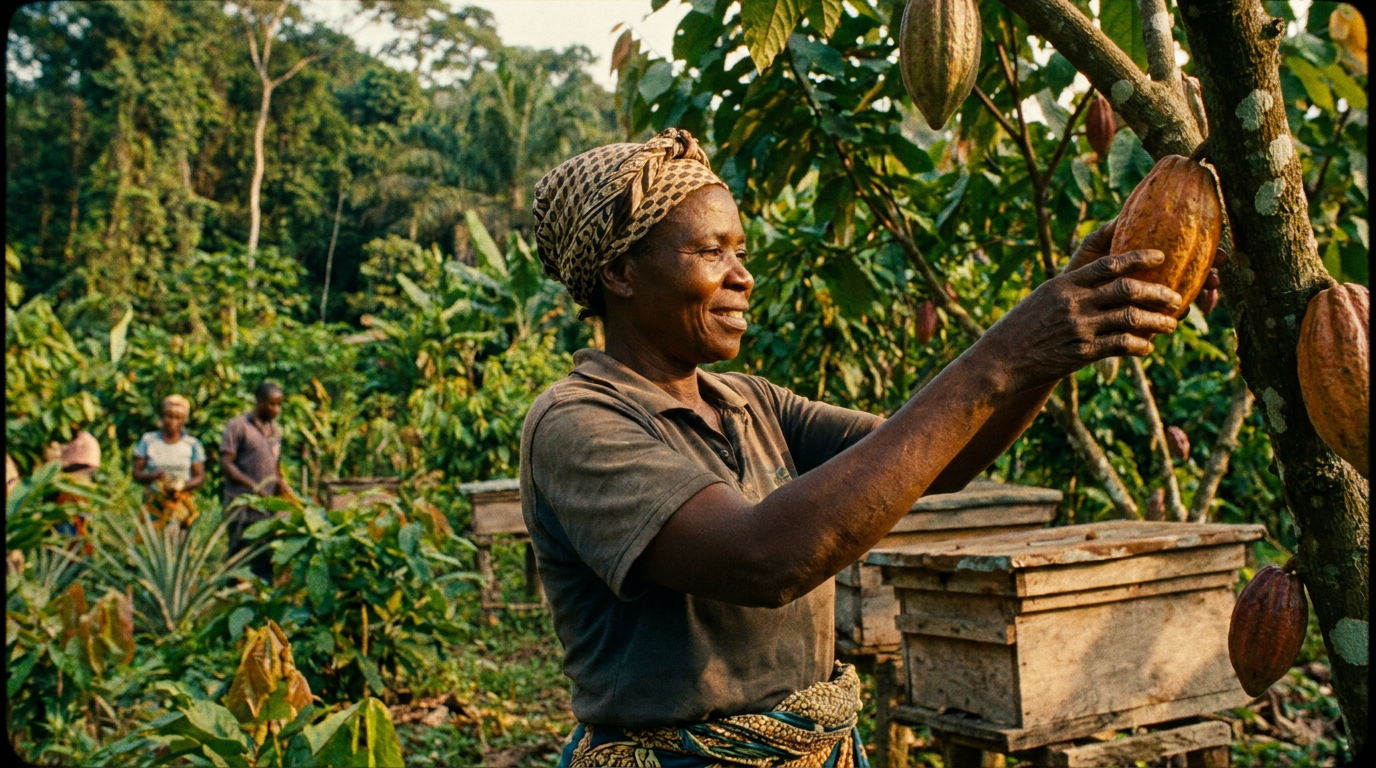
Beyond environmental protection, the legal recognition is expected to trigger an immediate revitalization of local economies. With the constant threat of unwanted corporate land grabs finally removed, residents are beginning to plan and invest in sustainable agricultural initiatives that require long-term stability, such as commercial beekeeping and shade-grown cocoa farming. Alphonse Maindo, director of the environmental non-governmental organization Tropenbos DRC, emphasized that empowering Indigenous people to manage their own land is a proven, highly effective method for simultaneously reducing extreme poverty and halting forest degradation.[1]
Beyond environmental protection, the legal recognition is expected to trigger an immediate revitalization of local economies.
This milestone represents a profound paradigm shift in the region's approach to conservation. Historically, many state-led conservation models in Central Africa relied on "fortress conservation," which fenced off protected areas and actively excluded Indigenous populations, often leading to human rights abuses and ineffective ecological oversight. The DRC’s recent embrace of community forestry—a mechanism first introduced in 2014 but only now reaching massive scale—acknowledges a different reality. It recognizes that conservation efforts are overwhelmingly more successful when they are carried out in direct partnership with local inhabitants rather than at their expense.[2]
However, the process of securing these titles has been arduous and fraught with friction. Turning abstract legal recognition into a reality on the ground requires years of navigating dense bureaucratic hurdles, resolving complex boundary disputes, and mediating deep-seated intercommunal tensions. In Tshopo, Bantu and Indigenous Mbuti peoples had to overcome a long history of conflict to establish joint management rules for their shared lands. Through sustained dialogue, these communities successfully drafted environmental management plans that prioritize fairness, equal participation, and inclusion.[1][2]
The formalization of community land rights is also actively reshaping the economic landscape for foreign investors operating in the resource-rich nation. Mining and agricultural conglomerates looking to expand into the Congo Basin will now face significantly stricter community engagement requirements. Industry analysts point out that unclear land ownership has long been a major operational risk across Africa, frequently resulting in costly project delays and social unrest. By clarifying these rights, the DRC is forcing investors to factor equitable community partnerships into their project planning from the very beginning.[3]
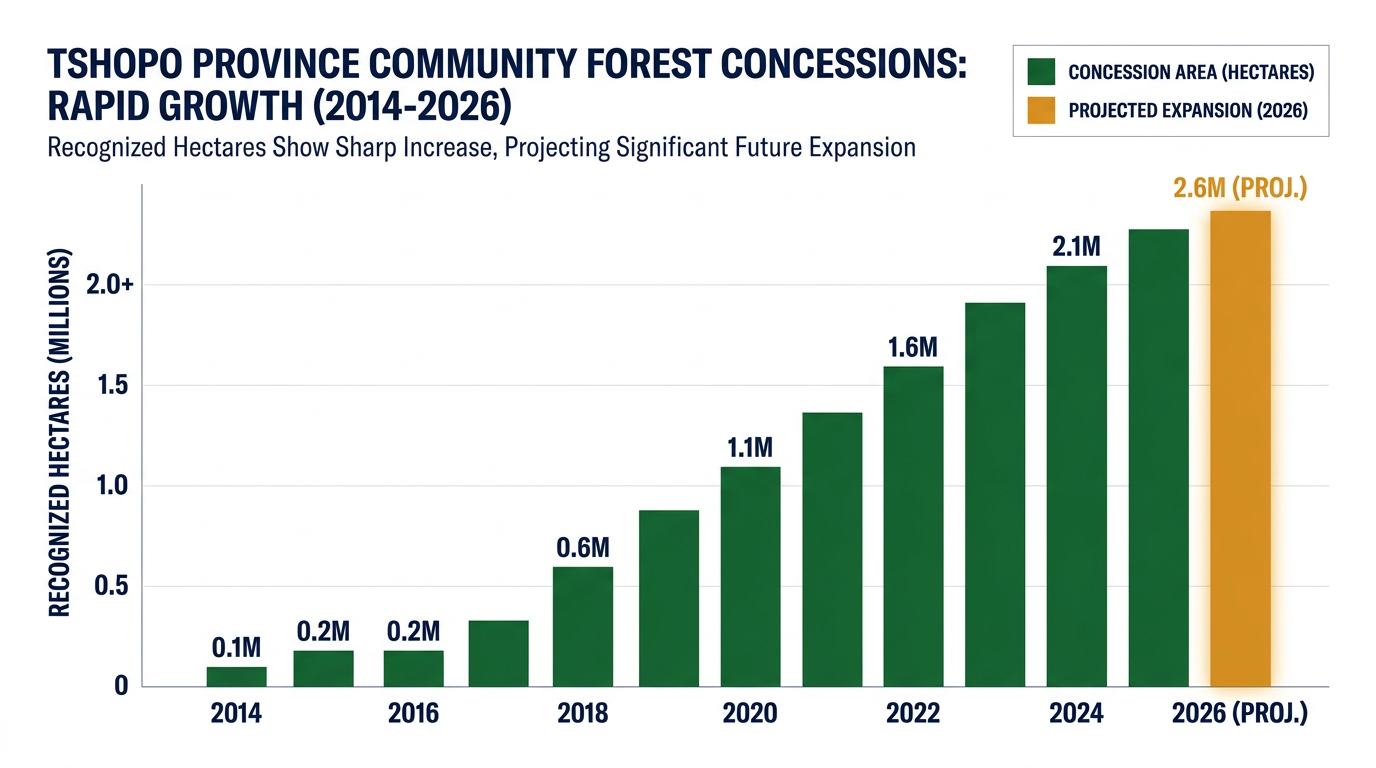
This regional victory in Tshopo builds upon a wave of recent national legislative momentum. In July 2025, the DRC enacted its first-ever comprehensive land-use planning law, a landmark piece of legislation that formally integrated customary land rights into the national legal framework. That law legally entitled communities to robust social and environmental safeguards, mandating environmental impact assessments and providing clear mechanisms for resolving land disputes across all levels of government.[4]
Looking ahead, the successful transfer of these 31 titles sets a powerful precedent for the rest of the continent. With the addition of the Tshopo concessions, the total area of secured community forest land in the Democratic Republic of the Congo now stands at nearly 6.3 million hectares—an area roughly the size of Togo. Environmental advocates and human rights defenders hope this momentum will continue to accelerate, proving to the global community that placing forest governance directly in the hands of local communities is a viable, scalable solution for connecting climate action with poverty reduction.[1]
How we got here
2014
The DRC introduces a 'community forestry' mechanism, allowing villages to apply for local forest concessions.
July 2025
The DRC enacts its first-ever national land-use planning law, formally recognizing customary land rights.
May 2026
Tshopo Province transfers 31 community forest titles, securing over 847,000 hectares in a single day.
Late 2026
The total area of secured community land in the DRC reaches nearly 6.3 million hectares.
Viewpoints in depth
Indigenous Communities
Local residents view the land titles as a vital shield against exploitation and a foundation for their future.
For the Bantu and Mbuti peoples, formal land tenure is a matter of survival. Without official titles, their ancestral homes were routinely leased to logging and mining conglomerates without their consent, leading to environmental destruction and displacement. Community leaders argue that these new concessions finally validate their historical stewardship, allowing them to protect their rivers from gold dredging and invest in sustainable livelihoods like agriculture and beekeeping without the looming threat of eviction.
Conservation Organizations
Environmental groups see community forestry as the most effective strategy for protecting the Congo Basin.
NGOs and climate researchers have long criticized top-down conservation models that fence off forests and exclude the people who live there. They point to data showing that forests managed by Indigenous peoples suffer significantly lower rates of deforestation. By granting legal rights to local communities, conservationists argue the DRC is aligning its policies with the UN's 30 by 30 biodiversity goals, turning residents into empowered guardians against illegal charcoal production and timber harvesting.
Industry and Investors
The private sector views the formalization of land rights as a shift that clarifies operational risks but demands deeper community partnerships.
For mining, logging, and agricultural companies, the expansion of community-held land introduces new regulatory hurdles. Extractive projects now require explicit free, prior, and informed consent from local titleholders. However, industry analysts note that this formalization also removes the ambiguity of contested land claims, which have historically caused costly project delays and conflicts. Moving forward, companies will need to negotiate directly with communities, potentially leading to more equitable profit-sharing and joint ventures.
What we don't know
- How effectively local communities will be able to enforce their new legal rights against heavily armed or well-funded illegal mining operations.
- Whether the central government will provide sufficient financial and technical support to help these communities implement their environmental management plans.
- How international mining conglomerates currently operating in the region will adapt their expansion strategies in response to the new consent requirements.
Key terms
- Community Forest Concession (CFCL)
- A legal designation in the DRC that grants local communities the perpetual right to manage, protect, and benefit from their ancestral forest lands.
- Free, Prior, and Informed Consent (FPIC)
- A specific right that pertains to Indigenous peoples, ensuring they have a say in any project or policy that affects their land or resources before it begins.
- Congo Basin
- The world's second-largest tropical rainforest, spanning several countries in Central Africa, which acts as a crucial global carbon sink.
- Customary Land Rights
- Land ownership and usage rights that are based on traditional, generational practices rather than formal, state-issued deeds.
Frequently asked
What does a community forest title actually do?
It provides formal legal tenure to Indigenous and local communities, meaning any outside development, logging, or mining on that land requires their explicit consent.
Why is Tshopo Province significant?
Tshopo is a heavily forested region in the Congo Basin that has suffered the highest rate of tree cover loss in the DRC since 2002, largely due to illegal mining and logging.
How does this help the environment?
Studies show that forests managed by Indigenous communities experience significantly lower deforestation rates. The titles empower locals to legally protect the ecosystem from destructive extractive industries.
Can the communities still use the forest for income?
Yes. The community management plans allow for sustainable economic activities, such as beekeeping, cocoa farming, and eco-tourism, helping to alleviate local poverty.
Sources
Source coverage
4 outlets
3 viewpoints surfaced




[1]MongabayConservation Organizations
Local indigenous people get more land in a DRC community forest
Read on Mongabay →[2]AfricanewsIndigenous Communities
Community forest in Eastern DR Congo tests promise of local control amid conflict
Read on Africanews →[3]WhyAfricaIndustry and Investors
DRC forest shift could reshape investment
Read on WhyAfrica →[4]Rainforest Foundation UKConservation Organizations
Key Land-Use Planning Law Passed in the DRC
Read on Rainforest Foundation UK →

Every angle. Every day.
Get community stories with full source coverage and perspective breakdowns delivered to your inbox.