
How the Construction Industry is Adapting to the 2026 Supply Chain and Tariff Squeeze
A convergence of expanded tariffs and geopolitical instability has pushed construction material costs higher in 2026, but builders are countering the volatility with new procurement tech and alternative materials.

- General Contractors
- Focused on margin protection and modernizing procurement.
- Risk Managers
- Focused on the cascading effects of geopolitical instability.
- Industry Analysts
- Focused on macro-economic drivers like tariffs and trade policy.
Perspectives this story doesn't cover
- Homeowners bearing the final cost of residential project overruns.
- Labor unions navigating the intersection of material shortages and workforce availability.
At a glance
- Expanded Section 232 tariffs have pushed taxes on imported steel, aluminum, and copper up to 50%.
- Geopolitical instability in regions like the Persian Gulf is disrupting shipping routes and raising oil-linked material costs.
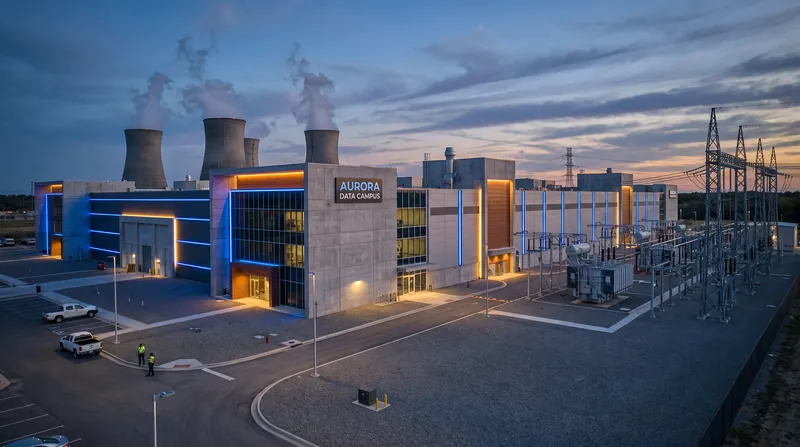
- Electrical components and switchgear face extended delays due to booming data center construction.
- Contractors are adopting real-time procurement software to track daily price shifts and protect project margins.
- Builders are increasingly substituting volatile metals with stable alternatives like advanced softwood lumber.
Why it matters now
For homeowners planning renovations or buyers eyeing new builds, understanding these supply chain shifts explains why certain materials are suddenly cost-prohibitive and how choosing alternatives can save projects from budget overruns.
The construction industry entered 2026 expecting a return to pre-pandemic predictability, but instead found itself navigating a new era of volatility. A convergence of expanded trade tariffs, geopolitical friction, and persistent supply chain bottlenecks has disrupted the global flow of building materials.[1]
Across the sector, input costs are climbing rapidly. Nonresidential construction material prices surged at an annualized rate of 7.1% in early 2026, outpacing the cumulative increases seen over the previous three years. While overall inputs rose a more modest 2.8% year-over-year, the pain is highly concentrated in specific, essential categories.[1][6][8]
The most immediate driver of this cost spike is a shifting trade policy landscape. In 2025 and early 2026, the federal government significantly expanded Section 232 tariffs—taxes imposed on imports for national security reasons. Tariffs on imported steel, aluminum, and copper products have reached as high as 50%.[6]
For contractors, these tariffs translate directly into higher bids and squeezed margins. Structural steel, metal decking, and aluminum framing have seen the steepest price increases, with aluminum mill shapes jumping 33% year-over-year. Approximately 70% of contractors report being impacted by these trade restrictions, forcing a fundamental rethink of how projects are priced.[1][6][7][8]
Beyond trade policy, global conflict is reshaping material availability. According to Arch Insurance International’s 2026 Construction Risk Report, 59% of construction organizations now rank geopolitical instability among their top three risks. This marks a significant shift, as geopolitics has overtaken general supply chain disruption (52%) as the industry's primary concern.[4][5]
The mechanism linking global conflict to local job sites often runs through energy markets and shipping lanes. Recent military actions and heightened tensions in the Persian Gulf have threatened the Strait of Hormuz, a critical corridor for industrial commodities. Major shipping lines have diverted vessels, adding both time and expense to the delivery of cement, steel, and aluminum sourced from the Middle East.[3]
This geopolitical friction also keeps crude oil prices volatile, which cascades into the cost of energy-intensive construction inputs. Contractors are seeing sharp increases in oil-linked products, including asphalt, diesel fuel, roofing materials, and plastics.[6]
This geopolitical friction also keeps crude oil prices volatile, which cascades into the cost of energy-intensive construction inputs.
While heavy materials face tariff and transit pressures, specialized components are caught in a different bottleneck. The booming demand for data centers and power infrastructure has strained the supply of electrical gear. Items like switchgear, industrial controls, and specialized valves now require significantly longer procurement buffers.[6][8]
For teams working on fixed-bid contracts—where the builder agrees to a set price before construction begins—this environment is highly perilous. A flagship project can quickly become a financial loss if a sudden tariff hike or shipping delay spikes the cost of copper wire or structural steel mid-project.[2][6]
In response, the industry is abandoning outdated procurement methods. Relying on static price sheets and spreadsheet-based quoting is no longer viable when material prices can shift within days. Suppliers and contractors are increasingly adopting real-time pricing platforms to track costs proactively and protect their margins.[2][7]
Platforms like Field Materials and Slabstack are replacing outdated back-office workflows with digital procurement systems. By increasing real-time cost visibility, builders can adjust estimates faster and avoid the risk of underquoting on long-term projects.[2][7]
Beyond software, developers are physically altering how they build. The volatility in metals is pushing architects and general contractors to evaluate alternative materials. Because commodities like softwood lumber have experienced less tariff-driven volatility, mass timber and advanced wood framing are becoming more attractive substitutes for structural steel.[6]
Risk allocation is also shifting. Contractors are increasingly relying on escalation clauses—contract provisions that allow prices to be adjusted if material costs rise beyond a certain threshold. Insurers are urging clients to strengthen their contingency planning and carefully review delay-related coverage.[5][8]
While commercial and industrial projects bear the brunt of the electrical and heavy-metal shortages, the residential sector is not immune. Elevated material costs, combined with higher borrowing rates, continue to constrain residential construction spending, particularly in the single-family market.[8]
The 2026 construction landscape is undeniably challenging, defined by forces far outside the job site. However, the convergence of tariffs and geopolitical instability is ultimately forcing a long-overdue modernization of the industry. By embracing digital procurement, alternative materials, and smarter risk management, builders are finding ways to construct the future despite the storm.[2][7]
Different angles
General Contractors
Focused on margin protection and modernizing procurement.
For the teams actually building the projects, the primary concern is avoiding the 'meat grinder' of fixed-bid contracts in a volatile market. General contractors are pushing to abandon static spreadsheets in favor of real-time pricing software, allowing them to adjust bids dynamically and substitute heavily tariffed metals with stable alternatives like mass timber.
Risk Managers & Insurers
Focused on the cascading effects of geopolitical instability.
Insurance providers and risk analysts view the current landscape through the lens of global exposure. They argue that while local supply chains have stabilized since the pandemic, macro-level geopolitical conflicts—such as shipping diversions in the Strait of Hormuz—require builders to adopt stricter contingency planning and robust escalation clauses to survive sudden cost spikes.
Material Suppliers
Focused on passing through costs while maintaining volume.
Suppliers of cement, steel, and electrical components are caught between rising production costs and contractors hesitant to accept higher bids. Their strategy involves leveraging digital platforms to issue more frequent, accurate quotes, ensuring that tariff-driven price hikes on imported materials are transparently communicated downstream before contracts are signed.
Sources
Source coverage
8 outlets
3 viewpoints surfaced








- [1]WS IncIndustry Analysts
What's Driving Disruption Across Construction Supply Chains
Read on WS Inc → - [2]Field MaterialsGeneral Contractors
The Grit To Survive Materials Pricing Volatility
Read on Field Materials → - [3]Baker DonelsonIndustry Analysts
Geopolitical Disruption and Construction Supply Chains
Read on Baker Donelson → - [4]Insurance BusinessRisk Managers
Geopolitical instability overtakes supply chain disruption as leading construction risk
Read on Insurance Business → - [5]Business WireRisk Managers
Arch Insurance International Publishes Inaugural Construction Risk Report
Read on Business Wire → - [6]ABC CarolinasIndustry Analysts
Key Drivers of 2026 Construction Material Prices
Read on ABC Carolinas → - [7]SlabstackGeneral Contractors
How to Handle Construction Material Price Volatility as a Supplier
Read on Slabstack → - [8]IMA CorpRisk Managers
Construction material prices remain elevated
Read on IMA Corp →
Comments
More in Home
See all →Building Codes
The 7-3/4 Inch Maximum Rise: How Residential Building Code Dictates the Height of Every Stair Tread
3 sources
Paint Durability
The ASTM D2486 Cycles-to-Failure: How a Standardized Scrub Test Predicts a Paint's Washability
6 sources

Building Science
The 1/300 Rule: How Attic Square Footage Dictates Minimum Net Free Vent Area
10 sources
Smart Home Tech
Schneider Electric Bids €1.2 Billion for Smart Home Specialist Shelly Group
7 sources
Every angle. Every day.
Get Home stories with full source coverage and perspective breakdowns delivered to your inbox.