
U.S. and Iran Near Peace Deal to Reopen Strait of Hormuz, Though Timing Remains Disputed
President Trump announced a historic agreement to end the 100-day war and reopen the Strait of Hormuz will be signed Sunday, but Iranian officials caution that final details are still being negotiated.
By Factlen Editorial Team
- U.S. Administration
- Focuses on neutralizing the nuclear threat and restoring global commerce, arguing the deal is a strict wall against an Iranian bomb.
- Iranian Pragmatists
- Frames the deal as a diplomatic victory that breaks the U.S. naval blockade and secures the release of frozen assets.
- International Mediators
- Prioritizes immediate de-escalation and the stabilization of global energy markets to prevent a wider regional war.
- Iranian Hardliners
- Views the reopening of the Strait of Hormuz as a surrender of Iran's most powerful asymmetric weapon without permanent guarantees.
What's not represented
- · Commercial Shipping Companies
- · Israeli Government Officials
Why this matters
The reopening of the Strait of Hormuz would unchoke a vital artery for global energy, immediately lowering fuel and fertilizer costs worldwide while pulling the U.S. and Iran back from the brink of a broader regional conflict.
Key points
- The U.S. and Iran are nearing a peace deal to end their 100-day military conflict.
- The agreement would immediately reopen the Strait of Hormuz, easing global energy and fertilizer prices.
- A 60-day ceasefire extension would provide time to negotiate the removal of Iran's highly enriched uranium.
- President Trump announced a Sunday signing, but Iranian officials dispute the timeline.
- Iran is slated to receive sanctions relief and the unfreezing of approximately $24 billion in assets.
- Hardline factions in Iran are protesting the deal, arguing it surrenders their primary strategic leverage.
The United States and Iran appear to be on the precipice of a historic agreement to end more than 100 days of direct military conflict. President Donald Trump announced over the weekend that a comprehensive peace deal is scheduled to be signed on Sunday, a move that would immediately reopen the Strait of Hormuz to international shipping. The closure of the vital waterway has severely disrupted global energy markets, driving up fuel and fertilizer prices worldwide. According to the proposed framework, the agreement would formalize a 60-day extension of the fragile ceasefire that has been in place since early April, providing a window for technical negotiations on nuclear containment and sanctions relief.[1][2][4][6]
Despite the optimism emanating from Washington, officials in Tehran have pushed back on the timeline, injecting uncertainty into the final hours of negotiations. Iranian Foreign Ministry spokesperson Esmaeil Baghaei explicitly stated that the deal would not be signed on Sunday, though he acknowledged that an agreement in the coming days remains highly possible. Iranian media outlets closely affiliated with the Islamic Revolutionary Guard Corps suggested that the White House's insistence on a Sunday signing was a politically motivated attempt to secure a diplomatic victory on President Trump's 80th birthday.[3][7]
The diplomatic breakthrough has been heavily brokered by Pakistan, which has served as the primary mediator between the warring nations. Pakistani Prime Minister Shehbaz Sharif expressed deep confidence in the process, stating that the two sides are closer to a peace deal than ever before. Sharif indicated that Islamabad is preparing the infrastructure for an electronic signing of the memorandum of understanding within 24 hours, which would then trigger a series of technical-level talks scheduled for the following week.[1][4][6]

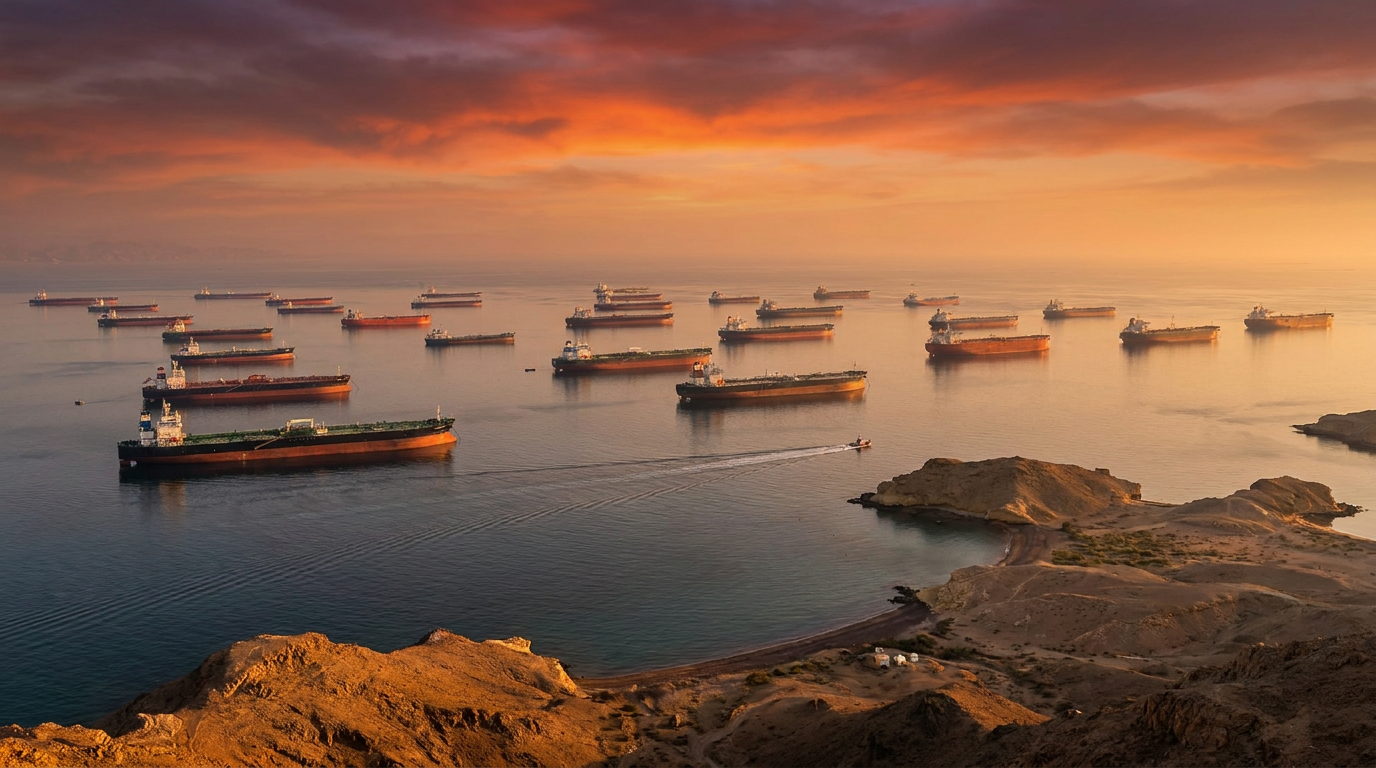
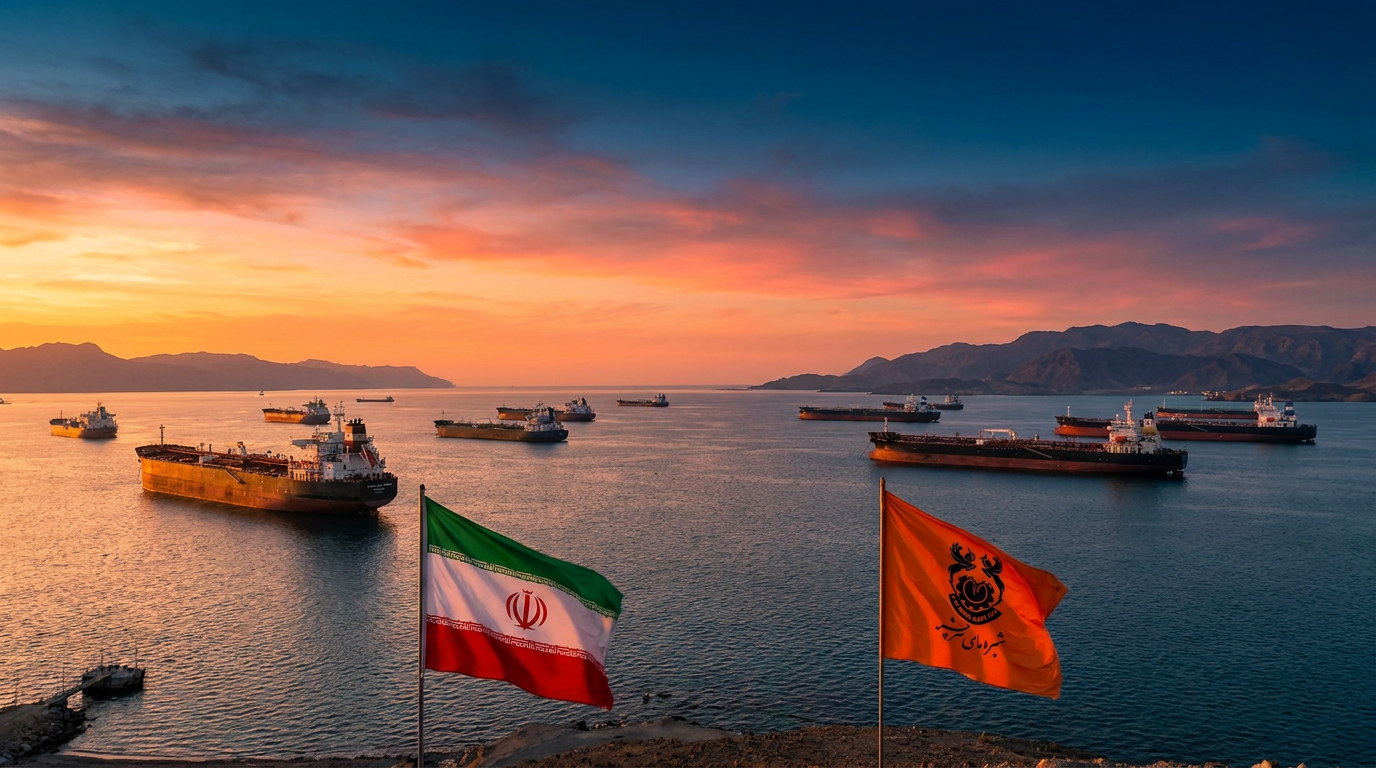
The economic centerpiece of the agreement is the immediate unblocking of the Strait of Hormuz. Since the conflict escalated, Iran has effectively controlled the strait, shutting down a massive portion of the world's oil and natural gas shipments. In retaliation, the United States imposed a strict naval blockade on Iranian ports. The draft agreement mandates the reciprocal lifting of both blockades. However, Iranian Foreign Minister Abbas Araghchi has publicly insisted that Tehran intends to charge commercial ships "for services rendered" when transiting the strait—a toll system that the U.S. and its allies argue violates international maritime law.[1][3][4]
In exchange for reopening the strait and curbing its nuclear program, Iran is slated to receive substantial economic relief. Regional officials indicate the deal includes the phased suspension of sanctions on Iranian oil and petrochemical products. Furthermore, the agreement would reportedly unfreeze approximately $24 billion in Iranian assets held abroad. Vice President JD Vance has defended these economic concessions, clarifying that the financial benefits will only flow to Tehran if it strictly meets its compliance obligations during the 60-day window.[3][4][6]
In exchange for reopening the strait and curbing its nuclear program, Iran is slated to receive substantial economic relief.
Beyond the immediate reopening of shipping lanes, the 60-day ceasefire period is designed to address the core catalyst of the conflict: Iran's nuclear program. The United States and Israel launched military strikes earlier in the year citing fears that Tehran was nearing the capability to produce an atomic weapon. Under the emerging deal, the two sides must finalize a technical process for removing or destroying Iran's stockpile of highly enriched uranium. U.S. officials have stated that the framework for this removal is included in the initial memorandum, though the exact logistical execution remains a subject of intense negotiation.[2][4]
President Trump has characterized the nuclear provisions in stark terms, declaring the agreement a "wall" against Iranian nuclear ambitions. In a social media post, he claimed that the U.S. would eventually send B-2 bombers to retrieve "Nuclear Dust" buried deep under Iranian mountains. While technical experts and diplomats have described a more conventional process involving third-party oversight and phased removal, the administration is heavily emphasizing the disarmament aspect to counter domestic criticism from hawkish lawmakers who fear the deal concedes too much.[1][4][6]

The prospect of these concessions has ignited fierce domestic backlash within Iran. Over the weekend, dozens of hardline protesters gathered outside a foreign ministry office in the northeastern city of Mashhad, chanting slogans against Foreign Minister Araghchi and waving black and red flags. These conservative factions argue that surrendering control of the Strait of Hormuz strips Iran of its primary instrument of deterrence against the West. They accuse the pragmatist wing of the Iranian government of capitulating to American pressure without securing permanent guarantees.[1][5]
The economic imperative to finalize the deal cannot be overstated. The 100-day closure of the Strait of Hormuz has sent shockwaves through the global economy, crimping energy supplies and driving up the cost of fuel. Because natural gas is a critical input for agricultural fertilizers, the blockade has also triggered a spike in global food prices, threatening to reignite inflationary pressures in Western economies just as central banks were attempting to stabilize rates. Reopening the strait is viewed as an essential step to preventing a broader global recession.[1][4]

The logistical challenges of implementing the peace deal extend beyond the negotiating table. The waters of the Strait of Hormuz have been heavily mined during the months of conflict, presenting a severe hazard to commercial vessels even after a political agreement is reached. Members of the G7, including Britain and France, have already expressed their willingness to deploy naval resources to assist with the complex demining operations required to make the shipping lanes safe for global transit once again.[7]
The scope of the agreement also extends beyond the Persian Gulf, aiming to cool secondary fronts that erupted during the war. According to Iranian officials, the memorandum of understanding includes provisions to extend the ceasefire to Lebanon, where Israeli forces have been engaged in an intense offensive against Hezbollah militants. By tying the Lebanese theater to the broader U.S.-Iran negotiations, mediators hope to achieve a comprehensive regional de-escalation rather than a localized pause.[2][3]
As the world waits for the electronic signatures to materialize, the stakes remain extraordinarily high. The April ceasefire has been tenuous, with recent days witnessing some of the most intense localized clashes since the pause began. While both Washington and Tehran are eager to frame the emerging deal as a strategic victory for their respective domestic audiences, President Trump has maintained a stark warning: if the diplomatic process collapses, the United States retains an "ultimate alternative" to enforce its red lines.[1][3][7]
How we got here
Early March 2026
Direct military conflict breaks out, leading to the closure of the Strait of Hormuz and a U.S. naval blockade.
April 7, 2026
A fragile ceasefire is implemented, pausing major hostilities but leaving blockades in place.
June 13, 2026
President Trump and Pakistani mediators announce a final peace deal is imminent.
June 14, 2026
Target date for the electronic signing of the agreement, though Iranian officials dispute the timeline.
Viewpoints in depth
U.S. Administration's View
The White House frames the deal as a definitive end to Iran's nuclear ambitions.
U.S. officials, led by President Trump and Vice President Vance, are pitching the agreement as a strict containment strategy. They argue that the deal acts as an impenetrable 'wall' against an Iranian nuclear weapon by forcing the removal of highly enriched uranium. To counter domestic critics who view the unfreezing of assets as a capitulation, the administration insists that economic relief is entirely conditional and will only be granted if Tehran strictly adheres to the compliance benchmarks established during the 60-day ceasefire.
Iranian Pragmatists' View
The Iranian Foreign Ministry views the agreement as a strategic victory that breaks Western economic strangulation.
Led by Foreign Minister Abbas Araghchi, the pragmatist wing of the Iranian government argues that Tehran emerged from the 100-day conflict in a stronger position. They point to the lifting of the U.S. naval blockade and the release of $24 billion in frozen assets as proof that their leverage over the Strait of Hormuz successfully forced American concessions. This camp also maintains that Iran retains the right to charge transit tolls in the strait, framing it as a legitimate service fee rather than an illegal blockade.
Iranian Hardliners' View
Conservative factions and IRGC affiliates see the deal as a dangerous surrender of national leverage.
Hardline voices within Iran, visibly represented by protesters in cities like Mashhad, are fiercely opposed to the proposed terms. They argue that the Strait of Hormuz is Iran's most potent asymmetric weapon against Western military and economic pressure. By agreeing to reopen the waterway without securing permanent, irreversible guarantees from the United States, these factions accuse the pragmatist negotiators of trading away Iran's primary instrument of deterrence for temporary financial relief.
International Mediators' View
Pakistan and the G7 prioritize immediate global economic stabilization over perfect diplomatic resolutions.
For the international community, the primary objective is ending the chokehold on global energy and agricultural markets. Mediators like Pakistan have aggressively pushed both sides to accept an imperfect, phased agreement to prevent a wider regional war. G7 nations are heavily focused on the practical realities of reopening the Strait of Hormuz, already volunteering naval resources for demining operations to ensure that commercial shipping can resume as quickly as possible once the political ink is dry.
What we don't know
- The exact date and time the memorandum of understanding will be officially signed.
- Whether the U.S. and international community will agree to Iran's demand to charge transit tolls in the Strait of Hormuz.
- The specific logistical mechanisms for how Iran's highly enriched uranium will be removed or destroyed.
- How long the multinational demining operations in the Strait of Hormuz will take before commercial transit is fully safe.
Key terms
- Strait of Hormuz
- A narrow, strategically critical waterway between the Persian Gulf and the Gulf of Oman through which a massive portion of the world's oil passes.
- Highly Enriched Uranium
- Uranium that has been processed to a concentration level suitable for use in nuclear weapons, a primary concern of the U.S. and Israel.
- Naval Blockade
- The U.S. military's restriction of maritime access to Iranian ports, implemented in response to Iran's closure of the Strait of Hormuz.
Frequently asked
When will the Strait of Hormuz reopen?
The draft agreement calls for the strait to reopen immediately upon the signing of the deal, though demining operations will be required to make it fully safe.
Will Iran be allowed to charge tolls in the strait?
Iran has demanded the right to charge ships for 'services rendered,' but the U.S. and international community maintain this violates international maritime law. The final resolution remains unclear.
What happens to Iran's nuclear program?
The deal establishes a 60-day window to finalize technical details for the removal or destruction of Iran's highly enriched uranium stockpile.
Why are people protesting in Iran?
Hardline factions believe giving up control of the Strait of Hormuz surrenders Iran's primary leverage against the West, accusing negotiators of making too many concessions.
Sources
Source coverage
7 outlets
4 viewpoints surfaced







[1]CBS NewsU.S. Administration
Live Updates: U.S.-Iran peace deal to be signed Sunday, Trump says
Read on CBS News →[2]AxiosIranian Hardliners
What's in the Iran deal Trump says he's ready to sign
Read on Axios →[3]The GuardianIranian Pragmatists
Middle East crisis live: Trump says Iran deal will be signed today but sources tell media Tehran 'not yet' taken final decision
Read on The Guardian →[4]PBS NewsInternational Mediators
What to know about a possible U.S.-Iran deal to end the war
Read on PBS News →[5]The HinduInternational Mediators
West Asia war LIVE: Trump says U.S.-Iran deal to be signed today, Hormuz to open afterward
Read on The Hindu →[6]ForbesU.S. Administration
U.S.-Iran Peace Deal Expected To Be Signed Sunday, Trump Says
Read on Forbes →[7]Washington PostIranian Pragmatists
U.S. and Iran to close deal within a day, Trump says, but Tehran yet to confirm
Read on Washington Post →
More in news politics
See all 7 stories →Media Literacy
Does 'Prebunking' Actually Work? The Evidence Behind the New Strategy to Fight Misinformation
0 sources

Shadow Fleet
UK Forces Seize Russian Shadow Fleet Oil Tanker in the English Channel
0 sources
Media Consolidation
Justice Department Approves $111 Billion Paramount and Warner Bros. Merger
0 sources
US-Iran Relations
U.S. and Iran Near Peace Deal to End War, But Timeline for Signing Remains Disputed
0 sources
Every angle. Every day.
Get news politics stories with full source coverage and perspective breakdowns delivered to your inbox.