
Trump Administration Moves Special Education to HHS in Major Step to Dismantle Education Department
The White House is transferring oversight of the $15.4 billion special education program to the Department of Health and Human Services and shifting civil rights enforcement to the Justice Department.
By Factlen Editorial Team
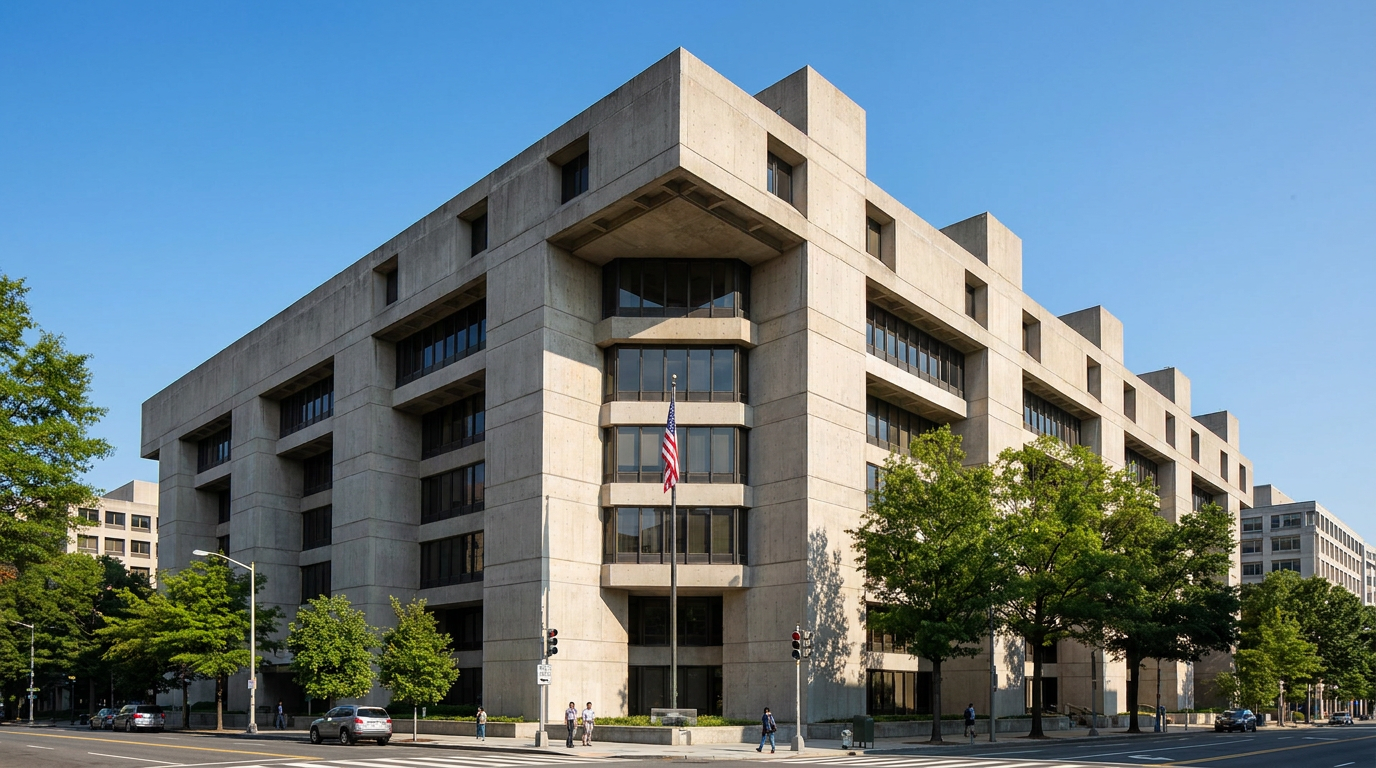
- The Administration's View
- The reorganization will eliminate bureaucratic silos and return educational authority to the states.
- Disability Advocates' View
- Moving special education to a health agency threatens to medicalize disability and erode educational rights.
- Civil Rights Watchdogs' View
- Transferring the Office for Civil Rights to the DOJ is a precursor to weakened federal enforcement.
What's not represented
- · State-level special education directors who will inherit the oversight burden
- · General education teachers who coordinate with special education staff
Why this matters
This fundamental reorganization affects the educational rights and funding of over 8.4 million students with disabilities. It marks the most aggressive structural move yet in the administration's campaign promise to close the U.S. Department of Education and return authority to the states.
Key points
- The Trump administration is transferring special education oversight to the Department of Health and Human Services.
- The Office for Civil Rights will be moved to the Department of Justice.
- The reorganization is part of a broader effort to dismantle the U.S. Department of Education.
- The $15.4 billion IDEA program serves approximately 8.4 million students with disabilities.
- Disability advocates warn the move could medicalize special education and erode federal protections.
- Administration officials argue the shift will cut bureaucratic red tape and better align federal resources.
The Trump administration announced Tuesday that it is transferring two of the U.S. Department of Education's most critical functions—special education oversight and civil rights enforcement—to other federal agencies. The Office of Special Education and Rehabilitative Services (OSERS) will move to the Department of Health and Human Services (HHS), while the Office for Civil Rights (OCR) will be absorbed by the Department of Justice (DOJ). The transfers mark the most aggressive structural move yet in President Donald Trump's campaign promise to dismantle the Department of Education and return educational authority to the states.[1][2][3]
Education Secretary Linda McMahon, who has publicly stated her goal is to "put herself out of a job," framed the reorganization as a necessary step to eliminate bureaucratic silos and reduce federal micromanagement. "Through this partnership, HHS and the Department of Education will cut bureaucratic barriers, better align federal resources, and deliver more effective support for individuals with disabilities and their families," HHS Secretary Robert F. Kennedy Jr. said in a statement. The administration emphasized that the legal rights of students will not change, noting that the federal government's obligation to enforce civil rights and special education laws predates the creation of the Education Department in 1979.[2][4][7][8]
The shift of OSERS involves the oversight of the Individuals with Disabilities Education Act (IDEA), a $15.4 billion program that guarantees a free and appropriate public education to approximately 8.4 million infants, toddlers, children, and young adults. Administration officials argue that housing these programs under HHS will allow for better coordination of early childhood interventions and health resources. By moving the programs to an agency with a broader health mandate, the administration believes it can streamline services for families who currently navigate multiple federal bureaucracies to secure support for their children.[3][6][8]

However, the move has triggered intense backlash from disability rights advocates and educators, who warn that transferring IDEA to a health agency fundamentally misunderstands the nature of special education. Critics argue the reorganization risks reviving an outdated "medical model" of disability, which treats students as patients needing to be cured rather than individuals entitled to educational accommodations in a classroom setting. "IDEA is an education law, not a healthcare law, and belongs at the Department of Education," said Chad Rummel, executive director of the Council for Exceptional Children.[2][5][6]
Advocates fear that removing special education from the agency that oversees general education will fracture the connection between the two, leading to longer delays for services, a lack of accountability, and a confusing patchwork of rights across different states. Without a dedicated federal education office to monitor compliance, local school districts may be left without clear guidance on how to implement complex IDEA regulations, potentially resulting in millions of vulnerable students losing access to the tailored instruction they are legally guaranteed.[5][6]
The transfer of the Office for Civil Rights to the Justice Department has raised parallel concerns among civil rights watchdogs. OCR is tasked with investigating complaints of discrimination based on race, gender, national origin, and disability in K-12 schools and universities. While Kim Richey, the assistant secretary for civil rights, stated the move to DOJ would "strengthen enforcement of federal civil rights laws," critics point to the administration's recent budget proposals, which sought significant funding cuts for both OCR and the DOJ's Civil Rights Division.[1][2][4]

The transfer of the Office for Civil Rights to the Justice Department has raised parallel concerns among civil rights watchdogs.
The reorganization follows months of turbulence within the Education Department. During a recent government shutdown, the administration laid off 121 employees within the special education office—part of a broader cut of 465 staff members across the agency—leaving a skeleton crew to manage the transition before a federal judge paused the mass firings. The workforce reductions have fueled concerns that the remaining staff will be unable to handle the logistical complexities of migrating massive federal programs to entirely different cabinet departments.[6]
Despite the structural dismantling, the administration recently announced a $144 million funding boost for IDEA programs, including a new provision allowing states to use funds to assist expectant parents of children with disabilities before birth. McMahon cited the funding as proof of the administration's "relentless commitment to standing with families." Officials maintain that returning educational authority to the states will ultimately empower local communities to design special education programs that fit their specific needs, rather than adhering to a one-size-fits-all federal mandate.[7][8]

Because the Department of Education was created by an act of Congress, it cannot be legally abolished by executive order alone—a legislative hurdle that currently lacks sufficient bipartisan support on Capitol Hill. However, by utilizing interagency agreements to hollow out the department's core functions and transfer its staff and budget to other cabinet agencies, the administration is functionally achieving its goal of closing the agency from the inside out. As the transition begins, educators and families nationwide are bracing for a period of profound uncertainty regarding the future of federal education policy.[2][4]
How we got here
1975
Congress passes the predecessor to the Individuals with Disabilities Education Act (IDEA), guaranteeing public education for disabled students.
1979
The U.S. Department of Education is established, taking over programs previously housed in the Department of Health, Education, and Welfare.
2024
Donald Trump campaigns on a promise to abolish the Department of Education and return control to the states.
October 2025
The administration lays off 121 employees in the special education office during a government shutdown.
June 2026
The administration officially announces the transfer of special education to HHS and civil rights to the DOJ.
Viewpoints in depth
The Administration's View
The reorganization will eliminate bureaucratic silos and return educational authority to the states.
Administration officials, including Education Secretary Linda McMahon and HHS Secretary Robert F. Kennedy Jr., argue that the Department of Education has become a bloated bureaucracy that micromanages local schools. By moving special education to HHS, they believe the government can better coordinate early childhood interventions and health resources. They emphasize that the statutory rights of students under IDEA remain intact, noting that special education was successfully administered by health and welfare agencies prior to 1979.
Disability Advocates' View
Moving special education to a health agency threatens to medicalize disability and erode educational rights.
Advocacy groups like the Council for Exceptional Children and The Arc argue that IDEA is fundamentally an education law, not a healthcare initiative. They fear that placing oversight within HHS revives an outdated 'medical model' that treats students with disabilities as patients to be cured rather than learners entitled to classroom accommodations. Furthermore, they warn that hollowing out the federal office responsible for oversight will leave states to interpret the law on their own, creating a fragmented system where a child's rights depend on their zip code.
Civil Rights Watchdogs' View
Transferring the Office for Civil Rights to the DOJ is a precursor to weakened federal enforcement.
Civil rights organizations view the transfer of the OCR to the Justice Department with deep skepticism. While the administration claims the move will bolster enforcement by combining resources, critics point to the administration's recent budget proposals, which sought massive funding cuts for both the OCR and the DOJ's Civil Rights Division. Watchdogs fear the reorganization is a deliberate strategy to dilute the federal government's capacity to investigate and penalize schools for discrimination based on race, gender, and disability.
What we don't know
- How the Department of Health and Human Services will manage the logistical transition of the $15.4 billion IDEA program.
- Whether local school districts will face disruptions in federal funding during the agency reorganization.
- If civil rights organizations will successfully mount legal challenges to block the interagency transfers.
Key terms
- Individuals with Disabilities Education Act (IDEA)
- A federal law that guarantees a free and appropriate public education tailored to the individual needs of students with disabilities.
- Office for Civil Rights (OCR)
- The federal office responsible for investigating complaints of discrimination in schools and universities receiving federal funding.
- Medical Model of Disability
- A framework that views disability primarily as a medical condition to be treated or cured, which critics argue is inappropriate for educational settings.
Frequently asked
Will students lose their special education services?
The administration states that legal rights and funding under IDEA will not change. However, advocates worry that reduced federal oversight could lead to inconsistent services across states.
Why is special education moving to HHS?
The administration argues that housing the programs under the Department of Health and Human Services will cut red tape and better coordinate early childhood interventions.
Can the President close the Department of Education?
Only Congress can officially abolish the department. The administration is using interagency agreements to transfer its functions to other departments, effectively hollowing it out.
Sources
Source coverage
8 outlets
3 viewpoints surfaced








[1]The New York TimesCivil Rights Watchdogs' View
Trump Administration Shifts Special Education Programs to Health Department
Read on The New York Times →[2]The Washington PostCivil Rights Watchdogs' View
Education Dept. plans to move special ed and civil rights out of the agency
Read on The Washington Post →[3]ABC NewsCivil Rights Watchdogs' View
Department of Education taking major step in dismantling itself: Sources
Read on ABC News →[4]NPRCivil Rights Watchdogs' View
Trump further guts Education Dept. by shifting oversight of special ed, civil rights
Read on NPR →[5]Disability ScoopDisability Advocates' View
Ed Department May Offload Special Education Soon, Advocates Warn
Read on Disability Scoop →[6]K-12 DiveDisability Advocates' View
Trump says special education oversight will move to HHS
Read on K-12 Dive →[7]Fox NewsThe Administration's View
Linda McMahon: Parents told me special education needs less red tape, stronger results
Read on Fox News →[8]The Daily SignalThe Administration's View
Education Department Transfers More Key Responsibilities
Read on The Daily Signal →
More in news politics
See all 6 stories →US-Iran Relations
US and Iran Reach Preliminary Peace Agreement to End War and Reopen Strait of Hormuz
0 sources

ICE Protests
U.S. Charges 15 in Minneapolis With Conspiracy Over Anti-ICE Protests
0 sources

US-Iran Relations
U.S. and Iran Reach Preliminary Agreement to End War and Reopen Strait of Hormuz
0 sources

Strait of Hormuz
U.S. and Iran Reach Ceasefire MOU: Analyzing the Claims, Concessions, and Missing Details
0 sources

Every angle. Every day.
Get news politics stories with full source coverage and perspective breakdowns delivered to your inbox.