
Stanley Cup Finals Injury Report: Resilience and Depth Define Crucial Game 6
As the Carolina Hurricanes and Vegas Golden Knights prepare for Game 6, both rosters are battling severe attrition. Yet, the series has been defined by remarkable player resilience and unexpected heroes stepping into the void.
By Factlen Editorial Team
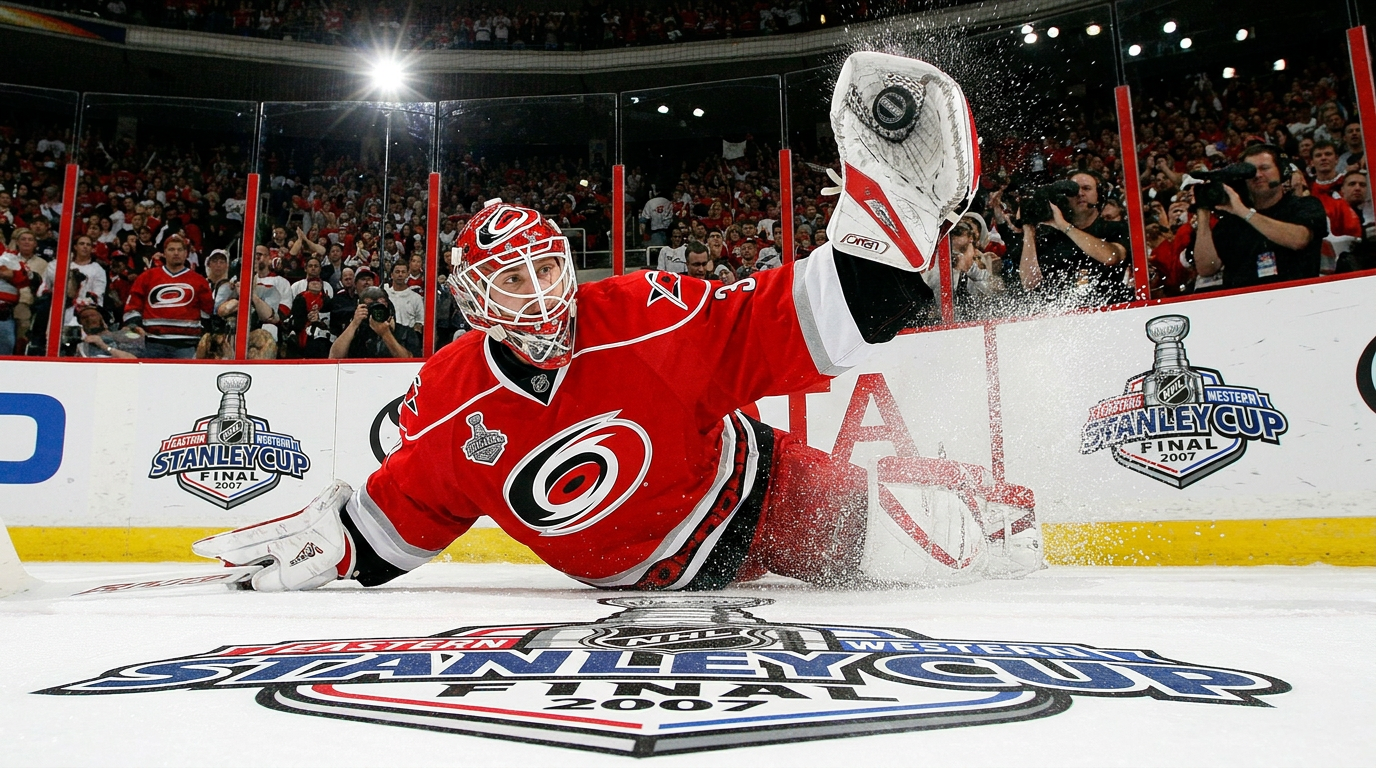
- Carolina Hurricanes Camp
- Focused on managing goaltender health while riding the momentum of their rookie backup.
- Vegas Golden Knights Camp
- Rallying around the physical sacrifices of their veteran leaders to fuel their survival instincts.
- Medical & Neutral Analysts
- Highlighting the extreme physical demands and rapid recovery protocols of playoff hockey.
What's not represented
- · The players' families, who endure the stress of watching their loved ones suffer severe injuries on the ice.
- · The minor league affiliates whose development systems prepared players like Brandon Bussi for sudden call-ups.
Why this matters
Injuries in the Stanley Cup Final often dictate who lifts the trophy, but they also reveal the extraordinary human endurance and teamwork required to win in professional sports. For fans, these updates highlight the inspiring 'next man up' mentality that defines championship hockey.
Key points
- Carolina Hurricanes goaltender Frederik Andersen revealed he tweaked his knee in Game 2, stepping aside to allow rookie Brandon Bussi to take the net.
- Bussi has excelled under pressure, posting a .908 save percentage and securing crucial victories in Games 4 and 5.
- Vegas defenseman Brayden McNabb survived a terrifying 87 mph slap shot to the face in Game 2 and has returned to travel with the team.
- Golden Knights forward William Karlsson suffered an upper-body injury in Game 5, forcing Vegas to further test their offensive depth ahead of Game 6.
The 2026 Stanley Cup Final has transformed into a grueling war of attrition, testing the absolute limits of roster depth and human endurance. As the Carolina Hurricanes and Vegas Golden Knights prepare for a pivotal Game 6, the narrative has shifted from pure tactical matchups to a showcase of remarkable physical resilience. With the Hurricanes holding a 3-2 series lead, the medical updates emerging from both locker rooms highlight the grueling toll of a deep postseason run, but also the extraordinary next-man-up mentality that defines championship hockey.[1][4]
For the Carolina Hurricanes, the most significant storyline revolves around the crease. Veteran goaltender Frederik Andersen, who carried the team through the Eastern Conference bracket with a stellar 13-2 record, was noticeably absent from the starting lineup in Games 4 and 5. Speculation swirled regarding his health after he was pulled in Game 3, with head coach Rod Brind'Amour initially stating that the Danish netminder simply needed physical and mental rest. Fans and analysts alike wondered if the grueling pace of the postseason had finally caught up to the veteran, casting a shadow of doubt over Carolina's defensive stability heading into the decisive matches.[1][2]
The reality, however, underscored Andersen's immense grit and commitment to the team's ultimate goal. The 36-year-old later revealed that he had tweaked his knee during a chaotic scramble in Game 2, attempting to battle through the discomfort before ultimately recognizing he could not perform at his peak. Rather than allowing the injury to derail the team's championship aspirations or stubbornly holding onto the net, Andersen's transparency opened the door for one of the most uplifting stories of the playoffs. His willingness to step aside demonstrated a profound level of self-awareness and leadership, prioritizing the crest on the front of the jersey over personal glory.[2][3]

Enter Brandon Bussi, a rookie backup goaltender who had not seen competitive game action since the regular-season finale in mid-April. Thrust into the crucible of the Stanley Cup Final, Bussi delivered under unimaginable pressure, securing crucial victories in Games 4 and 5 while posting a remarkable .908 save percentage against a potent Vegas offense. Throughout this unexpected transition, Andersen has remained a vocal, supportive presence in the locker room, openly praising Bussi's heroics and demonstrating the selflessness required to win a title. The seamless passing of the torch has galvanized the Hurricanes, turning a potential crisis into a rallying cry.[1][2]
Enter Brandon Bussi, a rookie backup goaltender who had not seen competitive game action since the regular-season finale in mid-April.
On the other side of the ice, the Vegas Golden Knights have rallied around their own harrowing medical emergencies, proving their mettle in the face of terrifying adversity. The most frightening moment of the series occurred in Game 2, when veteran defenseman Brayden McNabb unflinchingly absorbed an 87 mph slap shot from Carolina's Nikolaj Ehlers directly to the face. The sheer impact forced McNabb to the ice, bleeding profusely, before he courageously skated off under his own power and was rushed to a local hospital. The incident served as a stark reminder of the physical dangers inherent in the sport, leaving fans and players alike holding their breath.[4][5][8]
The immediate aftermath left the Vegas bench visibly shaken, with teammates expressing deep concern for a player who serves as the emotional heartbeat of their defensive corps. Yet, in a testament to the legendary toughness of hockey players, McNabb was released from the hospital shortly after and actually traveled with the team, providing a massive psychological boost to a locker room facing elimination. Seeing their alternate captain return to the fold, even in a non-playing capacity, injected a surge of adrenaline and purpose into the Golden Knights, transforming their collective anxiety into a fierce determination to honor his sacrifice.[4][5]

McNabb's absence on the ice, however, has forced significant structural adjustments for the Vegas coaching staff. Averaging nearly 21 minutes of ice time and serving as the team's primary penalty killer, his void required Jeremy Lauzon to elevate to the top pairing alongside Shea Theodore. The Golden Knights' defensive depth has been stretched to its absolute limit, requiring every remaining blueliner to shoulder a heavier burden against Carolina's relentless forecheck. Despite the exhaustion, the collective effort to cover for their fallen leader has kept them fiercely competitive in the series, showcasing a defensive resilience that refuses to buckle under pressure.[4][5]
Vegas faces yet another hurdle heading into Game 6, as forward William Karlsson sustained an upper-body injury during a physical collision in the second period of Game 5. Karlsson, renowned for his two-way reliability and crucial faceoff skills, left the ice and did not return, leaving his availability for the remainder of the series highly uncertain. The Golden Knights' medical staff continues to evaluate him around the clock, but the team is already preparing contingency plans. The loss of a top-six forward further tests their depth, forcing bottom-six wingers to step into elevated offensive roles at the most critical juncture of the season.[6][7]

Ultimately, these injury narratives elevate the stakes of the 2026 Final beyond mere wins and losses, painting a vivid picture of human endurance. They highlight the profound physical sacrifices athletes make in pursuit of the sport's ultimate prize, playing through pain that would sideline ordinary individuals. Whether it is Andersen gracefully passing the torch to a rookie backup, or the Golden Knights drawing inspiration from McNabb's terrifying ordeal, the series has become a masterclass in perseverance. It proves unequivocally that the Stanley Cup is won as much by the character in the training room as it is by the skill on the ice.[1][2][4]
How we got here
June 4, 2026
Vegas defenseman Brayden McNabb is hospitalized after taking a puck to the face in Game 2.
June 4, 2026
Carolina goalie Frederik Andersen tweaks his knee during the Hurricanes' Game 2 victory.
June 6, 2026
Andersen is pulled in Game 3; rookie Brandon Bussi makes his Stanley Cup Final debut.
June 11, 2026
Vegas forward William Karlsson suffers an upper-body injury in Game 5 and leaves the ice.
June 13, 2026
Carolina prepares for Game 6 with Bussi expected to start, while Andersen remains available as a backup.
Viewpoints in depth
Carolina Hurricanes Camp
Focused on managing goaltender health while riding the momentum of their rookie backup.
For Carolina, the injury to Frederik Andersen could have been a catastrophic blow to their championship hopes. Instead, the organization has embraced a next-man-up philosophy, prioritizing Andersen's long-term health over short-term desperation. Coach Rod Brind'Amour's decision to trust Brandon Bussi reflects a deep organizational confidence in their defensive structure, allowing the team to rally around their young netminder without losing their tactical edge.
Vegas Golden Knights Camp
Rallying around the physical sacrifices of their veteran leaders to fuel their survival instincts.
The Golden Knights' locker room has been deeply affected by the sheer physical toll of the series, particularly Brayden McNabb's terrifying facial injury. Rather than succumbing to the loss of key personnel, Vegas players are using these moments as emotional fuel. The team's defensive reshuffling, heavily reliant on players like Jeremy Lauzon stepping into top-pairing minutes, underscores a desperate but unified front as they attempt to force a Game 7.
Medical & Neutral Analysts
Highlighting the extreme physical demands and rapid recovery protocols of playoff hockey.
Sports medicine experts and neutral analysts point to this series as a prime example of the grueling attrition inherent in the Stanley Cup Playoffs. The ability of players to return to the bench or travel with the team shortly after severe trauma—such as an 87 mph puck to the face—speaks to both the intense medical support available and the unique psychological resilience cultivated in professional hockey. Analysts note that whichever team better manages their depleted energy reserves will ultimately lift the Cup.
What we don't know
- Whether William Karlsson will be medically cleared to return for Game 6 or a potential Game 7.
- If Frederik Andersen will see any ice time in the remainder of the series, or if Carolina will exclusively ride Brandon Bussi.
- The exact timeline for Brayden McNabb's physical recovery and whether he requires further facial surgery.
Key terms
- Save Percentage (SV%)
- A statistic representing the percentage of shots on goal that a goaltender successfully stops.
- Goals Against Average (GAA)
- The average number of goals a goaltender allows per 60 minutes of play.
- Penalty Kill
- When a team is shorthanded due to a penalty and must defend against the opposing team's power play.
- Upper-Body Injury
- A standard NHL designation used to describe injuries to the torso, arms, or head without revealing specific medical details.
Frequently asked
Why isn't Frederik Andersen playing for the Hurricanes?
Andersen tweaked his knee in Game 2 of the Stanley Cup Final. While he tried to play through it, he ultimately stepped aside to allow healthy backup Brandon Bussi to take the net.
What happened to Vegas defenseman Brayden McNabb?
McNabb was struck directly in the face by an 87 mph slap shot during Game 2. He was hospitalized but has since been released and is traveling with the team.
Will William Karlsson play in Game 6?
Karlsson suffered an upper-body injury in Game 5 and his status remains highly uncertain, with early reports suggesting a return is unlikely.
Sources
Source coverage
8 outlets
3 viewpoints surfaced








[1]NHL.comCarolina Hurricanes Camp
Frederik Andersen hasn't been ruled out to start for Hurricanes in Game 6
Read on NHL.com →[2]The Hockey NewsCarolina Hurricanes Camp
Frederik Andersen Reveals He Was Sidelined Due To Injury In Stanley Cup Final
Read on The Hockey News →[3]Daily FaceoffCarolina Hurricanes Camp
Hurricanes' Andersen injured knee in Game 2
Read on Daily Faceoff →[4]TSNVegas Golden Knights Camp
Vegas Golden Knights D Brayden McNabb taken to hospital after getting struck in face by puck
Read on TSN →[5]Russian Machine Never BreaksMedical & Neutral Analysts
Brayden McNabb taken to hospital after 87 mph slap shot hits him directly in the face
Read on Russian Machine Never Breaks →[6]RotoWireVegas Golden Knights Camp
NHL Injury News: William Karlsson unlikely to return
Read on RotoWire →[7]Times of IndiaVegas Golden Knights Camp
Latest injury update on Vegas Golden Knights forward concerns following Stanley Cup Final
Read on Times of India →[8]OnePulseMedical & Neutral Analysts
Brayden McNabb Hurried to Hospital After Brutal 87 MPH Shot to Face
Read on OnePulse →
More in sports
See all 10 stories →Standings
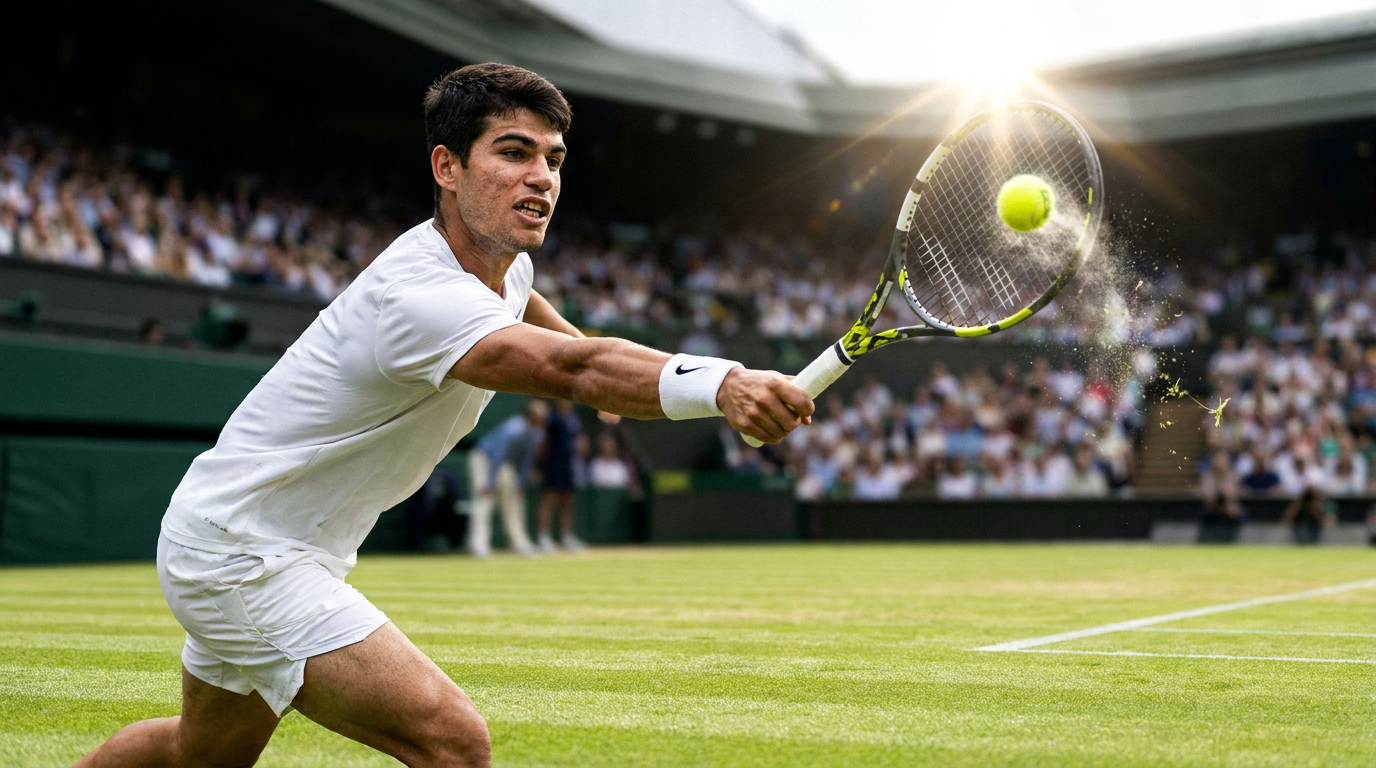
Race to Turin and Riyadh Heats Up as Tennis Enters Grass-Court Swing
0 sources
Injury
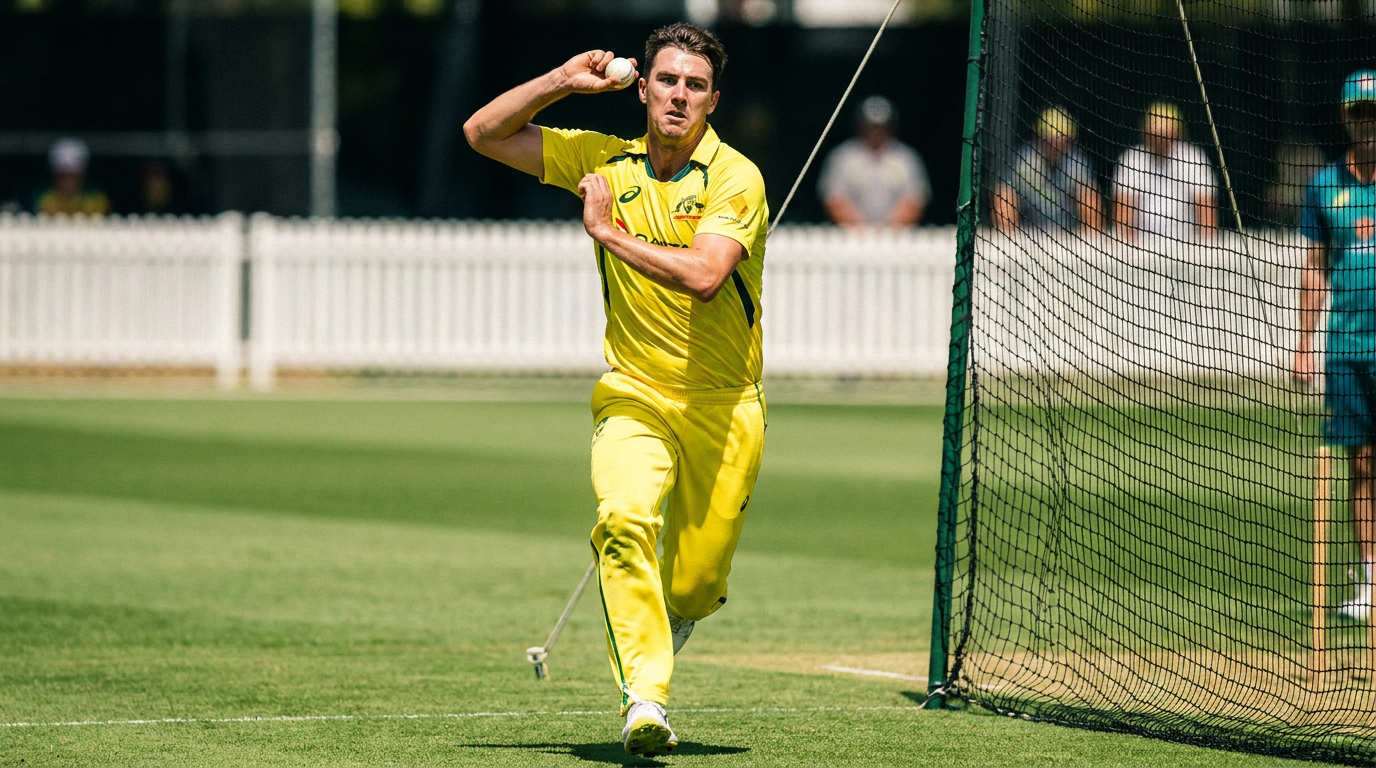
Australian Cricket Boosted as Injured Stars Mahli Beardman and Nathan Lyon Near Returns
0 sources
Standings
World Test Championship Standings: Australia Dominates as Race for Second Spot Intensifies
0 sources
Injury
MotoGP Injury Report: Alex Marquez Cleared for Brno Return Following Horrific Catalunya Crash
0 sources
Every angle. Every day.
Get sports stories with full source coverage and perspective breakdowns delivered to your inbox.