
U.S. and Iran Sign Memorandum to End War, Launching 60-Day Negotiation Window
President Trump announced a framework agreement at the G7 summit to reopen the Strait of Hormuz and halt hostilities. The memorandum kicks off two months of complex negotiations regarding Iran's nuclear program and potential sanctions relief.
By Factlen Editorial Team
- U.S. Administration
- Frames the agreement as a historic victory that secures a non-nuclear Iran from a position of strength.
- Congressional Skeptics
- Demands strict verification of nuclear disarmament and opposes upfront financial relief without concrete concessions.
- Geopolitical Analysts
- Cautions that the memorandum is merely a fragile ceasefire that leaves core ideological and regional conflicts unresolved.
- European & Regional Allies
- Focuses on the immediate reopening of shipping lanes while expressing concern over potential maritime tolls and regional spillover.
What's not represented
- · Iranian Civilians
- · Gulf State Leaders
Why this matters
This agreement pauses a major military conflict that disrupted global shipping and energy markets. If the ensuing 60-day negotiations succeed, it could reshape Middle Eastern geopolitics; if they fail, the U.S. and Iran could return to open warfare.
Key points
- The U.S. and Iran have signed a memorandum of understanding to end their three-and-a-half-month military conflict.
- The agreement centers on reopening the Strait of Hormuz in exchange for lifting the U.S. naval blockade.
- A formal signing ceremony in Geneva on Friday will trigger 60 days of technical negotiations.
- Future talks will address Iran's nuclear program, the fate of highly enriched uranium, and potential sanctions relief.
- Congressional leaders are demanding strict verification mechanisms before any Iranian assets are unfrozen.
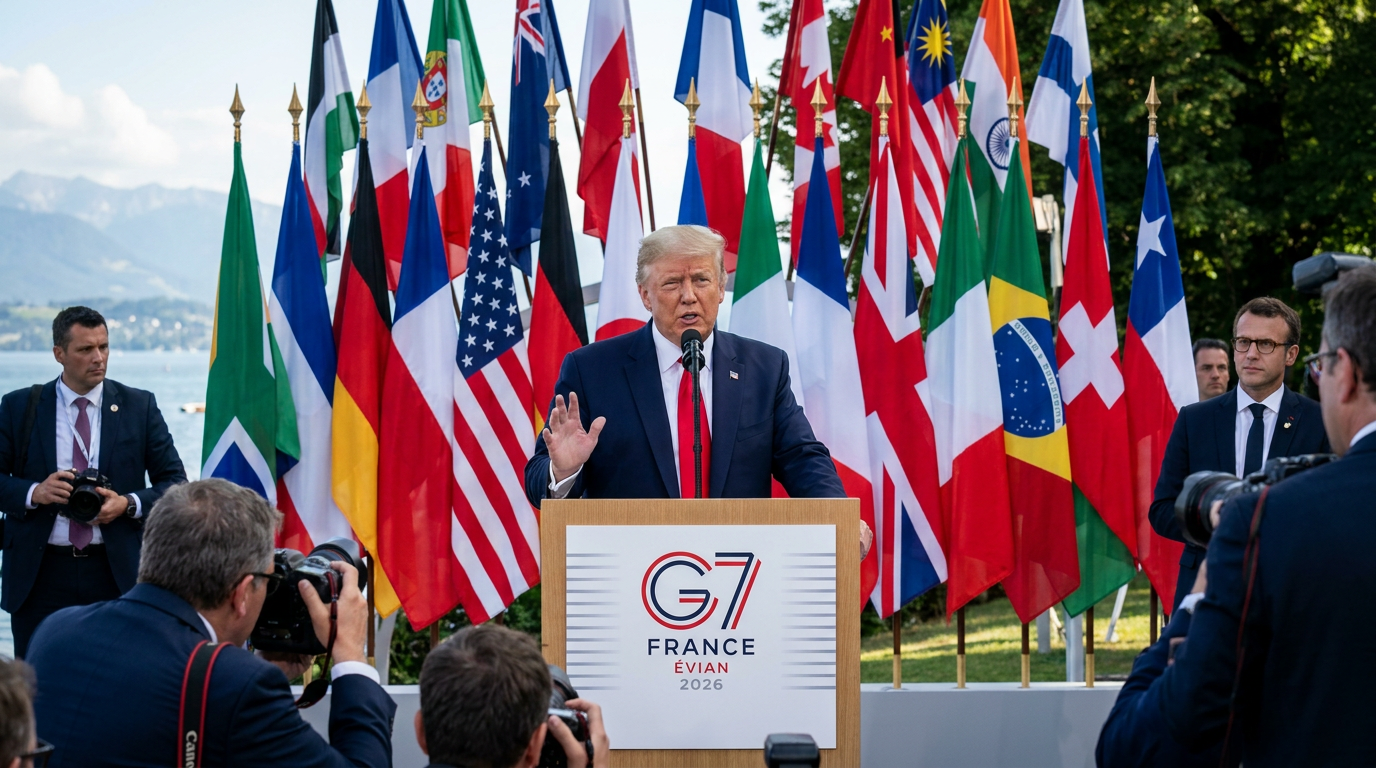
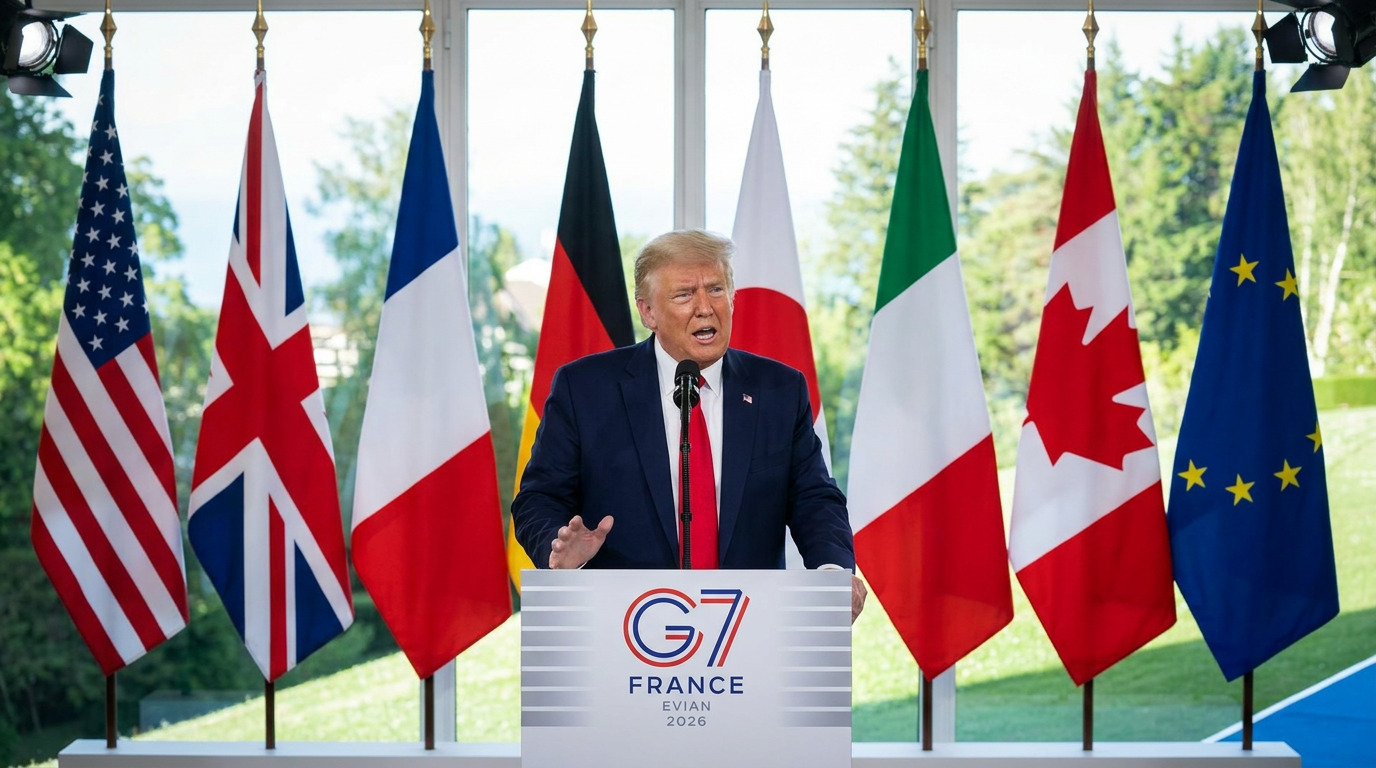
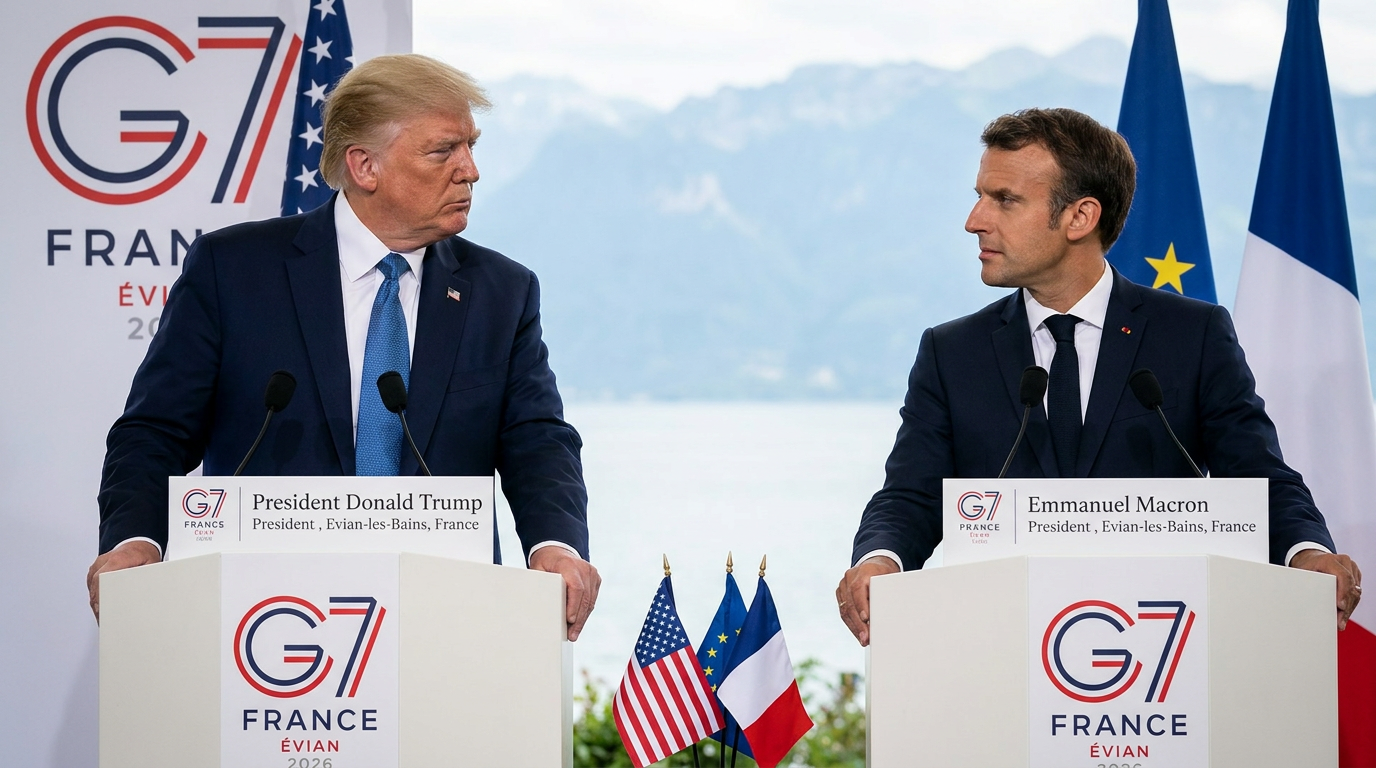
President Donald Trump announced Tuesday that the United States and Iran have signed a memorandum of understanding to end a three-and-a-half-month military conflict that has rattled global energy markets. Speaking alongside French President Emmanuel Macron at the Group of Seven summit in Evian-les-Bains, France, Trump declared the initial agreement 'all signed' and promised that the Strait of Hormuz would soon reopen to international shipping.[1][3]
The breakthrough framework halts a war that escalated sharply in February following U.S. and Israeli strikes on Iranian territory, which prompted Tehran to effectively close the Strait of Hormuz—a vital maritime artery that handles nearly one-fifth of the world's oil supply. The initial pact centers on lifting the U.S. naval blockade in exchange for Iran reopening the waterway.[2][3]
While the memorandum was signed digitally over the weekend, a formal in-person ceremony is scheduled for Friday in Geneva, Switzerland. Vice President JD Vance and Iranian Parliament Speaker Mohammad-Bagher Ghalibaf are expected to attend the signing, which will officially trigger a 60-day window for complex technical negotiations on the most contentious issues.[1][3]

Chief among those issues is the future of Iran's nuclear program. Trump told reporters at the G7 that the memorandum states 'loud and clear' that Tehran will never be allowed to develop a nuclear weapon, warning that 'all hell will rain down' if the Islamic Republic attempts to acquire one. He contrasted his framework with the 2015 Obama-era nuclear accord, which he abandoned during his first term, calling the new arrangement a 'wall' against nuclear proliferation.[5]
However, crucial details regarding how that wall will be built remain secret. The upcoming 60-day talks must determine the fate of Iran's highly enriched uranium, much of which is believed to be buried deep underground beneath nuclear sites like Fordow and Natanz that were heavily damaged by U.S. and Israeli bombing earlier this year. Negotiators must also agree on verification mechanisms and the role of international inspectors.[2][4]
However, crucial details regarding how that wall will be built remain secret.
In exchange for nuclear concessions, Iran is seeking substantial financial relief. Iranian Foreign Minister Abbas Araghchi indicated that the next phase of talks will focus heavily on sanctions relief and the unfreezing of billions of dollars in foreign assets. Negotiators will also reportedly discuss a $300 billion reconstruction fund backed by Gulf states. However, Trump administration officials have stressed that no funds have been released yet, and that any future financial incentives will be strictly conditioned on Iran's compliance with nuclear benchmarks.[2][4]

The reopening of the Strait of Hormuz also presents immediate logistical and diplomatic hurdles. While Trump insisted the waterway would be 'permanently toll-free,' European leaders at the G7 expressed concern over Iranian claims that Tehran might retain the right to charge maritime fees for ships passing through the strait. Plans for a joint Franco-British naval task force to clear mines and escort commercial vessels remain in flux as leaders seek clarity on the agreement's exact terms.[2][3]
Regional dynamics threaten to complicate the fragile truce. The U.S.-Iran memorandum reportedly stipulates a cessation of hostilities on all fronts, including actions by Iranian proxy groups. Yet, ongoing Israeli military operations against Hezbollah in southern Lebanon have exposed the limits of the framework. Far-right members of the Israeli government have argued that the U.S. deal does not bind Israel, while Iranian officials warn that the entire agreement is contingent on a broader regional ceasefire.[3]
Back in Washington, the announcement was met with cautious skepticism on Capitol Hill. Republican lawmakers, including close Trump allies, are demanding to review the text of the memorandum before celebrating. Senate Majority Leader John Thune and Senator Lindsey Graham emphasized that any deal must definitively dismantle Iran's nuclear capabilities before sanctions are lifted. Trump indicated Tuesday that he is open to submitting the final agreement to Congress for formal review.[4][5]

Foreign policy experts caution against viewing the memorandum as a definitive end to decades of animosity. Analysts note that the framework functions more as a strategic pause and a roadmap for negotiations than a comprehensive peace treaty. With core disputes over ballistic missiles, regional proxies, and ideological differences left unresolved, the next 60 days of diplomacy will determine whether the ceasefire holds or collapses back into open conflict.[6]
The economic stakes of the 60-day negotiation window are massive. Global oil markets reacted swiftly to the news of the memorandum, with crude prices dropping in anticipation of the Strait of Hormuz reopening. However, energy analysts warn that if the technical talks stall or if skirmishes resume in the waterway, the resulting price shocks could derail global economic growth projections for the remainder of the year.[1][2]
As diplomats prepare for Friday's signing ceremony in Geneva, the international community remains in a holding pattern. The success of the U.S.-Iran framework will ultimately depend not on the initial memorandum, but on whether two deeply distrustful adversaries can bridge fundamental divides over nuclear enrichment, regional security, and economic sanctions in the grueling negotiations to come.[2][6]
How we got here
February 2026
U.S. and Israel launch military strikes on Iranian territory, prompting the closure of the Strait of Hormuz.
April 2026
A tenuous initial ceasefire is announced, halting major direct military confrontations.
June 14, 2026
U.S. and Iranian leaders digitally sign a memorandum of understanding to end the war.
June 16, 2026
President Trump publicly announces the agreement at the G7 summit in France.
June 19, 2026
Scheduled formal signing ceremony in Geneva, kicking off 60 days of technical negotiations.
Viewpoints in depth
U.S. Administration's View
The White House frames the agreement as a historic victory that secures a non-nuclear Iran from a position of strength.
President Trump and his allies argue that the military pressure applied earlier in the year forced Tehran to the negotiating table on American terms. By securing a commitment that Iran will never possess a nuclear weapon before offering any sanctions relief, the administration claims it has avoided the pitfalls of the 2015 JCPOA. Officials emphasize that the U.S. retains maximum leverage going into the 60-day technical talks, as the naval blockade can be reinstated if Iran fails to comply with nuclear inspections or attempts to charge tolls in the Strait of Hormuz.
Congressional Skeptics
Lawmakers demand strict oversight and verifiable nuclear disarmament before any financial relief is granted.
Republicans and Democrats on Capitol Hill are expressing deep reservations about the lack of public details surrounding the memorandum. Key figures like Senator Lindsey Graham and Senate Majority Leader John Thune argue that Iran's history of nuclear obfuscation requires ironclad verification mechanisms. They are particularly concerned about the fate of highly enriched uranium buried under bombed sites and insist that Congress must review and approve any final deal that involves unfreezing billions of dollars in Iranian assets or establishing a regional reconstruction fund.
Geopolitical Analysts
Foreign policy experts view the memorandum as a fragile ceasefire rather than a durable peace treaty.
Analysts caution that while the agreement successfully halts immediate military escalation and reopens vital shipping lanes, it leaves the core ideological conflicts between Washington and Tehran untouched. Experts point out that postponing the most difficult issues—such as ballistic missile development, support for regional proxies like Hezbollah, and the exact mechanics of nuclear rollback—to a 60-day window is highly ambitious. They warn that if these technical negotiations collapse, the region could quickly slide back into open warfare.
What we don't know
- Whether Iran will be permitted to charge maritime tolls for ships passing through the Strait of Hormuz.
- How international inspectors will verify the destruction or removal of highly enriched uranium buried under bombed sites.
- Whether Israel will adhere to the regional ceasefire framework regarding its ongoing operations against Hezbollah in Lebanon.
Key terms
- Memorandum of Understanding (MOU)
- A formal agreement outlining the broad terms of a deal before a final, legally binding treaty is drafted.
- Strait of Hormuz
- A narrow waterway between the Persian Gulf and the Gulf of Oman, serving as the transit point for roughly 20% of the world's oil.
- Highly Enriched Uranium
- Uranium processed to a purity level that can be used to fuel nuclear weapons.
- Joint Comprehensive Plan of Action (JCPOA)
- The 2015 nuclear agreement between Iran and world powers, which the U.S. withdrew from during President Trump's first term.
Frequently asked
Is the war between the U.S. and Iran officially over?
The two nations have signed a memorandum of understanding that functions as a ceasefire and framework for peace, but a final, comprehensive treaty has not yet been reached.
Will the Strait of Hormuz reopen immediately?
President Trump stated the strait would reopen following the formal signing on Friday, though disputes over potential maritime tolls and mine-clearing operations remain.
Has the U.S. unfrozen Iranian assets?
No. U.S. officials confirm that no funds have been released yet. Sanctions relief will be negotiated over the next 60 days and is conditioned on Iran's nuclear compliance.
Does this agreement affect Israel's conflict with Hezbollah?
The U.S.-Iran memorandum reportedly calls for a regional cessation of hostilities, but Israeli officials maintain they are not bound by the deal and will continue operations in Lebanon.
Sources
Source coverage
6 outlets
4 viewpoints surfaced






[1]CBS NewsU.S. Administration
Trump in G7 summit in France as he touts signing of Iran memorandum
Read on CBS News →[2]ForbesGeopolitical Analysts
Crucial Aspects Of Trump's Iran Deal Remain Secret: Nuclear Program, Strait Of Hormuz Tolls And Sanctions Relief
Read on Forbes →[3]The GuardianEuropean & Regional Allies
Trump declares US-Iran peace deal 'all signed' as G7 leaders battle to tie up loose ends
Read on The Guardian →[4]AP NewsCongressional Skeptics
Trump's Iran deal greeted with skepticism and scrutiny on Capitol Hill
Read on AP News →[5]Al ArabiyaU.S. Administration
Trump: Iran deal says 'loud and clear' that Tehran won't have a nuclear weapon
Read on Al Arabiya →[6]PolitiFactGeopolitical Analysts
Would Trump's Iran deal bring 'peace'? Here's why that is a stretch.
Read on PolitiFact →
More in news politics
See all 7 stories →Global Health
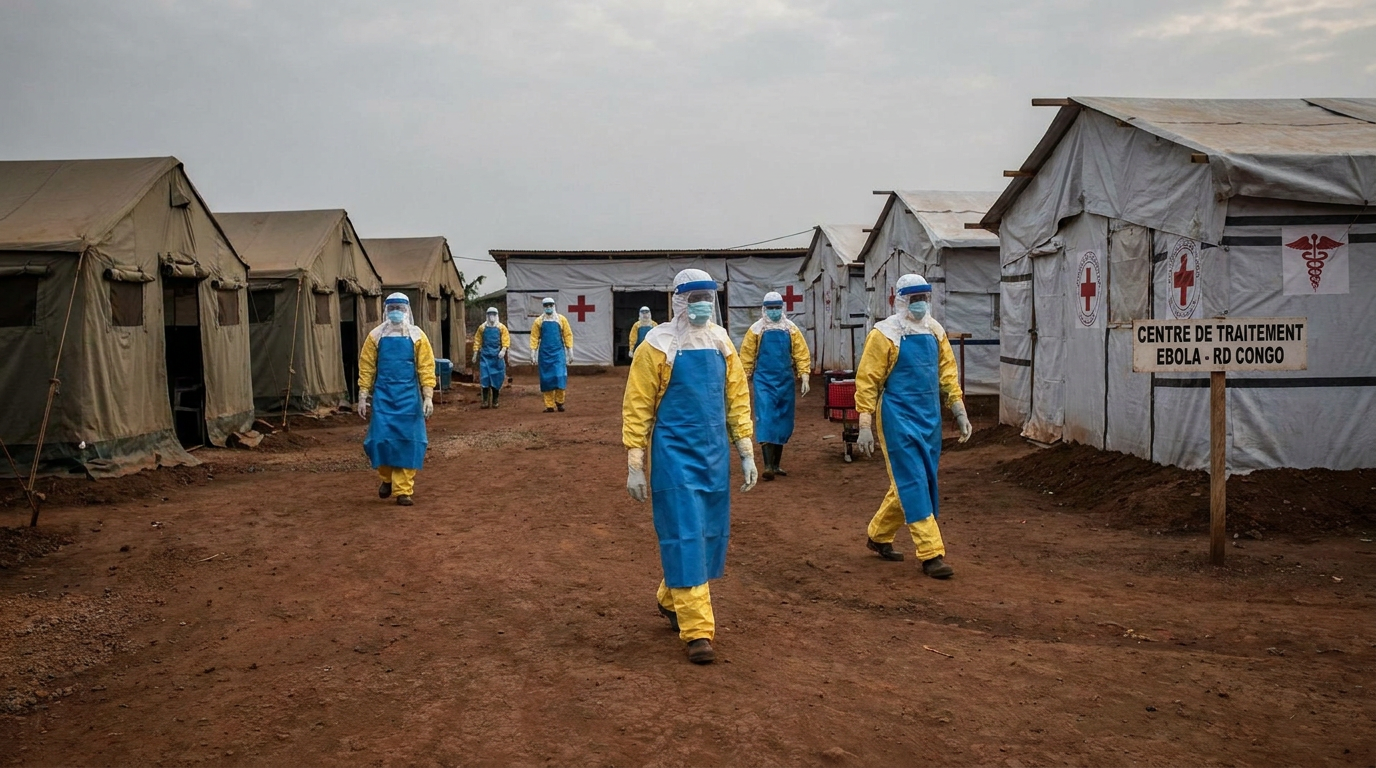
Ebola Outbreak in DR Congo Could Become Worst on Record, Health Officials Warn
0 sources
Iran Peace Deal
Senate Blocks Bid to Limit Trump's War Powers as US-Iran Peace Deal Nears
0 sources
US-Iran Relations
US and Iran Reach Tentative Peace Agreement as G7 Leaders Work to Finalize Details
0 sources
Climate Thresholds
Global Agencies Declare 'Supercharged' El Niño as UN Concedes 1.5°C Overshoot
0 sources
Every angle. Every day.
Get news politics stories with full source coverage and perspective breakdowns delivered to your inbox.