
US and Iran Reach Deal to Reopen Strait of Hormuz, Sending Oil Prices Tumbling
A newly brokered peace agreement between the United States and Iran will lift naval blockades and reopen the Strait of Hormuz to commercial shipping. The diplomatic breakthrough, mediated by Pakistan, has immediately driven global oil prices below $80 a barrel and eased fears of prolonged energy-driven inflation.
By Factlen Editorial Team
- Global Energy Markets
- Focused on the immediate restoration of supply chains and the logistical hurdles of reopening the strait.
- Macroeconomic Analysts
- Focused on how the drop in oil prices will alleviate inflation and influence Federal Reserve policy.
- Diplomatic Mediators
- Focused on the geopolitical stability achieved through the truce and the upcoming nuclear negotiations.
What's not represented
- · Israeli Government Officials
- · Stranded Seafarers and Crews
Why this matters
The reopening of the Strait of Hormuz directly impacts the cost of gasoline, manufacturing, and global shipping, offering immediate relief to consumers squeezed by inflation. By lowering energy costs, the deal also gives the Federal Reserve crucial breathing room to avoid further interest rate hikes, affecting mortgage and borrowing rates worldwide.
Key points
- The US and Iran agreed to reopen the Strait of Hormuz, ending a 3.5-month blockade.
- Global oil prices immediately fell below $80 a barrel in response to the news.
- Pakistan played a central role in brokering the memorandum of understanding.
- The deal includes a 60-day window to negotiate Iran's nuclear program and sanctions.
- The drop in energy costs provides the Federal Reserve with relief from inflation pressures.
- Clearing the backlog of ships and removing mines could still take several weeks.
After three and a half months of military hostilities that choked the world's most critical energy artery, the United States and Iran have reached a landmark agreement to reopen the Strait of Hormuz. The tentative peace deal, announced over the weekend, effectively ends a standoff that had paralyzed global shipping and sent inflation soaring across Western economies. U.S. President Donald Trump and Iranian officials confirmed the breakthrough, which centers on a mutual stand-down: the immediate lifting of Iran's closure of the waterway and the simultaneous removal of the U.S. naval blockade on Iranian ports. The agreement marks a sudden de-escalation in a conflict that began in late February and had threatened to drag the broader Middle East into a protracted, full-scale war.[3][5][8]
The immediate reaction across global financial markets was a wave of profound relief, with energy markets leading the rapid recalibration. U.S. West Texas Intermediate crude prices tumbled below $80 a barrel in early trading, while the international benchmark, Brent crude, dropped nearly 5 percent to settle around $83. This represents a dramatic retreat from the peak of the crisis, when oil futures soared well past $110 a barrel and forced governments worldwide to drain their strategic petroleum reserves at a historic pace. Equities followed suit, with the Dow Jones Industrial Average and the tech-heavy Nasdaq surging to record highs as investors priced in the end of the greatest energy supply shock in modern market history.[1][3][4]
The diplomatic breakthrough was largely orchestrated by Pakistan, which leveraged its unique regional positioning to broker the fragile truce. Pakistani Prime Minister Shehbaz Sharif served as the primary conduit between Washington and Tehran, eventually securing what he described as the "final, agreed upon text" of the memorandum of understanding. By maintaining quiet diplomatic channels while the U.S. and Israel engaged in direct military exchanges with Iran, Islamabad managed to mint significant geopolitical capital. Sharif noted that the agreement mandates a permanent termination of military operations on all fronts, laying the groundwork for a broader stabilization effort across the Persian Gulf.[2][8]
While the full text of the agreement remains confidential, the core mechanics of the deal focus on restoring the pre-war maritime status quo. The U.S. has committed to ending its naval blockade, while Iran has agreed to allow toll-free passage for commercial vessels navigating the Strait of Hormuz. This mutual concession is designed to immediately restart the flow of crude oil and liquefied natural gas. The official signing ceremony is scheduled to take place in Switzerland on June 19, which will formally trigger the implementation phase and allow international shipping conglomerates to begin reassessing their risk models for the region.[5][8]

Beyond the immediate maritime reopening, the memorandum establishes a critical 60-day negotiation window aimed at addressing the deeper roots of the conflict. During this period, mediators will facilitate technical talks regarding the dismantling of Iran's nuclear program and the potential easing of international sanctions. Tehran has long demanded the unfreezing of billions of dollars in overseas assets, and the current framework reportedly outlines a phased release of these funds contingent upon strict compliance with the newly established terms. This two-month window serves as a high-stakes probationary period, requiring both sides to maintain the ceasefire while navigating deeply entrenched ideological differences.[5][8]
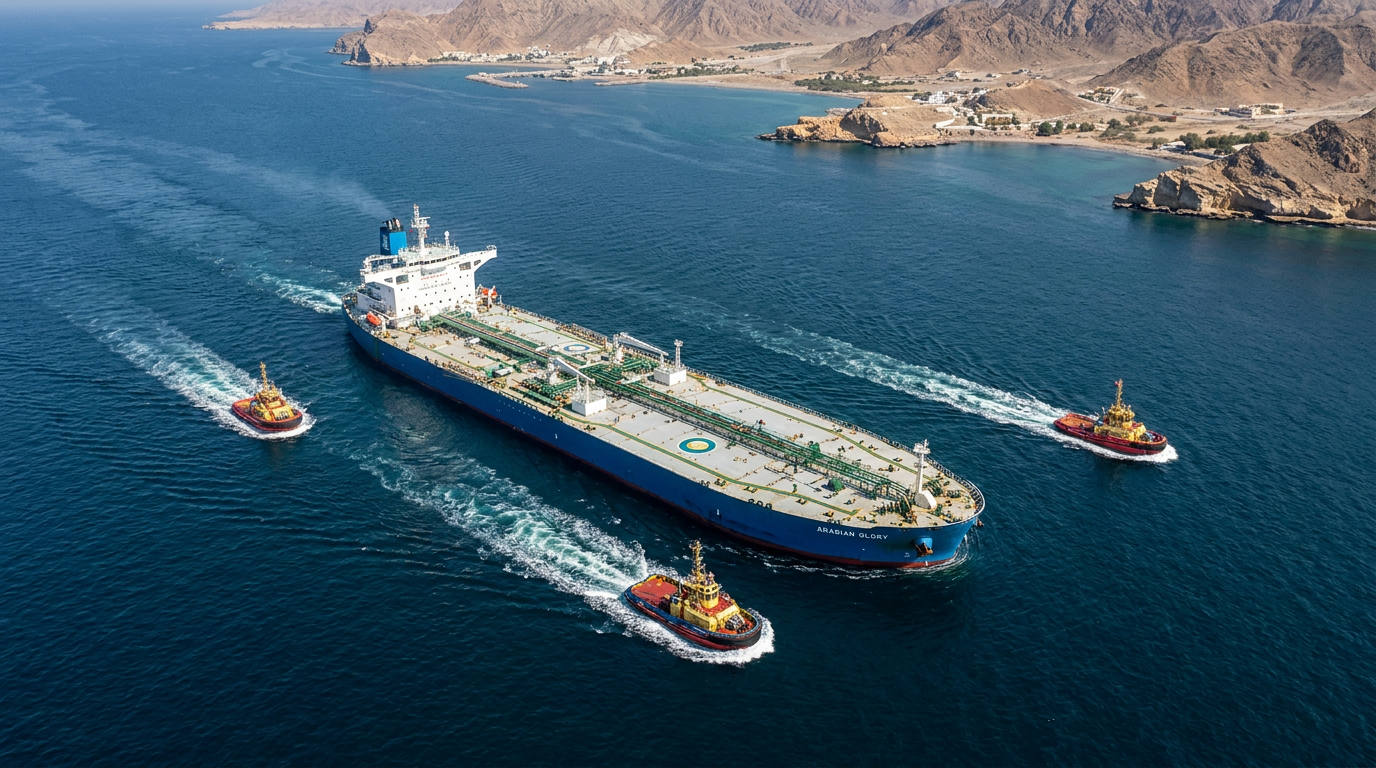
To understand the sheer magnitude of this agreement, one must look at the structural importance of the Strait of Hormuz. The narrow waterway, which connects the Persian Gulf to the Gulf of Oman and the open ocean, handles roughly 20 percent of all global oil transit. When the conflict erupted in late February and the strait was effectively mined and blockaded, it severed the primary artery for Middle Eastern energy exports. The resulting bottleneck did not just disrupt regional trade; it fundamentally altered the global macroeconomic landscape, creating artificial scarcity that rippled through every layer of the international supply chain.[3][5]
The economic toll of the closure was swift and severe, manifesting most visibly in surging consumer inflation. In the United States, the Consumer Price Index spiked to an annual rate of 4.2 percent in May—its highest level in more than three years—with energy costs accounting for over 60 percent of that monthly increase. American drivers felt the squeeze acutely, paying 37 percent more at the gas pump than they did prior to the outbreak of hostilities. This energy-driven inflation effectively erased months of economic progress, squeezing household budgets and forcing businesses to pass elevated transportation and manufacturing costs down to the end consumer.[3][6]

The economic toll of the closure was swift and severe, manifesting most visibly in surging consumer inflation.
Financial commentators and market analysts have been stark in their assessment of the damage inflicted by the prolonged energy shock. CNBC's Jim Cramer recently highlighted that the sustained surge in oil prices was acting as a regressive tax, disproportionately crushing lower-income households already struggling with broader inflationary pressures. Cramer characterized the elevated energy costs as the breaking point for the working class, noting that a return to pre-war oil prices would reverberate positively through the entire economy. The sudden drop in crude futures following the deal's announcement provides the first genuine signal that this intense financial pressure may finally begin to subside.[7]
The timing of the diplomatic breakthrough is particularly consequential for the Federal Reserve, arriving just as newly confirmed Chair Kevin Warsh prepares to lead his first Federal Open Market Committee meeting. Warsh stepped into the role facing a daunting macroeconomic puzzle: a resilient labor market colliding with an energy-driven inflation spike. Prior to the Strait's closure, the central bank had been telegraphing potential interest rate cuts for 2026. However, the geopolitical shock completely upended those forecasts, forcing policymakers to adopt a more hawkish stance to prevent inflation expectations from becoming unmoored.[6]
In the weeks leading up to the June 16-17 policy meeting, the consensus among economists was that the Fed might actually have to resume raising borrowing costs to combat the energy shock. The jump in both consumer and producer prices made it nearly impossible for the rate-setting panel to justify easing monetary policy, despite intense political pressure from the White House for lower rates. The sudden collapse in oil prices triggered by the U.S.-Iran deal fundamentally alters this calculus. While the Fed is still overwhelmingly expected to hold its benchmark rate steady at 3.5 to 3.75 percent this week, the resumption of Middle Eastern oil flows significantly reduces the likelihood of future rate hikes.[6]

Despite the euphoria in financial markets, energy experts and logistics analysts caution that a return to pre-crisis normality will not happen overnight. Analysts at the political risk consultancy Eurasia Group estimate that it could take several weeks for oil tanker traffic through the Strait of Hormuz to reach even 50 percent of its pre-war volume. Shipping conglomerates and maritime insurance providers remain deeply cautious, requiring concrete evidence that the pact will hold before committing their multi-million-dollar vessels to the previously contested waters. The physical reopening of the strait is a complex logistical operation, not merely a political declaration.[3]
The immediate physical hurdle is the massive backlog of stranded vessels and the perilous task of clearing the waterway. Dozens of commercial ships, including 38 Japanese-linked vessels, have been trapped in the channel for months, waiting for safe passage. Furthermore, the process of mine removal—a prerequisite for restoring full, toll-free navigation—could take up to seven weeks to complete safely. The International Maritime Organization is currently coordinating with member states to implement a secure extraction plan, but the sheer volume of delayed cargo means that the global energy supply chain will experience residual friction well into the third quarter of the year.[4]

Politically, the agreement delivers a vital victory for the U.S. administration as it navigates a complex domestic landscape ahead of the midterm elections. The soaring cost of road fuel during the peak summer driving season represented a massive political liability, and the successful brokering of a truce allows the White House to claim credit for stabilizing the global economy. Conversely, for Tehran, the deal offers a desperately needed economic lifeline. The gradual reopening of the strait and the phased release of frozen assets provide the Iranian regime with the capital necessary to stabilize its domestic economy, which has been battered by years of compounding sanctions and the recent military mobilization.[4][5]
However, the fragility of the current arrangement cannot be overstated, primarily because key regional actors remain outside the scope of the memorandum. Israel and the Lebanese militant group Hezbollah are not formal parties to the U.S.-Iran agreement, and their ongoing hostilities represent a massive blind spot in the peace framework. Israeli officials have already indicated that they will continue to act independently to neutralize perceived threats on their northern border. Any significant escalation in the Levant could easily shatter the delicate trust established between Washington and Tehran, threatening to drag the Persian Gulf back into chaos.[5]
Ultimately, the U.S.-Iran deal represents a critical inflection point for the global economy in 2026, pivoting the narrative from crisis management back to cautious recovery. If the 60-day negotiation window yields a durable framework for Iran's nuclear program and permanent maritime security, the inflationary fever that gripped the first half of the year may finally break. Yet, as the first tankers prepare to navigate the newly cleared waters of the Strait of Hormuz, the international community remains acutely aware that this peace is provisional. The world's energy security now hinges on the meticulous execution of a diplomatic pact in one of the most volatile regions on Earth.[3][5][8]
How we got here
Late Feb 2026
Hostilities erupt, leading to the closure of the Strait of Hormuz and a US naval blockade.
April 8, 2026
A fragile, temporary ceasefire is established through regional mediation.
May 2026
US inflation hits a three-year high of 4.2%, driven largely by the energy shock.
June 14, 2026
The US and Iran announce a landmark agreement to reopen the Strait and lift blockades.
June 19, 2026
Official signing ceremony scheduled to take place in Switzerland.
Viewpoints in depth
Global Energy Markets
Commodity traders and shipping conglomerates focused on supply restoration.
For energy markets, the deal is a massive relief valve but not an instant fix. Traders have aggressively priced in the return of Iranian and Gulf crude, sending futures tumbling. However, shipping companies and maritime insurers remain highly cautious. They argue that until the physical backlog of stranded vessels is cleared and mine-sweeping operations are fully completed, the logistical friction will keep actual delivery costs elevated, preventing an immediate return to pre-war normalcy.
The Federal Reserve & Economists
Central bankers managing the macroeconomic fallout of the energy shock.
Macroeconomists view the Strait's reopening as the single most important factor in avoiding a prolonged stagflation scenario. The energy shock had forced the Fed into a corner, with surging CPI data threatening to trigger new interest rate hikes. Economists argue that the sudden collapse in oil prices will quickly filter through to headline inflation, giving Fed Chair Kevin Warsh the justification needed to hold rates steady and potentially pivot back toward cuts later in the year.
Regional Diplomats
Middle Eastern mediators and neighboring states prioritizing stability.
For nations like Pakistan and Qatar, the agreement is a triumph of quiet, back-channel diplomacy over military escalation. These regional actors emphasize that the 60-day negotiation window is a fragile opportunity to address the deeper structural issues, including Iran's nuclear ambitions and the unfreezing of assets. They warn that without comprehensive sanctions relief and a permanent security framework, the Persian Gulf will remain vulnerable to rapid re-escalation.
What we don't know
- Whether Iran will fully commit to dismantling its nuclear program during the 60-day negotiation window.
- How Israel's ongoing independent military operations against Hezbollah might impact the fragile truce.
- Exactly how long it will take to clear the backlog of stranded ships and complete mine-sweeping operations.
Key terms
- Strait of Hormuz
- A narrow, strategically vital waterway between the Persian Gulf and the Gulf of Oman, through which roughly 20% of the world's oil passes.
- Brent Crude
- The leading global price benchmark for Atlantic basin crude oils, used to price two-thirds of the world's internationally traded crude oil.
- Federal Open Market Committee (FOMC)
- The branch of the Federal Reserve responsible for directing monetary policy and setting short-term interest rates.
- Naval Blockade
- A military effort to cut off food, supplies, war material, or communications from a particular area by force.
Frequently asked
Why did oil prices drop so quickly?
The agreement to reopen the Strait of Hormuz means that millions of barrels of Middle Eastern oil can once again flow into the global market, eliminating the artificial scarcity that had driven prices up.
Will gas prices go down immediately?
While wholesale crude prices have dropped, it typically takes a few weeks for those savings to fully filter down to the consumer level at local gas stations.
What is the 60-day negotiation window?
It is a two-month period established by the deal for the US and Iran to hold technical talks regarding the dismantling of Iran's nuclear program and the potential unfreezing of Iranian assets.
How does this affect US interest rates?
The drop in oil prices helps cool inflation. This gives the Federal Reserve breathing room to hold interest rates steady, rather than raising them to fight energy-driven price spikes.
Sources
Source coverage
8 outlets
3 viewpoints surfaced








[1]BloombergGlobal Energy Markets
Oil Falls Below $80 With US-Iran Deal Set to Add Wave of Supply
Read on Bloomberg →[2]ForbesDiplomatic Mediators
How Pakistan Turned Rare Access Into Diplomatic Currency In The U.S.-Iran Deal
Read on Forbes →[3]CBS NewsGlobal Energy Markets
Latest on U.S.-Iran deal as Trump says text will be released
Read on CBS News →[4]The GuardianGlobal Energy Markets
Oil prices tumble as US and Iran reach deal to reopen Strait of Hormuz
Read on The Guardian →[5]PBSDiplomatic Mediators
Iran and U.S. reach an initial deal to extend the ceasefire and open the Strait of Hormuz
Read on PBS →[6]Washington PostMacroeconomic Analysts
Kevin Warsh will hold his first policy meeting next week with inflation at a three-year high
Read on Washington Post →[7]CNBCMacroeconomic Analysts
Jim Cramer: Why we're headed back to pre-Iran war oil prices and what it means
Read on CNBC →[8]South China Morning PostDiplomatic Mediators
Agreement set to end US naval blockade and establish 60-day window to dismantle Iran's nuclear programme
Read on South China Morning Post →

More in business
See all 5 stories →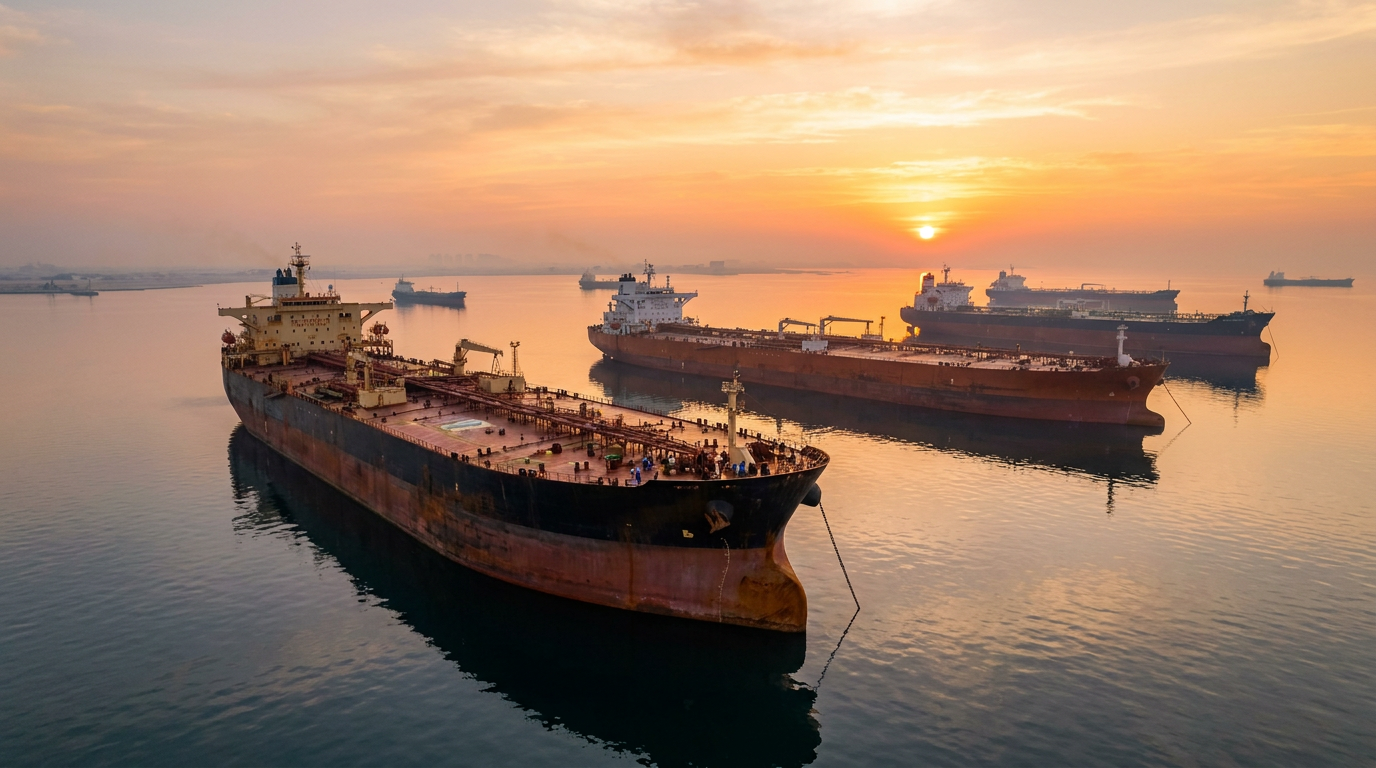

Every angle. Every day.
Get business stories with full source coverage and perspective breakdowns delivered to your inbox.