
The 2026 Guide to Retrofitting Older Homes with Heat Pumps
As federal incentives and cold-climate technology improve, replacing fossil-fuel heating with high-efficiency heat pumps has become financially viable for older homes. However, a successful retrofit requires careful assessment of insulation, ductwork, and electrical capacity.
By Factlen Editorial Team
- Building Science Experts
- Argue that insulation and air sealing must precede heat pump installation to ensure comfort and efficiency.
- Electrification Advocates
- Emphasize the urgent need to transition away from fossil fuels, pointing to cold-climate technological breakthroughs.
- HVAC Contractors
- Focus on the practicalities of installation, often recommending dual-fuel systems as a reliable bridge for older homes.
- Pragmatic Homeowners
- Weigh the long-term operating savings and tax credits against the steep upfront costs and potential electrical panel upgrades.
Why this matters
Heating and cooling account for roughly half of a home's energy use. Upgrading to a heat pump can cut utility bills by 25-45% and eliminate local emissions, but the upfront costs and technical hurdles of retrofitting older housing stock mean homeowners must plan strategically to maximize returns.
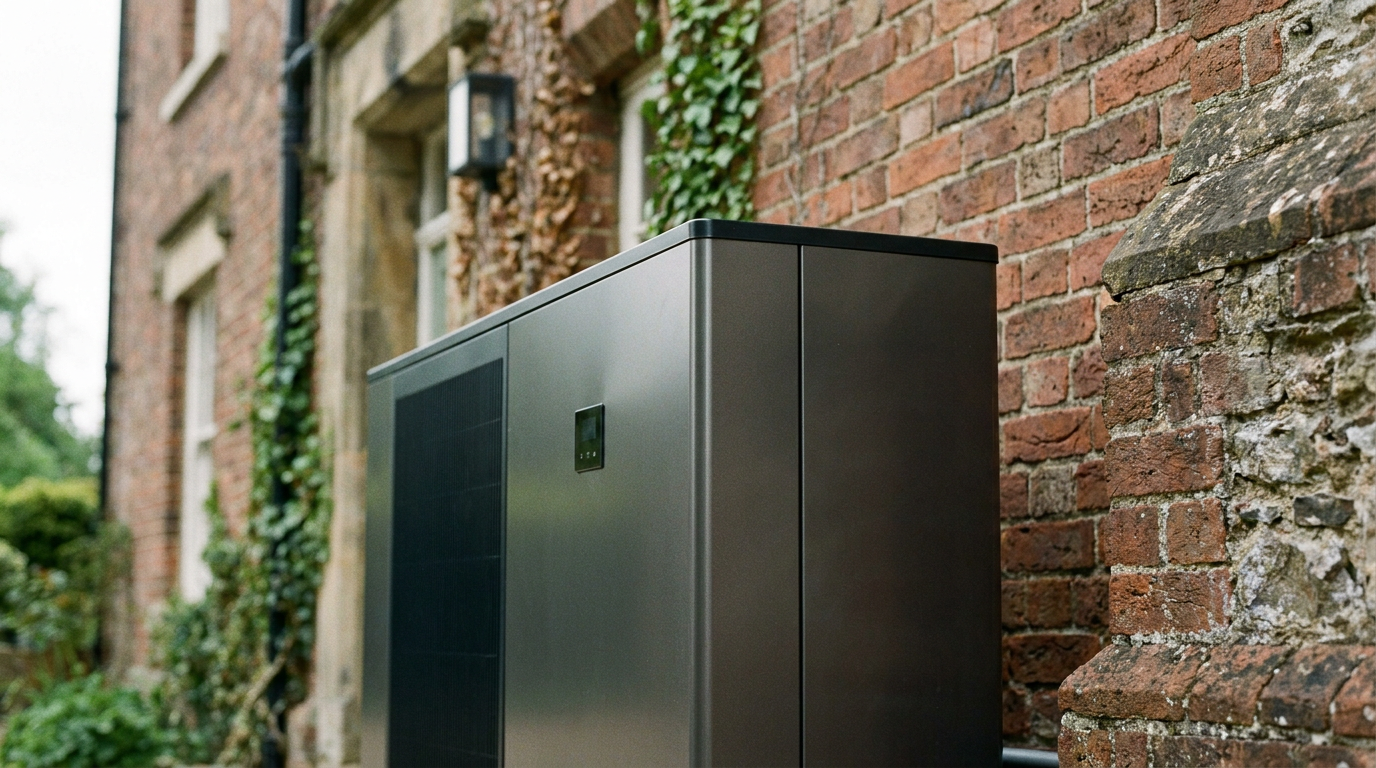
For decades, the basement gas furnace was the undisputed king of residential heating in colder climates. But as energy costs fluctuate and decarbonization efforts accelerate, a fundamental shift is underway in home heating. Heat pumps, once relegated to mild southern climates, have officially outsold gas furnaces in the United States for several consecutive years. Now, in 2026, the focus has shifted from new construction to the millions of older, existing homes that still rely on fossil fuels. Retrofitting a century-old Victorian or a mid-century ranch with a modern heat pump is no longer a fringe environmental project; it is a mainstream financial decision. However, upgrading an older home is rarely a simple plug-and-play operation. It requires a strategic approach to building science, carefully balancing equipment upgrades with insulation improvements.[8]
To understand why heat pumps are replacing combustion furnaces, it is necessary to understand the mechanism of heat transfer. A traditional gas or oil furnace creates heat by burning fuel. This process is inherently limited by the laws of thermodynamics; you can never get more energy out than the chemical energy you put in. Even the most advanced, high-efficiency condensing gas furnaces max out at an Annual Fuel Utilization Efficiency (AFUE) of roughly 96%, meaning 4% of the energy is lost as exhaust waste. A heat pump, conversely, does not create heat at all. Instead, it uses a refrigerant cycle to absorb ambient thermal energy from the outside air, compress it to raise its temperature, and transfer it indoors.[1][3]
Because a heat pump is merely moving existing heat rather than generating it from scratch, it achieves efficiencies that defy the limits of combustion. This efficiency is measured by the Coefficient of Performance (COP). A COP of 3.0 means that for every one unit of electrical energy consumed by the system, it delivers three units of thermal energy into the home. In percentage terms, this equates to 300% efficiency. This massive thermodynamic advantage is the primary reason why operating a heat pump is generally cheaper than burning natural gas, provided the system is properly sized and installed.[1]

Historically, the fatal flaw of air-source heat pumps was their inability to extract heat when the outside air dropped below freezing. Older single-speed compressors would struggle, forcing the system to rely on expensive, inefficient electric resistance backup strips. This gave heat pumps a poor reputation in northern climates. However, the technology has undergone a revolution. Modern cold-climate heat pumps utilize variable-speed, inverter-driven compressors that can modulate their capacity in real-time, operating efficiently even when the thermometer plunges.[2][5]
To accelerate this technological leap, the U.S. Department of Energy launched the Cold Climate Heat Pump Challenge, partnering with major manufacturers to develop systems capable of maintaining 100% of their heating capacity at 5°F (-15°C). The results of these field tests have definitively debunked the myth that heat pumps cannot handle winter. Next-generation prototypes and commercially available units have proven highly capable of keeping homes warm without relying on backup heat, even in extreme weather conditions.[3][5]
Field validation data published by the American Council for an Energy-Efficient Economy (ACEEE) and national laboratories confirms this performance in real-world, occupied homes. During testing in outdoor temperatures between 0°F and 5°F, cold-climate heat pumps maintained a median COP of 1.9. This means that even in bitter cold, the units were still operating at 190% efficiency—nearly double the efficiency of the best gas furnaces on the market. This technological breakthrough has opened up the northern half of the continent to full electrification.[5]

Despite these advancements in equipment, installing a high-efficiency heat pump in a drafty, uninsulated older home is a recipe for high electricity bills and poor comfort. Building science experts advocate for a 'fabric first' approach to retrofitting. This philosophy dictates that before upgrading the mechanical heating system, homeowners must first address the building's thermal envelope—the 'fabric' of the house. Sealing air leaks, adding loft insulation, and upgrading single-pane windows ensures that the heat generated by the new system actually stays inside the living space.[6]
Building science experts advocate for a 'fabric first' approach to retrofitting.
The impact of fabric retrofits on older housing stock is profound. A 2024 study published in the journal MDPI modeled the effects of insulation upgrades on hard-to-treat, pre-1919 residential properties. The researchers found that comprehensive fabric improvements—specifically upgrading wall, loft, and floor insulation alongside modern glazing—could yield up to a 50% reduction in the home's total heating demand. By cutting the heat loss in half, the home becomes perfectly primed for a heat pump installation.[6]
Reducing a home's heat demand does more than just lower the monthly utility bill; it fundamentally changes the type of heat pump required. A well-insulated home requires a smaller, less expensive heat pump unit. Furthermore, it allows the system to operate at lower 'flow temperatures.' Heat pumps are most efficient when they deliver warm air or water at lower, steady temperatures over longer periods, rather than blasting short bursts of intense heat like a traditional oversized gas furnace.[6][7]
For homes with existing hydronic heating (radiators), a hydraulic system assessment is a critical step in the retrofit process. Traditional gas boilers send water through radiators at scorching temperatures of 70°C to 90°C (158°F to 194°F). Heat pumps, however, operate most efficiently when supplying water at 35°C to 55°C (95°F to 131°F). If an older home's existing radiators are too small, they will not be able to emit enough heat at these lower flow temperatures to keep the room comfortable. In these cases, homeowners may need to upgrade to larger, high-output radiators or install underfloor heating.[7]

Homes with forced-air ductwork face their own set of challenges. Older duct systems are notoriously leaky and may be undersized for the airflow requirements of a modern heat pump. Conversely, roughly one-third of homes in colder climates lack ductwork entirely, having historically relied on radiators or baseboard heaters. For these properties, ductless mini-split heat pumps offer an elegant solution. Mini-splits use a single outdoor compressor connected to multiple indoor air-handling units, allowing for zoned temperature control without the need to tear open walls to install bulky ductwork.[3]
For homeowners who are hesitant to go fully electric, or for those living in poorly insulated homes where a deep fabric retrofit is cost-prohibitive, a dual-fuel (or hybrid) system offers a pragmatic middle ground. A dual-fuel setup pairs a high-efficiency electric heat pump with a traditional gas furnace. The heat pump handles the heating load for 80% to 90% of the winter, operating during the milder temperatures where it is most efficient. When a severe cold snap hits and temperatures drop below a designated set-point, the system automatically switches over to the gas furnace.[3]
The financial equation of retrofitting a heat pump involves weighing higher upfront capital costs against long-term operational savings. Installing a heat pump generally carries a premium of $2,000 to $5,000 over a comparable gas furnace and standalone air conditioning replacement. However, because a heat pump provides both heating and cooling in a single unit, it is highly cost-effective for homeowners who need to replace an aging air conditioner anyway.[1]
To offset these upfront costs, the federal government has implemented substantial financial incentives under the Inflation Reduction Act (IRA). Section 25C of the tax code provides an Energy Efficient Home Improvement Credit, allowing homeowners to claim 30% of the cost of a qualifying heat pump, up to a maximum of $2,000 per year. Because this limit resets annually, strategic homeowners can phase their retrofits—claiming a credit for insulation in one tax year, and claiming the $2,000 heat pump credit in the next.[4]

Once installed, the operational savings can be significant, particularly for homes switching away from expensive heating oil, propane, or traditional electric baseboards. Even when compared to cheap natural gas, heat pumps often win out. Industry data from 2026 indicates that in moderate to cold-mixed climates, switching from a gas furnace to a heat pump saves the average household between 25% and 45% on annual heating costs, translating to roughly $800 to $1,400 in yearly savings depending on local utility rates.[1]
One of the most common hidden hurdles in retrofitting older homes is the electrical infrastructure. Many homes built before 1980 still operate on 100-amp electrical panels, which may not have the capacity to support a new 240-volt heat pump alongside an electric stove, EV charger, and heat pump water heater. Upgrading to a 200-amp panel can add several thousand dollars to the project cost. Fortunately, new technologies like smart electrical panels and power-sharing devices are emerging to help homeowners electrify without requiring a full utility service upgrade.[8]
Ultimately, retrofitting an older home with a heat pump is a highly customized process that defies one-size-fits-all solutions. It requires a holistic view of the property, combining insulation upgrades, proper equipment sizing, and an understanding of local utility rates and incentives. As the technology continues to mature and the electrical grid becomes cleaner, the transition away from residential fossil fuels is no longer a question of if, but when. For homeowners willing to navigate the initial complexities, the reward is a more comfortable, resilient, and cost-effective home.[8]
Viewpoints in depth
Building Science Experts
Argue that insulation and air sealing must precede heat pump installation to ensure comfort and efficiency.
Building scientists emphasize the 'fabric first' approach, warning that installing a high-efficiency heat pump in a leaky, uninsulated home will lead to poor performance and high electricity bills. They advocate for comprehensive energy audits, prioritizing loft insulation, wall insulation, and draft-proofing. By reducing the home's overall heat demand first, homeowners can install smaller, less expensive heat pump units that operate at lower, more efficient flow temperatures.
Electrification Advocates
Emphasize the urgent need to transition away from fossil fuels, pointing to cold-climate technological breakthroughs.
Environmental and policy advocates view the electrification of home heating as a critical pillar of global decarbonization. They point to field data from the DOE's Cold Climate Heat Pump Challenge, which proves modern inverter-driven systems can maintain high efficiencies even at 5°F. From this perspective, the continued installation of gas furnaces locks in decades of carbon emissions, making immediate adoption of heat pumps essential, supported by robust federal and state rebate programs.
Pragmatic Homeowners
Weigh the long-term operating savings and tax credits against the steep upfront costs and potential electrical panel upgrades.
For many homeowners, the decision to retrofit is strictly financial. While they acknowledge the 25% to 45% reduction in monthly operating costs and the environmental benefits, they are often deterred by the high initial capital required. The premium for the heat pump itself, combined with potential hidden costs like upgrading a 100-amp electrical panel or resizing ductwork, can make the ROI timeline stretch to nearly a decade. They rely heavily on stacking IRA tax credits and local utility rebates to make the math work.
What we don't know
- How quickly local utility grids will upgrade infrastructure to handle the increased winter electrical load from mass heat pump adoption.
- Whether future state-level building codes will eventually mandate the replacement of broken gas furnaces with electric alternatives.
- The exact long-term lifespan of the newest variable-speed inverter compressors operating in extreme cold conditions.
Sources
Source coverage
8 outlets
4 viewpoints surfaced






[1]NuWatt EnergyPragmatic Homeowners
Heat Pump Running Cost vs Gas Furnace (2026)
Read on NuWatt Energy →[2]CarrierHVAC Contractors
Cold Climate Heat Pump Systems | Efficient Heating in Extreme Weather
Read on Carrier →[3]U.S. Department of EnergyElectrification Advocates
Heat Pump Systems
Read on U.S. Department of Energy →[4]Internal Revenue ServicePragmatic Homeowners
Energy Efficient Home Improvement Credit
Read on Internal Revenue Service →[5]American Council for an Energy-Efficient EconomyElectrification Advocates
Rising Up to the Challenge: Cold Climate Heat Pumps in the Field
Read on American Council for an Energy-Efficient Economy →[6]MDPIBuilding Science Experts
Fabric Retrofit of a Hard-to-Treat, Pre-1919 House in Preparation for Heat Pump Use
Read on MDPI →[7]IDM EnergieBuilding Science Experts
Retrofit Existing Heating with a Heat Pump
Read on IDM Energie →[8]Factlen Editorial Team
Synthesis by Factlen editorial team
Read on Factlen Editorial Team →
Every angle. Every day.
Get home stories with full source coverage and perspective breakdowns delivered to your inbox.