
The 'Slow Content' Revolution: Why Creators Are Trading Viral Shorts for Feature-Length Documentaries
Exhausted by the algorithmic treadmill, a new wave of digital creators is embracing 'Slow Content'—producing deeply researched, feature-length video essays that prioritize viewer satisfaction over hyper-fast engagement.
By Factlen Editorial Team
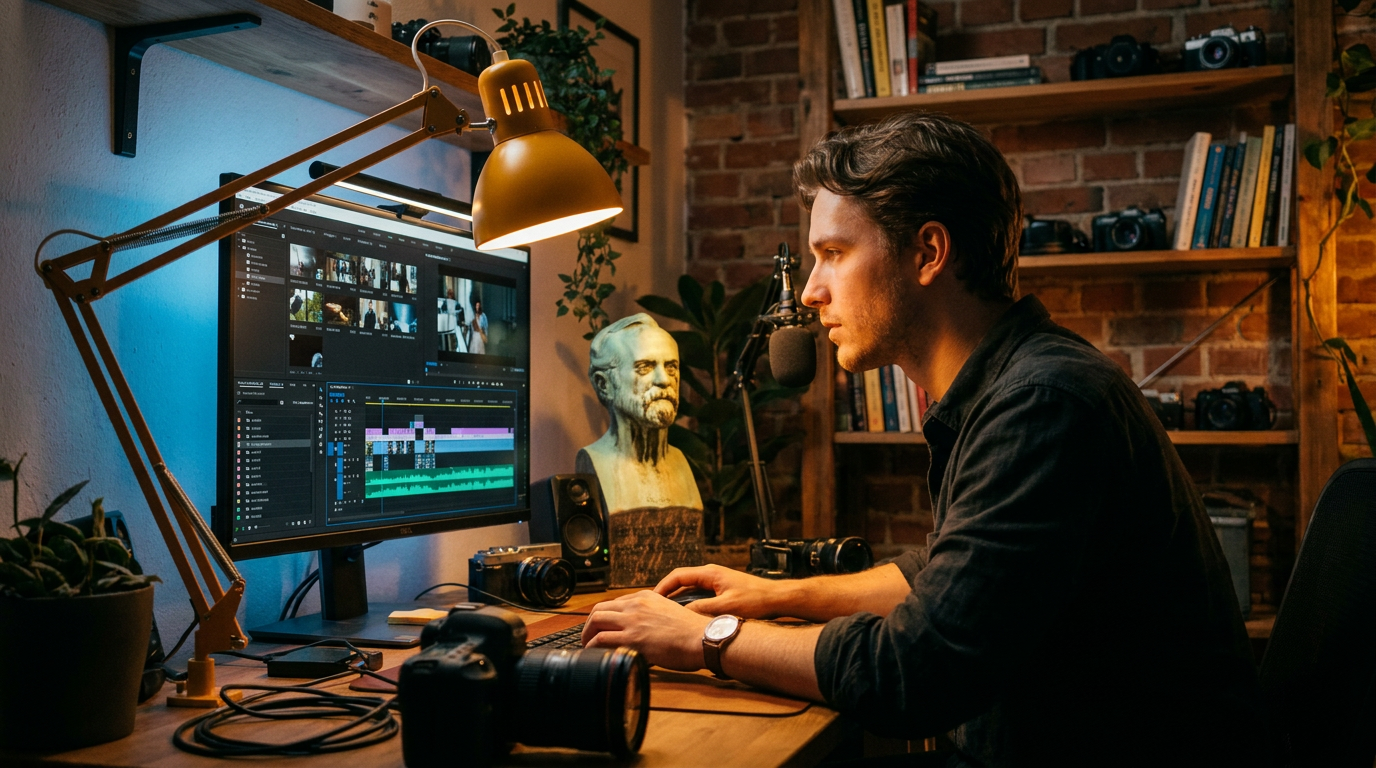
- Slow Content Creators
- Argue that stepping off the daily algorithmic treadmill allows for genuine artistry, deeper research, and sustainable mental health.
- Platform Strategists
- Focus on the mechanics of the 2026 algorithm, noting that YouTube's 'Viewer Satisfaction Score' makes long-form financially viable.
- Audience Analysts
- Highlight 'content fatigue' and the growing consumer demand for meaningful, educational media over hyper-stimulating shorts.
What's not represented
- · Short-form exclusive creators who rely on high-volume output
- · Advertisers adjusting budgets between Shorts and long-form inventory
Why this matters
The shift toward 'Slow Content' is fundamentally changing the economics of the internet, proving that creators can build sustainable, lucrative careers without sacrificing their mental health to daily upload schedules. For viewers, it means a return to high-quality, educational, and deeply engaging media that respects their time and attention.
For the better part of a decade, the blueprint for digital success was written in adrenaline. Creators were told to hook viewers in the first three seconds, cut out every breath, and barrage the audience with hyper-stimulating visuals to prevent them from scrolling away. It was an era defined by the pursuit of pure retention, where the most valuable currency was a fleeting moment of attention. But as the creator economy matures in 2026, a quiet rebellion is taking over the internet's largest video platform. The era of the hyper-edited, fast-paced viral video is giving way to something entirely different: the feature-length video essay.[6]
This shift is part of a broader cultural movement known as "Slow Content." Much like the slow food or slow fashion movements, it represents a conscious choice to prioritize quality, depth, and intention over sheer volume. Instead of publishing three superficial videos a week to appease a demanding algorithm, a growing cohort of creators is choosing to publish once a month—or even less frequently. They are producing 40-to-120 minute documentaries, deep-dive cultural critiques, and observational "Slow TV" that invite the viewer to sit back, relax, and actually learn something.[1][6]
The catalyst for this revolution was a breaking point on both sides of the screen. For creators, the daily grind of producing what many called "McDonald's content"—fast, cheap, and ultimately unfulfilling—led to unprecedented levels of burnout. The pressure to constantly outdo their last viral hit turned dream jobs into digital treadmills. Many found themselves optimizing their genuine emotions and daily routines into "content," losing their sense of artistry in the process.[6]

Audiences, meanwhile, hit a wall of "content fatigue." The sheer volume of media uploaded every minute resulted in a blur of algorithmic sameness, where every thumbnail and title looked identical. According to recent digital trend reports, 62% of Gen Z consumers now actively "tune out" branded or creator content that feels repetitive or purely algorithmic. Viewers stopped connecting with the creators they watched because the shallowness of the content offered nothing to hold onto. They began craving ideas that expanded their worldview rather than just reinforcing a dopamine loop.[1][5]
Recognizing this massive shift in user behavior, YouTube fundamentally rewired its recommendation engine between 2025 and 2026. The platform officially separated the algorithm that governs YouTube Shorts from the one that governs long-form video. With Shorts now handling the demand for quick, swipeable entertainment—processing over 200 billion daily views independently—the long-form algorithm was freed to focus on depth.[3]
The most significant change was the introduction of the "Viewer Satisfaction Score." Rather than simply measuring how long someone watched a video, the platform's machine learning models began weighing post-watch surveys, return visits, and "session contribution"—whether a video inspired a viewer to keep exploring a topic. The philosophical shift was profound: the algorithm stopped asking "what keeps people watching the longest" and started asking "what leaves people feeling the most satisfied."[3][4]
This algorithmic evolution created a highly lucrative environment for the video essay format. Industry strategists note that a 45-minute documentary that maintains a 50% average view duration will now heavily outrank a 10-minute video with a 40% completion rate. By structuring information with a clear narrative arc, emotional pacing, and research-backed claims, creators are signaling massive authority to the platform. The algorithm rewards this depth by pushing these "Slow Content" videos out to wider, more dedicated audiences for months or even years after publication.[2]

This algorithmic evolution created a highly lucrative environment for the video essay format.
But the survival of the Slow Content creator relies on more than just algorithmic favor; it requires a completely different economic model. When a creator drops their upload frequency from twelve times a month to just one, they sacrifice the sheer volume of ad impressions. However, the economics of long-form video naturally compensate for this drop. Feature-length videos allow for multiple mid-roll ad placements, and advertisers are willing to pay significantly higher rates—known as RPMs—to be placed alongside premium, brand-safe, documentary-style content.[2][6]
More importantly, Slow Content fosters a transition from building an "audience" to building a "community." An audience consumes content passively and moves on; a community trusts the creator's voice and is willing to invest in their continued work. This deep trust translates directly into off-platform revenue. Creators producing high-quality video essays see vastly higher conversion rates for direct-support models like Patreon, Substack, and independent merchandise lines.[1][6]
This direct-to-fan economic model liberates creators from the whims of daily algorithmic fluctuations. When a creator knows their core community is funding their research, they can afford to spend four weeks reading academic papers, writing a meticulous script, and editing a masterpiece. They are no longer chasing the algorithm; they are creating art that the algorithm is forced to recognize because the audience response is so overwhelmingly positive.[6]
The production process for these videos more closely resembles traditional filmmaking than classic vlogging. Creators are investing heavily in the pre-production phase, often spending 40% of their total project time purely on research and scriptwriting. They are learning to write to retention without relying on cheap cliffhangers, using curiosity gaps and strategic pacing to make complex topics—from urban planning and internet history to deep-dive film critiques—accessible and gripping.[2]
The psychological relief this brings to the creator class cannot be overstated. By stepping off the daily upload treadmill, creators are reclaiming their personal lives. They no longer view every waking moment through the lens of "is this good content?" Instead, they are allowed to live, experience the world, and return to their audience only when they have something genuinely meaningful to say. It is a return to the early days of the internet, where passion and curiosity drove creation, not corporate optimization.[6]

For the viewer, the Slow Content revolution offers a sanctuary from the noise of the modern web. In a digital landscape increasingly flooded with low-effort, AI-generated filler, a meticulously crafted, human-driven video essay stands out as a premium experience. It provides a sense of intellectual nourishment that a 15-second dance trend simply cannot offer. Viewers are treating these videos like prestige television, casting them to their living room screens and watching them with undivided attention.[1][6]
This trend aligns perfectly with Gen Z's broader rejection of hustle culture. Just as younger demographics are embracing slow fashion and mindful consumption in the physical world, they are demanding the same intentionality in their digital diets. They recognize that meaning takes time to build, and they are rewarding the creators who are brave enough to take that time.[1]
Ultimately, the rise of Slow Content proves that the internet does not have to be a race to the bottom of our attention spans. By aligning the financial incentives of the platform with the mental health of the creators and the intellectual desires of the audience, the creator economy is finding a sustainable path forward. It is a powerful reminder that in a world where everything can be content, choosing to slow down and craft something beautiful might just be the most revolutionary act of all.[6]
How we got here
Early 2020s
The creator economy is dominated by hyper-fast, high-retention short-form content and daily upload schedules.
Late 2024
Creators and audiences begin reporting widespread 'content fatigue' and burnout from the algorithmic treadmill.
2025
YouTube officially separates the recommendation engines for Shorts and long-form video.
Early 2026
The 'Viewer Satisfaction Score' becomes a dominant ranking factor, heavily rewarding feature-length, high-quality video essays.
Viewpoints in depth
Slow Content Creators
Advocates for a sustainable, art-first approach to digital media.
For creators who have adopted the Slow Content model, the shift is primarily about reclaiming their mental health and artistic integrity. By stepping away from the pressure to post multiple times a week, they can dedicate weeks or even months to researching a single topic. This allows them to produce work they are genuinely proud of, rather than treating their daily lives and personal emotions as raw material for the content machine. They argue that this approach builds a loyal community willing to fund their work directly, rather than a passive audience that will scroll past them tomorrow.
Platform Strategists
Analysts focused on how the 2026 YouTube algorithm financially rewards depth.
Platform experts point out that the Slow Content revolution isn't just a cultural shift; it's a highly optimized financial strategy. When YouTube separated its Shorts feed from its long-form recommendations, it allowed the core algorithm to prioritize 'Viewer Satisfaction' over raw click-through rates. Strategists note that a single 45-minute video that holds an audience's attention for half its runtime sends a massive positive signal to the platform. Combined with the ability to place multiple high-paying mid-roll ads in a brand-safe documentary format, creators are finding that posting less frequently can actually result in higher overall AdSense revenue.
Audience Analysts
Researchers tracking consumer behavior and the rise of 'content fatigue.'
Consumer behavior analysts highlight that the audience was the first to reject the hyper-fast content era. Data shows that a significant majority of younger viewers, particularly Gen Z, have begun actively tuning out media that feels overly optimized, repetitive, or purely algorithmic. Analysts argue that in a digital environment saturated with low-effort and AI-generated filler, human-crafted, deeply researched video essays act as a premium product. Viewers are increasingly treating YouTube less like a social media feed and more like a streaming service, casting long-form educational content to their televisions for dedicated viewing sessions.
What we don't know
- Whether the high advertising rates (RPMs) for long-form video essays will remain stable as more creators flood the genre.
- How the integration of AI research tools will impact the authenticity and perceived value of deeply researched Slow Content.
- If short-form platforms like TikTok will attempt to pivot toward longer formats to capture the 'Slow Content' audience.
Key terms
- Slow Content
- A digital media movement prioritizing high-quality, deeply researched, and less frequent publishing over daily algorithmic output.
- Viewer Satisfaction Score
- A metric used by YouTube's 2026 algorithm that weighs post-watch surveys, return visits, and session length over pure click-through rates.
- Video Essay
- A long-form video format that explores a specific cultural, historical, or technical topic in depth, featuring extensive research and a clear narrative arc.
- Content Fatigue
- The exhaustion experienced by viewers due to the overwhelming volume, fast pace, and repetitive nature of algorithmic digital media.
Frequently asked
What exactly is 'Slow Content'?
Slow Content is a movement where digital creators prioritize high-quality, deeply researched, and less frequent media over daily, fast-paced uploads. It focuses on depth and viewer value rather than pure algorithmic engagement.
Did YouTube change its algorithm to favor long videos?
Yes. In 2025 and 2026, YouTube separated its Shorts algorithm from its long-form algorithm. For long-form videos, it now heavily weighs a 'Viewer Satisfaction Score,' which rewards videos that keep viewers engaged and satisfied over long periods.
Can creators still make money posting less frequently?
Absolutely. Feature-length videos command higher advertising rates (RPMs) due to multiple mid-roll ad placements. Additionally, the deep trust built by Slow Content drives higher conversion rates for direct-support platforms like Patreon.
Why are audiences shifting away from short-form content?
Many viewers are experiencing 'content fatigue'—exhaustion from the overwhelming volume and repetitive nature of fast-paced media. They are increasingly seeking out content that is educational, relaxing, and respectful of their attention.
Sources
Source coverage
6 outlets
3 viewpoints surfaced






[1]Ayerhs MagazineAudience Analysts
The Age of Mindful Storytelling and the Rejection of Hustle Culture
Read on Ayerhs Magazine →[2]StudioBinderPlatform Strategists
Script Writing for YouTube in 2026: Retention and the Documentary Format
Read on StudioBinder →[3]OutlierKitPlatform Strategists
YouTube Algorithm Updates 2026: Every Change Creators Need to Know
Read on OutlierKit →[4]HootsuitePlatform Strategists
How the YouTube Algorithm Works in 2026
Read on Hootsuite →[5]Deloitte DigitalAudience Analysts
2025 Digital Trends Report: The Rise of Content Fatigue
Read on Deloitte Digital →[6]Factlen Editorial TeamSlow Content Creators
Synthesis by Factlen editorial team
Read on Factlen Editorial Team →

Every angle. Every day.
Get entertainment stories with full source coverage and perspective breakdowns delivered to your inbox.