
U.S. and Iran Reach Framework Agreement to End Naval Blockade and Resume Oil Sales
The U.S. and Iran have signed a 14-clause memorandum of understanding to halt hostilities and reopen the Strait of Hormuz, though experts warn the intentionally vague text leaves significant security loopholes.
By Factlen Editorial Team

- U.S. & Allied Negotiators
- The framework successfully de-escalates the conflict, reopens shipping, and sets the stage for nuclear containment.
- Regional Security Skeptics
- The agreement is dangerously vague, prematurely lifts the blockade, and allows Iran to retain nuclear breakout capacity.
- Israeli Defense Establishment
- Rejects the ceasefire's application to Lebanon and views the deal as a strategic threat.
What's not represented
- · Lebanese Civilians
- · Commercial Shipping Operators
Why this matters
This agreement immediately impacts global energy prices by releasing millions of barrels of Iranian oil onto the market, while setting the stage for either a historic nuclear treaty or a renewed, more dangerous Middle Eastern conflict if the 60-day talks collapse.
Key points
- The U.S. and Iran signed a 14-clause memorandum of understanding to halt hostilities for 60 days.
- The U.S. lifted its naval blockade, allowing Iranian supertankers to immediately resume global oil sales.
- Iran agreed to clear the Strait of Hormuz within 30 days, though the text's ambiguity may allow them to continue charging transit fees.
- Israel rejected Iran's claim that the ceasefire requires the IDF to withdraw from Lebanon.
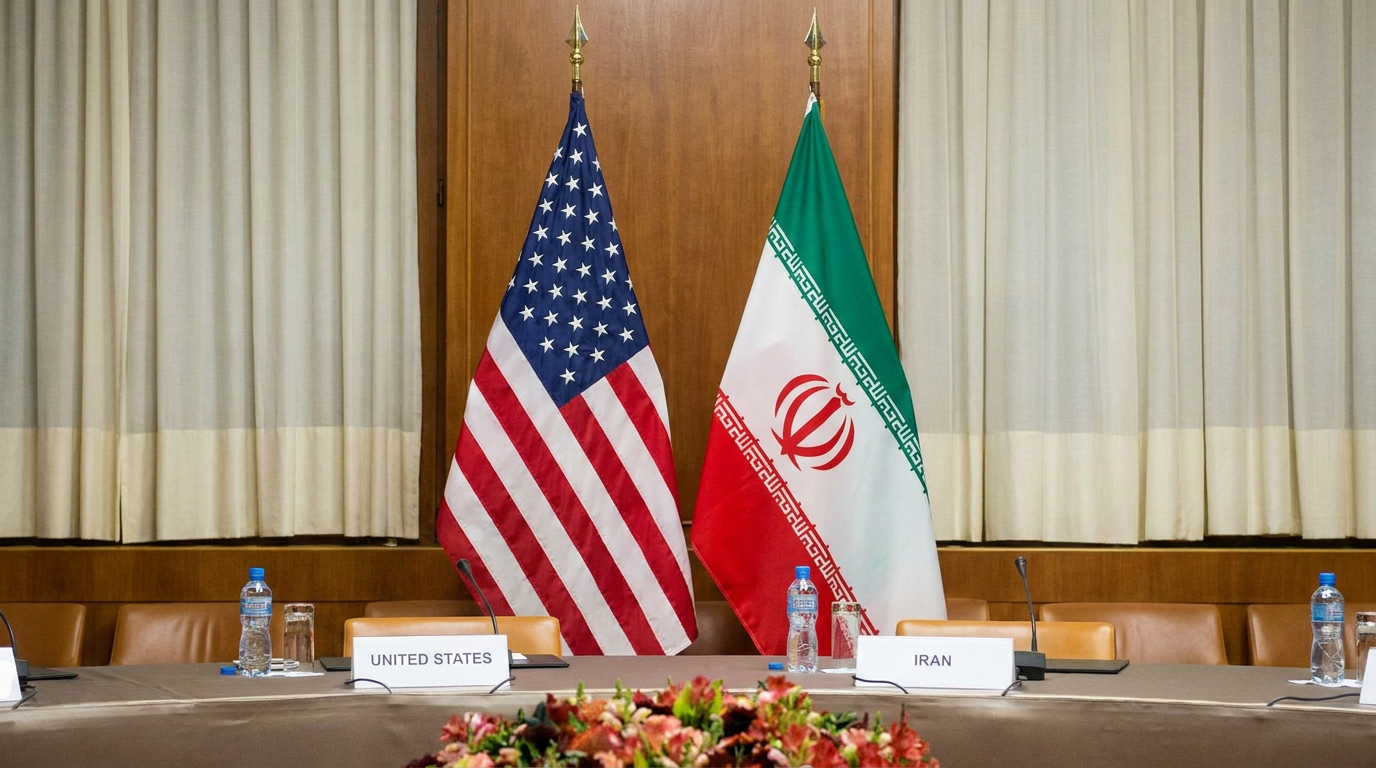
The United States and Iran have reached a framework agreement to end their recent military conflict and the U.S. naval blockade, with an official signing scheduled for Friday at the Bürgenstock resort in Switzerland. Although the White House has kept the official text classified, a leaked 14-clause memorandum of understanding has circulated among foreign policy analysts, offering the first concrete look at the deal's mechanics. Vice President JD Vance confirmed the document was digitally signed on June 14 and promised the full text would be released by the end of the week. The framework establishes a 60-day window for technical negotiations, temporarily halting hostilities while diplomats attempt to draft a permanent, binding treaty.[1][3][4]
The primary claim of the agreement is an immediate cessation of hostilities paired with sweeping economic relief for Tehran. According to the leaked text, the United States will lift its naval blockade on Iranian ports and allow the country to immediately resume selling oil and fuel on the global market. The evidence for this shift is already visible on the water: maritime tracking services confirm that at least three National Iranian Tanker Company supertankers, carrying nearly four million barrels of crude oil, have successfully exited the U.S. Navy blockade perimeter. This immediate waiver of sanctions represents the most significant U.S. concession in the framework, designed to bring Iran to the negotiating table.[3][4]
In exchange for this economic lifeline, the agreement mandates the reopening of the Strait of Hormuz. The text stipulates that Iran must remove naval mines and technical obstacles within 30 days to restore commercial shipping to pre-war volumes. However, the strength of this provision is heavily contested by regional security experts. Analysts note that the leaked clauses do not explicitly prohibit Iran from "managing" the waterway, leaving a significant loophole for the Islamic Revolutionary Guard Corps Navy to continue enforcing its proprietary traffic separation scheme. This ambiguity means Iran could theoretically comply with the text while still charging transit fees to commercial vessels.[1][2]

The most fragile component of the framework involves the scope of the ceasefire, particularly regarding the ongoing conflict in Lebanon. Iranian officials have interpreted a clause calling for a ceasefire "on all fronts" as a binding requirement for Israel to halt its operations against Hezbollah and withdraw its forces from Lebanese territory. The evidence supporting this broad interpretation is exceedingly weak. Israeli leadership has publicly rejected the premise, with senior officials labeling the U.S.-Iran deal "terrible" and explicitly refusing requests from the Trump administration to scale back the Israel Defense Forces' presence in the Levant.[1][7]
U.S. officials acknowledge the fragility of the diplomatic language surrounding these regional conflicts. Insiders familiar with the negotiations described the memorandum to reporters as "incredibly vague," deliberately drafted in broad strokes to facilitate the upcoming technical talks rather than permanently resolving deeply entrenched disputes. This intentional ambiguity was reportedly designed to help Iranian negotiators present a favorable version of the agreement to their domestic audience. However, it risks catastrophic miscalculation if the two sides operate under conflicting definitions of compliance. President Donald Trump underscored this fragility on Wednesday, warning that the U.S. military could resume bombing campaigns "if they don't behave."[3][5]
officials acknowledge the fragility of the diplomatic language surrounding these regional conflicts.
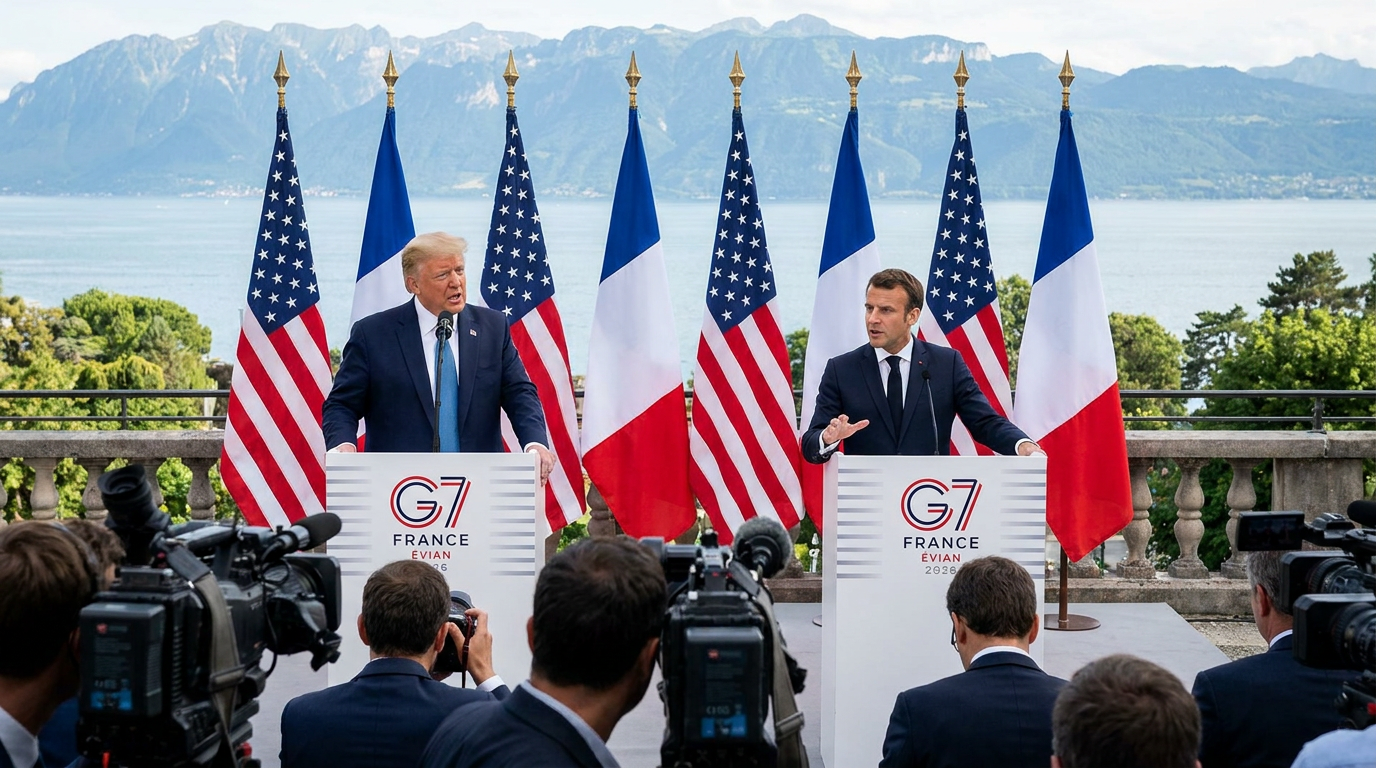
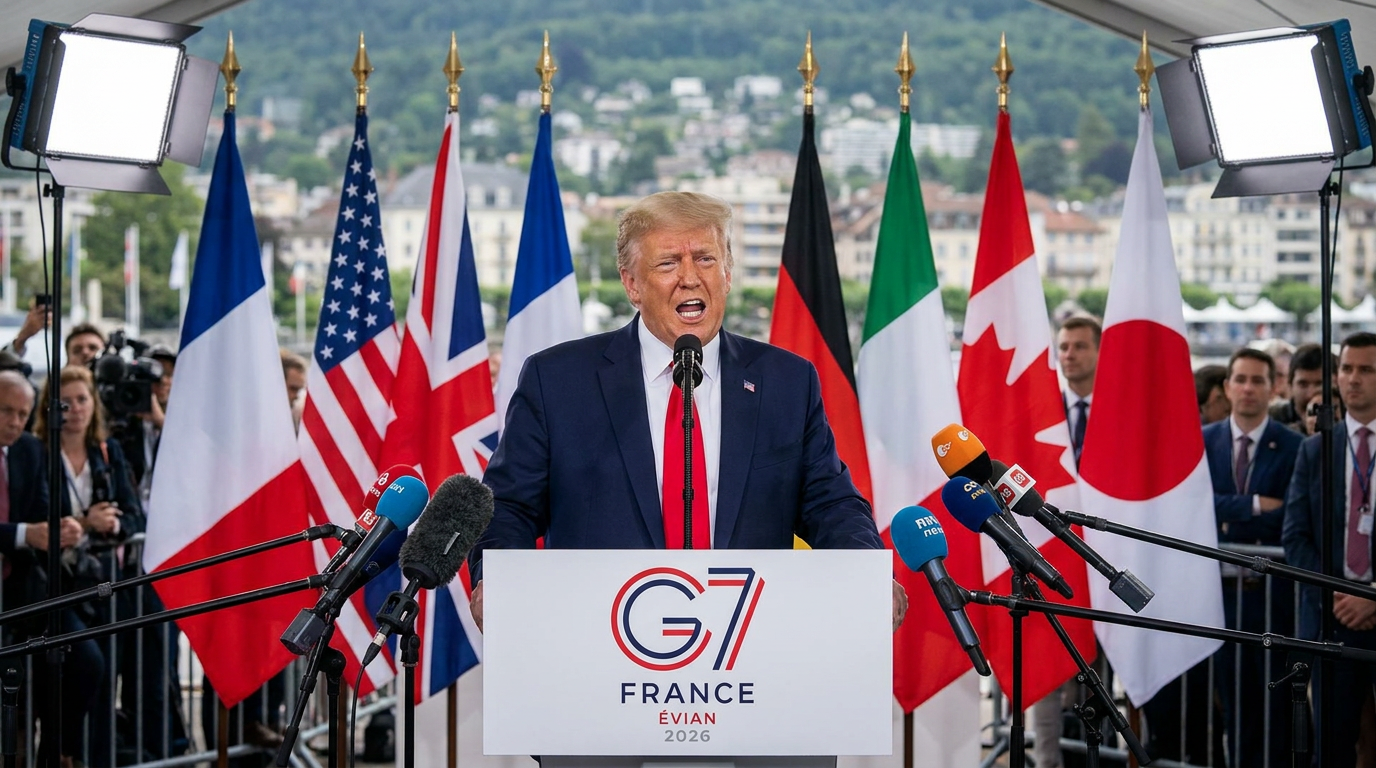
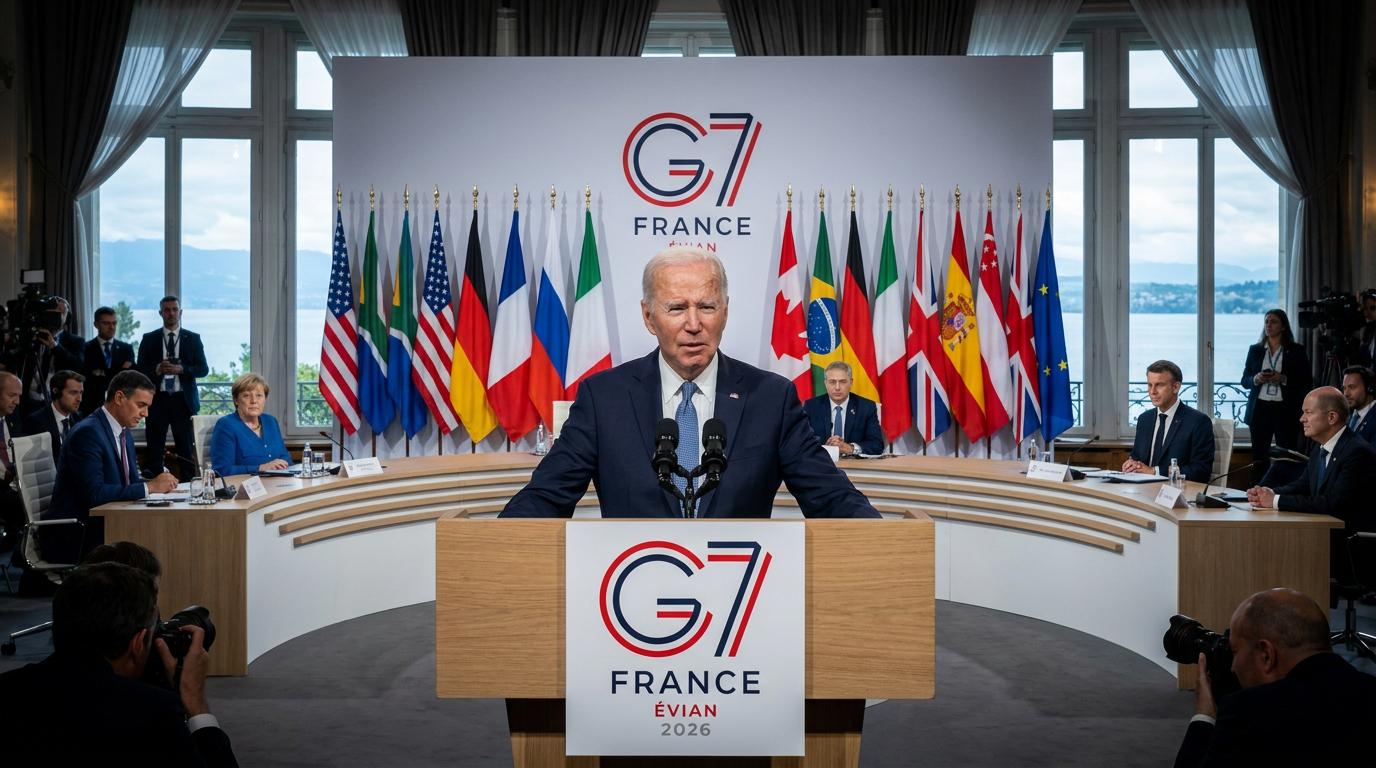
Despite these glaring gaps, the international community has eagerly embraced the de-escalation. G7 leaders, currently meeting in Evian-les-Bains, France, released a joint statement praising the agreement as a historic opportunity to prevent Tehran from acquiring a nuclear weapon. Canadian Prime Minister Mark Carney, who reviewed the classified text, called the framework a "game changer" that sets the groundwork for regional economic reintegration and long-term stability. The diplomatic consensus in Europe is that a flawed, ambiguous framework is preferable to an active naval conflict in the world's most critical oil chokepoint.[3][4][5]
While diplomats celebrate the pause in hostilities, non-proliferation experts are raising alarms over the specific mechanisms used to neutralize Iran's highly enriched uranium. A policy brief from the Foundation for Defense of Democracies warns that the framework may allow Iran to dilute its uranium stockpile on-site rather than exporting the material out of the country. Analysts argue that on-site down-blending is easily reversible, preserving Iran's nuclear infrastructure and leaving the regime with a rapid breakout capability should the 60-day negotiation window collapse without a final treaty.[6]

The 60-day negotiation window itself represents a critical vulnerability in the framework. By agreeing to halt military strikes and economic pressure during this period, the United States effectively freezes its primary leverage. Military analysts warn that Tehran could utilize this two-month reprieve to reconstitute its drone and missile programs, which sustained heavy damage during the recent U.S. bombing campaigns. Because the text notes that this negotiation period is extendable by mutual consent, hawkish lawmakers fear the temporary truce could morph into a prolonged stalemate that disproportionately benefits Iran's military logistics.[2]
Domestic political reactions in the United States further highlight the contested nature of the agreement. While the Trump administration champions the deal as a masterstroke of coercive diplomacy that brought Tehran to the table, critics argue the rapid lifting of the blockade surrenders the very leverage required to secure a permanent treaty. The debate hinges on whether the immediate release of Iranian oil onto the global market—a move that could stabilize energy prices—is worth the risk of enriching the Islamic Republic before binding nuclear constraints are finalized.[1][3]
Ultimately, the success of the U.S.-Iran agreement will depend entirely on the technical annexes negotiated over the next two months. The current text serves more as a declaration of intent than a comprehensive peace treaty. If the ambiguity regarding the Strait of Hormuz, the Lebanese border, and uranium dilution is not resolved with precise, enforceable language, the framework risks collapsing under the weight of its own contradictions. The diplomatic corps now faces the monumental task of translating broad political promises into strict verification regimes that satisfy both hardliners in Tehran and skeptical allies in Jerusalem.[2][5][7]

For now, the physical realities on the water and in the global markets are outpacing the diplomatic ink. With Iranian supertankers already navigating past U.S. warships and global oil markets pricing in the return of Iranian crude, the initial phase of the agreement is undeniably active. The burden of proof now shifts to the upcoming technical talks in Switzerland, where negotiators must transform an intentionally vague memorandum into a durable architecture for Middle Eastern security before the 60-day window expires.[3][4]
How we got here
April 2026
U.S. imposes a naval blockade on Iranian ports following failed diplomatic talks.
June 12, 2026
U.S. and Iranian negotiators reach a final agreed-upon text for a framework peace deal.
June 14, 2026
The memorandum of understanding is digitally signed by both nations.
June 17, 2026
Iranian supertankers begin exiting the U.S. naval blockade perimeter.
June 19, 2026
Official signing ceremony scheduled at the Bürgenstock resort in Switzerland.
Viewpoints in depth
U.S. & Allied Negotiators
The framework successfully de-escalates the conflict, reopens shipping, and sets the stage for nuclear containment.
The U.S. administration and its G7 allies view the memorandum as a triumph of coercive diplomacy. By utilizing the naval blockade to force Iran to the negotiating table, they argue the U.S. has secured the immediate reopening of the Strait of Hormuz and halted a spiraling regional war. Proponents emphasize that the 60-day window provides a necessary cooling-off period to draft strict technical annexes that will permanently dismantle Iran's nuclear breakout capacity, viewing the immediate release of oil as a worthwhile concession to stabilize global energy markets.
Regional Security Skeptics
The agreement is dangerously vague, prematurely lifts the blockade, and allows Iran to retain nuclear breakout capacity.
Defense analysts and non-proliferation experts warn that the framework's intentional ambiguity heavily favors Tehran. By lifting the naval blockade immediately, skeptics argue the U.S. has surrendered its primary leverage before securing binding commitments on uranium export or missile containment. Furthermore, they highlight that the vague language regarding the Strait of Hormuz allows the IRGC to continue harassing commercial shipping under the guise of 'managing' the waterway, while the 60-day ceasefire provides Iran crucial time to rebuild its damaged military infrastructure.
Israeli Defense Establishment
Rejects the ceasefire's application to Lebanon and views the deal as a strategic threat.
Israeli officials vehemently oppose the framework, particularly Iran's interpretation that the 'ceasefire on all fronts' requires the IDF to withdraw from Lebanon. The Israeli defense establishment views the U.S.-Iran deal as a bilateral arrangement that fails to address the immediate threat posed by Hezbollah. Consequently, Israel has refused to scale back its military operations in the Levant, setting the stage for a potential collapse of the agreement if Tehran uses continued Israeli strikes as a pretext to walk away from the nuclear negotiations.
What we don't know
- Whether Iran will actually relinquish control over the Strait of Hormuz or continue demanding transit fees from commercial ships.
- How the U.S. will enforce the 'ceasefire on all fronts' given Israel's outright rejection of the terms regarding Lebanon.
- The exact technical mechanisms that will be used to monitor and verify the dilution of Iran's enriched uranium stockpile.
Key terms
- Memorandum of Understanding (MoU)
- A non-binding framework agreement that outlines the broad terms of a deal before a final, legally enforceable treaty is drafted.
- Naval Blockade
- A military operation in which the U.S. Navy prevented commercial vessels from entering or leaving Iranian ports.
- Down Blending
- The process of diluting highly enriched uranium into a lower concentration, which non-proliferation experts warn can be easily reversed.
- Traffic Separation Scheme
- A maritime routing system in the Strait of Hormuz that Iran uses to control and charge fees to commercial shipping.
Frequently asked
Is the war between the U.S. and Iran officially over?
Not permanently. The current agreement is a 60-day ceasefire and framework designed to allow for final technical negotiations.
Will gas prices go down?
The agreement allows Iran to immediately resume selling oil, and millions of barrels have already exited the blockade, which typically exerts downward pressure on global energy prices.
Does this deal stop Israel's operations in Lebanon?
Iran claims the ceasefire applies to all fronts, but Israel has explicitly rejected the agreement and refused to withdraw its forces from Lebanon.
Did Iran agree to give up its nuclear program?
The framework sets the groundwork to prevent a nuclear weapon, but experts warn the text may allow Iran to keep its uranium on-site, preserving its ability to quickly build a bomb if talks fail.
Sources
Source coverage
7 outlets
3 viewpoints surfaced







[1]The New York TimesRegional Security Skeptics
A Look at the Text of the Agreement Between the United States and Iran
Read on The New York Times →[2]Institute for the Study of WarRegional Security Skeptics
Iran Update Special Report, June 16, 2026
Read on Institute for the Study of War →[3]CBS NewsU.S. & Allied Negotiators
Vance says text of U.S.-Iran deal will be released Friday 'at the latest'
Read on CBS News →[4]The GuardianU.S. & Allied Negotiators
US to allow Iran to immediately start selling oil and fuel again
Read on The Guardian →[5]CNNU.S. & Allied Negotiators
US officials say Iran agreement text is intentionally vague
Read on CNN →[6]Foundation for Defense of DemocraciesRegional Security Skeptics
Policy brief urges removal, not dilution, of Iran uranium stockpile
Read on Foundation for Defense of Democracies →[7]The Times of IsraelIsraeli Defense Establishment
Senior Israeli official calls US-Iran deal 'terrible'
Read on The Times of Israel →
More in news politics
See all 8 stories →US-Iran Peace Deal
US and Iran Agree to 14-Point Memorandum to End War and Reopen Strait of Hormuz
8 sources
US-Iran Deal
U.S. and Iran Release 14-Point Memorandum to End War and Reopen Strait of Hormuz
8 sources
U.S.-Iran MOU
U.S. and Iran Agree to 60-Day Ceasefire MOU Featuring Immediate Oil Waivers and $300 Billion Investment Framework
8 sources
Cognitive Science
The Science of 'Pre-Bunking': How Psychologists Are Vaccinating the Mind Against Misinformation
6 sources

Every angle. Every day.
Get news politics stories with full source coverage and perspective breakdowns delivered to your inbox.