
US and Iran Agree to 14-Point Memorandum to End War and Reopen Strait of Hormuz
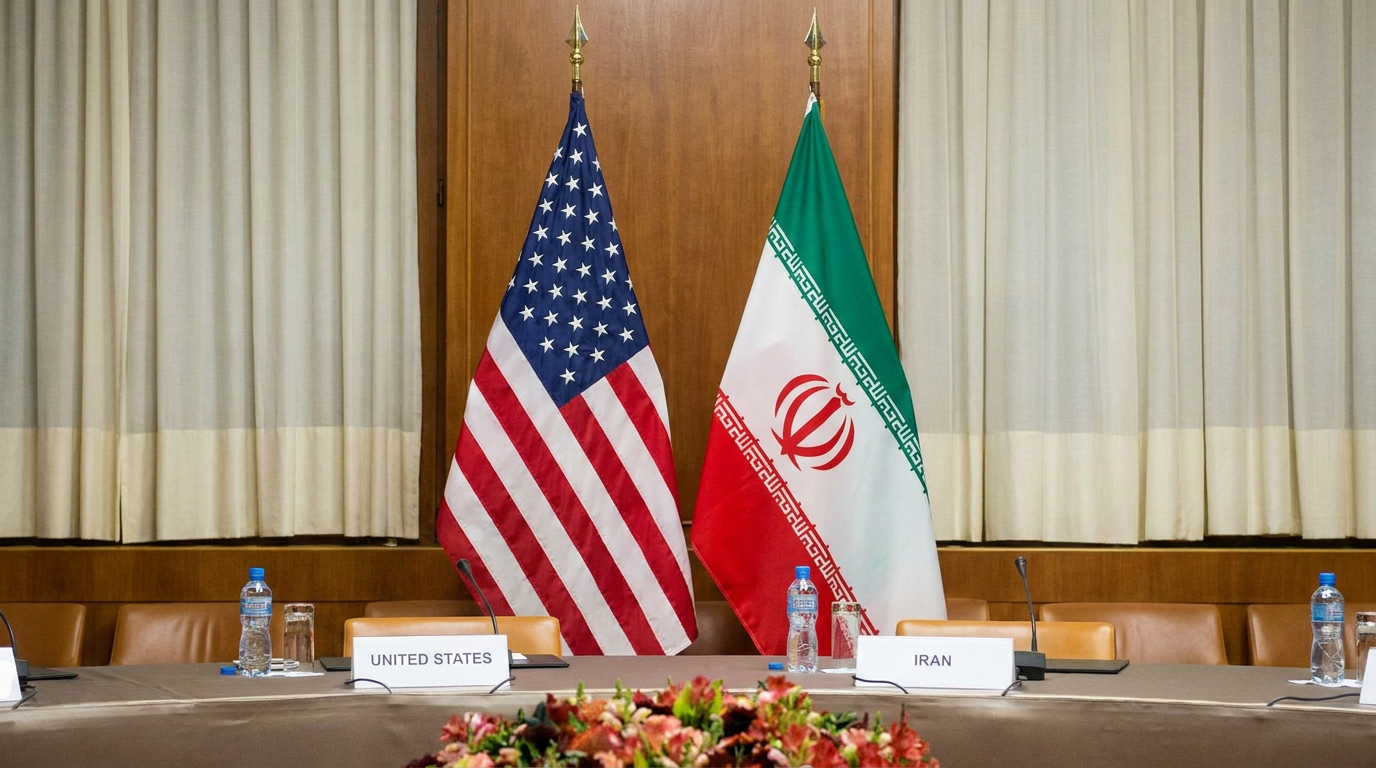
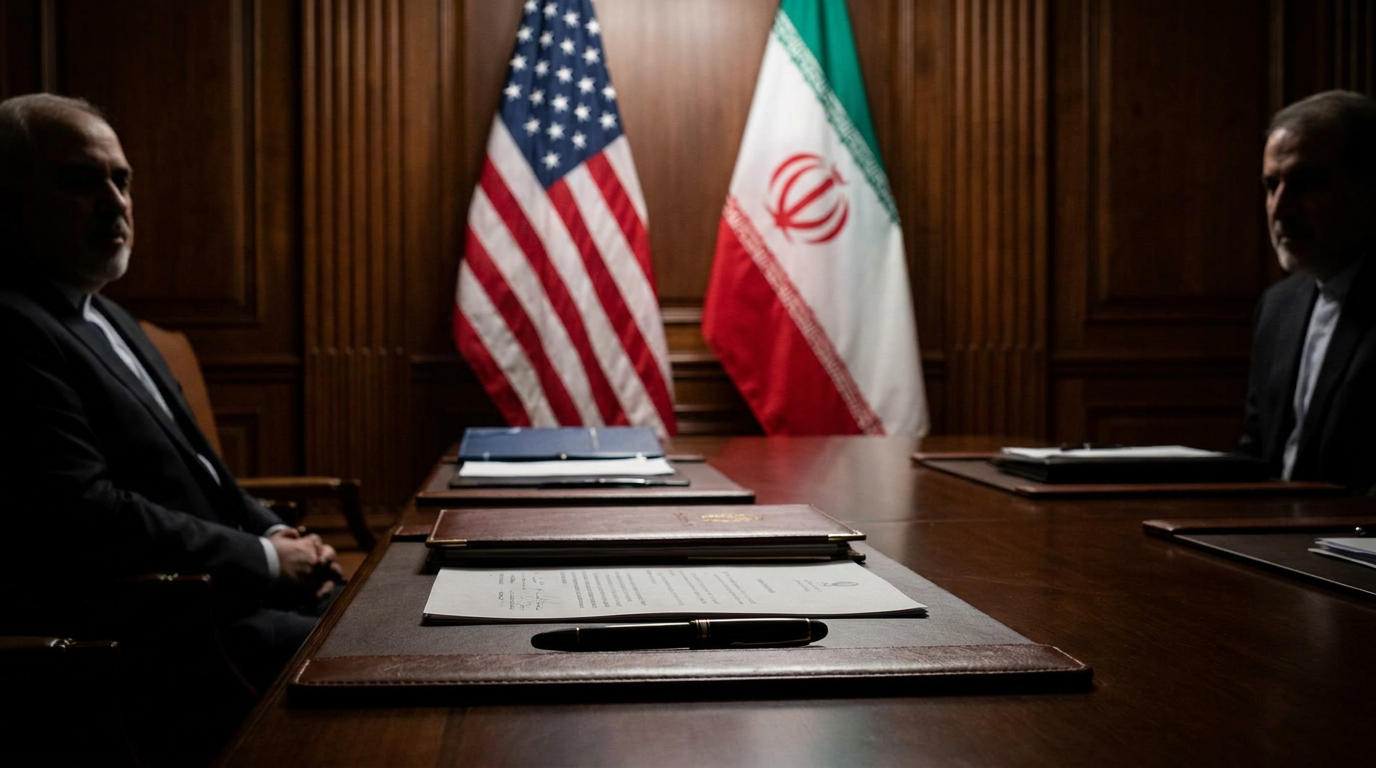
The United States and Iran have agreed to a 14-point memorandum of understanding to halt military operations, reopen the Strait of Hormuz, and launch a 60-day window to negotiate a final nuclear settlement.
By Factlen Editorial Team
- U.S. Administration
- Views the deal as a victory that secures the Strait of Hormuz and dismantles Iran's nuclear threat.
- Iranian Government
- Frames the agreement as a validation of their resilience that successfully lifts crippling sanctions.
- Geopolitical Analysts
- Cautiously optimistic about the ceasefire but skeptical that a comprehensive nuclear deal can be reached in 60 days.
- European Allies
- Relieved by the de-escalation and stabilization of energy markets, but concerned about freedom of navigation details.
What's not represented
- · Israeli government officials navigating the ceasefire's implications for Lebanon
- · Lebanese civilians caught in the crossfire of the broader regional conflict
Why this matters
The agreement pauses a devastating three-month conflict that choked 20% of the world's oil supply and triggered global market shocks. If the 60-day negotiating window holds, it could permanently reshape Middle Eastern security dynamics and stabilize global energy prices.
Key points
- The US and Iran agreed to a 14-point MOU to end their three-month conflict.
- The deal establishes a 60-day ceasefire to negotiate a final nuclear settlement.
- Iran agreed to downblend its enriched uranium and halt its nuclear weapons program.
- The US will lift its naval blockade and unfreeze Iranian assets.
- A $300 billion reconstruction fund is proposed if a final agreement is reached.
- The ceasefire explicitly includes a halt to military operations in Lebanon.
The United States and Iran have reached a historic 14-point Memorandum of Understanding (MOU) to end their devastating three-and-a-half-month war. The framework agreement, which is scheduled to be formally signed on Friday in Switzerland, mandates an immediate and permanent termination of military operations across all fronts. Crucially, the deal lifts the U.S. naval blockade on Iranian ports and reopens the Strait of Hormuz, a vital maritime choke point that facilitates roughly one-fifth of the world's oil supply.[1][5]
The diplomatic breakthrough was primarily brokered by Pakistan, marking a significant shift in regional mediation that also included facilitation by Saudi Arabia, Qatar, and Turkey. By bringing Arab Gulf nations directly into the negotiating process, the framework addresses the concerns of regional powers who bore the economic brunt of the conflict. The MOU establishes a 60-day ceasefire window during which Washington and Tehran will attempt to negotiate a final, comprehensive settlement regarding Iran's nuclear program and long-term sanctions relief.[6][8]
Under the terms of the draft agreement, Iran has explicitly reaffirmed its commitment to never acquire or develop a nuclear weapon. To demonstrate compliance, Tehran has agreed to maintain the current status quo of its nuclear facilities and begin "downblending" its existing stockpile of highly enriched uranium under the strict supervision of the International Atomic Energy Agency (IAEA). U.S. officials have emphasized that this downblending is merely the starting point, with further restrictions expected in the final binding treaty.[4][5]

In exchange for these nuclear concessions and the cessation of hostilities, the United States has agreed to significant, phased economic relief. The U.S. Treasury Department will immediately issue waivers allowing Iran to export crude oil and petroleum products. Furthermore, the MOU outlines the unfreezing of billions of dollars in Iranian assets and proposes a massive $300 billion international reconstruction fund to rebuild Iran's war-torn infrastructure, provided Tehran fulfills all obligations in the final 60-day negotiations.[1][5]
The economic impact of the framework was immediate. Global oil prices plummeted by more than four percent on the news of the agreement, easing fears of a prolonged energy crisis. Speaking at the G7 summit in Évian-les-Bains, France, President Donald Trump celebrated the diplomatic victory, declaring that "the oil is plummeting down and the stock market is shooting up like a rocket." Trump emphasized that the primary goal of preventing a nuclear-armed Iran had been achieved with "strong policing powers."[3][4]
Global oil prices plummeted by more than four percent on the news of the agreement, easing fears of a prolonged energy crisis.
Despite the optimistic rhetoric, Trump also issued a stark warning that the MOU is not yet a final, binding treaty. He cautioned that if Iran violates the terms of the ceasefire or attempts to stall the nuclear negotiations, the United States retains the military capability to resume operations. "It's a memorandum of understanding, and if I don't like it, we'll go back to shooting at them," Trump told reporters, underscoring the fragile nature of the 60-day negotiating window.[2][4]

One of the most complex and consequential elements of the MOU is its explicit inclusion of Lebanon in the ceasefire mandate. The text requires both the U.S. and Iran, along with their respective allies, to halt all military operations in Lebanese territory. This provision effectively demands that Iran rein in Hezbollah, while simultaneously requiring a halt to Israeli military incursions in southern Lebanon. Ensuring compliance from all proxy forces and allied nations remains one of the highest hurdles for the agreement's success.[4][8]
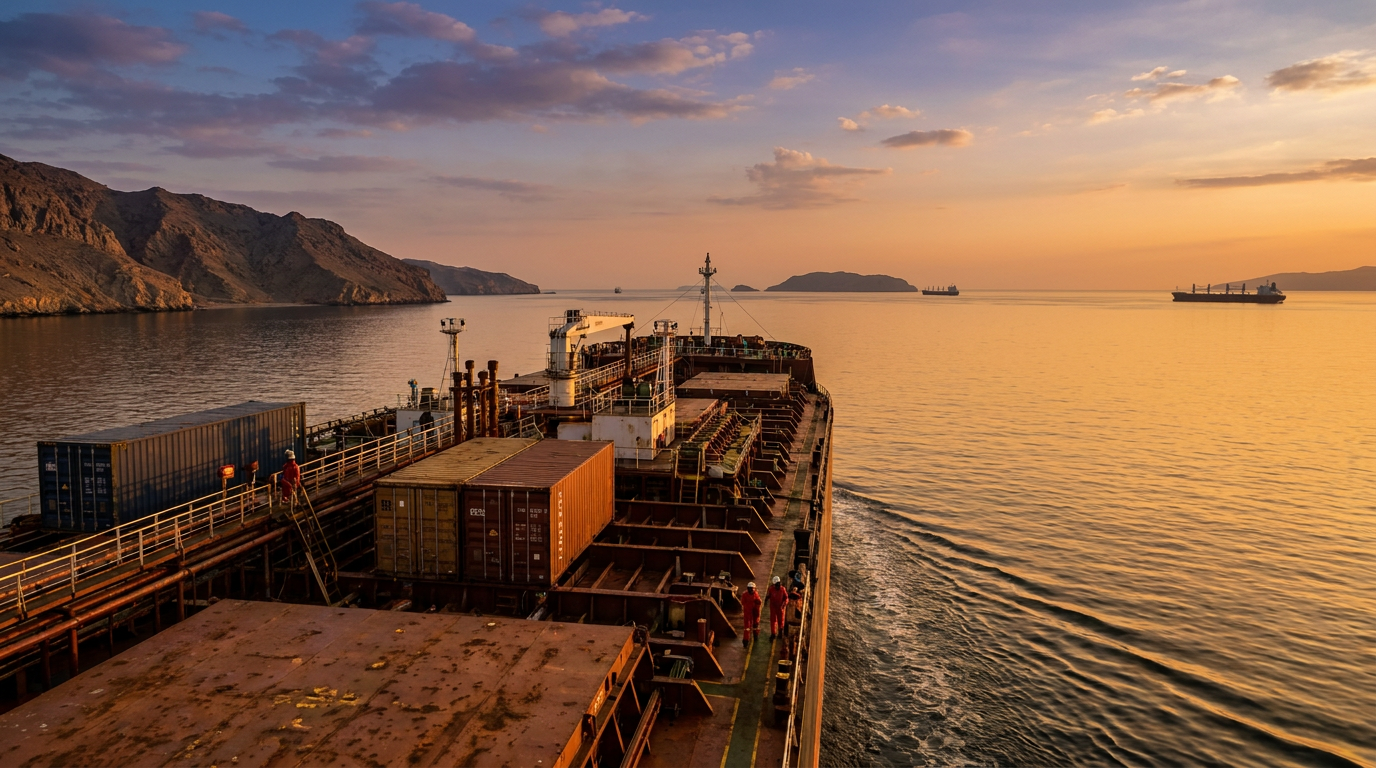
Frictions are already emerging over the specific mechanics of reopening the Strait of Hormuz. Western officials, including President Trump, have insisted that the waterway will be "permanently toll-free" for international commercial shipping. However, Iranian state media and hardline factions have suggested that the text allows Tehran to maintain administrative control over the strait, potentially opening the door for Iran to charge "fees" for maritime services—a move that European nations and the U.S. fiercely oppose.[4][7]

Geopolitical analysts warn that while the cessation of active warfare is a monumental achievement, the 60-day timeline to finalize a comprehensive nuclear and sanctions treaty is highly ambitious. The deep-seated distrust between Washington and Tehran, compounded by the recent military exchanges, means that any minor violation or misinterpretation of the MOU could derail the entire peace process. Negotiators will have to bridge massive gaps regarding Iran's ballistic missile program and its network of regional proxies.[6][7]
The formal signing ceremony in Switzerland is expected to feature U.S. Vice President JD Vance and Iranian Parliament Speaker Mohammad Bagher Ghalibaf, marking the highest-level public diplomatic engagement between the two adversaries in decades. As the world watches to see if the guns remain silent, the success of the Islamabad Memorandum will ultimately depend on whether both sides can translate a fragile ceasefire into a durable, verifiable peace architecture.[4][8]
How we got here
Feb 2026
The U.S. and Israel launch military strikes against Iran, triggering a broader regional war.
April 2026
The U.S. imposes a naval blockade on Iranian ports after initial ceasefire talks fail.
June 14, 2026
The U.S. and Iran reach an agreement on the final text of the 14-point MOU.
June 17, 2026
The text of the MOU is read out by U.S. officials and leaked to the press.
June 19, 2026
Formal signing ceremony scheduled to take place in Switzerland.
Viewpoints in depth
The U.S. Administration's View
The MOU is a decisive victory that secures global energy markets and blocks Iran's nuclear ambitions.
U.S. officials frame the agreement as a vindication of maximum pressure combined with decisive military action. By forcing Iran to downblend its enriched uranium and explicitly commit to abandoning its nuclear weapons program, the administration argues it has achieved what previous diplomatic efforts could not. President Trump has emphasized that the immediate reopening of the Strait of Hormuz will stabilize the global economy, while maintaining that the U.S. retains the military leverage to enforce compliance during the 60-day window.
The Iranian Government's View
The framework is a recognition of Iran's regional influence and a necessary step to lift crippling economic sanctions.
Iranian state media and officials portray the MOU as a diplomatic success that codifies their military resilience. Tehran emphasizes the lifting of the U.S. naval blockade and the unfreezing of assets as immediate victories. Domestically, the promise of a $300 billion reconstruction fund is being highlighted as a path to economic recovery. Hardliners, however, are framing the agreement to ensure Iran maintains administrative control over the Strait of Hormuz, interpreting the text as allowing them to charge for maritime services.
Regional Arab States' View
Cautious optimism mixed with anxiety over Iran's long-term regional integration and proxy networks.
Gulf nations, who bore the economic brunt of the war and the closure of the Strait of Hormuz, are relieved by the cessation of hostilities. The fact that regional powers like Saudi Arabia and Qatar were involved in the mediation process marks a significant shift from the 2015 JCPOA negotiations. However, these states remain deeply concerned about whether the final agreement will adequately address Iran's ballistic missile program and its support for proxy militias across the Middle East, fearing that financial relief could embolden Tehran's regional ambitions.
What we don't know
- Whether Israel will fully comply with the ceasefire mandate in Lebanon.
- If Iran will attempt to impose tolls or maritime service fees on ships in the Strait of Hormuz.
- Whether the two sides can actually finalize a complex nuclear agreement within the ambitious 60-day window.
Key terms
- Memorandum of Understanding (MOU)
- A formal, non-binding agreement between two or more parties outlining the terms and details of a mutual understanding.
- Strait of Hormuz
- A narrow, strategically critical waterway between the Persian Gulf and the Gulf of Oman, through which roughly 20% of the world's oil passes.
- Downblending
- The process of reducing the concentration of the fissile isotope U-235 in enriched uranium, making it unusable for nuclear weapons.
- Naval Blockade
- An act of war in which a country uses its navy to prevent vessels from entering or leaving an enemy's ports.
Frequently asked
Does this mean the US-Iran war is officially over?
The MOU establishes an immediate and permanent termination of military operations, but it is a framework agreement. A final, binding peace treaty depends on the outcome of the 60-day negotiation period.
Will gas prices go down?
Global oil prices have already dropped significantly following the announcement, as the reopening of the Strait of Hormuz ensures the resumption of global oil shipments.
What happens to Iran's nuclear program?
Under the MOU, Iran commits to never developing a nuclear weapon and agrees to downblend its existing stockpile of enriched uranium under IAEA supervision.
Who mediated the peace deal?
The negotiations were primarily brokered by Pakistan, with additional facilitation from Qatar, Saudi Arabia, and Turkey.
Sources
Source coverage
8 outlets
4 viewpoints surfaced








[1]AxiosU.S. Administration
READ: Full U.S.-Iran memorandum of understanding
Read on Axios →[2]Al JazeeraIranian Government
Trump: World will ‘find out pretty soon’ if Iran MOU signing will happen
Read on Al Jazeera →[3]Fox NewsU.S. Administration
Trump recalls Netanyahu's failed push to kill Obama Iran deal, says he finished the job
Read on Fox News →[4]The GuardianEuropean Allies
US president says strait of Hormuz will be open from Friday but questions remain
Read on The Guardian →[5]TimeU.S. Administration
Read the Full 14-Point U.S.-Iran Memorandum of Understanding
Read on Time →[6]Council on Foreign RelationsGeopolitical Analysts
The U.S.-Iran MOU: What to Know
Read on Council on Foreign Relations →[7]Institute for the Study of WarGeopolitical Analysts
Iran Update, June 17, 2026
Read on Institute for the Study of War →[8]The HinduIranian Government
U.S.-Iranian memorandum of understanding to be signed on Friday
Read on The Hindu →
More in news politics
See all 6 stories →US-Iran Deal
US Releases Text of 14-Point Agreement With Iran, Reopening Strait of Hormuz
8 sources
Birthright Citizenship
Supreme Court Upholds Trump Administration Directive Restricting Birthright Citizenship
8 sources
US-Iran Diplomacy
U.S. Releases Text of Iran Agreement Framework, Opening 60-Day Window on Nuclear Program
8 sources
Redistricting Fight
Georgia Republicans Decline to Redraw Election Maps in Special Session Following Supreme Court Ruling
7 sources
Every angle. Every day.
Get news politics stories with full source coverage and perspective breakdowns delivered to your inbox.