
US Releases Text of 14-Point Agreement With Iran, Reopening Strait of Hormuz
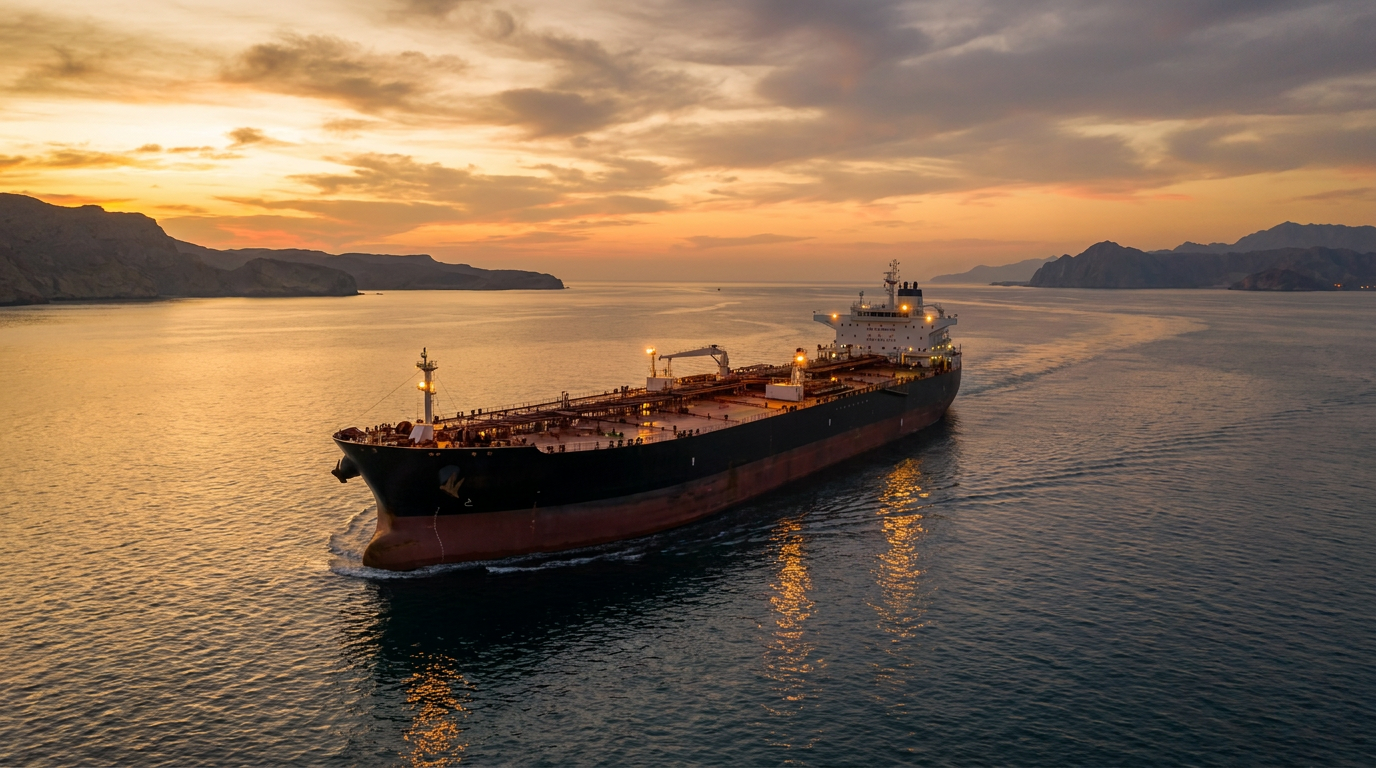
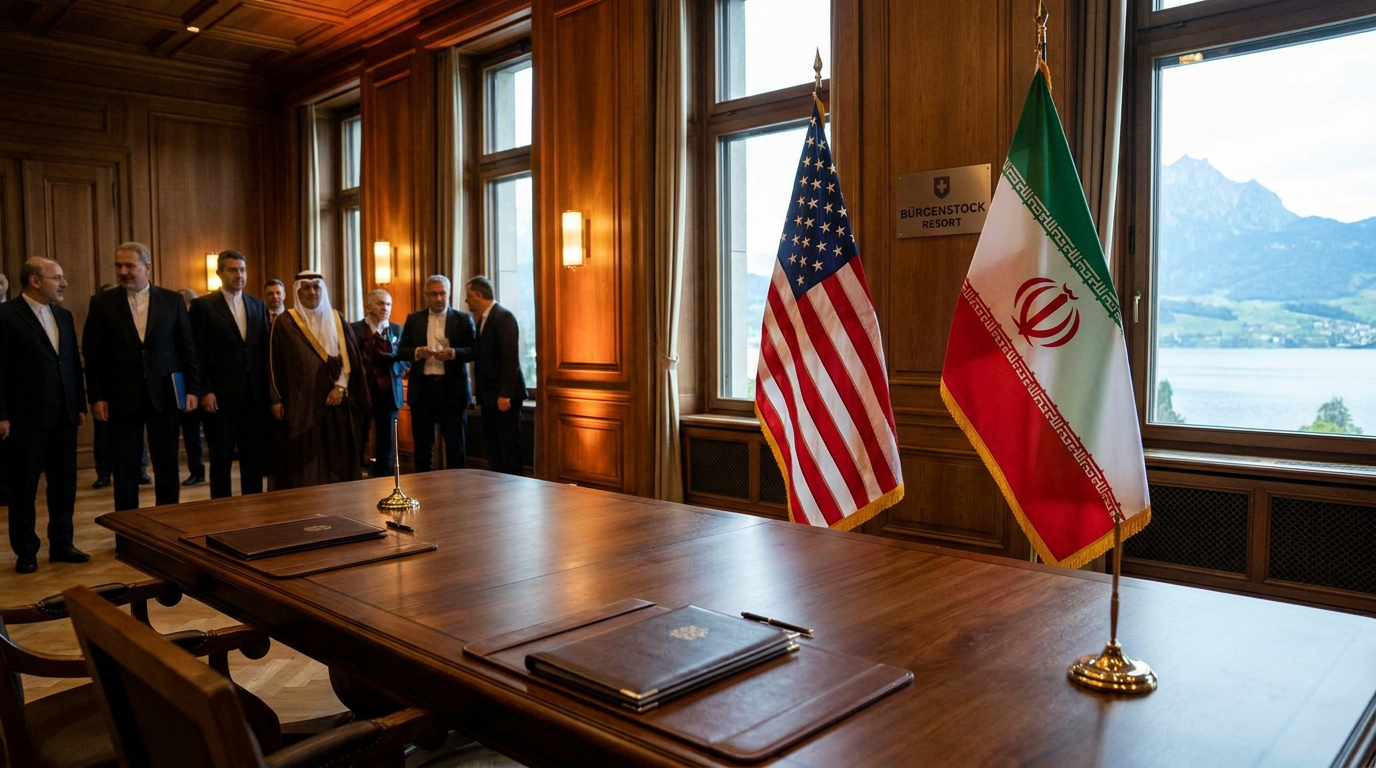
The Trump administration has published the text of a 14-point memorandum of understanding with Iran that reopens the Strait of Hormuz while leaving the future of Tehran's nuclear program to a 60-day negotiation window.
By Factlen Editorial Team
- US Administration
- Frames the agreement as a major victory that averted a global economic depression by reopening vital shipping lanes.
- Iranian Leadership
- Views the financial concessions and the removal of immediate military threats as a successful defense of national interests.
- Global Markets
- Focused on the immediate stabilization of energy prices and the resumption of commercial maritime trade.
- Diplomatic Skeptics
- Concerned that the U.S. gave up significant financial leverage without securing a permanent halt to Iran's nuclear program.
What's not represented
- · Israeli Government Officials
- · Iranian Civilians Affected by Strikes
Why this matters
The reopening of the Strait of Hormuz immediately stabilizes global energy markets, averting a severe economic shock. However, the agreement's 60-day window to resolve Iran's nuclear status means the threat of renewed military conflict remains if a permanent treaty cannot be reached.
Key points
- The U.S. released the text of a 14-point Memorandum of Understanding with Iran.
- The agreement successfully reopens the Strait of Hormuz to commercial shipping.
- Iran receives significant political and financial concessions under the deal.
- The future of Iran's nuclear program remains unresolved, with a 60-day window set for negotiations.
- President Trump claimed the agreement averted a 'worldwide depression.'
The Trump administration has officially released the text of a 14-point Memorandum of Understanding with Iran, marking a significant de-escalation in a conflict that had threatened to choke off global energy supplies. The agreement successfully reopens the Strait of Hormuz to commercial shipping, ending a blockade that had paralyzed international maritime trade and spiked geopolitical anxieties.[1][2]
U.S. officials are framing the memorandum as a historic diplomatic victory. President Trump stated that the deal averts a "worldwide depression," emphasizing the catastrophic economic potential of a prolonged closure of the strait. However, the agreement required significant political and financial concessions to Tehran in exchange for the immediate resumption of maritime traffic, drawing scrutiny from diplomatic observers.[1][7]
Despite the relief in energy markets, the document leaves the most volatile issue entirely unresolved. The future of Iran's nuclear program—the core catalyst of the recent geopolitical crisis—is not settled in the 14-point text. Instead, the memorandum establishes a strict 60-day window for negotiators to determine the parameters of Tehran's nuclear capabilities.[2][6]

The immediate economic impact of the text's release was palpable across global trading floors. Oil markets, which had been highly volatile during the strait's closure, began to stabilize as shipping companies prepared to resume transit through the critical chokepoint. Roughly one-fifth of the world's oil consumption passes through the narrow waterway, making its operational status a linchpin of the global economy.[4][5]
The immediate economic impact of the text's release was palpable across global trading floors.
Iranian state media has highlighted the agreement as a successful defense of national interests. Coverage in Tehran has focused heavily on the financial concessions secured from Washington and the lifting of immediate military pressure, framing the 14-point memorandum as a diplomatic win that forces the U.S. to acknowledge Iran's regional leverage and resilience.[8]

The diplomatic breakthrough arrives in the shadow of intense and recent military violence. Just hours before the text was released, President Trump addressed the deadly U.S. airstrikes that demolished an elementary school in the southern Iranian city of Minab over 100 days ago, a stark reminder of the conflict's human toll.[3]
When questioned about the civilian casualties in Minab, the president stated that "mistakes are made" and noted that the episode is still under investigation by the U.S. military. The acknowledgment underscores the fragile and violent context in which these new diplomatic negotiations are taking place, with deep grievances remaining on both sides.[3][6]
Critics of the administration's approach argue that the financial relief granted to Tehran provides the Iranian government with vital resources without securing a concrete rollback of its nuclear infrastructure. These diplomatic skeptics warn that the U.S. may have surrendered critical leverage just to achieve a temporary maritime ceasefire, potentially emboldening Tehran in the upcoming talks.[1][2]

The clock now ticks on the 60-day negotiation window. Diplomats face the daunting task of converting a temporary memorandum into a comprehensive, binding nuclear treaty. If the two sides fail to reach an agreement before the window closes, the region risks plunging back into the military and economic brinkmanship that defined the early months of the year.[4][6]
How we got here
Early 2026
Tensions escalate, leading to the closure of the Strait of Hormuz and U.S. airstrikes in Iran.
March 2026
U.S. airstrikes hit an elementary school in Minab, an event still under investigation.
June 17, 2026
The U.S. releases the text of the 14-point MOU, reopening the strait and starting a 60-day nuclear negotiation window.
Viewpoints in depth
US Administration
Framing the agreement as a major win that averted global economic disaster.
U.S. officials are emphasizing the catastrophic economic consequences that were avoided by reopening the Strait of Hormuz. By securing the resumption of maritime trade, the administration argues it has protected the global economy from a severe depression, viewing the financial concessions to Iran as a necessary and worthwhile trade-off for immediate stability.
Iranian Leadership
Viewing the financial concessions as a successful defense of national interests.
In Tehran, the narrative centers on the resilience of the Iranian state against U.S. pressure. State media highlights the financial relief and the removal of immediate military threats as evidence that Washington was forced to acknowledge Iran's leverage over global energy markets, framing the 14-point text as a diplomatic victory.
Regional Analysts
Cautiously optimistic about the maritime reopening but highly skeptical of the 60-day window.
Diplomatic experts and regional analysts warn that the hardest work is yet to come. While they acknowledge the immediate relief provided by the reopening of the strait, they point out that the core issue—Iran's nuclear ambitions—remains untouched. There is widespread skepticism that a deeply entrenched dispute can be resolved within a tight 60-day timeframe.
What we don't know
- Whether the 60-day negotiation window will yield a permanent agreement on Iran's nuclear program.
- The exact monetary value and mechanisms of the financial concessions granted to Tehran.
- How regional allies, including Israel and Gulf states, will respond to the finalized text.
Key terms
- Strait of Hormuz
- A vital maritime chokepoint between the Persian Gulf and the Gulf of Oman, through which roughly 20% of the world's oil passes.
- Memorandum of Understanding (MOU)
- A non-binding agreement outlining the terms and details of an understanding, including each party's requirements and responsibilities.
Frequently asked
Does this agreement end the conflict between the US and Iran?
Not entirely. While it halts immediate hostilities and reopens shipping lanes, the core dispute over Iran's nuclear program remains unresolved.
What happens after the 60-day window?
Negotiators have 60 days to reach a comprehensive agreement on Iran's nuclear capabilities. If they fail, tensions and economic sanctions could rapidly escalate again.
Why is the Strait of Hormuz so important?
It is one of the world's most critical strategic chokepoints for the global oil trade; its closure threatened to trigger a severe global economic downturn.
Sources
Source coverage
8 outlets
4 viewpoints surfaced







[1]The GuardianDiplomatic Skeptics
US releases text of Iran peace plan as Trump says deal averts ‘worldwide depression’
Read on The Guardian →[2]NYTDiplomatic Skeptics
U.S. Official Releases Text of Agreement With Iran
Read on NYT →‘Mistakes Are Made,’ Trump Says About Deadly U.S. Strikes on Iranian School
Read on NYT →[4]ReutersGlobal Markets
US and Iran reach 14-point maritime agreement; nuclear talks deferred
Read on Reuters →[5]Wall Street JournalGlobal Markets
Oil Markets Stabilize as Strait of Hormuz Reopens Under US-Iran Pact
Read on Wall Street Journal →[6]Al JazeeraDiplomatic Skeptics
US-Iran memorandum leaves nuclear question unresolved amid 60-day window
Read on Al Jazeera →[7]Fox NewsUS Administration
Trump administration secures historic 14-point MOU with Iran, reopening Strait of Hormuz
Read on Fox News →[8]Tehran TimesIranian Leadership
Iran secures financial concessions in 14-point memorandum with Washington
Read on Tehran Times →
Every angle. Every day.
Get news politics stories with full source coverage and perspective breakdowns delivered to your inbox.