
The 14-Point US-Iran Ceasefire Memorandum, Explained
The Trump administration and Iran have agreed to a 14-point framework to halt hostilities, reopen the Strait of Hormuz, and launch 60 days of nuclear negotiations, though critics warn the deal offers massive concessions to Tehran.
By Factlen Editorial Team
- Trump Administration
- Argues the deal is a major victory that prevents a global economic depression by securing the Strait of Hormuz.
- Congressional Skeptics
- Warns that lifting the naval blockade and unfreezing assets surrenders U.S. leverage for weaker nuclear constraints than previous deals.
- Iranian Leadership
- Views the memorandum as a strategic victory that codifies battlefield realities and provides massive economic relief.
- Israeli Security Establishment
- Expresses deep concern over being sidelined in negotiations and the implications of a ceasefire on the Lebanon front.
What's not represented
- · Lebanese civilians
- · Commercial shipping operators
Why this matters
This agreement pauses a major geopolitical conflict that threatened to plunge the global economy into a depression via energy blockades. However, the 60-day window to negotiate a final nuclear deal leaves the long-term security of the Middle East highly uncertain.
Key points
- The U.S. and Iran have agreed to a 14-point ceasefire memorandum to halt the 2026 war.
- The U.S. will lift its naval blockade and allow Iranian oil sales within 30 days.
- Iran will demine and reopen the Strait of Hormuz to commercial shipping.
- The agreement initiates a 60-day window to negotiate a final nuclear deal.
- A proposed $300 billion regional investment fund aims to rebuild Iran's economy.
- Critics argue the U.S. gave up vital leverage before securing permanent nuclear constraints.
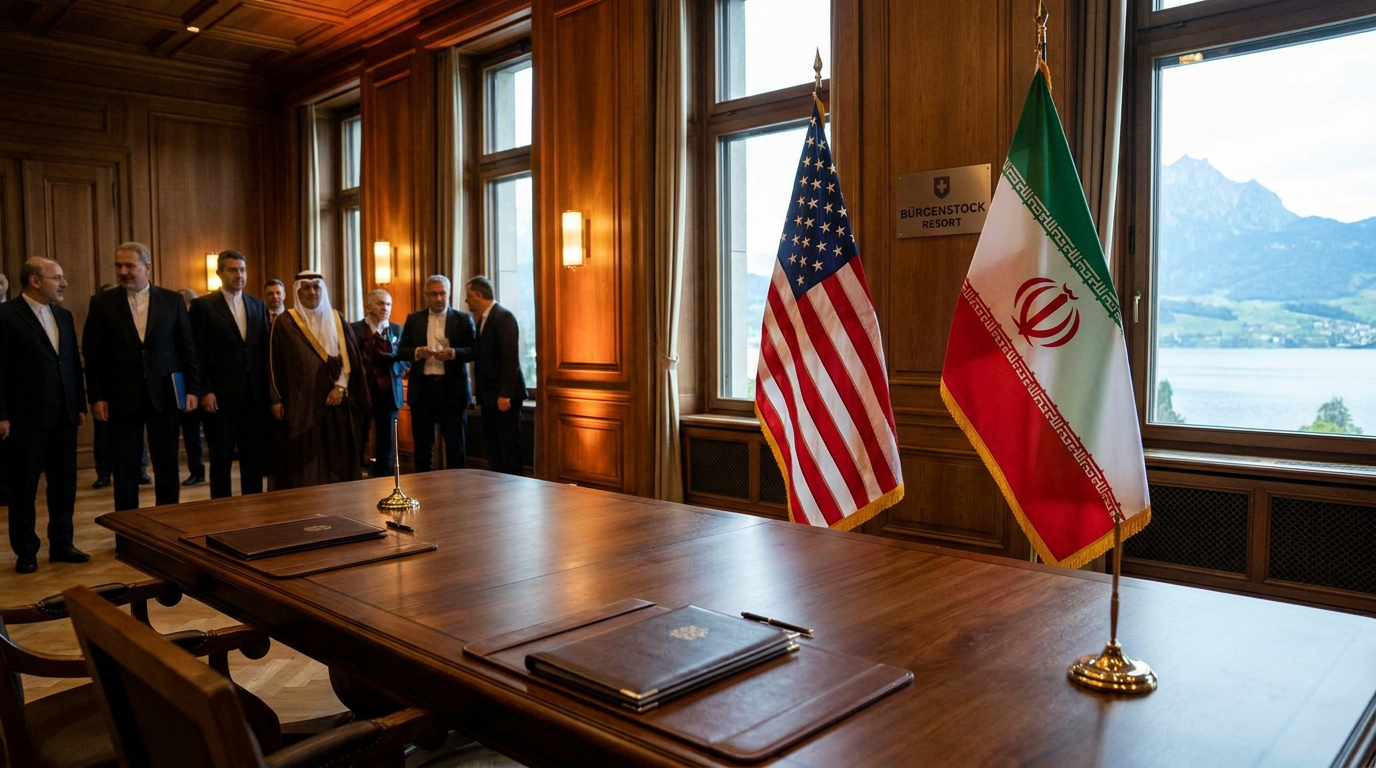
After months of escalating conflict, the United States and Iran have reached a tentative 14-point memorandum of understanding designed to halt the 2026 war. The framework, digitally signed by U.S. and Iranian officials over the weekend, is scheduled for a formal in-person signing ceremony in Switzerland on Friday.[4][7]
The unreleased text, dictated to reporters by senior U.S. officials and leaked in various drafts, outlines a sweeping set of immediate concessions and long-term negotiating goals. At its core, the agreement trades immediate U.S. sanctions relief and the lifting of a naval blockade for Iran's commitment to reopen the Strait of Hormuz and halt military operations.[3][6]
President Donald Trump has championed the framework as a "major win" that prevents a "worldwide depression." By securing the reopening of the Strait of Hormuz—a critical maritime choke point for global oil supplies—the administration argues it has averted a catastrophic energy crisis that was looming over the global economy.[6]
Under the terms of the memorandum, the United States will immediately begin lifting its naval blockade on Iranian ports, a process to be completed within 30 days. In tandem, Washington will issue waivers allowing Iran to resume exporting crude oil and petrochemical products, providing an immediate lifeline to Tehran's battered economy.[7][8]

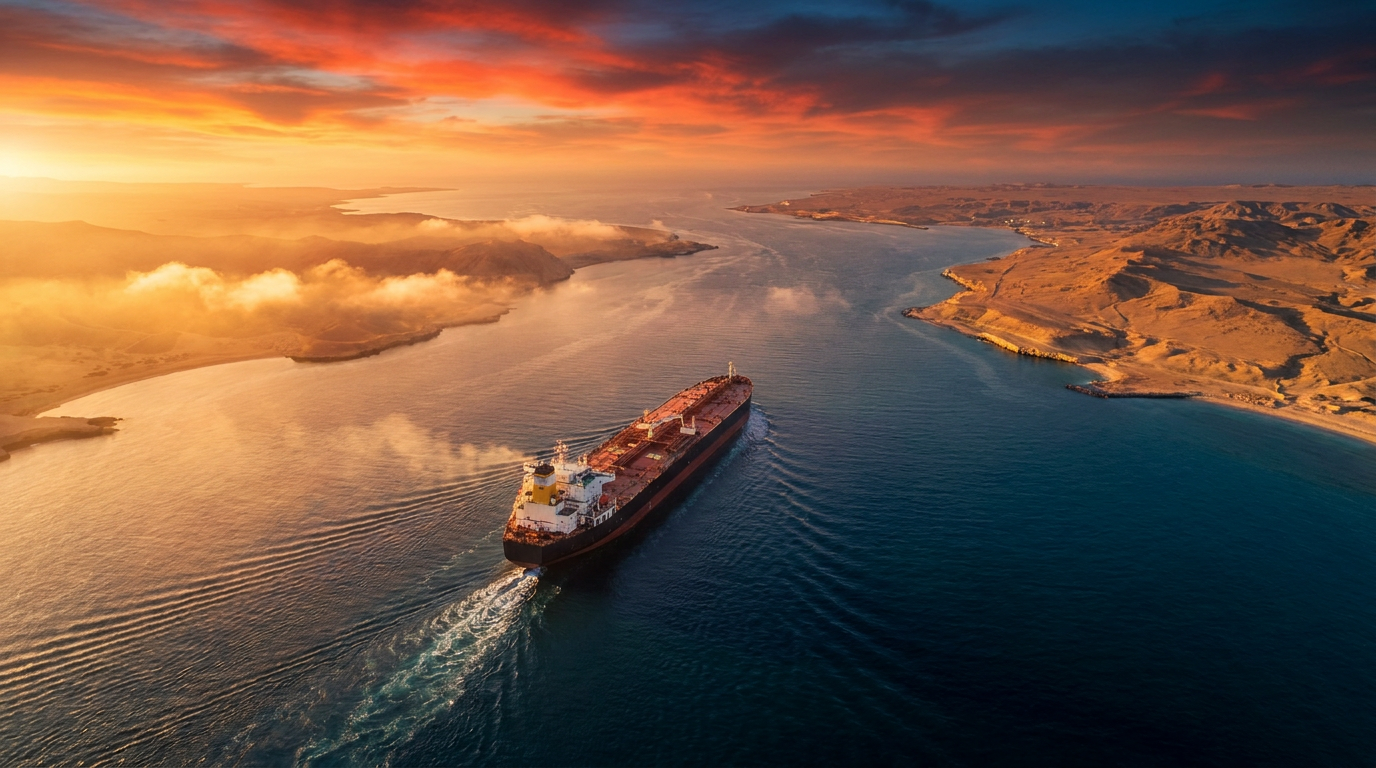
In exchange, Iran is tasked with ensuring the safe passage of commercial vessels through the Persian Gulf and the Sea of Oman. Tehran has committed to neutralizing naval mines and removing technical obstacles to restore shipping traffic to pre-war volumes within 30 days.[7]
However, the memorandum is not a final peace treaty. Instead, it serves as a 60-day ceasefire and negotiating window. During this period, the two nations are expected to hammer out a comprehensive agreement addressing Iran's nuclear program, regional security, and the permanent lifting of international sanctions.[2][8]
The nuclear provisions of the 14-point plan are among its most scrutinized elements. The text reportedly includes a reaffirmation from Iran that it will not procure or develop nuclear weapons. Yet, it leaves the fate of Tehran's existing 440-kilogram stockpile of highly enriched uranium to be decided during the upcoming 60-day talks.[5][6]
The nuclear provisions of the 14-point plan are among its most scrutinized elements.
Critics in Washington argue this framework represents a massive strategic concession. Lawmakers, including Democratic Senator Tim Kaine, have warned that the U.S. is "giving a lot more to get a lot less" compared to the 2015 Joint Comprehensive Plan of Action (JCPOA), noting that the new text lacks the comprehensive constraints of the Obama-era deal.[1]

Skeptics point out that by lifting the naval blockade and unfreezing assets before a final nuclear deal is reached, the United States is surrendering its primary leverage. Analysts at the Institute for the Study of War suggest Iran could use this economic relief to reconstitute its military capabilities and proxy networks while dragging out the nuclear negotiations.[8]
Adding to the controversy is a provision outlining a $300 billion reconstruction and investment fund for Iran. While U.S. officials stress that this fund will be financed by private investments and regional partners in the Gulf—not American taxpayers—the sheer scale of the economic package has fueled anger among Iran hawks.[5][6]
The geopolitical implications of the ceasefire extend far beyond Washington and Tehran. The memorandum explicitly calls for an "immediate and permanent end to military operations on all fronts, including in Lebanon." This clause directly impacts the ongoing conflict between Israel and Hezbollah, Iran's most powerful proxy force.[4][5]
Israel was reportedly kept out of the loop during the final stages of the negotiations due to U.S. concerns over potential leaks. The Israeli security establishment views the Lebanon clause with deep suspicion, as the Israel Defense Forces have been actively battling Hezbollah to secure Israel's northern border.[5]

Iranian officials and allied groups have already begun framing the memorandum as a strategic triumph. Hezbollah's leadership hailed the agreement as a "great victory," while Iranian state media described the terms as a political codification of the realities established on the battlefield.[6][8]
The ambiguity of certain clauses also presents immediate challenges. For instance, while Iran has agreed to facilitate shipping through the Strait of Hormuz, the text does not explicitly bar Tehran from administering the waterway or charging transit fees, a loophole analysts fear the Islamic Revolutionary Guard Corps may exploit.[8]
Furthermore, the 60-day timeline for a final nuclear agreement is viewed by many diplomats as highly ambitious, if not entirely unrealistic. President Trump himself has acknowledged the fluidity of the deadline, telling reporters that the talks "could take longer" as long as Iran adheres to the broader ceasefire.[4]

As diplomats prepare for the formal signing at the Bürgenstock Resort in Switzerland, the global community remains cautiously optimistic. The immediate threat of a wider regional war has been paused, and energy markets have begun to stabilize in response to the news.[6][7]
Yet, the ultimate success of the Islamabad Memorandum—named for the Pakistani mediators who helped broker it—hinges on the fraught 60-day negotiating period ahead. Whether Washington and Tehran can translate this fragile truce into a lasting diplomatic resolution remains one of the most consequential open questions in modern geopolitics.[2][8]
How we got here
April 2026
The United States imposes a naval blockade on Iranian ports following a breakdown in earlier peace talks.
June 12, 2026
Pakistani mediators announce that the U.S. and Iran have reached an agreement on a final text to end the war.
June 14, 2026
The 14-point memorandum of understanding is digitally signed by U.S. and Iranian leadership.
June 17, 2026
Senior U.S. officials dictate the unreleased text of the agreement to reporters, sparking intense debate in Washington.
June 19, 2026
The formal in-person signing ceremony is scheduled to take place at the Bürgenstock Resort in Switzerland.
Viewpoints in depth
The Administration's View
The White House frames the deal as an economic necessity that averted a global depression.
President Trump and his allies argue that the immediate reopening of the Strait of Hormuz was paramount to global stability. By ending the threat to commercial shipping, the administration claims it saved the world from a catastrophic energy crisis. Officials maintain that the 60-day window provides ample time to negotiate a strict nuclear treaty while keeping the threat of renewed military action on the table if Iran fails to comply.
Congressional Skeptics
Hawks and critics argue the U.S. surrendered its leverage for a weak framework.
Lawmakers from both parties have expressed alarm at the upfront concessions granted to Tehran. By lifting the naval blockade and allowing oil sales immediately, skeptics argue the U.S. has given up the very economic pressure needed to force Iran into a permanent nuclear agreement. Critics frequently compare the 14-point plan unfavorably to the 2015 JCPOA, noting that the current text defers the hardest questions—such as the fate of Iran's 440kg uranium stockpile—to future talks.
Iran's Perspective
Tehran views the agreement as a strategic victory that validates its military resilience.
Iranian leadership and state media have framed the memorandum as a codification of their success on the battlefield. By securing the lifting of the blockade and the promise of a $300 billion reconstruction fund without immediately surrendering their enriched uranium, Iran has achieved its primary economic goals. Allied groups, including Hezbollah, have publicly celebrated the ceasefire as a defeat for Western pressure campaigns.
Israel's Security Concerns
Israel fears the ceasefire leaves its northern border vulnerable and Iran's nuclear threshold intact.
The Israeli government, reportedly kept out of the final loop of negotiations, views the agreement with deep suspicion. The clause demanding an end to hostilities "on all fronts, including in Lebanon" directly complicates Israel's ongoing military campaign against Hezbollah. Furthermore, Israeli defense officials worry that the 60-day negotiating window simply gives Iran time to recover economically without dismantling the infrastructure needed to build a nuclear weapon.
What we don't know
- Whether Israel will abide by the clause demanding an end to military operations in Lebanon.
- If a comprehensive nuclear agreement can realistically be negotiated within the 60-day window.
- How the $300 billion reconstruction fund will be capitalized and managed without U.S. government money.
- Whether Iran will attempt to charge transit fees to commercial ships passing through the Strait of Hormuz.
Key terms
- Memorandum of Understanding (MOU)
- A formal agreement between two or more parties that establishes a framework for cooperation, often serving as a stepping stone to a final treaty.
- Strait of Hormuz
- A narrow, strategically vital waterway between the Persian Gulf and the Gulf of Oman through which roughly 20% of the world's global oil supply passes.
- Highly Enriched Uranium (HEU)
- Uranium that has been processed to contain a high concentration of the U-235 isotope, which can be used to fuel nuclear reactors or, if enriched further, nuclear weapons.
- JCPOA
- The Joint Comprehensive Plan of Action, the 2015 nuclear deal negotiated under the Obama administration that placed limits on Iran's nuclear program in exchange for sanctions relief.
Frequently asked
Is the US-Iran war officially over?
Not permanently. The memorandum serves as a 60-day ceasefire to halt military operations while diplomats attempt to negotiate a final, comprehensive peace treaty.
Who is paying for the $300 billion reconstruction fund?
U.S. officials state the fund will be financed by private investments and regional partners in the Gulf, not by American taxpayers.
Does this agreement stop Iran from getting a nuclear weapon?
Iran has reaffirmed it will not build a weapon, but the fate of its existing 440-kilogram stockpile of highly enriched uranium will be decided during the upcoming 60-day negotiations.
When will the Strait of Hormuz reopen?
Iran has committed to neutralizing mines and restoring commercial shipping traffic to pre-war volumes within 30 days of the agreement's signing.
Sources
Source coverage
8 outlets
4 viewpoints surfaced








[1]Fox NewsCongressional Skeptics
Trump's Iran deal 'giving a lot more to get a lot less' than Obama's, senator says
Read on Fox News →[2]BBC
Initial US-Iran agreement leaves many key issues to be negotiated
Read on BBC →[3]Al Jazeera
Read the US account of unreleased 14-point Iran ceasefire memorandum
Read on Al Jazeera →[4]CBS NewsTrump Administration
Live Updates: Trump says U.S.-Iran deal 'not final,' threatens to resume bombing
Read on CBS News →[5]The Times of IsraelIsraeli Security Establishment
Multiple reports say agreement includes $300 billion fund for investment and reconstruction in Iran
Read on The Times of Israel →[6]The GuardianTrump Administration
Details of 14-point MOU revealed as senior US officials claim 'major win'
Read on The Guardian →[7]CNN
Read the full 14-point agreement between the U.S. and Iran
Read on CNN →[8]Institute for the Study of WarIranian Leadership
Iran Update Special Report, June 16, 2026
Read on Institute for the Study of War →
More in news politics
See all 5 stories →Election Security
The 2026 Deepfake Defense: How Election Officials and Tech Platforms Are Catching AI Forgeries
7 sources

Iran Peace Deal
US and Iran Reach Agreement to End Three-Month War, Outlining $300 Billion Reconstruction Plan
8 sources
Iran War Agreement
U.S. and Iran Sign 14-Point Agreement to End War and Reopen Strait of Hormuz
9 sources
Every angle. Every day.
Get news politics stories with full source coverage and perspective breakdowns delivered to your inbox.