
U.S.-Iran Deal to End War Draws Conservative Backlash Over $300 Billion Reconstruction Plan
The Trump administration's newly negotiated agreement to end the three-month war with Iran is facing intense scrutiny from conservative allies and demands for transparency from congressional Democrats.
By Factlen Editorial Team
- Conservative Hawks
- Argue the deal offers massive concessions and sanctions relief without securing sufficient, irreversible guarantees from Tehran.
- The Administration
- Defends the agreement as a necessary and superior framework to end a costly war, backed by the credible threat of renewed military force.
- Congressional Scrutinizers
- Demand transparency and detailed briefings on enforcement mechanisms before passing judgment on the deal's viability.
What's not represented
- · Iranian civilian population
- · European allied governments
- · Middle Eastern regional powers (e.g., Saudi Arabia, Israel)
Why this matters
This agreement halts a major global conflict that has disrupted international trade and energy markets for months, but its controversial concessions could trigger a fierce domestic political battle over U.S. foreign policy and future sanctions.
Key points
- The U.S. and Iran have reached a memorandum of understanding to end their three-month war.
- The deal includes a $300 billion reconstruction plan and future sanctions relief for Tehran.
- Conservative allies are heavily criticizing the agreement, calling it a humiliating concession.
- President Trump defends the pact, threatening renewed military action if Iran violates the terms.
- House Democrats are demanding immediate briefings from Secretary of State Marco Rubio to review the details.
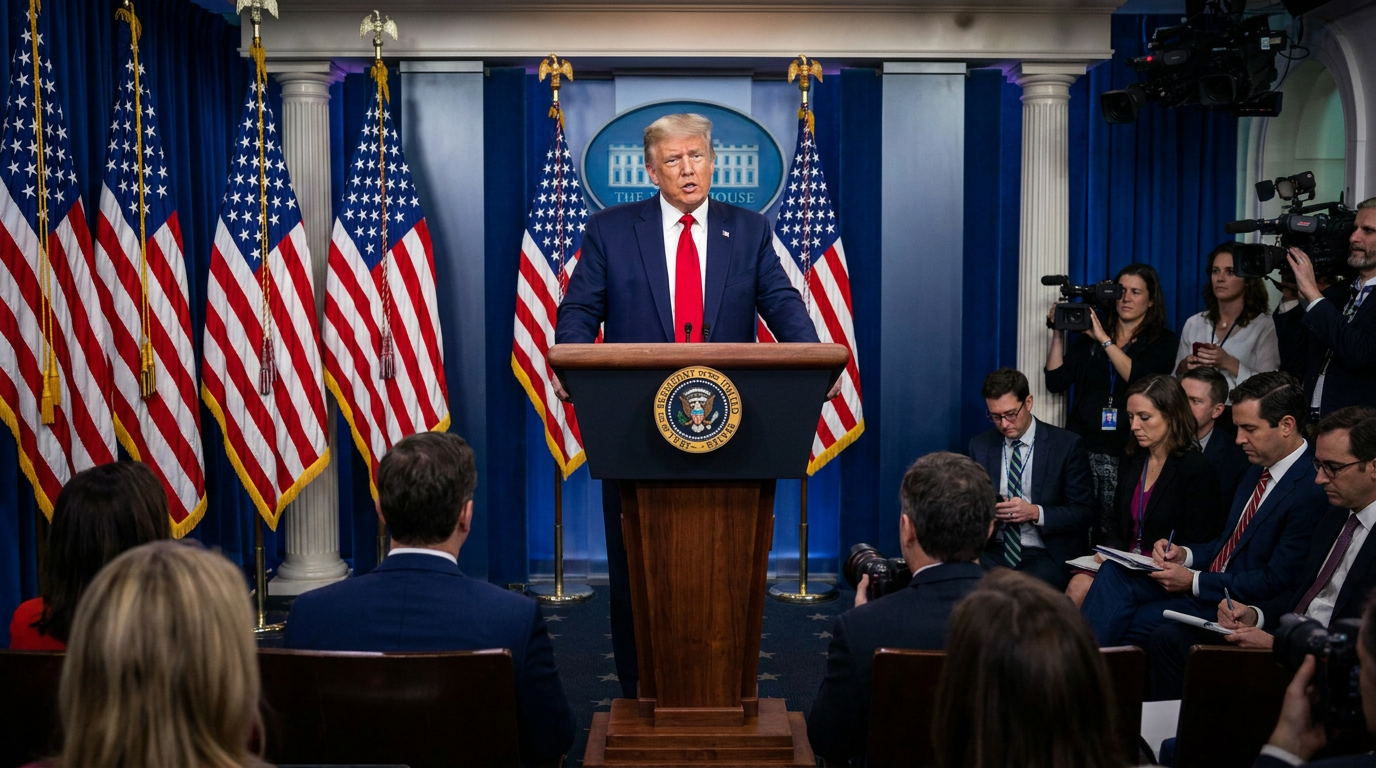
The Trump administration has finalized a landmark memorandum of understanding to end the three-month war with Iran, but the agreement is immediately facing intense political crossfire in Washington. The deal, which aims to permanently halt hostilities, includes a massive $300 billion reconstruction plan and the eventual lifting of specific economic sanctions. These concessions have drawn unexpected ire from the president's conservative allies while prompting cautious scrutiny from congressional Democrats.[1][2][3]
Details of the framework reveal significant economic relief designed to stabilize a devastated Iranian infrastructure. The agreement outlines an international effort to rebuild the country, alongside a phased timeline for sanctions relief that critics argue mirrors past diplomatic efforts the administration previously condemned. In exchange, Iran has reportedly agreed to specific security commitments, though the exact mechanisms of enforcement remain classified.[2][7]

The most vocal opposition is emerging from within the Republican party. Conservative hawks have labeled the agreement a "humiliating" diplomatic misstep, arguing it grants billions in concessions without securing ironclad, irreversible guarantees regarding Iran's military capabilities or regional proxy networks. Some hardline commentators and political allies are publicly urging the president to renege on the deal entirely, viewing the sanctions relief as an unacceptable capitulation.[3]
President Trump has aggressively defended the pact, pushing back against comparisons to the 2015 Obama-era nuclear agreement, which he famously abandoned during his first term. The president insists the new framework is far superior because it follows a decisive military campaign, and he has explicitly threatened to resume bombing campaigns if Tehran violates the terms. The administration argues the deal effectively neutralizes the immediate threat while shifting the financial burden of reconstruction to international consortiums.[1][2]
The administration argues the deal effectively neutralizes the immediate threat while shifting the financial burden of reconstruction to international consortiums.
Meanwhile, top House Democrats overseeing foreign policy, defense, and intelligence are demanding an immediate briefing from Secretary of State Marco Rubio. Unlike some Republican hawks who have dismissed the deal outright, Democratic leadership has expressed a willingness to review the memorandum. They emphasize the need to understand the exact mechanisms of enforcement, the source of the reconstruction funds, and the long-term implications for U.S. national security.[4]

The economic fallout of the three-month conflict has been severe, with global oil markets and international trade routes heavily disrupted. The cessation of hostilities has brought a measure of stability to energy prices, which had spiked dramatically during the initial military exchanges. However, economists and geopolitical analysts warn that the lingering costs of the war—both in direct military expenditure and ongoing supply chain bottlenecks—will be felt across the global economy for years.[5][6]

The $300 billion reconstruction figure remains the most contentious element of the diplomatic framework. While the agreement stipulates that international partners and un-frozen Iranian assets will primarily fund the rebuilding effort, critics argue that any sanctions relief effectively subsidizes the regime. Proponents of the deal counter that stabilizing a heavily bombarded Iran is essential to preventing a catastrophic power vacuum and further regional chaos.[2][7]
The coming weeks will test the durability of the agreement as the administration attempts to sell the deal to a deeply divided Congress. With the threat of renewed conflict still hanging over the Middle East, the focus now shifts to the verification mechanisms and whether the fragile truce can hold under the weight of intense domestic and international scrutiny.[1][4]
How we got here
Early 2026
Hostilities escalate into a direct, three-month military conflict between the U.S. and Iran.
June 2026
The Trump administration finalizes a memorandum of understanding to end the war.
June 17, 2026
Details of the $300 billion reconstruction plan emerge, sparking immediate domestic political backlash.
Viewpoints in depth
Conservative Hawks
Viewing the deal as a dangerous capitulation that rewards aggression.
Hardline conservatives and allied commentators argue that offering a $300 billion reconstruction pathway and sanctions relief repeats the mistakes of past diplomatic efforts. They contend that without irreversible, highly intrusive verification mechanisms dismantling Iran's military infrastructure and proxy networks, the financial relief will simply be funneled back into hostile activities. Some are urging the administration to walk away entirely and maintain maximum military and economic pressure.
The Administration
Framing the agreement as a victorious end to a necessary war.
The White House maintains that the deal is fundamentally different from previous agreements because it was negotiated from a position of overwhelming military strength following a three-month campaign. The administration emphasizes that the reconstruction funds will not come directly from U.S. taxpayers and insists that the credible threat of immediate, renewed bombing campaigns will force Tehran into strict compliance with the security terms.
Congressional Scrutinizers
Prioritizing transparency and enforcement over immediate political posturing.
Top Democrats and moderate lawmakers are withholding final judgment until they receive classified briefings on the exact text of the memorandum. Their primary concern is the viability of the enforcement mechanisms and whether the U.S. has the intelligence capabilities to verify Iranian compliance. They are also probing the economic structure of the $300 billion reconstruction plan to ensure it does not inadvertently strengthen the regime's grip on power.
What we don't know
- The specific, classified security commitments Iran has agreed to in exchange for the ceasefire.
- The exact timeline and conditions required for the phased lifting of economic sanctions.
- Which international partners or consortiums will actually provide the $300 billion in reconstruction funding.
Key terms
- Memorandum of Understanding (MOU)
- A formal agreement between two or more parties outlining the terms and details of an understanding, often serving as the foundation for a binding treaty.
- Sanctions Relief
- The reduction or removal of economic penalties previously imposed on a country to restrict its trade and financial activities.
- Proxy Networks
- Armed groups or militias funded, trained, and directed by a larger state power to fight on its behalf in regional conflicts.
Frequently asked
What are the main terms of the U.S.-Iran deal?
The agreement includes an end to hostilities, a $300 billion international reconstruction plan for Iran, phased sanctions relief, and specific security commitments from Tehran.
Why are conservatives criticizing the agreement?
Many conservative allies argue the deal provides billions in concessions and sanctions relief without securing strict enough guarantees regarding Iran's military and regional activities.
How is the $300 billion reconstruction being funded?
The framework suggests the rebuilding effort will be funded through international consortiums and the un-freezing of Iranian assets, rather than direct U.S. taxpayer dollars.
What is the Democratic response to the deal?
Top Democrats have not outright rejected the deal but are demanding immediate, detailed briefings from the State Department to understand the enforcement mechanisms.
Sources
Source coverage
7 outlets
3 viewpoints surfaced






[1]NYTThe Administration
Trump Defends Deal to End the War With Iran as Details Emerge
Read on NYT →Trump Criticized Obama’s Iran Deal, but New Deal Would Also Offer Tehran Relief
Read on NYT →[3]Fox NewsConservative Hawks
'Trump should renege': Iran deal faces backlash from conservative allies
Read on Fox News →[4]AxiosCongressional Scrutinizers
Top House Democrats demand "immediate" Rubio briefing on U.S.-Iran deal
Read on Axios →[5]NPRCongressional Scrutinizers
Here's how much the the Iran war cost -- and how its effects will linger
Read on NPR →[6]ReutersThe Administration
Oil markets stabilize as details of US-Iran reconstruction framework emerge
Read on Reuters →[7]Wall Street JournalConservative Hawks
The $300 Billion Question: Who Pays for Iran's Reconstruction?
Read on Wall Street Journal →
More in news politics
See all 6 stories →Workplace Trends
Fact-Checking the Four-Day Workweek: What Global Trials Actually Reveal About Productivity and Health
8 sources

Labor Policy
Fact-Checking the Four-Day Workweek: What the Global Evidence Actually Shows
7 sources

U.S.-Iran Deal
The U.S.-Iran Memorandum of Understanding: What the Deal Concedes, What It Secures, and Why It Faces Backlash
5 sources
Four-Day Workweek
Fact Check: Is the 4-Day Workweek Policy Actually Working?
8 sources

Every angle. Every day.
Get news politics stories with full source coverage and perspective breakdowns delivered to your inbox.