
US and Iran Reach Agreement to End Three-Month War, Outlining $300 Billion Reconstruction Plan
President Trump has signed a memorandum of understanding to end the recent military conflict with Iran, featuring future sanctions relief and a massive reconstruction framework. The agreement is drawing intense bipartisan scrutiny in Washington over comparisons to the 2015 nuclear deal.
By Factlen Editorial Team
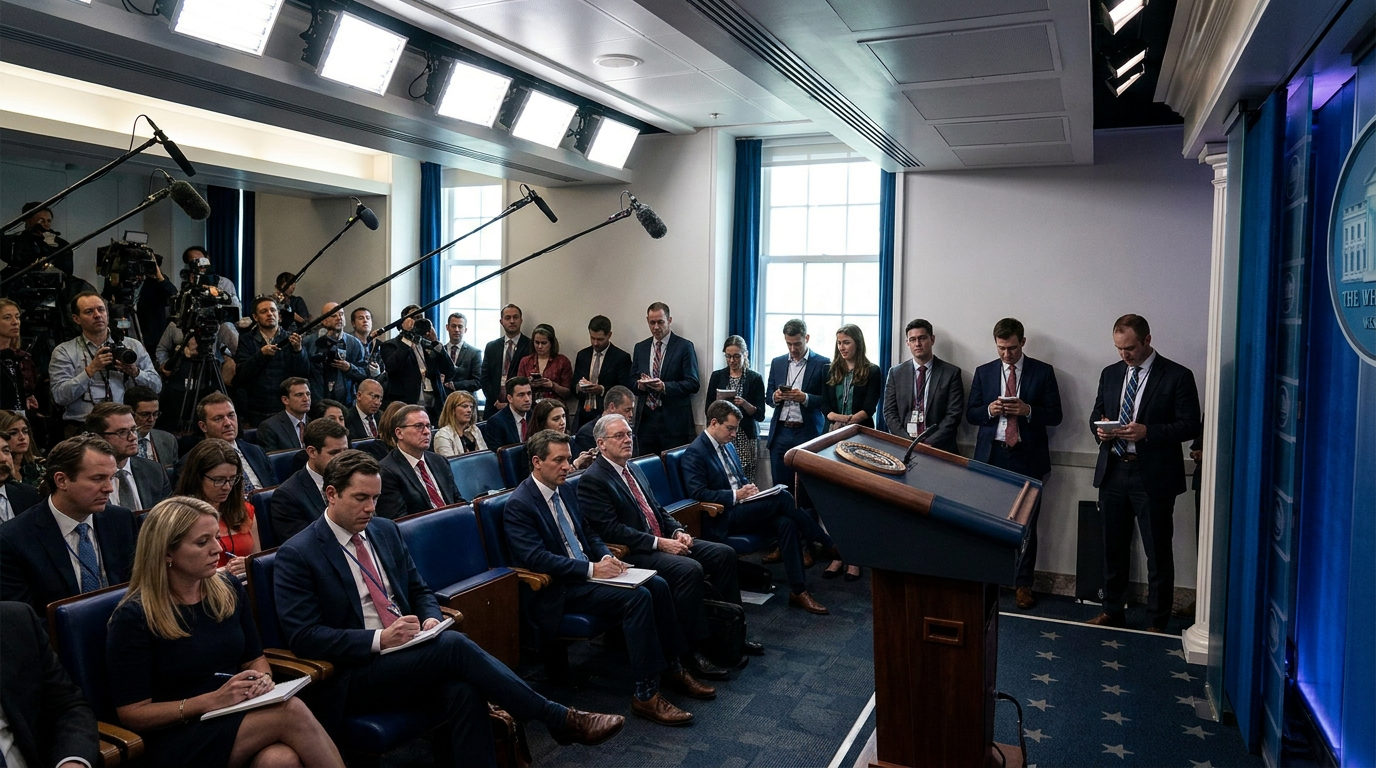
- Bipartisan Skeptics
- Criticizes the agreement for offering massive economic concessions and sanctions relief, comparing it unfavorably to the 2015 JCPOA.
- Administration Defenders
- Argues the deal is a definitive victory forged from military strength, featuring strict enforcement mechanisms that previous agreements lacked.
- Regional Observers
- Focuses on the economic relief for Tehran and the stabilization of global energy markets following months of disruption.
What's not represented
- · Iranian civilians affected by the three-month conflict
- · European allies excluded from the bilateral negotiations
Why this matters
The resolution of the three-month conflict stabilizes global energy markets and averts a broader regional war in the Middle East. However, the $300 billion reconstruction commitment and future sanctions relief represent a massive shift in US foreign policy that will reshape geopolitical alliances and domestic political debates for years.
Key points
- The US and Iran have signed a memorandum of understanding to halt hostilities after a three-month military conflict.
- The agreement includes a proposed $300 billion reconstruction plan to rebuild Iranian infrastructure.
- The deal promises future sanctions relief for Tehran, drawing intense bipartisan criticism in Washington.
- President Trump defended the agreement, threatening renewed military action if Iran violates the terms.
- Critics argue the new deal offers more economic concessions than the 2015 Obama-era nuclear agreement.
More than three months after the United States and Israel launched a coordinated military campaign against Iran, the conflict has officially reached a negotiated conclusion. President Donald Trump has signed a memorandum of understanding with Tehran, halting hostilities and outlining a sweeping framework for the region's future. The agreement marks a sudden diplomatic pivot following a period of intense military engagement that disrupted global trade routes and sent energy markets into a period of deep volatility. Administration officials are framing the deal as a definitive victory that neutralizes immediate threats while establishing a new baseline for Middle Eastern security.[1][4][5]
The most significant and heavily scrutinized component of the new agreement is a proposed $300 billion reconstruction plan designed to rebuild Iranian infrastructure damaged during the war. According to the text of the memorandum, this massive financial undertaking will be paired with the future lifting of stringent economic sanctions that have crippled Tehran's economy for years. While the White House insists that the reconstruction funds will be heavily monitored and largely sourced from international consortiums rather than direct American taxpayer dollars, the sheer scale of the economic relief has immediately become a flashpoint in Washington.[2][7]

President Trump vigorously defended the agreement during a series of public statements, pushing back against early criticism from both sides of the political aisle. He emphasized that the deal contains unprecedented enforcement mechanisms and issued a stark warning that he would not hesitate to "bomb Iran again" if Tehran violates any terms of the memorandum. The administration argues that unlike previous diplomatic efforts, this agreement was forged from a position of overwhelming military strength, compelling Iranian leadership to accept structural limitations on their military capabilities that they previously rejected.[1][5]
Despite the administration's aggressive defense, the deal is facing intense bipartisan skepticism on Capitol Hill, where lawmakers are drawing direct and often unfavorable comparisons to the 2015 Joint Comprehensive Plan of Action (JCPOA) signed by President Barack Obama. Several prominent senators have publicly criticized the new memorandum, arguing that it effectively gives Tehran "a lot more to get a lot less" than the Obama-era framework. Critics point out that President Trump spent years denouncing the JCPOA for offering sanctions relief, only to authorize a deal that provides a significantly larger economic lifeline to the Iranian government.[2][3]
The economic fallout from the three-month war has been severe, and the peace agreement is already sending ripples through global markets. The conflict forced major shipping companies to reroute vessels away from the Strait of Hormuz, spiking insurance premiums and disrupting supply chains. With the cessation of hostilities, global oil prices have begun to stabilize, retreating from the multi-year highs reached during the peak of the bombing campaign. Financial analysts note that the $300 billion reconstruction effort, while politically controversial, could stimulate regional economic activity if international energy and construction firms are permitted to bid on the rebuilding contracts.[4][7][8]

The economic fallout from the three-month war has been severe, and the peace agreement is already sending ripples through global markets.
In Tehran, the reaction has been cautiously triumphant. Iranian state media and government officials are heavily emphasizing the sanctions relief and the $300 billion reconstruction package as a vindication of their resilience during the military campaign. For the Iranian leadership, securing a pathway out of economic isolation was a paramount objective, and the promise of lifted sanctions offers a critical lifeline to a domestic economy battered by both international restrictions and recent infrastructure destruction. However, hardline factions within Iran remain deeply suspicious of the enforcement mechanisms and the threat of renewed American military action.[6]

The mechanics of the $300 billion reconstruction plan remain complex and largely undefined in the public summaries released so far. Financial experts indicate that the funds will likely be managed through a heavily audited international escrow system, designed to ensure that money flows directly to civilian infrastructure projects—such as power grids, water treatment facilities, and hospitals—rather than being diverted to Iran's military apparatus or regional proxy networks. Establishing this financial architecture will require the cooperation of European allies and international banking institutions, many of whom remain wary of running afoul of lingering US financial regulations.[2][7]
As the dust settles on the military phase of the conflict, the political battle in Washington is just beginning. Congress is expected to demand extensive hearings to review the classified annexes of the memorandum, with lawmakers from both parties seeking clarity on the exact timeline for sanctions relief and the specific metrics that will trigger enforcement actions. The administration faces a significant challenge in selling a deal that relies on the very economic concessions it previously condemned, setting the stage for a protracted debate over the future of American strategy in the Middle East.[1][3]
How we got here
2015
The US and world powers sign the JCPOA nuclear agreement with Iran.
March 2026
The United States and Israel launch a coordinated military campaign against Iran.
June 2026
President Trump signs a memorandum of understanding to end the war, outlining a $300 billion reconstruction plan.
Viewpoints in depth
The Trump Administration
Argues this is a definitive end to the conflict with strict enforcement mechanisms.
Administration officials maintain that this agreement is fundamentally different from past diplomatic efforts because it was negotiated from a position of overwhelming military dominance. They argue that the three-month campaign degraded Iran's capabilities enough to force them to accept strict, verifiable limitations. The White House emphasizes that the threat of immediate, renewed military force serves as the ultimate enforcement mechanism, ensuring Tehran complies with the memorandum.
Congressional Critics
Argues the deal concedes too much, comparing it unfavorably to the 2015 JCPOA.
Lawmakers from both parties have expressed deep skepticism regarding the scale of the economic concessions offered to Tehran. Critics point out the political irony of the administration authorizing a $300 billion reconstruction framework and future sanctions relief after years of denouncing the 2015 JCPOA for similar financial provisions. These skeptics argue that injecting massive amounts of capital into the Iranian economy, regardless of escrow safeguards, will inevitably empower the regime and its regional proxies.
Iranian Leadership
Focuses on the economic relief and reconstruction funds as a diplomatic victory.
For Tehran, the agreement is being framed domestically as a triumph of endurance. State media is heavily promoting the $300 billion reconstruction package and the promise of lifted sanctions as evidence that the country successfully weathered the military assault without capitulating on its core sovereignty. The leadership views the influx of international capital as essential for stabilizing a domestic economy that has been severely weakened by years of isolation and recent infrastructure damage.
What we don't know
- The exact timeline for when specific economic sanctions will be lifted.
- How the $300 billion reconstruction fund will be audited to prevent diversion to military projects.
- Whether Congress will attempt to block or modify the implementation of the agreement.
Key terms
- Memorandum of Understanding (MOU)
- A formal agreement between two or more parties outlining the terms and details of an understanding, including each party's requirements and responsibilities.
- Sanctions Relief
- The reduction or removal of economic penalties previously imposed on a country, allowing it to resume international trade and access global financial systems.
- JCPOA
- The Joint Comprehensive Plan of Action, a 2015 agreement between Iran and several world powers, including the US under President Obama, which offered sanctions relief in exchange for limits on Iran's nuclear program.
Frequently asked
What ended the US-Iran war?
The conflict ended after President Trump signed a memorandum of understanding with Iran, halting hostilities after more than three months of military engagement.
How much is the reconstruction plan worth?
The agreement outlines a $300 billion framework designed to rebuild Iranian infrastructure damaged during the conflict.
Will US taxpayers pay for the reconstruction?
The administration states the funds will largely come from international consortiums and escrow accounts rather than direct US taxpayer dollars, though the exact financial architecture is still being finalized.
Why are lawmakers criticizing the deal?
Bipartisan critics argue the deal offers massive economic concessions and future sanctions relief, drawing unfavorable comparisons to the 2015 JCPOA that President Trump previously condemned.
Sources
Source coverage
8 outlets
3 viewpoints surfaced







[1]The New York TimesAdministration Defenders
Trump Defends Deal to End the War With Iran as Details Emerge
Read on The New York Times →Trump Criticized Obama’s Iran Deal, but New Deal Would Also Offer Tehran Relief
Read on The New York Times →[3]Fox NewsBipartisan Skeptics
Trump's Iran deal 'giving a lot more to get a lot less' than Obama's, senator says
Read on Fox News →[4]NPRRegional Observers
Here's how much the the Iran war cost -- and how its effects will linger
Read on NPR →[5]ReutersAdministration Defenders
US and Iran sign memorandum to halt hostilities following three-month conflict
Read on Reuters →[6]Al JazeeraRegional Observers
Tehran welcomes sanctions relief as US-Iran war concludes
Read on Al Jazeera →[7]The Wall Street JournalRegional Observers
Economic Implications of the $300 Billion Iran Reconstruction Plan
Read on The Wall Street Journal →[8]BBC NewsRegional Observers
Global markets react to US-Iran peace deal, oil prices stabilize
Read on BBC News →

Every angle. Every day.
Get news politics stories with full source coverage and perspective breakdowns delivered to your inbox.