
The 2026 E-Bike Buyer's Guide: Decoding Classes, Motors, and Battery Safety
Electric bicycles have evolved from niche gadgets to primary transportation, but navigating the technical specifications can be daunting. This comprehensive guide breaks down the three-class system, motor architectures, and critical safety certifications to help buyers make informed decisions.
By Factlen Editorial Team
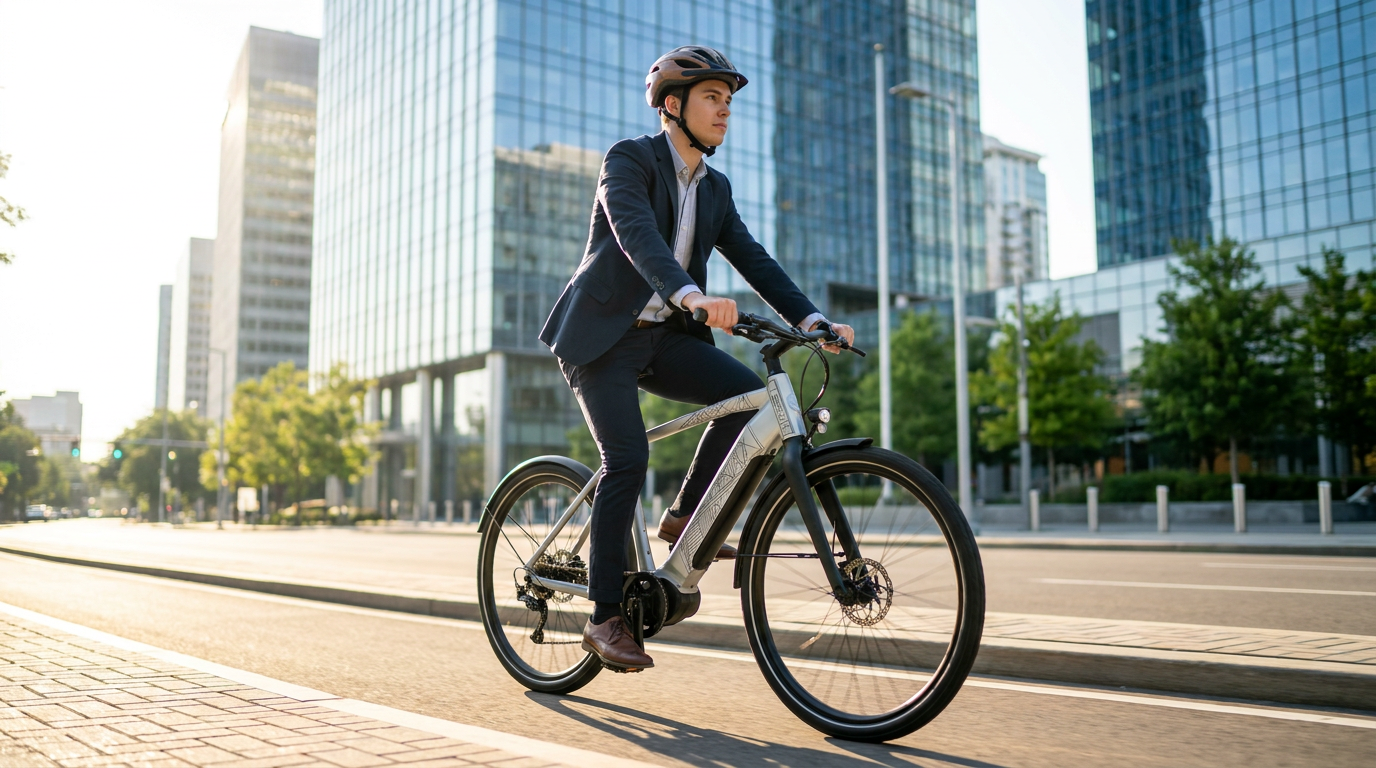
- Urban Commuters & Utility Riders
- Prioritize speed, cargo capacity, and replacing car trips entirely, favoring Class 3 bikes for keeping up with traffic.
- Recreational & Performance Cyclists
- Focus on fitness and the natural feel of the ride, strongly preferring Class 1 mid-drive e-bikes with torque sensors.
- Safety & Regulatory Advocates
- Emphasize the critical need for UL-certified batteries to prevent fires and advocate for strict adherence to trail access rules.
What's not represented
- · Traditional mountain bikers concerned about trail erosion
- · Pedestrians navigating shared multi-use paths
Why this matters
As e-bikes replace cars for daily commutes and errands, choosing the wrong class or motor can lead to legal fines, restricted trail access, or a bike that cannot handle your local hills. Furthermore, understanding battery safety certifications is now a critical step to prevent catastrophic home fires.
Key points
- E-bikes are categorized into three classes based on top speed and the presence of a throttle.
- Hub motors are affordable and low-maintenance, while mid-drive motors offer superior hill-climbing and a natural ride feel.
- Torque sensors amplify the rider's physical effort, whereas cadence sensors act more like an on/off switch for power.
- Battery safety certifications, such as UL 2849, are now considered essential to prevent electrical fires.
The e-bike boom has fundamentally transformed modern transportation. What were once clunky, niche novelties have matured into sophisticated, highly specialized machines that are reshaping urban transit and outdoor recreation. However, as the technology has advanced, the buying process has become increasingly complex. Consumers are no longer just buying a bicycle; they are purchasing an electric vehicle, which requires navigating a maze of electrical specifications, motor architectures, and legal classifications.[8]
The foundation of any e-bike purchase in the United States and many other regions is the three-tier classification system. Developed to standardize regulations across state lines, this framework dictates where a bike can be ridden, how fast it can go, and whether it requires pedaling to move. Understanding these classes is not just a matter of preference; it is a legal necessity that impacts trail access, insurance requirements, and overall safety.[2]
Class 1 e-bikes are the most widely accepted and mimic the traditional cycling experience most closely. These models are strictly pedal-assist, meaning the electric motor only engages when the rider is actively turning the pedals. The assistance legally cuts off once the bicycle reaches 20 miles per hour. Because they lack a throttle and have a moderate top speed, Class 1 bikes are generally permitted on any bike path, multi-use trail, or road where standard bicycles are allowed.[1][2]
Class 2 e-bikes introduce a throttle into the equation. Like Class 1, the motor assistance is capped at 20 miles per hour, but the rider can propel the bike entirely via a thumb or twist throttle without turning the pedals at all. This feature makes Class 2 models highly accessible for riders with mobility issues, those carrying heavy cargo, or commuters who want to avoid arriving at their destination sweating. However, the presence of a throttle means these bikes are sometimes restricted from natural surface trails designed for mountain biking.[1][2]

For those prioritizing speed and efficiency over long distances, Class 3 e-bikes are the commuter's vehicle of choice. These machines are pedal-assist only—lacking a throttle—but the motor continues to provide power up to 28 miles per hour. Because of their higher speeds, Class 3 bikes face the strictest regulations; they are typically confined to road bike lanes and are frequently banned from multi-use pedestrian paths.[1][2]
Beyond legal classifications, the most consequential engineering choice a buyer must make is the type of motor. The market is currently divided into two dominant architectures: hub-drive motors and mid-drive motors. The location and design of the motor fundamentally alter the bicycle's handling, climbing capability, and maintenance requirements.[3]
Hub-drive motors are the older, more common, and generally more affordable technology. Housed entirely within the center of the front or rear wheel, these motors apply power directly to the axle. Because they operate independently of the bicycle's chain and gears, hub motors are mechanically simple and isolate drivetrain wear. Riders often describe the sensation of a hub motor as feeling like they are being pushed or pulled along the road.[3][4]
Hub-drive motors are the older, more common, and generally more affordable technology.
While hub motors excel on flat city streets and offer excellent value, they have distinct limitations. Because they cannot leverage the bicycle's mechanical gear ratios, they often struggle on steep, sustained inclines, especially when carrying heavy loads. Additionally, most hub motors rely on basic cadence sensors, which act like an on/off switch based on whether the pedals are turning, resulting in a less refined power delivery.[3][4]
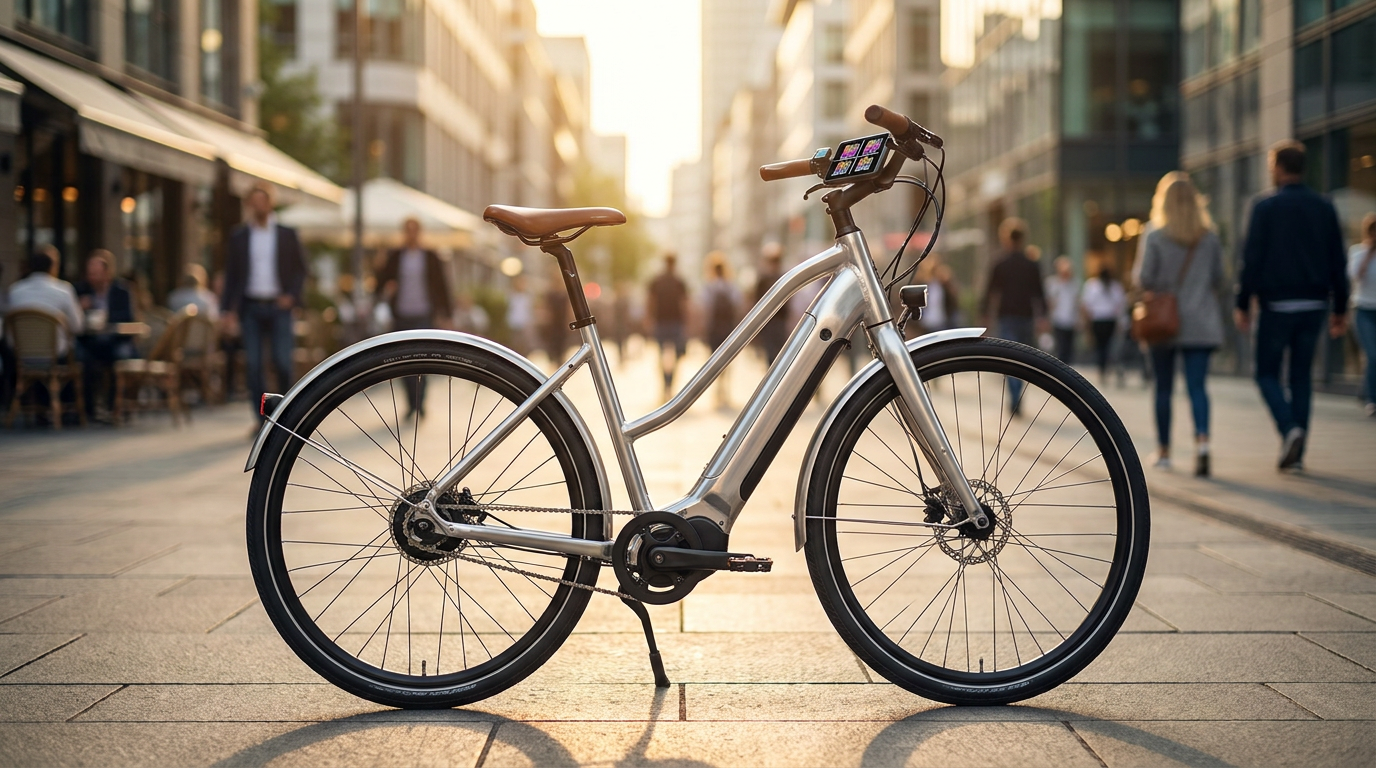
Mid-drive motors represent the premium tier of e-bike propulsion. Positioned directly at the bicycle's bottom bracket—between the pedals—these motors transfer power through the bike's chain and cassette. This allows the electric motor to take advantage of the bicycle's gears, making mid-drives exceptionally efficient at climbing steep hills and navigating challenging off-road terrain.[3][4]

The defining characteristic of a mid-drive system is its natural ride feel. These motors almost universally utilize torque sensors, which measure exactly how much physical force the rider is applying to the pedals and amplify it proportionally. The harder the rider pushes, the more power the motor delivers. This creates a seamless, intuitive experience that feels like having superhuman leg strength. The trade-off is a higher purchase price and increased wear and tear on the bicycle's chain and gears.[3][4]
Powering these motors is the battery, the single most expensive component of an e-bike. While manufacturers often advertise maximum ranges, real-world performance is dictated by the battery's capacity, measured in watt-hours. A higher watt-hour rating translates directly to a larger energy reserve. However, actual range fluctuates wildly based on rider weight, terrain, wind resistance, and which level of motor assistance is selected.[8]
In 2026, battery safety has superseded performance as the most critical purchasing consideration. Following a rise in thermal events associated with cheap, uncertified lithium-ion packs, regulatory bodies and consumer advocates are urging buyers to look for strict safety certifications. Standards such as UL 2849 and EN 15194 ensure that the entire electrical system—battery, motor, and charger—has been rigorously tested against fire and electrical hazards.[7]

The market offers a vast array of specialized models to suit different needs. For urban commuters, experts frequently highlight models like the Specialized Turbo Vado or the Aventon Level series, which come fully equipped with integrated lights, fenders, and cargo racks. These bikes prioritize upright comfort and puncture-resistant tires for daily reliability.[5][6]
For recreational riders and those looking to replace a car, cargo and cruiser models from brands like Gazelle and Raleigh offer plush seating and massive hauling capacities. Consumer Reports testing consistently emphasizes that the best e-bikes are those that still feel and handle like capable bicycles even when the electric assist is turned off.[5][6]
Ultimately, buying an e-bike is an investment in a new mode of transportation. By honestly assessing their local terrain, understanding the legal constraints of the three-class system, and prioritizing certified electrical components, consumers can find a machine that seamlessly integrates into their daily lives, offering a joyful and efficient alternative to driving.[7][8]
How we got here
1990s
Early commercial e-bikes use heavy lead-acid batteries and bulky hub motors.
2014
Bosch introduces refined mid-drive motors, revolutionizing the natural ride feel.
2015
The US bicycle industry standardizes the three-class system to clarify regulations.
2020
The pandemic sparks a massive global boom in e-bike adoption for recreation and commuting.
2024
New York and other regions mandate UL 2849 safety certifications following a rise in battery fires.
Viewpoints in depth
Urban Commuters' View
Commuters view the e-bike primarily as a car replacement, prioritizing speed and utility.
For the urban commuter, the e-bike is a utilitarian tool designed to bypass traffic and eliminate parking costs. This camp heavily favors Class 3 e-bikes, as the 28 mph top speed allows riders to safely keep pace with city traffic. They prioritize integrated accessories—such as built-in lighting, sturdy cargo racks, and full-coverage fenders—over off-road handling or lightweight frames. For these riders, the e-bike must be as reliable as a car, making battery range and puncture-resistant tires their top technical concerns.
Recreational Cyclists' View
Cycling enthusiasts value the physical engagement of riding and prefer motors that feel natural.
Recreational and performance cyclists approach e-bikes as an extension of traditional cycling rather than a motorized vehicle. They generally avoid throttles entirely, preferring Class 1 models equipped with sophisticated mid-drive motors and torque sensors. This setup ensures that the motor only amplifies the effort the rider puts in, preserving the cardiovascular workout and the natural handling of the bicycle. For this group, the ideal e-bike makes them feel like they are having an exceptionally strong day on the pedals, rather than feeling like they are being pushed by a machine.
Safety Advocates' View
Regulators and safety experts are focused on mitigating the risks of battery fires and trail conflicts.
As e-bike adoption has skyrocketed, safety advocates have shifted their focus to the hazards posed by unregulated electrical components. Following a series of high-profile fires caused by cheap, uncertified lithium-ion batteries, this camp insists that consumers only purchase bikes with UL 2849 or EN 15194 certifications. Additionally, they advocate for strict adherence to the three-class system to ensure that high-speed, heavy e-bikes are kept off pedestrian-heavy multi-use paths, aiming to reduce conflicts between motorized riders and traditional trail users.
What we don't know
- Whether all 50 US states will eventually adopt the exact same three-class regulatory framework.
- How long standard lithium-ion e-bike batteries will last before requiring expensive replacements as the fleet ages.
- If solid-state battery technology will become affordable enough to replace current lithium-ion packs in consumer e-bikes.
Key terms
- Pedal-assist
- A mode where the electric motor only provides power while the rider is actively turning the pedals.
- Throttle
- A mechanism, usually on the handlebar, that allows the rider to engage the motor and propel the bike without pedaling.
- Hub Motor
- An electric motor housed entirely within the center of the bicycle's front or rear wheel.
- Mid-Drive Motor
- An electric motor positioned at the bicycle's pedals that transfers power through the chain and gears.
- Watt-hours (Wh)
- A measurement of battery capacity that indicates how much energy the battery can store, directly impacting the bike's range.
- UL 2849
- A rigorous safety standard and certification for e-bike electrical systems to prevent fire and shock hazards.
Frequently asked
Do I need a driver's license or insurance to ride an e-bike?
In most US states, e-bikes that fall within the standard three-class system do not require a license, registration, or mandatory insurance, though local laws vary.
What is the difference between a torque sensor and a cadence sensor?
A cadence sensor measures if you are pedaling and delivers a flat amount of power, while a torque sensor measures how hard you are pedaling and amplifies your specific effort for a more natural feel.
Can I ride my e-bike in the rain?
Yes, high-quality e-bikes are built with water-resistant components designed to handle rain and puddles, though they should never be fully submerged in water or pressure-washed.
How far can an e-bike go on a single charge?
Range varies wildly based on battery size, terrain, and assist level, but most modern commuter e-bikes offer a realistic range of 30 to 60 miles per charge.
Sources
Source coverage
8 outlets
3 viewpoints surfaced








[1]AventonRecreational & Performance Cyclists
Understanding Ebike Classes: 1, 2, and 3 Explained
Read on Aventon →[2]Sundays InsuranceSafety & Regulatory Advocates
The Three-Class System at a Glance
Read on Sundays Insurance →[3]GyroorRecreational & Performance Cyclists
Introduction to E-Bike Motor Technology
Read on Gyroor →[4]Polygon BikesRecreational & Performance Cyclists
Selecting the Right Electric Bike Motor
Read on Polygon Bikes →[5]BicyclingUrban Commuters & Utility Riders
The 7 Best Expert-Tested Electric Bikes of 2026
Read on Bicycling →[6]BGRUrban Commuters & Utility Riders
5 Of The Best E-Bikes You Can Buy, According To Consumer Reports
Read on BGR →[7]Bicycle ColoradoSafety & Regulatory Advocates
E-Bike Buying Guide and Safety Standards
Read on Bicycle Colorado →[8]Factlen Editorial TeamUrban Commuters & Utility Riders
Synthesis by Factlen editorial team
Read on Factlen Editorial Team →

Every angle. Every day.
Get shopping stories with full source coverage and perspective breakdowns delivered to your inbox.