
US and Iran Sign 14-Point Agreement to Halt Conflict and Reopen Strait of Hormuz
The United States and Iran have electronically signed a Memorandum of Understanding to end a 110-day conflict, triggering a 60-day window to negotiate a final nuclear treaty.
By Factlen Editorial Team

- The Trump Administration
- Argues the interim deal is a major victory that averts a global economic depression and forces Iranian nuclear concessions.
- Republican Critics
- Views the agreement as a disastrous capitulation that rewards Iranian aggression and prematurely lifts economic pressure.
- Iranian Leadership
- Frames the cessation of hostilities and the lifting of the naval blockade as a strategic victory over U.S. pressure.
- Global Markets & Mediators
- Focuses on the immediate relief the deal brings to global shipping, energy markets, and regional stability.
What's not represented
- · Israeli Government
- · European Union Mediators
- · Global Shipping Companies
Why this matters
The reopening of the Strait of Hormuz immediately stabilizes global oil prices and averts a broader economic crisis. However, the fragile 60-day window to negotiate a final nuclear treaty means the threat of a renewed, devastating regional war still looms if talks collapse.
Key points
- The U.S. and Iran electronically signed a 14-point MoU to halt their 110-day conflict.
- The agreement explicitly includes a cessation of military operations in Lebanon.
- The Strait of Hormuz will reopen for toll-free commercial passage for 60 days.
- Iran agreed to destroy its 440kg stockpile of highly enriched uranium via down-blending.
- The signing triggers a 60-day window to negotiate a final, comprehensive nuclear treaty.
- Hardline Republicans strongly criticized the deal for offering premature economic relief to Tehran.
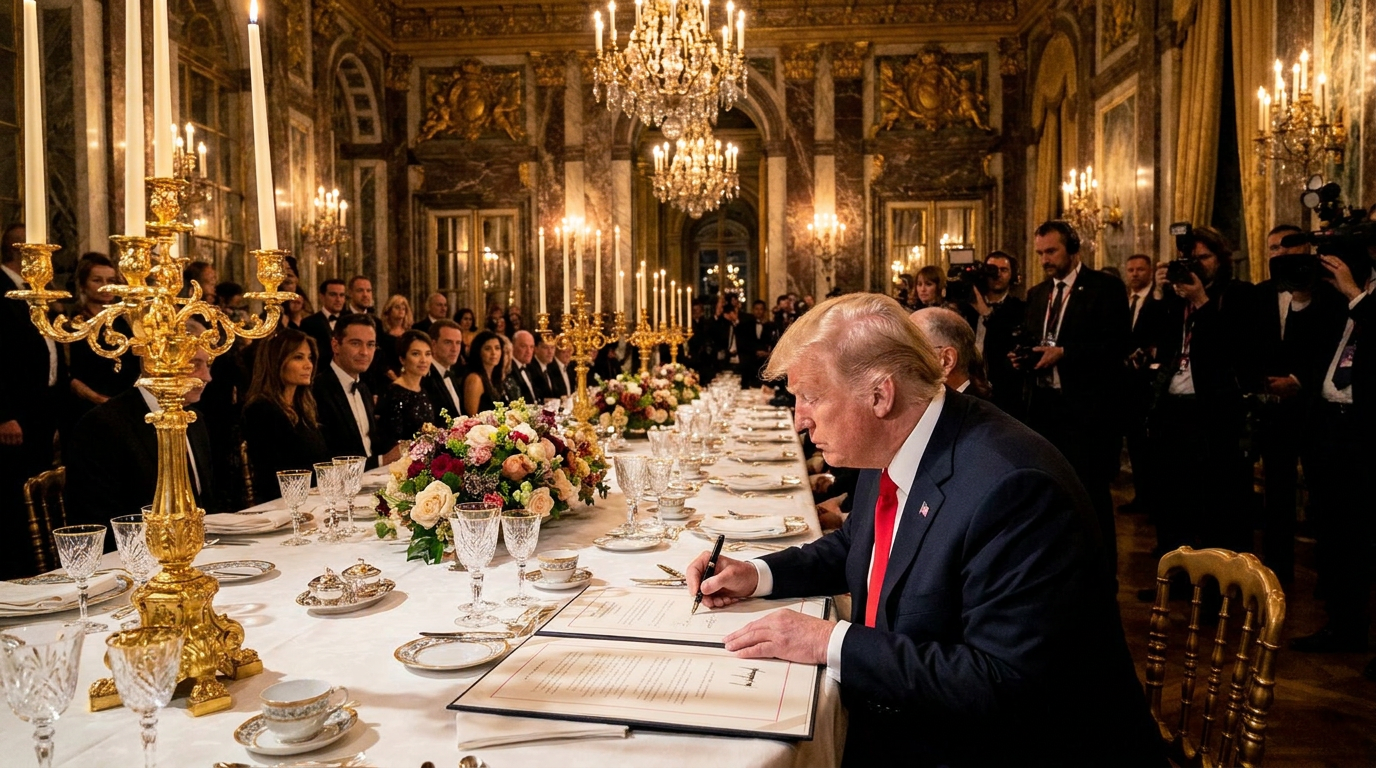
The United States and Iran have electronically signed a 14-point Memorandum of Understanding (MoU), officially pausing a 110-day conflict that has battered global energy markets and shuttered the Strait of Hormuz. The breakthrough agreement marks the most significant diplomatic step yet toward ending a war that threatened to drag the broader Middle East into a devastating regional conflagration. Read aloud to reporters by senior U.S. officials, the preliminary pact mandates an "immediate and permanent termination of military operations on all fronts." This electronic signature serves as a binding pause, setting the stage for high-stakes, in-person diplomacy in the coming days.[1][3][6]
Crucially, this sweeping ceasefire explicitly includes Lebanon, effectively requiring Tehran to rein in Hezbollah forces that have been engaged in intense cross-border skirmishes. U.S. officials emphasized that while the MoU demands an end to offensive operations, Israel retains the inherent right to respond militarily if it is attacked by proxy forces. The inclusion of Lebanon was a major sticking point during the mediated talks, reflecting the administration's desire to comprehensively cool regional flashpoints rather than merely pausing direct U.S.-Iran naval engagements.[3][6]
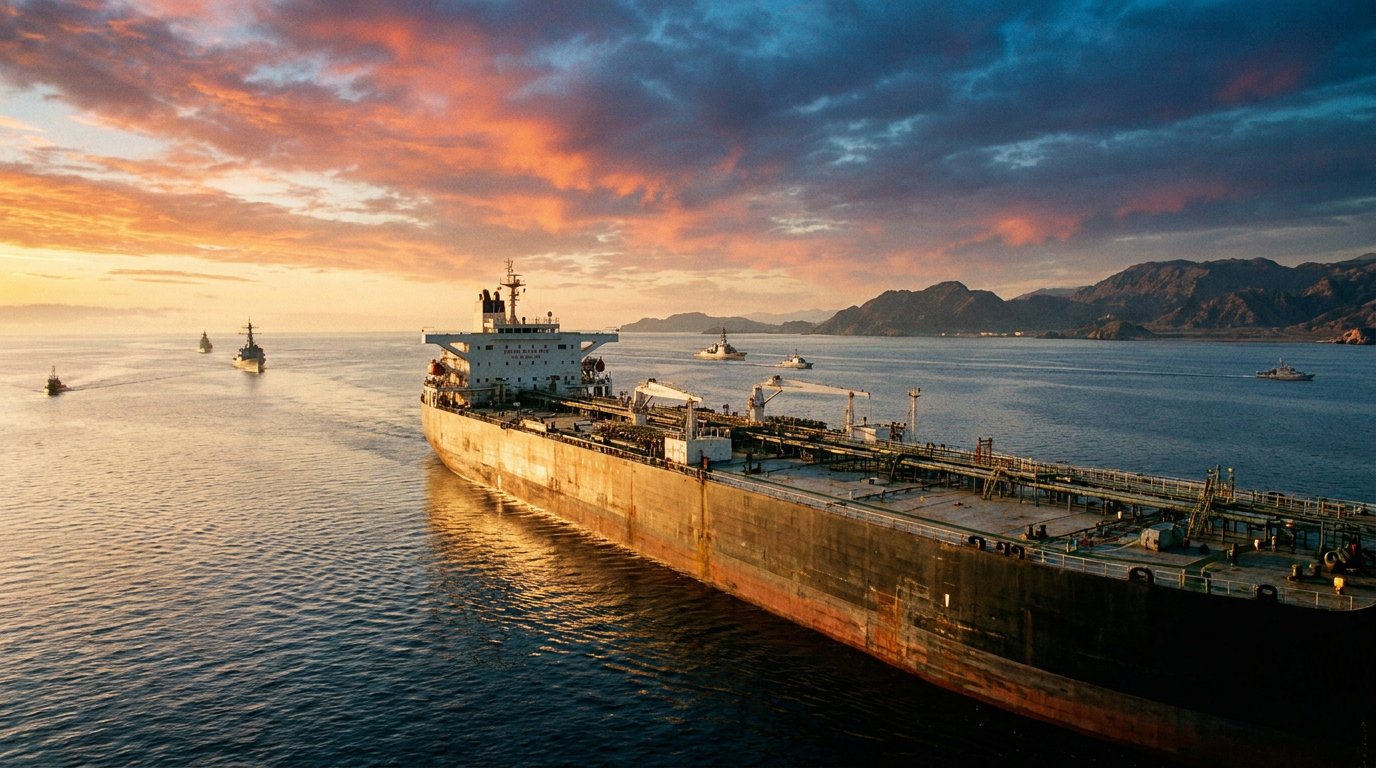
In exchange for the immediate halt in hostilities, the United States has agreed to lift its naval blockade and grant immediate waivers for Iranian crude oil exports. The Strait of Hormuz, a highly strategic choke point for nearly one-fifth of the world's oil and natural gas supply, is slated to reopen for toll-free commercial passage for the next 60 days. This provision was designed to immediately stabilize global markets, which have seen severe volatility and supply chain disruptions since the waterway was rendered impassable by the conflict.[3][4][6]

On the nuclear front, the MoU requires Iran to destroy its 440-kilogram stockpile of highly enriched uranium by "down-blending" it on Iranian soil. This process, which dilutes the weapons-grade material, will occur under the strict supervision of the International Atomic Energy Agency. However, the text leaves the door open for future discussions regarding Iran's civilian enrichment needs, a concession that has already sparked intense debate among non-proliferation experts who argue it leaves Tehran's nuclear infrastructure largely intact.[2][3][6]
The electronic signing of the MoU triggers a critical 60-day window for both nations to negotiate a final, comprehensive treaty. During this period, diplomats will attempt to tie broader, permanent sanctions relief and the unfreezing of billions of dollars in Iranian assets to strict, verifiable nuclear compliance. If successful, the final agreement will be submitted for the endorsement of a binding UN Security Council resolution, cementing the terms into international law and providing a framework for long-term regional stability.[4][6]
The electronic signing of the MoU triggers a critical 60-day window for both nations to negotiate a final, comprehensive treaty.
President Donald Trump framed the interim agreement as a masterstroke of coercive diplomacy, claiming that no administration has been tougher on Tehran. He argued that the immediate reopening of the Strait of Hormuz was absolutely necessary to prevent a "worldwide depression," noting that the global market "loves" the resolution. Trump maintained that the U.S. successfully leveraged its military and economic might to force Iran to the negotiating table, averting a catastrophic, prolonged war while securing vital concessions on uranium enrichment.[2][4]

But the administration's concessions have sparked a fierce and immediate backlash from hardline Republicans, who view the MoU as a disastrous capitulation. Senator Bill Cassidy of Louisiana called the agreement "the worst foreign policy blunder in decades," arguing that it rewards Iranian aggression while failing to permanently dismantle the regime's nuclear and ballistic missile programs. "Reagan is rolling over in his grave," Cassidy stated, pointing out that the deal allows Iran to access frozen funds and rebuild its infrastructure without abandoning its regional ambitions.[2][5]
Critics within the GOP argue that Tehran has effectively learned that threatening global shipping choke points is a highly viable strategy to extract massive economic concessions from the West. By unfreezing assets and lifting the naval blockade before a final nuclear treaty is signed, detractors claim the U.S. has surrendered its primary leverage. They warn that Iran will use the 60-day window to export oil and stabilize its domestic economy, leaving Washington with fewer tools to enforce compliance if the upcoming negotiations ultimately collapse.[5]
In Tehran, officials and allied factions are projecting strength and claiming vindication on the world stage. Iranian chief negotiator Mohammad Bagher Ghalibaf dismissed the agreement as a "record of US failure," while Hezbollah leadership publicly hailed the cessation of hostilities as a strategic victory. For the Iranian government, the immediate resumption of crude oil exports and the lifting of the U.S. naval blockade represent a successful resistance against Western pressure, allowing the regime to claim a domestic political win.[2]

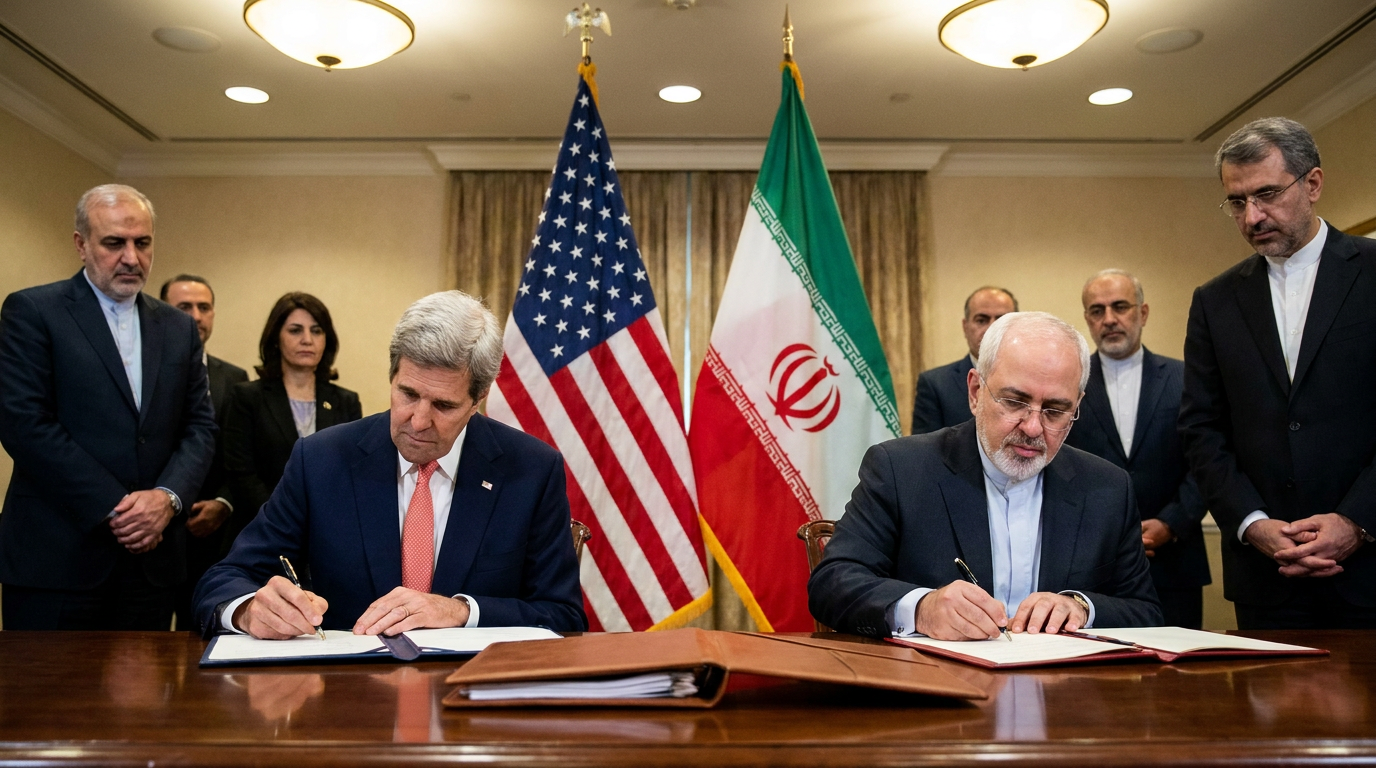
Despite the triumphant rhetoric, Iranian President Masoud Pezeshkian acknowledged the MoU as an "important step" toward de-escalation, even as he cautioned that a lasting peace framework remains elusive. Vice President JD Vance and Iranian officials are scheduled to meet in Switzerland to formally sign the physical document and begin the arduous process of hammering out a final deal. U.S. officials have warned that either side can walk away at any time—and if the talks collapse, Washington is prepared to dramatically escalate both economic and military pressure.[3][6][7]
How we got here
Feb 2026
Conflict escalates, leading to the closure of the Strait of Hormuz and a U.S. naval blockade.
June 14, 2026
The United States and Iran reach a preliminary agreement to settle the conflict.
June 17, 2026
Both nations electronically sign the 14-point Memorandum of Understanding.
Late June 2026
Formal signing ceremony scheduled in Switzerland, triggering a 60-day negotiation window.
Viewpoints in depth
The Trump Administration
Argues the interim deal is a major victory that averts a global economic depression and forces Iranian nuclear concessions.
The administration contends that coercive diplomacy successfully brought Tehran to the table without committing the U.S. to a prolonged, catastrophic regional war. By securing an agreement to down-blend Iran's highly enriched uranium and immediately reopening the Strait of Hormuz, officials argue they have stabilized global markets while keeping the ultimate leverage—permanent sanctions relief—tied to future compliance.
Republican Critics
Views the agreement as a disastrous capitulation that rewards Iranian aggression and prematurely lifts economic pressure.
Hardline conservatives, led by figures like Senator Bill Cassidy, argue the deal achieves less than the 2015 JCPOA while offering massive upfront financial concessions. They warn that by unfreezing assets and allowing Iran to retain its ballistic missile capabilities, the U.S. has taught Tehran that threatening global shipping choke points is an effective strategy for extracting concessions.
Iranian Leadership
Frames the cessation of hostilities and the lifting of the naval blockade as a strategic victory over U.S. pressure.
Iranian officials and allied factions are projecting strength, characterizing the MoU as a record of American failure. For Tehran, the immediate unfreezing of assets, the resumption of crude oil exports, and the preservation of domestic infrastructure represent a successful resistance against the U.S. naval blockade, even as they prepare for grueling negotiations over their nuclear program.
What we don't know
- Whether Iran will fully comply with the requirement to down-blend its 440kg stockpile of highly enriched uranium.
- How Israel will respond to the ceasefire terms, particularly regarding Hezbollah's presence in Lebanon.
- If the 60-day negotiation window will be sufficient to produce a binding, comprehensive nuclear treaty.
Key terms
- Memorandum of Understanding (MoU)
- A formal agreement between two or more parties that establishes a framework for cooperation, often serving as a preliminary step before a binding treaty.
- Down-blending
- The process of diluting highly enriched uranium with lower-enriched or natural uranium to make it unusable for nuclear weapons.
- Strait of Hormuz
- A highly strategic waterway between the Persian Gulf and the Gulf of Oman, through which nearly one-fifth of the world's oil supply passes.
- IAEA
- The International Atomic Energy Agency, the United Nations watchdog responsible for monitoring and verifying nuclear programs.
Frequently asked
Does this mean the US and Iran have a permanent peace treaty?
No. The MoU is an interim agreement that pauses hostilities and triggers a 60-day negotiation period for a final, comprehensive deal.
What happens to the Strait of Hormuz?
The agreement mandates the reopening of the Strait for toll-free commercial passage for 60 days, and the U.S. has lifted its naval blockade.
Will Iran keep its nuclear program?
Under the MoU, Iran agreed to destroy its current stockpile of highly enriched uranium by down-blending it, but the future of its broader nuclear program remains subject to the upcoming 60-day negotiations.
Why are some Republicans criticizing the deal?
Critics argue the deal rewards Iranian aggression, prematurely lifts sanctions, and allows Tehran to retain its ballistic missile capabilities without a permanent treaty in place.
Sources
Source coverage
7 outlets
4 viewpoints surfaced







[1]Al JazeeraIranian Leadership
Diplomat confirms that US and Iran have signed MoU electronically
Read on Al Jazeera →[2]The GuardianRepublican Critics
Top Republican decries Trump's Iran deal: 'Reagan is rolling over in his grave'
Read on The Guardian →[3]CBS NewsThe Trump Administration
Read the 14 points of the agreement between Iran and the U.S.
Read on CBS News →[4]Financial TimesThe Trump Administration
US and Iran electronically sign interim deal
Read on Financial Times →[5]The Washington TimesRepublican Critics
Bill Cassidy unloads on Trump's Iran deal: Reagan is 'rolling over in his grave'
Read on The Washington Times →[6]Council on Foreign RelationsGlobal Markets & Mediators
Trump's Iran Deal: What We Know, What's Contested, and What Remains Unresolved
Read on Council on Foreign Relations →[7]The Diplomatic InsightGlobal Markets & Mediators
US and Iran 'Electronically' Sign Preliminary Deal, Key Details Still Undisclosed
Read on The Diplomatic Insight →
Every angle. Every day.
Get news politics stories with full source coverage and perspective breakdowns delivered to your inbox.