
U.S. and Iran Sign 14-Point Ceasefire MoU as Republican Lawmakers Condemn Deal
The U.S. and Iran have electronically signed a 14-point memorandum of understanding to end their 110-day conflict and reopen the Strait of Hormuz, sparking fierce backlash from Senate Republicans who called the concessions a foreign policy blunder.
By Factlen Editorial Team
- Trump Administration
- Argues the deal is a pragmatic necessity that saves the global economy and curbs Iran's nuclear program.
- Republican Critics
- Views the agreement as a dangerous capitulation that rewards Iranian aggression with massive financial relief.
- Geopolitical Analysts
- Sees the MoU as a welcome but fragile pause in hostilities that leaves Iran's broader regional influence unchecked.
What's not represented
- · Israeli government officials
- · Commercial shipping companies
Why this matters
The 14-point agreement halts a 110-day conflict that disrupted global energy markets and cost thousands of lives, but the significant economic concessions granted to Tehran threaten to fracture Republican support for the Trump administration's foreign policy.
Key points
- The U.S. and Iran electronically signed a 14-point MoU to end their 110-day military conflict.
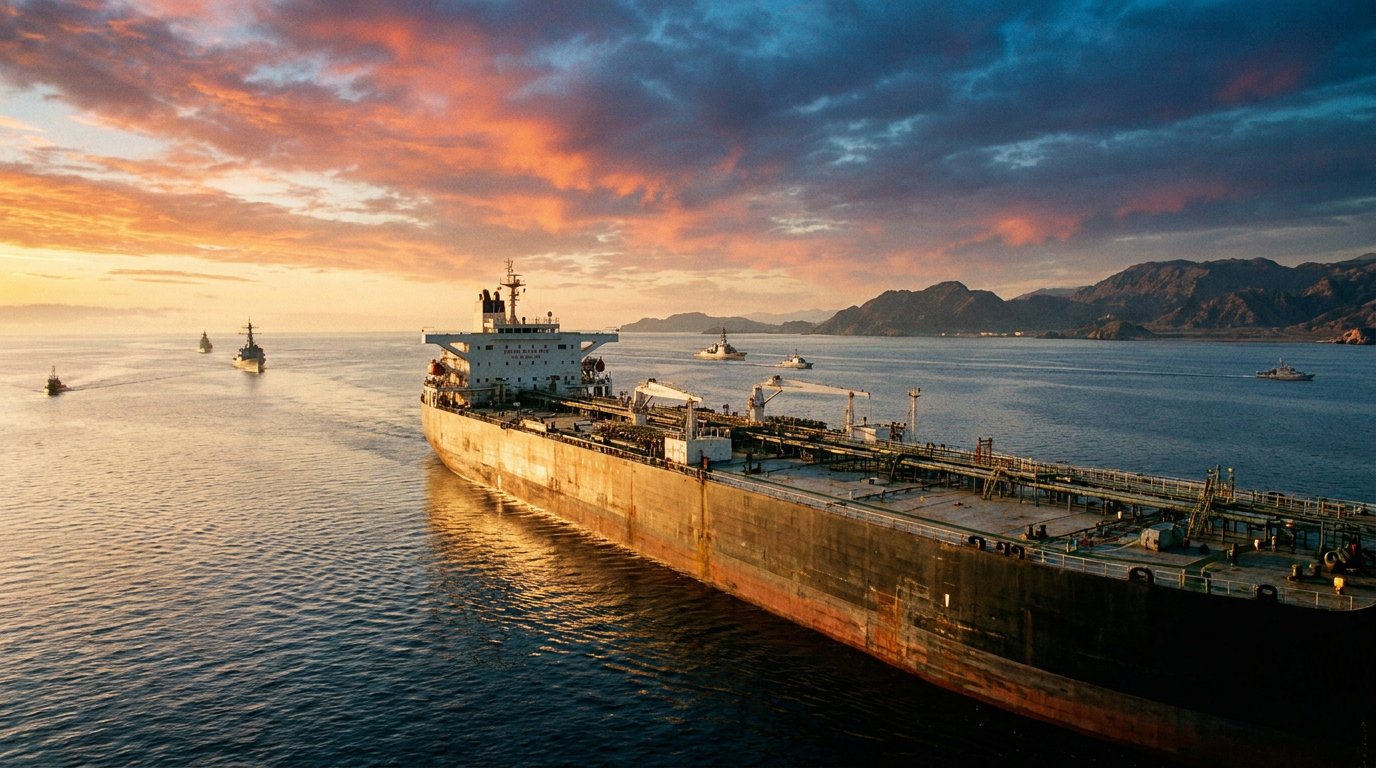
- The agreement implements a 60-day ceasefire and reopens the Strait of Hormuz to commercial shipping.
- Iran agreed to down-blend its 440kg stockpile of highly enriched uranium.
- The U.S. will issue oil export waivers, unfreeze assets, and help establish a $300 billion reconstruction fund.
- Senate Republicans fiercely criticized the deal, calling the financial concessions a major foreign policy blunder.
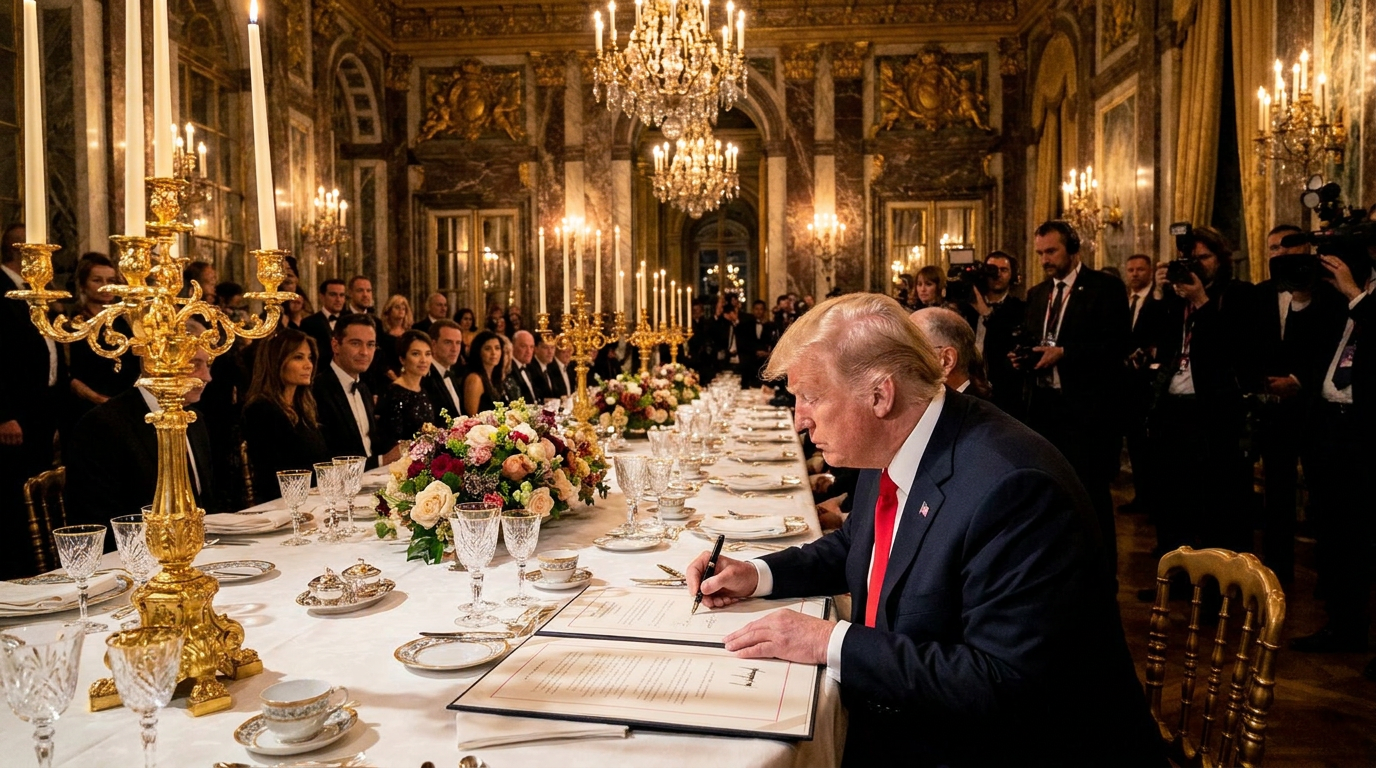
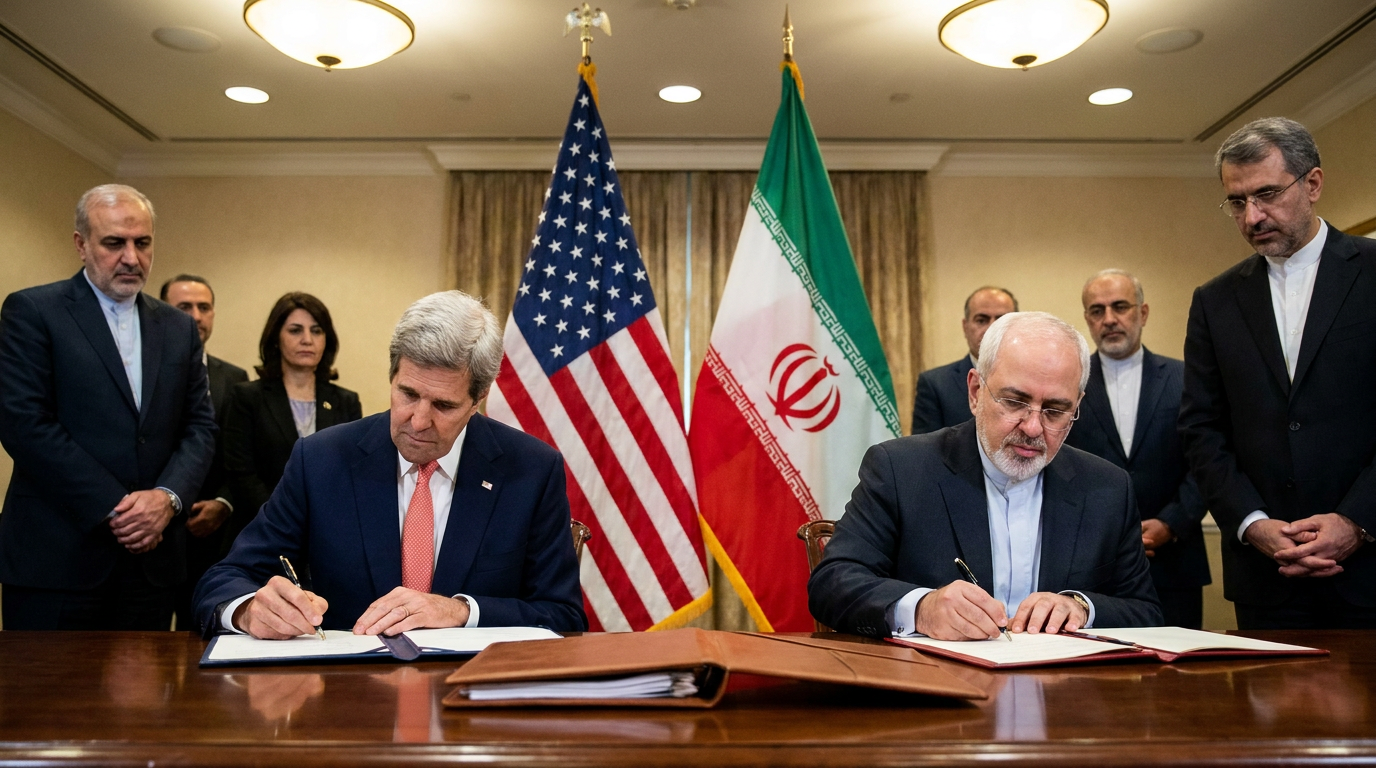
The United States and Iran have officially signed a 14-point memorandum of understanding (MoU), implementing a 60-day ceasefire and reopening the Strait of Hormuz after a devastating 110-day conflict. The agreement, signed electronically by President Donald Trump and Iranian President Masoud Pezeshkian, immediately halts military operations across all fronts, including Lebanon, and lifts the U.S. naval blockade on Iranian ports.[2][3]
Senior U.S. officials dictated the terms of the MoU on Wednesday, revealing a framework that trades significant economic relief for maritime security and nuclear concessions. Under the deal, Iran will allow toll-free passage through the Strait of Hormuz for 60 days and agrees to down-blend its 440-kilogram stockpile of highly enriched uranium under international supervision.[4][8]

In exchange for these security guarantees, the United States is offering sweeping financial incentives. The U.S. will issue immediate waivers for Iranian oil exports, unfreeze billions in foreign assets, and coordinate with regional partners to establish a $300 billion reconstruction and economic development fund for the Islamic Republic.[4][6]
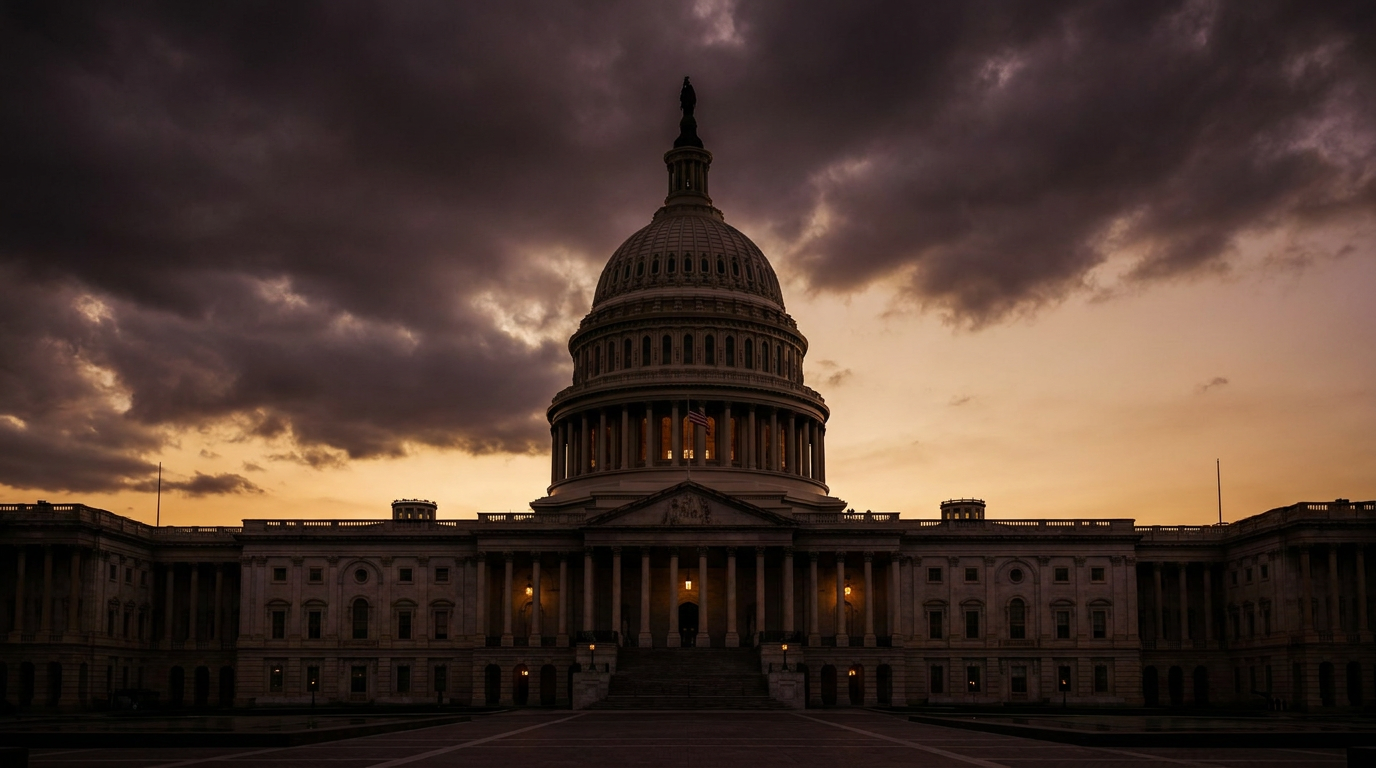
The scale of these concessions has ignited a firestorm among Senate Republicans, fracturing the party's foreign policy consensus. Senator Bill Cassidy (R-LA) issued a blistering condemnation, calling the agreement "the worst foreign policy blunder in decades" and declaring that former President Ronald Reagan is "rolling over in his grave."[1][5]
The scale of these concessions has ignited a firestorm among Senate Republicans, fracturing the party's foreign policy consensus.
Cassidy and other hawks argue that the deal rewards Tehran for threatening global shipping. Critics point out that the U.S. suffered the loss of 13 service members and endured severe economic pain at the gas pump during the 110-day conflict, only to grant Tehran a stronger financial and infrastructural position than it held before the war began.[1][5]

Other Republican lawmakers echoed those concerns, particularly regarding the massive financial incentives. Senator Thom Tillis (R-NC) questioned the rationale of the $300 billion reconstruction fund, stating that after the loss of American lives and billions spent, he needs to "understand that rationalization" before supporting the final framework. Even allies like Senator Lindsey Graham expressed skepticism, though he noted he was willing to "jumpstart the process" to reopen the strait.[3][5]
President Trump vigorously defended the pact during a press conference at the G7 summit in France, arguing that the agreement achieved all U.S. objectives and prevented a "worldwide depression." Trump emphasized that the financial relief involves returning Iran's own frozen funds, warning that failing to do so would undermine global investment in the U.S. dollar.[6]

The MoU serves as a preliminary roadmap, initiating a 60-day window for Washington and Tehran to negotiate a comprehensive, final settlement regarding Iran's nuclear program and regional posture. While the immediate threat of war has subsided and energy markets prepare for the resumption of Gulf shipping, U.S. officials acknowledge the fragility of the truce, noting that either side can walk away before a final deal is reached.[4][7][8]
How we got here
March 2026
The U.S.-Iran conflict begins, leading to the closure of the Strait of Hormuz and a U.S. naval blockade.
April 8, 2026
An initial temporary ceasefire is established between the two nations.
June 16, 2026
President Trump announces a preliminary agreement has been reached to reopen the strait.
June 17, 2026
U.S. officials dictate the 14-point MoU to the press, and the document is signed electronically.
Viewpoints in depth
Trump Administration's View
The deal is a necessary economic victory that reopens vital shipping lanes.
Administration officials and President Trump argue that the MoU successfully achieves the primary U.S. objective: reopening the Strait of Hormuz to prevent a global economic depression. They emphasize that the financial relief largely consists of Iran's own frozen assets and that the agreement forces Tehran to down-blend its highly enriched uranium, effectively pausing its nuclear weapons program while a permanent deal is negotiated.
Republican Critics
The agreement rewards Iranian aggression with unacceptable financial concessions.
Hawkish lawmakers, led by Senator Bill Cassidy, view the MoU as a capitulation. They argue that lifting sanctions and facilitating a $300 billion reconstruction fund validates Iran's strategy of closing the Strait of Hormuz. Critics point out that the U.S. suffered military casualties and economic pain during the 110-day conflict, only to grant Tehran a stronger financial and infrastructural position than it held before the war began.
Foreign Policy Analysts
The MoU is a fragile truce that delays, rather than resolves, the core disputes.
Think tanks and international observers note that while the immediate cessation of hostilities is a relief for global energy markets, the MoU leaves major structural issues unresolved. Analysts point out that Iran's ballistic missile program and its support for regional proxy groups were largely omitted from the preliminary text, meaning the underlying geopolitical tensions in the Middle East remain intact.
What we don't know
- Whether the U.S. and Iran can successfully negotiate a permanent nuclear settlement within the 60-day window.
- How Israel will respond to the agreement, particularly regarding the ceasefire provisions involving Lebanon and Hezbollah.
- Whether the Gulf states will actually commit to funding the proposed $300 billion reconstruction plan for Iran.
Key terms
- Memorandum of Understanding (MoU)
- A formal agreement between two or more parties that outlines the terms and details of a mutual understanding, often serving as a framework for a future binding contract.
- Strait of Hormuz
- A critical maritime chokepoint between the Persian Gulf and the Gulf of Oman, through which roughly one-fifth of the world's oil consumption passes.
- Down-blending
- The process of mixing highly enriched uranium with natural or depleted uranium to reduce its concentration, making it unusable for nuclear weapons.
- Sanctions Waiver
- A temporary exemption granted by a government that allows certain prohibited transactions, such as oil exports, to occur without penalty.
Frequently asked
Is the war between the U.S. and Iran officially over?
The MoU establishes an immediate and permanent termination of military operations, but it is a preliminary agreement. A final, binding peace deal must still be negotiated over the next 60 days.
Will Iran get a nuclear weapon?
Under the MoU, Iran reaffirms it will not procure or develop nuclear weapons and agrees to down-blend its current stockpile of highly enriched uranium.
Who is paying for the $300 billion reconstruction fund?
The U.S. has agreed to work with regional partners to develop the fund. President Trump indicated that Gulf states, rather than U.S. taxpayers, would provide the capital.
Sources
Source coverage
8 outlets
3 viewpoints surfaced








[1]The GuardianRepublican Critics
Top Republican decries Trump's Iran deal: 'Reagan is rolling over in his grave'
Read on The Guardian →[2]Al Jazeera
Diplomat confirms that US and Iran have signed MoU electronically
Read on Al Jazeera →[3]CBS NewsTrump Administration
U.S., Iran remotely sign memorandum of understanding, White House official says
Read on CBS News →[4]PBS
Read the 14-point U.S.-Iran memorandum of understanding
Read on PBS →[5]Washington TimesRepublican Critics
Bill Cassidy unloads on Trump's Iran deal: Reagan is 'rolling over in his grave'
Read on Washington Times →[6]Financial TimesTrump Administration
Trump defends Iran deal as Republicans voice anger
Read on Financial Times →[7]Council on Foreign RelationsGeopolitical Analysts
Trump's Iran Deal Reopens the Strait. Much Remains to Be Done.
Read on Council on Foreign Relations →[8]Center for Strategic and International StudiesGeopolitical Analysts
What to Know About the U.S.-Iran Ceasefire Agreement
Read on Center for Strategic and International Studies →
Every angle. Every day.
Get news politics stories with full source coverage and perspective breakdowns delivered to your inbox.