
U.S. and Iran Unveil Sweeping Memorandum of Understanding on Nuclear and Economic Framework
The Trump administration has released the full text of a proposed U.S.-Iran agreement, outlining immediate oil export waivers, a $300 billion development framework, and a 60-day timeline for nuclear talks.
By Factlen Editorial Team
- U.S. Administration
- Argues the framework leverages maximum pressure into a historic deal that succeeds where previous agreements failed.
- Regional Security Skeptics
- Warns that providing immediate economic relief before dismantling Iran's proxy networks endangers Middle Eastern stability.
- Global Market Analysts
- Focuses on the macroeconomic impact of Iranian oil re-entering the market and the resulting drop in global energy prices.
- European Diplomats
- Welcomes the de-escalation of tensions but remains highly skeptical that complex nuclear terms can be finalized in 60 days.
What's not represented
- · Iranian domestic opposition groups
- · OPEC+ leadership
Why this matters
This proposed agreement represents a seismic shift in Middle Eastern geopolitics and global energy markets, potentially ending years of maximum pressure campaigns while reshaping U.S. alliances in the region.
Key points
- The U.S. and Iran have agreed to a sweeping Memorandum of Understanding.
- The deal includes immediate waivers for Iranian oil exports.
- A $300 billion development framework is proposed to stabilize Iran's economy.
- Both nations commit to a 60-day timeline to negotiate comprehensive nuclear restrictions.
- President Trump stated the new framework succeeds where the Obama-era JCPOA failed.
- Regional allies, including Israel, have expressed deep skepticism over the immediate economic relief.
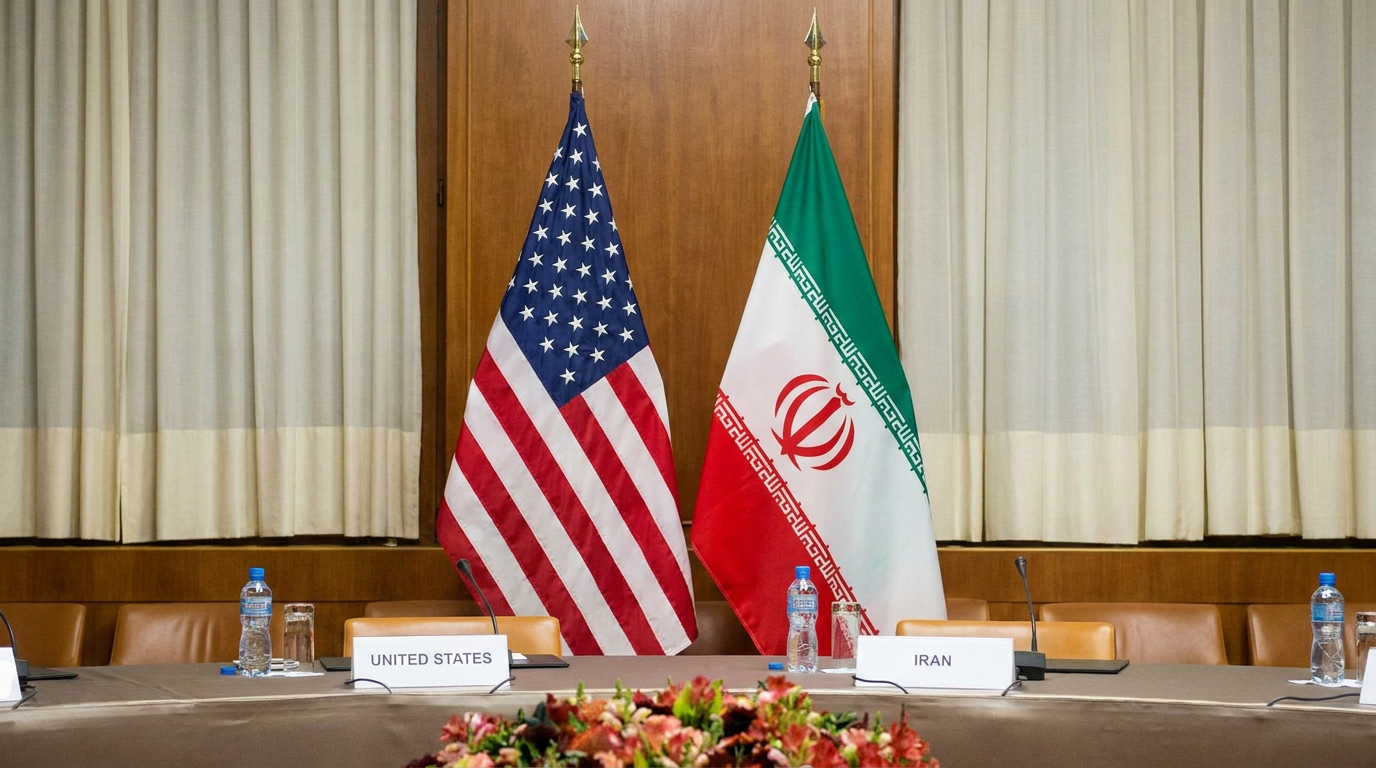
The Trump administration has officially unveiled the text of a sweeping Memorandum of Understanding (MOU) between the United States and the Islamic Republic of Iran, marking a historic and unexpected diplomatic pivot. The document, released to reporters by senior administration officials, outlines a framework intended to de-escalate regional tensions, resume nuclear negotiations, and lift crippling economic sanctions. The release of the full text provides the first concrete look at a deal that has been the subject of intense speculation and back-channel negotiations for months.[1][2][3]
At the core of the proposed agreement is a two-pronged approach: immediate economic relief in exchange for a commitment to a strict 60-day timeline for comprehensive nuclear talks. According to the released text, the U.S. will grant immediate oil export waivers, allowing Tehran to re-enter global energy markets without facing secondary sanctions. In tandem, the framework proposes a staggering $300 billion development initiative aimed at stabilizing the Iranian economy, contingent upon verifiable progress in the upcoming nuclear discussions.[1][2][8]

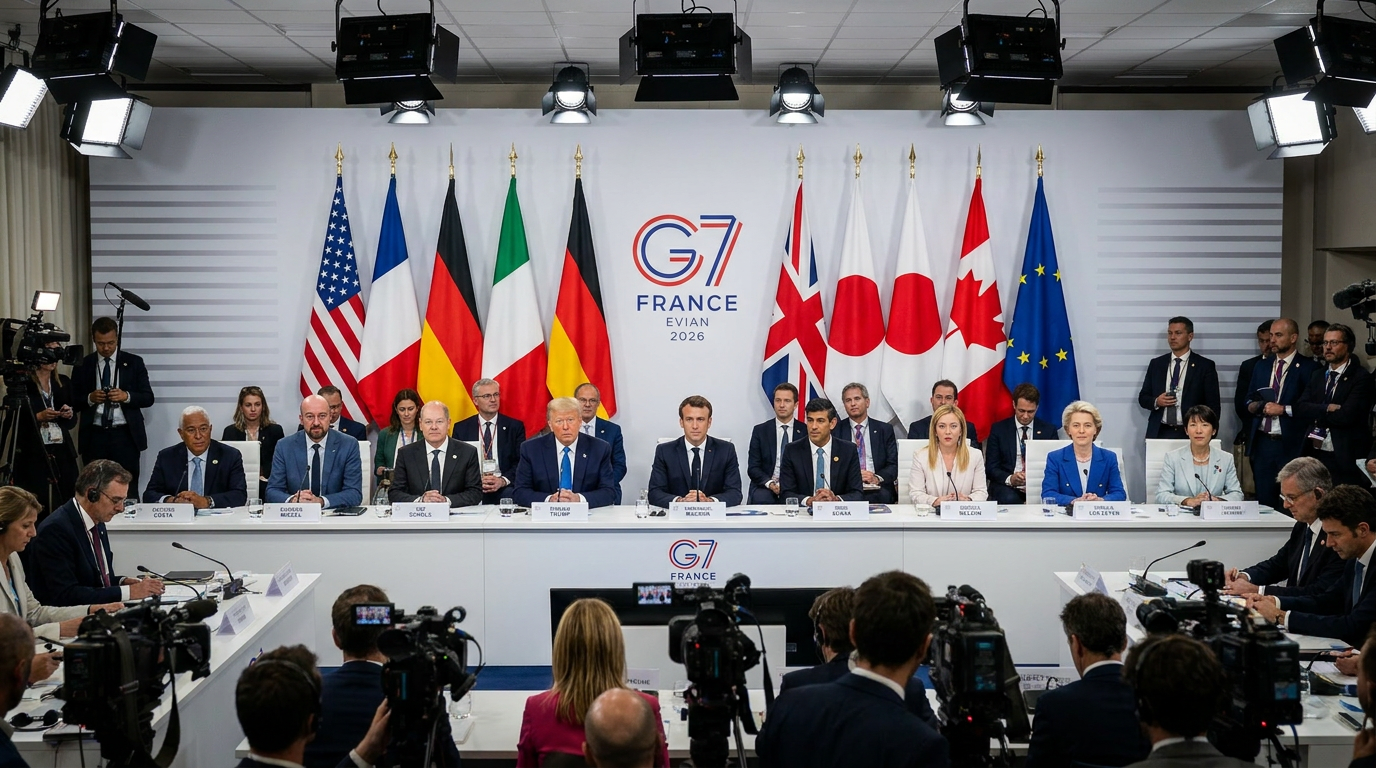
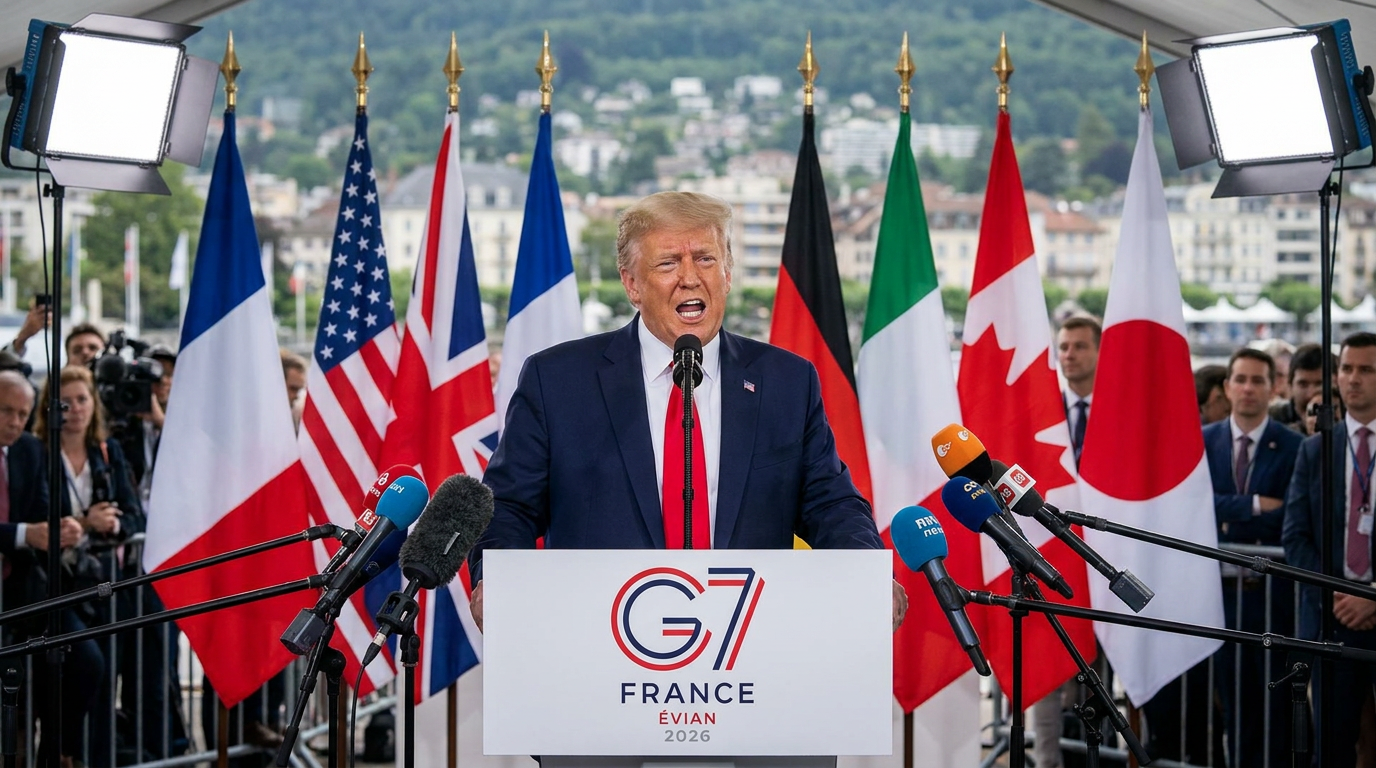
President Trump addressed the MOU during a press conference at the G7 summit, framing the agreement as a definitive resolution to a decades-long conflict. He contrasted his administration's approach with the Obama-era Joint Comprehensive Plan of Action (JCPOA), which he previously withdrew the U.S. from, stating that his new framework "finished the job" where previous efforts failed. The administration argues that the combination of maximum economic pressure followed by this massive development incentive has forced Tehran to the negotiating table on far more favorable terms for Washington.[4]
The announcement has already generated significant friction with traditional U.S. allies in the region. During his remarks, Trump explicitly recalled Israeli Prime Minister Benjamin Netanyahu's historical opposition to the Obama-era deal, signaling that the current administration is prepared to push forward despite anticipated resistance from Jerusalem. Regional security analysts note that Israel and several Gulf states remain deeply concerned about any agreement that provides Iran with an immediate influx of capital before its ballistic missile program and regional proxy networks are fully dismantled.[4][5]
The announcement has already generated significant friction with traditional U.S.
Global markets reacted swiftly to the prospect of Iranian crude returning to the international supply chain. Energy analysts noted a sharp recalibration in Brent crude futures as traders priced in the immediate oil export waivers outlined in the MOU. The influx of Iranian oil is expected to lower global energy costs in the near term, though OPEC+ producers may face pressure to adjust their own output quotas in response to the sudden increase in global supply.[6]

European allies, who spent years attempting to salvage the original JCPOA after the U.S. withdrawal, have offered a cautious welcome to the new diplomatic channel. While European diplomats expressed relief at the de-escalation of military threats and the resumption of formal dialogue, some officials remain skeptical about the feasibility of concluding complex nuclear negotiations within the ambitious 60-day window stipulated by the MOU. The technical complexities of verifying uranium enrichment levels and centrifuge production historically require months of meticulous negotiation.[7]
In Washington, the release of the text has sparked intense debate across the political spectrum. Lawmakers are scrutinizing the $300 billion development framework, questioning the enforcement mechanisms and the specific concessions required from Tehran. Critics argue that the immediate oil waivers surrender critical U.S. leverage prematurely, while proponents maintain that the waivers are a necessary confidence-building measure to ensure Iran's participation in the 60-day sprint toward a finalized treaty.[2][3]
The immediate focus now shifts to the 60-day negotiation period outlined in the memorandum. Diplomatic teams from both nations, alongside international observers, are expected to convene to hammer out the binding technical details of the nuclear restrictions. If successful, the MOU could fundamentally realign the security architecture of the Middle East and integrate Iran back into the global economy; if it collapses, the region risks a rapid return to brinkmanship and heightened military posturing.[1][8]
How we got here
2015
The U.S. and world powers sign the JCPOA, limiting Iran's nuclear program.
2018
The Trump administration unilaterally withdraws the U.S. from the JCPOA and reinstates sanctions.
June 2026
The U.S. and Iran unveil a new Memorandum of Understanding outlining a 60-day path to a new nuclear agreement.
Viewpoints in depth
U.S. Administration's View
The White House argues this framework is the ultimate deal that secures peace and economic leverage.
Administration officials maintain that the years of 'maximum pressure' successfully broke Tehran's economic resilience, forcing them to accept a deal on Washington's terms. By offering a massive $300 billion development carrot alongside immediate oil waivers, the U.S. believes it has locked Iran into a 60-day sprint where failure to agree on nuclear restrictions would result in an immediate snapback of crippling sanctions. President Trump has framed this as finishing the job that previous administrations failed to accomplish.
Regional Allies' View
Israel and Gulf states are deeply skeptical of lifting sanctions before dismantling Iran's proxy networks.
Traditional U.S. allies in the Middle East view the immediate granting of oil export waivers as a dangerous concession. Security officials in Jerusalem and Riyadh argue that an influx of capital will inevitably be funneled to Iranian proxy groups across Lebanon, Syria, and Yemen before any binding nuclear treaty is signed. They contend that economic relief should only follow the verifiable dismantling of both Iran's nuclear infrastructure and its regional militant networks.
European Diplomats' View
European nations are relieved by the diplomatic engagement but concerned about the aggressive timeline.
Having spent years trying to keep the remnants of the JCPOA alive, European capitals have cautiously welcomed the return to formal U.S.-Iran diplomacy. However, veteran negotiators warn that 60 days is an impossibly tight window to resolve the highly technical aspects of centrifuge limits, uranium stockpile monitoring, and IAEA inspection access. There is widespread concern in Europe that if the 60-day deadline is missed, the resulting diplomatic collapse could be more volatile than the status quo.
What we don't know
- Whether Iran will agree to the specific technical limitations on uranium enrichment required by the U.S. within the 60-day window.
- How the $300 billion development framework will be funded and administered.
- To what extent the agreement addresses Iran's ballistic missile program and support for regional proxy groups.
Key terms
- Memorandum of Understanding (MOU)
- A formal agreement between two or more parties outlining the terms and details of an understanding, often serving as the foundation for a future binding treaty.
- JCPOA
- The Joint Comprehensive Plan of Action, a 2015 agreement between Iran and several world powers that limited Iran's nuclear program in exchange for sanctions relief.
- Export Waivers
- Exemptions granted by the U.S. government that allow specific countries to purchase Iranian oil without facing American financial sanctions.
Frequently asked
What is in the U.S.-Iran MOU?
The memorandum outlines immediate U.S. waivers for Iranian oil exports, a proposed $300 billion development framework, and a strict 60-day timeline to negotiate a comprehensive nuclear agreement.
How does this differ from the JCPOA?
The Trump administration argues this new framework secures better terms through a massive development incentive, contrasting it with the Obama-era JCPOA which Trump previously exited.
How are oil markets reacting?
Global crude prices dropped as traders priced in the return of Iranian oil to the international market following the announcement of export waivers.
Sources
Source coverage
8 outlets
4 viewpoints surfaced







[1]Axios
READ: Full U.S.-Iran memorandum of understanding
Read on Axios →[2]Fox NewsU.S. Administration
Trump administration unveils sweeping terms of proposed Iran agreement
Read on Fox News →[3]The New York TimesRegional Security Skeptics
A Look at the Text of the Agreement Between the United States and Iran
Read on The New York Times →Trump recalls Netanyahu's failed push to kill Obama Iran deal, says he finished the job
Read on Fox News →[5]Al JazeeraRegional Security Skeptics
US-Iran MOU draws mixed reactions across the Middle East
Read on Al Jazeera →[6]ReutersGlobal Market Analysts
Oil markets react to proposed US-Iran agreement and export waivers
Read on Reuters →[7]The GuardianEuropean Diplomats
European allies cautiously welcome US-Iran diplomatic framework
Read on The Guardian →[8]U.S. Department of StateU.S. Administration
Memorandum of Understanding Between the United States and the Islamic Republic of Iran
Read on U.S. Department of State →
More in news politics
See all 6 stories →Middle East Diplomacy
U.S. and Iran Release Draft Memorandum of Understanding to End Regional Conflict
7 sources
US-Iran Deal
US and Iran Agree to 60-Day Ceasefire and Memorandum of Understanding to End War
8 sources
US-Iran Peace Deal
US and Iran Agree to 14-Point Memorandum to End War and Reopen Strait of Hormuz
8 sources
US-Iran Deal
U.S. and Iran Release 14-Point Memorandum to End War and Reopen Strait of Hormuz
8 sources
Every angle. Every day.
Get news politics stories with full source coverage and perspective breakdowns delivered to your inbox.