
US and Iran Reach Tentative Peace Deal to End War and Reopen Strait of Hormuz
Washington and Tehran have agreed to a Memorandum of Understanding that lifts the US naval blockade and initiates a 60-day window for nuclear negotiations. The pact promises immediate relief for global energy markets, though fierce opposition from Israel threatens to complicate the fragile truce.
By Factlen Editorial Team
- US Administration
- Frames the deal as a historic victory that secures global commerce and forces Iran to the negotiating table.
- Iranian Government
- Views the agreement as a successful defense of its sovereignty that breaks the US blockade and secures vital economic relief.
- Israeli Political Establishment
- Condemns the pact as a dangerous capitulation that leaves Iran's nuclear infrastructure and proxy network intact.
- Global Markets
- Primarily focused on the immediate economic relief brought by the reopening of the Strait of Hormuz.
What's not represented
- · Lebanese civilians caught in the crossfire between Israel and Hezbollah
- · Iranian citizens facing the domestic economic realities of the sanctions and war
Why this matters
The reopening of the Strait of Hormuz promises immediate relief to a global energy crisis that has driven up the cost of fuel and basic goods worldwide. However, deep opposition from Israel raises the risk that the broader regional conflict could reignite before the ink on the treaty is dry.
Key points
- The US and Iran have reached a tentative agreement to end their four-month conflict.
- The deal centers on reopening the Strait of Hormuz and lifting the US naval blockade.
- Iran will secure the unfreezing of assets and enter a 60-day window for nuclear negotiations.
- Israeli leaders across the political spectrum have fiercely condemned the pact.
- Israel insists it is not bound by the agreement and will continue fighting Hezbollah in Lebanon.
- Global oil prices dropped sharply in response to the anticipated resumption of shipping.
The United States and Iran have reached a tentative peace agreement to end a devastating four-month conflict, setting the stage for a formal signing ceremony in Switzerland later this week. The breakthrough Memorandum of Understanding aims to halt hostilities, lift the United States naval blockade on Iranian ports, and reopen the Strait of Hormuz to global shipping. If finalized, the pact would effectively hit pause on a war that began in late February and sent shockwaves through the global economy, fundamentally altering the geopolitical landscape of the Middle East.[1][7]
Mediated by Pakistan and Qatar, the framework front-loads significant economic concessions to Tehran in exchange for an immediate de-escalation and a commitment to enter a strict sixty-day window of comprehensive nuclear negotiations. The agreement marks a dramatic pivot from the intense military campaign that defined the spring, offering a diplomatic off-ramp for both Washington and Tehran. While the core tenets of the deal have been confirmed by both sides, the fragile nature of the truce means that any miscalculation in the coming days could easily reignite the conflict before the ink is dry.[1][4]
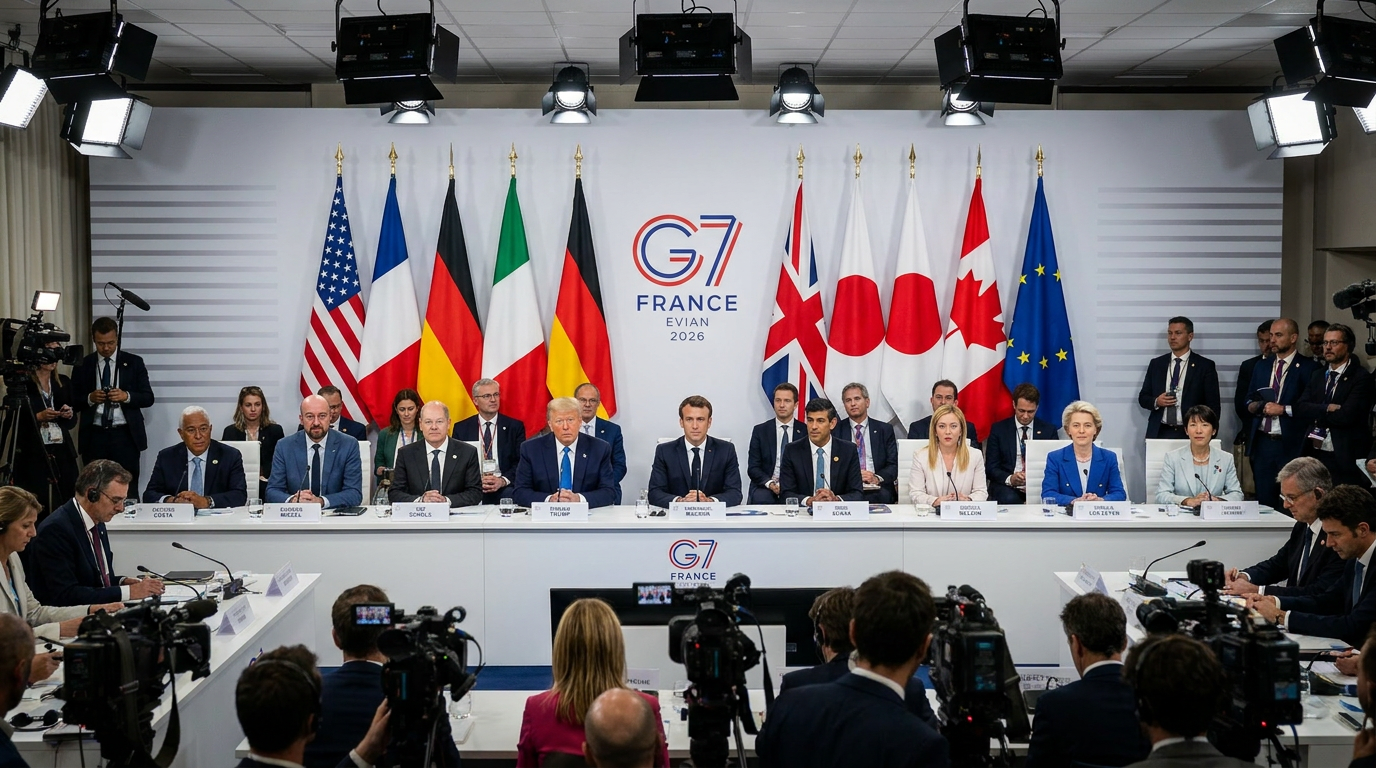
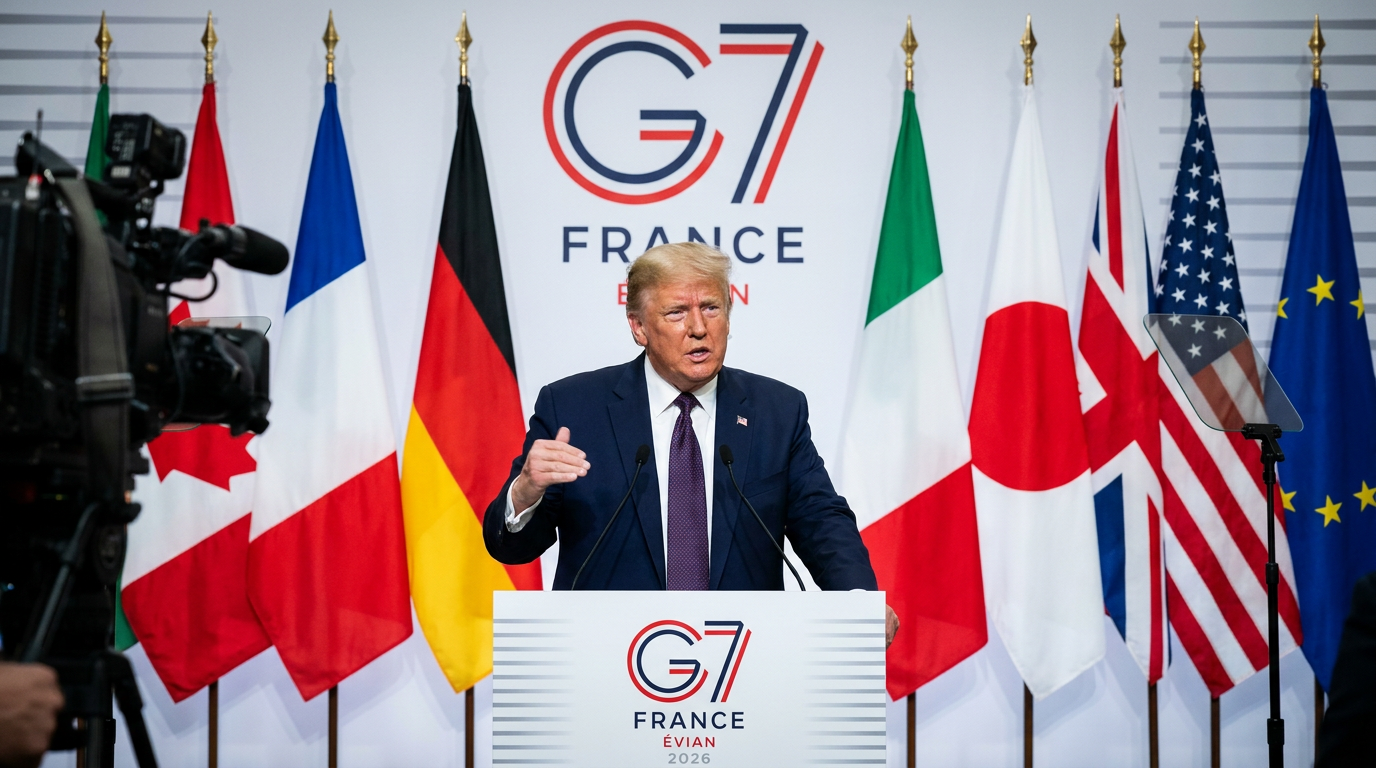
For the White House, the agreement is being framed as a massive diplomatic and economic victory. President Donald Trump hailed the deal from the G7 summit in France, declaring that Iran would be prevented from acquiring a nuclear weapon and celebrating the impending resumption of global oil flows. Vice President JD Vance echoed the sentiment, calling it a framework that forces Iran to halt terrorism funding in exchange for reintegration into the world economy. The administration argues that the naval blockade successfully leveraged economic pressure to force Tehran to the negotiating table without requiring a protracted ground occupation.[5]

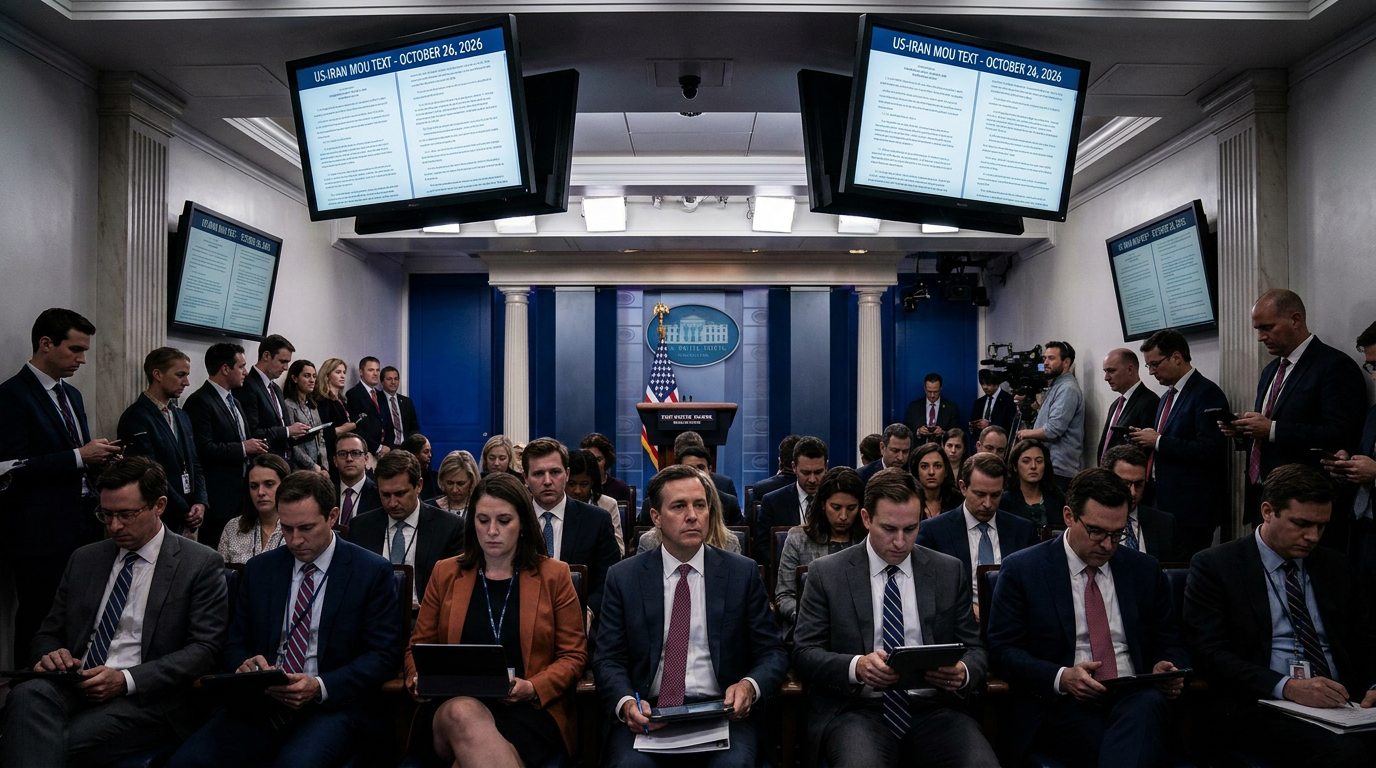
However, the administration has also maintained a combative public posture, with President Trump warning that the United States could resume bombing if Tehran fails to adhere to the terms. The exact text of the memorandum remains unpublished, leading to a flurry of conflicting reports regarding the specific concessions granted to Iran. Critics in Washington have demanded immediate transparency, arguing that the American public deserves to know the precise details of the sanctions relief and the mechanisms that will be used to enforce Iran's compliance during the sixty-day nuclear negotiation window.[4][5]
Iranian officials have confirmed the broad strokes of the agreement but insist that implementation will not begin until the formal signing ceremony concludes. Deputy Foreign Minister Kazem Gharibabadi stated that Iran will take immediate steps to reopen the Strait of Hormuz once the document is signed, allowing the country to sell its oil without restrictions. For Tehran, the deal represents a successful defense of its sovereignty, securing the lifting of the crippling naval blockade while maintaining its core infrastructure and domestic political stability after months of intense military pressure.[1][2]
Leaked drafts circulated by regional media suggest the deal may also include the unfreezing of billions in Iranian assets and a massive reconstruction fund. Some reports even point to a potential three-hundred-billion-dollar investment pool, though the exact financial mechanisms remain fiercely debated. United States officials have previously dismissed certain Iranian state media claims about the framework's sweeping financial and military concessions as fabrications, underscoring the deep mistrust that continues to define the negotiations even as both sides prepare to sign the historic accord.[4][6]
Leaked drafts circulated by regional media suggest the deal may also include the unfreezing of billions in Iranian assets and a massive reconstruction fund.
While Washington and Tehran prepare for the signing, the reaction in Israel has been one of unified outrage. Across the Israeli political spectrum, the agreement is being denounced as a dangerous capitulation that leaves Iran's nuclear infrastructure and proxy network intact. From far-right national security ministers to centrist opposition leaders, the consensus in Jerusalem is that the United States has abandoned its commitment to dismantling the Iranian regime, opting instead for a temporary economic fix that leaves Israel vulnerable to future attacks.[3][6]

Prime Minister Benjamin Netanyahu, who heavily influenced the initial American decision to go to war, now finds himself increasingly isolated on the global stage. In a rare public acknowledgement of friction, Netanyahu stated that he and President Trump do not see eye to eye on the current diplomatic track. The Israeli leader insisted that his government remains committed to eliminating the Iranian nuclear threat regardless of the American pact, signaling a potential divergence in the strategic alliance between the two nations.[3][8]
The most immediate flashpoint threatens to be Lebanon. The United States-Iran memorandum reportedly includes a provision for a cessation of hostilities on all fronts, implicitly covering the ongoing conflict between Israel and the Iranian-backed militant group Hezbollah. For Tehran, securing a halt to the fighting in Lebanon was a critical condition for agreeing to reopen the Strait of Hormuz, linking the fate of its regional proxy directly to the broader economic relief package. The inclusion of this clause has transformed the bilateral peace deal into a complex regional puzzle.[6][8]
Israeli officials have flatly rejected this condition, refusing to be constrained by an agreement they did not sign. National Security Minister Itamar Ben Gvir and other hardline cabinet members declared that the American agreement does not bind Israel, vowing to maintain full military freedom of action in Lebanon. This defiance raises the distinct possibility that continued Israeli airstrikes against Hezbollah could fracture the fragile United States-Iran truce before the sixty-day negotiation window even closes, putting Washington in an incredibly difficult diplomatic position.[3][6]
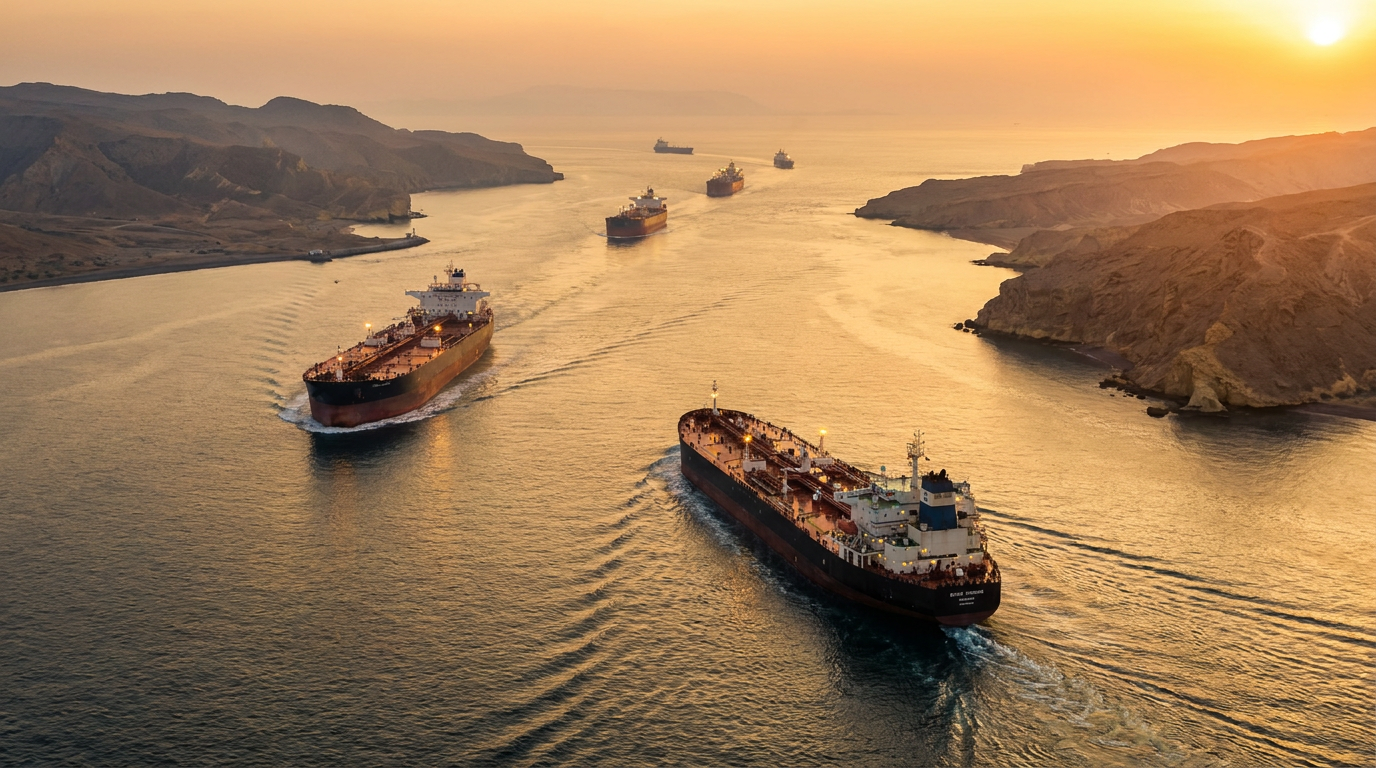
Despite the geopolitical landmines, global markets reacted with immediate relief to the diplomatic breakthrough. The prospect of reopening the Strait of Hormuz—a vital maritime choke point that handles roughly a fifth of the world's traded oil and natural gas—sent energy prices tumbling. The cost of crude oil dropped significantly in the hours following the announcement, reflecting widespread investor optimism that the worst of the global energy crisis may finally be coming to an end. The immediate market correction highlights just how heavily the conflict had weighed on global economic projections.[2][4]

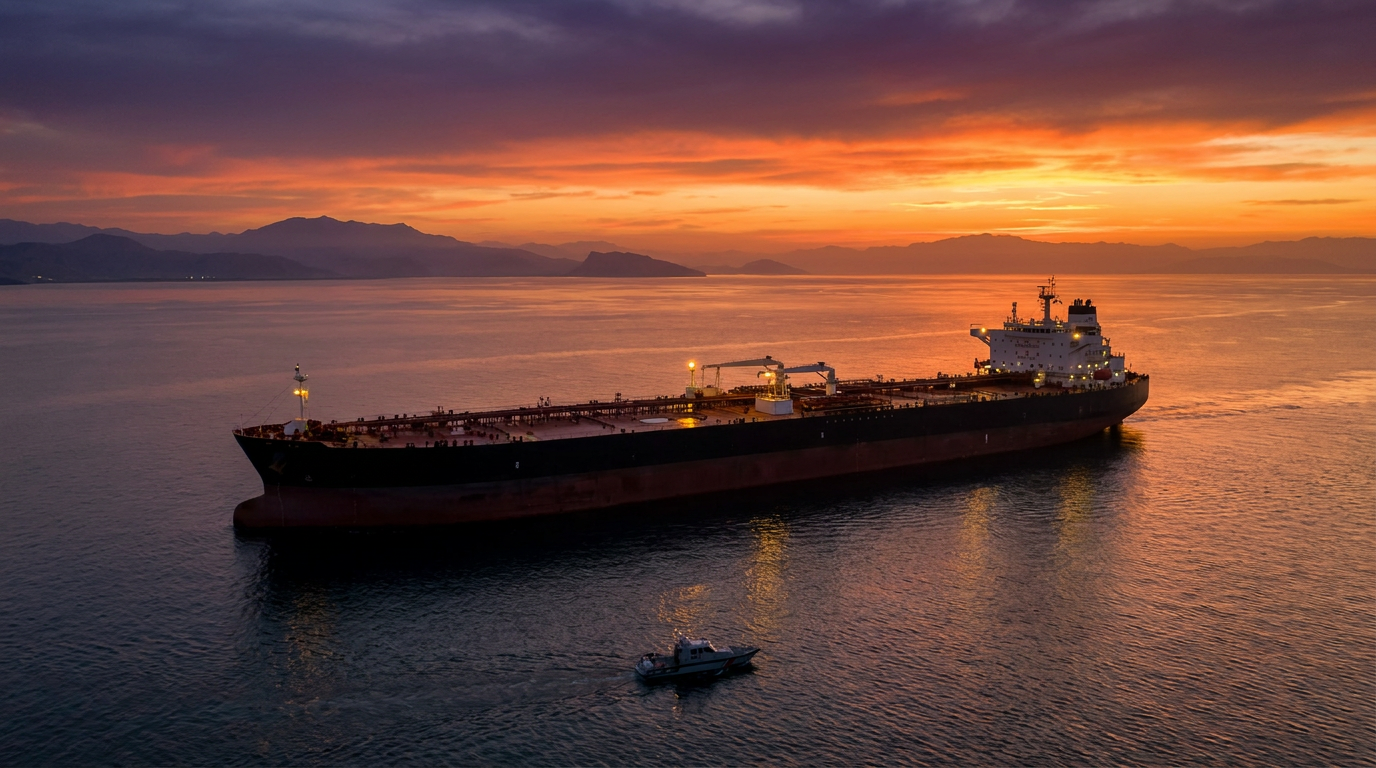
The waterway has been effectively closed to commercial traffic since the war began, choked by Iranian military threats and a rigid United States naval blockade. The resulting energy crunch drove up the cost of fuel, disrupted supply chains, and made basic goods more expensive worldwide. The economic fallout applied immense political pressure on the Trump administration to find a resolution ahead of the upcoming midterm elections, likely accelerating the push for a negotiated settlement over a prolonged military engagement.[1][2]
Energy experts caution that while the diplomatic breakthrough is significant, the physical resumption of global trade will not happen overnight. It will likely take months for shipping companies to secure the necessary insurance, clear the waterways of potential hazards, and establish the logistical guarantees required to return Persian Gulf tanker traffic to pre-war volumes. Until the formal signing takes place and the naval blockade is officially lifted, major shipping firms are expected to maintain a cautious holding pattern.[1][5]
All eyes are now on the Burgenstock resort in central Switzerland, where American and Iranian delegations are expected to formalize the pact. The high-altitude, easily secured location will serve as the backdrop for one of the most consequential diplomatic events of the decade. Whether the agreement serves as the foundation for a lasting Middle East peace or merely a temporary pause in a broader regional war will depend entirely on the grueling sixty days of nuclear negotiations that follow the signing.[4][7]
How we got here
Feb 2026
The US and Israel launch a joint military campaign against Iran, sparking a regional conflict.
March 2026
The Strait of Hormuz is effectively closed by Iranian threats and a US naval blockade, triggering a global energy crisis.
June 14, 2026
Pakistani mediators announce a tentative Memorandum of Understanding between Washington and Tehran.
June 17, 2026
Global oil prices drop significantly as both sides prepare for a formal signing ceremony in Switzerland.
Viewpoints in depth
The US Administration's View
The White House frames the deal as a historic victory that secures global commerce and forces Iran to the negotiating table.
President Trump and his allies argue that the agreement achieves the primary goals of the conflict without requiring a protracted occupation. By leveraging the naval blockade to force Tehran's hand, the administration claims it has secured the reopening of the Strait of Hormuz and established a strict 60-day window to dismantle Iran's nuclear ambitions. Supporters emphasize that the deal brings immediate relief to global energy markets while maintaining the threat of renewed military action if Iran fails to comply.
The Israeli Establishment's View
Israeli leaders across the political spectrum view the pact as a dangerous capitulation that leaves existential threats intact.
From Prime Minister Benjamin Netanyahu to his fiercest domestic rivals, the Israeli consensus is that the US-Iran memorandum is a strategic disaster. Israeli officials argue that by ending the war prematurely, the US is allowing Iran's regime to survive, unfreeze billions in assets, and maintain its proxy network. The primary point of contention is Lebanon; Israel insists it is not bound by any US-brokered ceasefire and will continue its military campaign against Hezbollah, regardless of Washington's diplomatic timeline.
The Iranian Government's View
Tehran presents the agreement as a successful defense of its sovereignty that breaks the US blockade and secures vital economic relief.
Iranian state media and officials are framing the MOU as a victory of endurance. By withstanding months of military pressure, Tehran has secured the lifting of the US naval blockade and the ability to sell its oil freely on the global market. Iranian diplomats emphasize that the reopening of the Strait of Hormuz is contingent on the formal signing of the deal, ensuring that the promised sanctions relief and unfreezing of assets are guaranteed before any strategic leverage is surrendered.
What we don't know
- The exact text of the Memorandum of Understanding remains unpublished.
- It is unclear how much financial relief Iran will ultimately receive from unfrozen assets.
- Whether Israel's continued military operations in Lebanon will derail the broader US-Iran truce.
Key terms
- Strait of Hormuz
- A narrow waterway between the Persian Gulf and the Gulf of Oman through which approximately 20% of the world's oil and natural gas passes.
- Memorandum of Understanding (MOU)
- A formal agreement between two or more parties that establishes a framework for future negotiations, though it is often not legally binding.
- Naval Blockade
- The use of military ships to cut off maritime access to a specific area, utilized by the US to prevent traffic from reaching Iranian ports.
Frequently asked
When will the Strait of Hormuz reopen?
Iranian officials state the waterway will reopen to commercial shipping only after the formal agreement is signed in Switzerland.
Does this deal end the fighting in Lebanon?
The drafted agreement reportedly calls for a cessation of hostilities on all fronts, but Israel has explicitly stated it is not bound by the deal and will continue targeting Hezbollah.
What happens to Iran's nuclear program?
The memorandum establishes a 60-day window for comprehensive negotiations regarding Iran's nuclear enrichment and long-term sanctions relief.
Sources
Source coverage
9 outlets
4 viewpoints surfaced









[1]Associated PressIranian Government
Iran and US reach a tentative deal to end the war and open Strait of Hormuz
Read on Associated Press →[2]Los Angeles TimesIranian Government
Iran will reopen the Strait of Hormuz and can sell oil freely under deal with the U.S.
Read on Los Angeles Times →[3]The Washington PostIsraeli Political Establishment
Israelis denounce Trump's deal with Iran
Read on The Washington Post →[4]The GuardianGlobal Markets
What do we know about the US-Iran peace deal – and what questions remain?
Read on The Guardian →[5]CBS NewsUS Administration
Trump says U.S.-Iran deal 'not final,' threatens to resume bombing 'if they don't behave'
Read on CBS News →[6]The Times of IsraelIsraeli Political Establishment
US-Iran deal said set to halt regional hostilities, including in Lebanon, lift blockade
Read on The Times of Israel →[7]AxiosUS Administration
U.S. and Iran discuss moving up signing of deal, sources say
Read on Axios →[8]Al JazeeraIsraeli Political Establishment
Why Israel could still derail the Iran-US deal
Read on Al Jazeera →[9]Fox NewsUS Administration
Failed 2024 candidate Kamala Harris predicts Obama-like end for Trump on Iran negotiations
Read on Fox News →

More in news politics
See all 12 stories →U.S.-Iran Relations
U.S. and Iran Unveil Sweeping Memorandum of Understanding on Nuclear and Economic Framework
8 sources
US-Iran Deal
US and Iran Unveil 14-Point Memorandum of Understanding to Halt Hostilities and Reopen Strait of Hormuz
8 sources
Middle East Diplomacy
US and Iran Unveil Sweeping Memorandum of Understanding Including Oil Waivers and Nuclear Talks
7 sources
US-Iran Agreement
Leaked 14-Point Text Reveals Framework for US-Iran Peace Agreement
7 sources
Every angle. Every day.
Get news politics stories with full source coverage and perspective breakdowns delivered to your inbox.