
US and Iran Unveil Sweeping Memorandum of Understanding Including Oil Waivers and Nuclear Talks
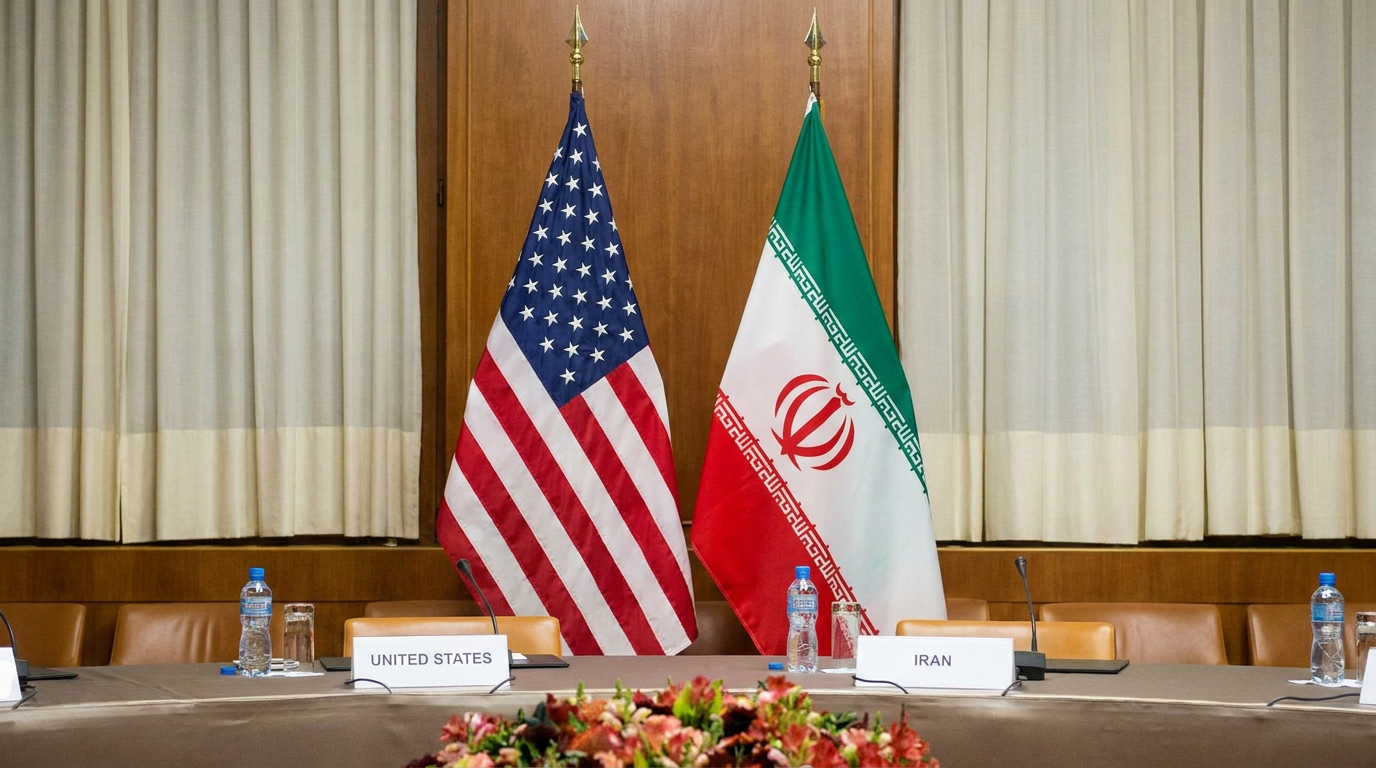
The Trump administration has released the text of a new memorandum of understanding with Iran, outlining immediate oil export waivers, a $300 billion development framework, and a 60-day window for nuclear negotiations. The agreement marks a major shift in US-Iran relations and Middle East geopolitics.
By Factlen Editorial Team
- US Administration
- Argues the MOU leverages immediate economic incentives to secure a permanent and strict nuclear deal.
- Israeli Leadership
- Views the upfront economic relief as a dangerous concession that funds regional aggression.
- European Allies
- Cautiously optimistic about renewed dialogue but highly skeptical of the tight 60-day timeline.
- Global Markets
- Focused on the immediate economic impacts of Iranian oil re-entering the global supply chain.
What's not represented
- · Iranian domestic political factions
- · Gulf Arab states
Why this matters
This agreement fundamentally reshapes the geopolitical and economic landscape of the Middle East by reintroducing Iranian oil to global markets and establishing a massive $300 billion development framework. If the 60-day nuclear talks succeed, it could de-escalate decades of tension, but failure risks isolating the US from regional allies who strongly oppose the upfront concessions.
Key points
- The US and Iran have signed a memorandum of understanding outlining a new diplomatic and economic framework.
- The agreement grants Iran immediate waivers to resume global oil exports.
- A $300 billion regional development framework is proposed as part of the deal.
- Both nations have agreed to a strict 60-day window to negotiate a comprehensive nuclear treaty.
- Failure to reach a nuclear agreement will result in the immediate revocation of economic concessions.
- Israeli leadership has strongly condemned the agreement, citing security concerns over upfront economic relief.
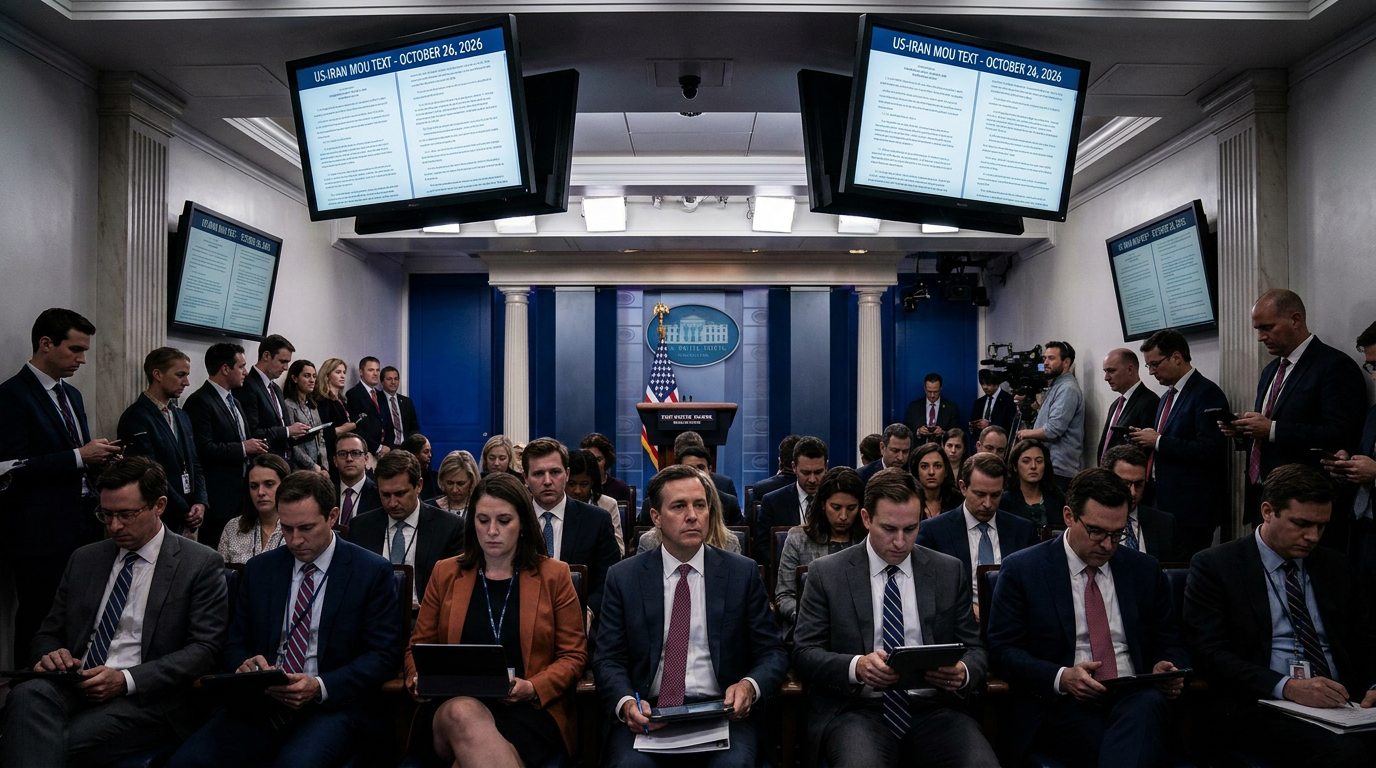
The Trump administration has officially unveiled the text of a sweeping new memorandum of understanding (MOU) between the United States and Iran, marking a historic and sudden pivot in Middle Eastern diplomacy. Released on Wednesday, the document outlines a multi-phased approach to normalizing relations, beginning with immediate economic concessions in exchange for a strict commitment to renewed nuclear negotiations.[1][2][3]
At the center of the MOU is a massive $300 billion development framework designed to integrate Iran into broader regional economic initiatives. In a move that immediately impacted global energy markets, the agreement grants Iran immediate waivers to resume oil exports, bypassing years of stringent sanctions that had crippled the nation's economy and isolated it from Western financial systems.[2][7]
In exchange for these upfront economic lifelines, Tehran has agreed to a strict 60-day window to negotiate a comprehensive and permanent nuclear treaty. The text explicitly states that failure to reach a binding nuclear accord within this timeframe will result in the immediate revocation of the oil waivers and the imposition of severe "snapback" sanctions, effectively returning the two nations to a state of maximum economic hostility.[1][3]

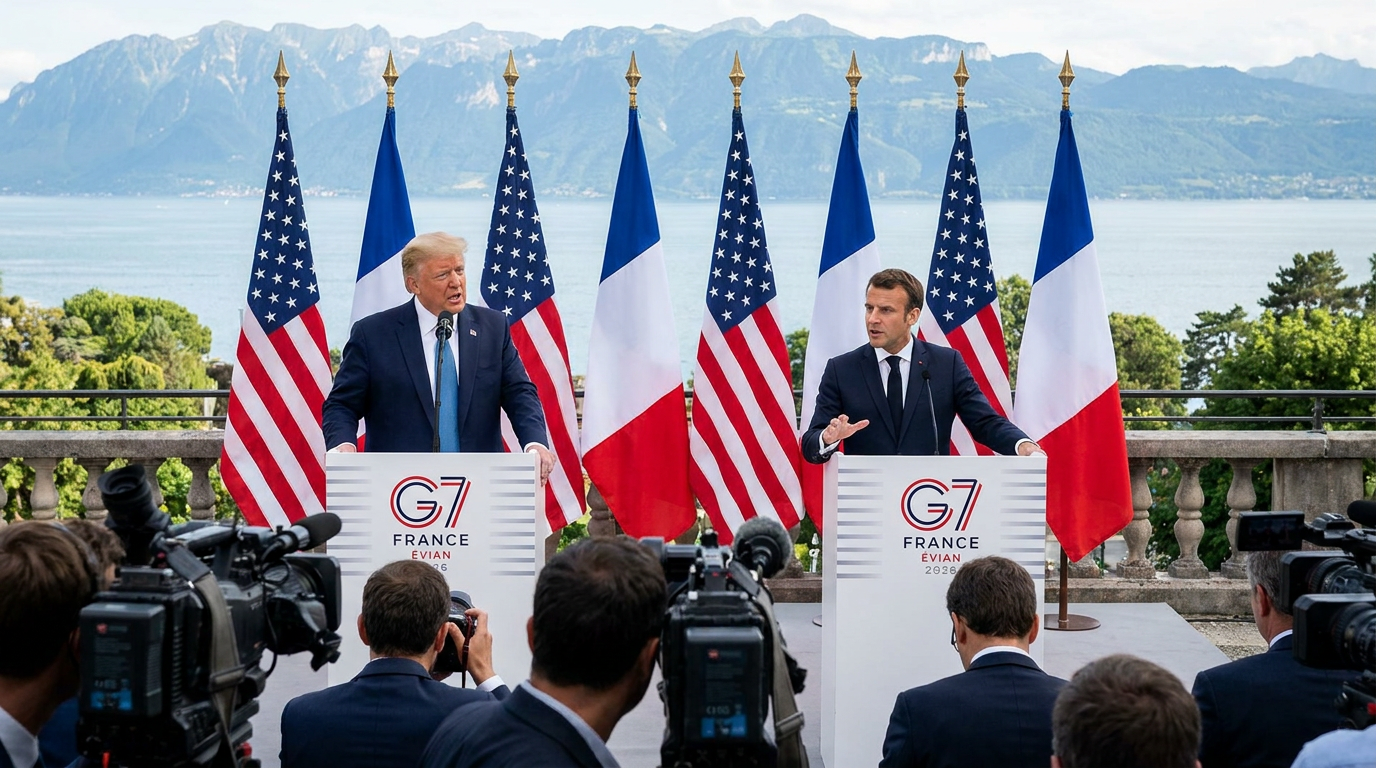
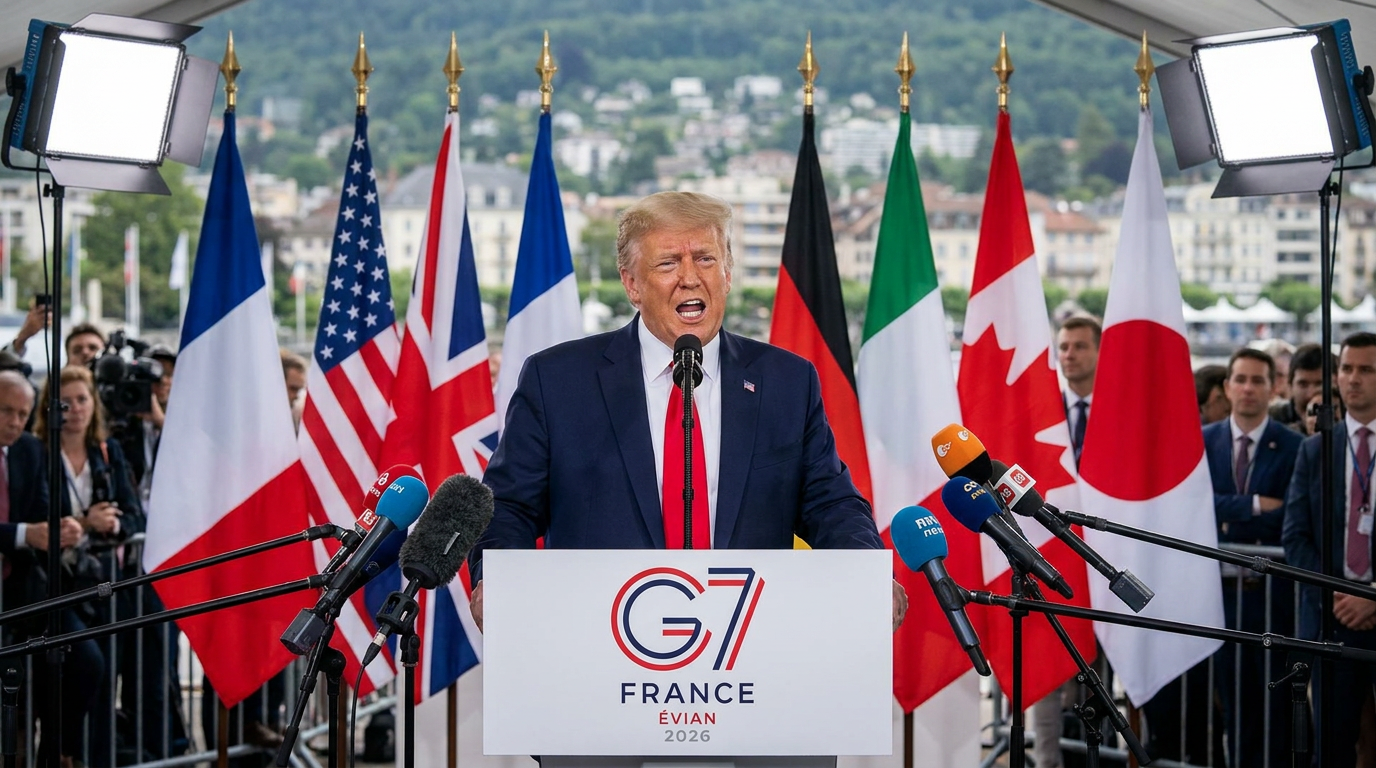
President Trump defended the agreement during a G7 summit press conference, contrasting it with the Obama-era Joint Comprehensive Plan of Action (JCPOA), which he previously exited and repeatedly labeled a "catastrophe." Trump asserted that his administration's approach leverages maximum economic pressure to secure a more permanent and expansive deal, claiming he has "finished the job" where previous administrations failed by forcing Tehran to the table under his terms.[2]
The announcement has triggered immediate and fierce backlash from Israel. Israeli Prime Minister Benjamin Netanyahu, who historically lobbied against the JCPOA, condemned the new MOU as a "historic mistake." Israeli officials argue that granting upfront economic relief before securing a verifiable dismantling of Iran's nuclear infrastructure merely funds regional proxy groups while offering Tehran a diplomatic shield during the 60-day negotiation period.[4]
The announcement has triggered immediate and fierce backlash from Israel.
Global markets reacted swiftly to the news of the agreement. Brent crude oil prices experienced a notable dip following the announcement of the export waivers, as traders priced in the sudden influx of Iranian barrels into an already well-supplied market. Energy analysts note that while the waivers are temporary, the sheer volume of Iranian reserves could stabilize prices heading into the summer months, providing a secondary economic benefit to Western consumers.[7]

European allies, who have spent years attempting to salvage the remnants of the 2015 nuclear deal, offered a cautious welcome to the MOU. Diplomats in London, Paris, and Berlin expressed optimism about the resumption of direct US-Iran dialogue but voiced concerns about the tight 60-day timeline, warning that complex nuclear verification protocols rarely move that quickly. Meanwhile, regional observers note that the $300 billion framework could fundamentally alter the balance of power in the Persian Gulf.[5][6]
The focus now shifts to Geneva, where technical teams from both nations are expected to convene within the week to begin the 60-day sprint toward a formal nuclear treaty. With the clock ticking and domestic political pressure mounting in both Washington and Tehran, the success of the MOU hinges entirely on whether decades of mistrust can be overcome before the temporary economic bridges collapse.[1][3][6]
How we got here
2015
The Joint Comprehensive Plan of Action (JCPOA) is signed between Iran and world powers.
2018
The US officially withdraws from the JCPOA and reinstates heavy economic sanctions.
June 17, 2026
The full text of the new US-Iran Memorandum of Understanding is released to the public.
Viewpoints in depth
US Administration
Argues the MOU leverages economic incentives to secure a permanent nuclear deal.
The Trump administration frames this agreement as a definitive correction to past diplomatic failures. By offering immediate but conditional economic relief—specifically oil waivers and the $300 billion framework—they argue they have created an irresistible incentive for Tehran to agree to strict, permanent nuclear restrictions within the 60-day window. Officials believe this approach forces Iran to the table under maximum leverage.
Israeli Leadership
Views the upfront economic relief as a dangerous concession that funds regional aggression.
Israeli officials, led by Prime Minister Benjamin Netanyahu, strongly oppose the structure of the MOU. They argue that releasing sanctions pressure before securing the verifiable dismantling of Iran's nuclear program is a strategic error. From this perspective, the immediate influx of oil revenue will be used to fund proxy groups across the Middle East, regardless of the outcome of the 60-day nuclear talks.
European Allies
Cautiously optimistic about renewed dialogue but skeptical of the tight timeline.
European allies view the resumption of direct US-Iran negotiations as a necessary step to prevent regional escalation and stabilize energy markets. However, they express deep skepticism regarding the 60-day timeline for a comprehensive nuclear treaty, noting that technical verification protocols and political consensus typically require months, if not years, to finalize.
What we don't know
- Whether Iran is willing to accept the stringent nuclear verification protocols the US will demand during the 60-day window.
- How the $300 billion development framework will be funded and which international partners will participate.
- The exact mechanisms for the 'snapback' sanctions if negotiations fail.
Key terms
- Memorandum of Understanding (MOU)
- A formal agreement between two or more parties that outlines the terms and details of an understanding, often serving as a starting point for negotiations.
- Sanctions Waivers
- Official exemptions granted by a government allowing specific countries or companies to bypass economic sanctions without penalty.
- Snapback Sanctions
- A mechanism where previously lifted economic sanctions are automatically and rapidly reimposed if a party violates the terms of an agreement.
Frequently asked
Does this mean the US and Iran have a new nuclear deal?
No. The MOU is a framework agreement that sets a strict 60-day window to negotiate a formal, binding nuclear treaty.
Why did oil prices drop after the announcement?
The agreement grants Iran immediate waivers to export oil, meaning a significant amount of new crude oil will enter the global market, increasing supply.
How has Israel reacted to the agreement?
Israeli leadership has strongly condemned the MOU, arguing that giving Iran upfront economic relief is a dangerous mistake that will fund regional proxy groups.
Sources
Source coverage
7 outlets
4 viewpoints surfaced







[1]AxiosUS Administration
READ: Full U.S.-Iran memorandum of understanding
Read on Axios →[2]Fox NewsUS Administration
Trump administration unveils sweeping terms of proposed Iran agreement
Read on Fox News →[3]NYTUS Administration
A Look at the Text of the Agreement Between the United States and Iran
Read on NYT →[4]Times of IsraelIsraeli Leadership
Netanyahu condemns new US-Iran MOU as a 'historic mistake' rewarding aggression
Read on Times of Israel →[5]Al JazeeraGlobal Markets
US-Iran agreement promises $300bn development framework amid regional skepticism
Read on Al Jazeera →[6]The GuardianEuropean Allies
European allies cautiously welcome US-Iran memorandum, await nuclear talks progress
Read on The Guardian →[7]ReutersGlobal Markets
Oil prices dip as US grants immediate export waivers to Iran under new MOU
Read on Reuters →
More in news politics
See all 6 stories →Middle East Diplomacy
U.S. and Iran Release Draft Memorandum of Understanding to End Regional Conflict
7 sources
US-Iran Deal
US and Iran Agree to 60-Day Ceasefire and Memorandum of Understanding to End War
8 sources
US-Iran Peace Deal
US and Iran Agree to 14-Point Memorandum to End War and Reopen Strait of Hormuz
8 sources
US-Iran Deal
U.S. and Iran Release 14-Point Memorandum to End War and Reopen Strait of Hormuz
8 sources
Every angle. Every day.
Get news politics stories with full source coverage and perspective breakdowns delivered to your inbox.