
The Science of Fat-Washing: How Bartenders Extract Flavor from Bacon, Butter, and Oil
Originally borrowed from the perfume industry, fat-washing uses the unique chemical properties of ethanol to infuse spirits with savory flavors and luxurious textures.

In short
- Fat-washing is a technique that infuses spirits with savory flavors from fats like bacon, butter, or coconut oil.
- The process relies on ethanol's unique ability to dissolve both water-soluble and fat-soluble compounds.
- Freezing the mixture allows the fat to solidify and be easily strained out, leaving behind a clear, flavor-packed spirit.
As the boundaries of traditional mixology expand, cocktail menus increasingly read like three-course meals. Bartenders are moving beyond simple syrups and citrus, incorporating savory, culinary ingredients into their drinks to create entirely new flavor profiles.
The secret behind many of these savory creations is a technique known as fat-washing. This process allows mixologists to infuse spirits with the rich flavors of butter, bacon, coconut oil, or duck fat without leaving a greasy residue that would texturally clog the palate.
While the technique feels distinctly modern, its breakout moment occurred in 2007 at the pioneering New York City speakeasy Please Don't Tell (PDT). There, bartender Don Lee introduced a drink that would change the trajectory of craft cocktails.
Lee had recently tasted the hickory-smoked Benton's bacon at Momofuku Ssäm Bar. Struck by the flavor, he asked for the leftover bacon fat, brought it home, and began experimenting with infusing it into bourbon to create the now-legendary Benton's Old Fashioned.
Lee's inspiration did not come from the kitchen, but from the perfume industry. He adapted a historical technique called enfleurage—a method traditionally used by perfumers to extract delicate aromatic compounds from flowers by pressing them into odorless fats.[3]
The science of why fat-washing works comes down to the unique chemical structure of ethanol. Ethanol is a highly versatile solvent because its molecules possess both polar and non-polar sides, allowing it to act as a chemical bridge.[2]
The polar side of the ethanol molecule allows it to dissolve in water, which makes up a significant portion of any spirit. Meanwhile, the non-polar side has the ability to bind with and dissolve fats, oils, and their associated flavor compounds.[2]
When liquid fat is combined with a spirit, a process known as liquid-liquid extraction begins. Shaking the mixture breaks the fat into tiny droplets, maximizing the surface area and allowing the alcohol to efficiently extract the oil-soluble flavors.[2]
The mixture is typically left to rest at room temperature for several hours. This resting period ensures that the spirit's alcohol by volume (ABV) has ample time to absorb the full depth of the fat's aromatic profile.[3]
The ingenuity of the technique lies in the separation phase, which relies on thermodynamics. After the infusion rests, the container is placed in a freezer for six to eight hours.[4]
Because high-proof spirits have a remarkably low freezing point, the alcohol remains entirely liquid. The fat, however, coagulates and hardens into a solid disc at the top of the container.
To separate the two, bartenders simply bore a hole through the solidified fat cap and pour the liquid out, passing it through a fine-mesh sieve or a damp coffee filter to catch any remaining microscopic solids.[4]
The resulting spirit looks virtually identical to the original liquid, but it is fundamentally transformed. It retains the savory flavor compounds and gains a richer, silkier mouthfeel—an effect one bar owner described as being like spreading soft butter across warm bread.[3]
The exact ratios required for a successful fat-wash depend heavily on the intensity of the chosen fat. For highly pungent fats like bacon grease or sesame oil, mixologists recommend using just 45 to 60 milliliters of fat per 700-milliliter bottle of spirit.[4]
Conversely, more delicate fats require a heavier hand. Ingredients like browned butter, olive oil, or coconut oil often require up to 200 milliliters of fat per bottle to make a noticeable impact on the final cocktail.[4]
Food safety is also a crucial consideration, particularly when working with animal products. Experts advise that proteins must be fully cooked first, and only the rendered, strained fat should be used for the infusion to prevent bacterial contamination.[4]
Today, the technique has expanded far beyond Lee's original bacon bourbon. Innovative bars around the world are serving duck fat Sazeracs, coconut butter Negronis, and even spirits washed with entire grilled cheese sandwiches.[5]
Ultimately, fat-washing represents a perfect intersection of chemistry, perfumery, and culinary art. It is a highly accessible technique that allows both professional mixologists and home enthusiasts to unlock entirely new dimensions of flavor.[1]
Key terms
- Fat-washing
- A culinary technique used in mixology to infuse spirits with the flavors of liquid fats, which are then frozen and removed.
- Enfleurage
- A historical perfume-making technique that extracts aromatic compounds from botanicals by pressing them into odorless fats.
- Ethanol
- The type of alcohol found in spirits, possessing a unique molecular structure that allows it to dissolve both water-soluble and fat-soluble compounds.
- Liquid-liquid extraction
- A chemical process that transfers a solute from one liquid phase into another, utilized when shaking liquid fat with alcohol.
- Hydrophobic
- Molecules that repel water but bind easily with fats and oils, a key property of one side of the ethanol molecule.
Frequently asked
Does fat-washing make the cocktail greasy?
No. Because the mixture is frozen and the solidified fat is strained out, the resulting spirit retains the flavor and a slightly silkier texture, but leaves behind the heavy, greasy mouthfeel.
Can I fat-wash with plant-based oils?
Yes. Coconut oil, olive oil, and sesame oil are highly popular for fat-washing. They follow the exact same chemical process as animal fats.
How long does fat-washed alcohol last?
While the high alcohol content acts as a preservative, trace amounts of fat remain. It is generally recommended to store fat-washed spirits in the refrigerator and consume them within a few weeks for optimal freshness.
Do I need to cook the fat first?
If you are using animal fats like bacon or duck, yes. The protein must be fully cooked, and only the rendered liquid fat should be used to ensure food safety and extract the best flavor.
Viewpoints in depth
Culinary Mixologists
View fat-washing as a way to bridge the gap between the kitchen and the bar, prioritizing flavor synergy and mouthfeel.
For modern bartenders, fat-washing is less about the novelty of meat in a glass and more about texture and balance. By borrowing techniques from the kitchen, mixologists can introduce savory, umami, and roasted notes that traditional syrups cannot provide. The removal of the actual fat ensures the drink remains clean and refreshing, while the retained lipids coat the palate, softening the harsh edges of high-proof spirits and creating a luxurious, lingering finish.
Chemical Engineers
Focus on the underlying physics and chemistry, viewing the technique as a practical application of liquid-liquid extraction.
From a scientific perspective, a bartender shaking bacon fat into bourbon is performing a classic liquid-liquid extraction. Scientists emphasize that ethanol's unique molecular structure—featuring both hydrophilic and hydrophobic properties—makes it an ideal solvent. The subsequent freezing step elegantly exploits the vast thermodynamic differences between the freezing points of lipids and alcohol, achieving a highly efficient separation without the need for industrial centrifuges.
Home Bartenders
Value the technique for its low barrier to entry, requiring only common kitchen tools to achieve professional-grade results.
While the science sounds complex, DIY cocktail enthusiasts champion fat-washing for its extreme accessibility. Unlike distillation or clarification via centrifuge, fat-washing requires zero specialized equipment. A mason jar, a freezer, and a standard coffee filter are all that is needed to replicate the signature drinks of the world's most exclusive speakeasies right in a home kitchen.
- Culinary Mixologists
- View fat-washing as a way to bridge the gap between the kitchen and the bar, prioritizing flavor synergy and mouthfeel.
- Chemical Engineers
- Focus on the underlying physics and chemistry, viewing the technique as a practical application of liquid-liquid extraction.
- Home Bartenders
- Value the technique for its low barrier to entry, requiring only common kitchen tools to achieve professional-grade results.
Perspectives this story doesn't cover
- Vegan mixologists adapting the technique
- Cardiologists evaluating the trace lipid content
Sources
Source coverage
5 outlets
3 viewpoints surfaced





- [1]Factlen Editorial TeamHome Bartenders
Synthesis by Factlen editorial team
Read on Factlen Editorial Team → - [2]COMSOLChemical Engineers
Fat-Washing Cocktails: Ethanol's Ability to Release Flavors
Read on COMSOL → - [3]Food & Hotel AsiaChemical Engineers
How Fat Washing Works – The Science Behind It
Read on Food & Hotel Asia → - [4]Dan Murphy'sHome Bartenders
How to fat wash spirits at home
Read on Dan Murphy's → - [5]Culture Cheese MagazineCulinary Mixologists
The Science of Fat-Washing Cocktails
Read on Culture Cheese Magazine →
More in Food & Drink
See all →Cocktail Science
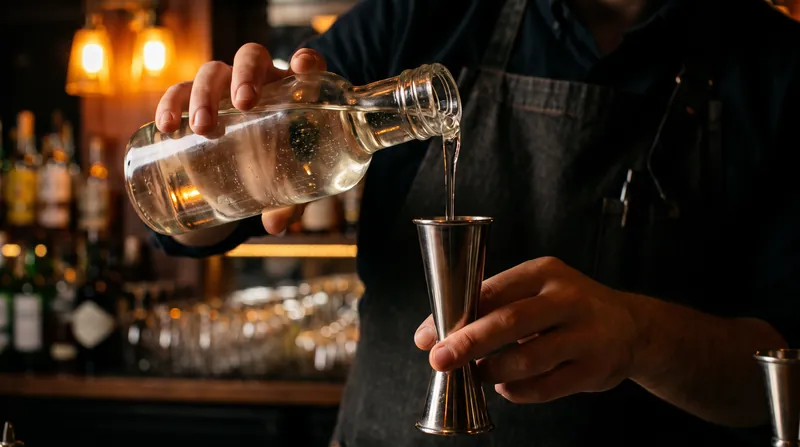
The 10% to 20% Air Incorporation: How Shaking Creates Opacity and Texture in Cocktails
6 sources
Cocktail Science
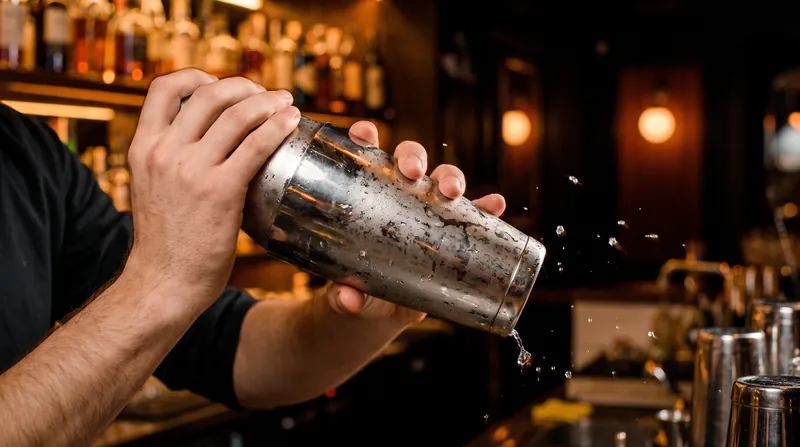
The 25% to 35% Dilution Window: How Ice Melt Dictates a Cocktail's Final Texture and Flavor Balance
11 sources
Cocktail Science
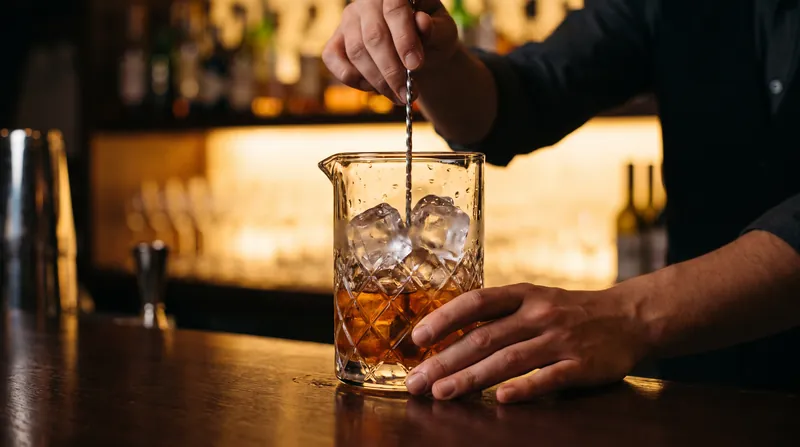
The Mechanics of Oleo-Saccharum: How Sugar and Abrasion Extract Essential Oils from Citrus Zest
6 sources
Cocktail Science
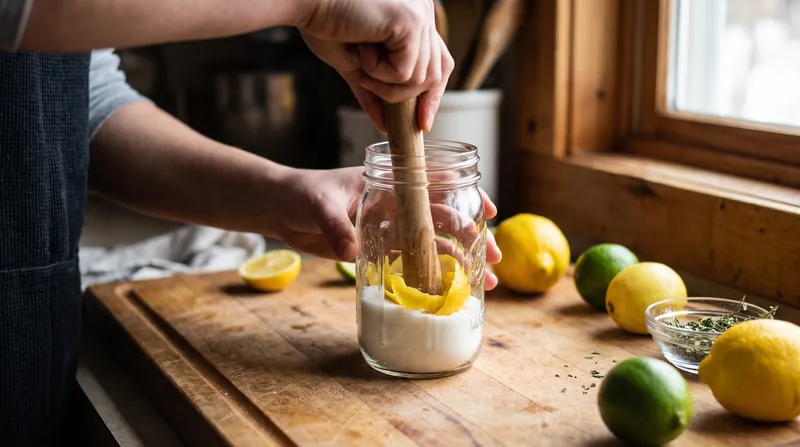
The Science of Clarified Cocktails: How Curdled Milk Creates Crystal-Clear, Silky Drinks
5 sources
Comments
Every angle. Every day.
Get Food & Drink stories with full source coverage and perspective breakdowns, free every day.