
The Brain's Wash Cycle: How the Glymphatic System Clears Toxins During Sleep
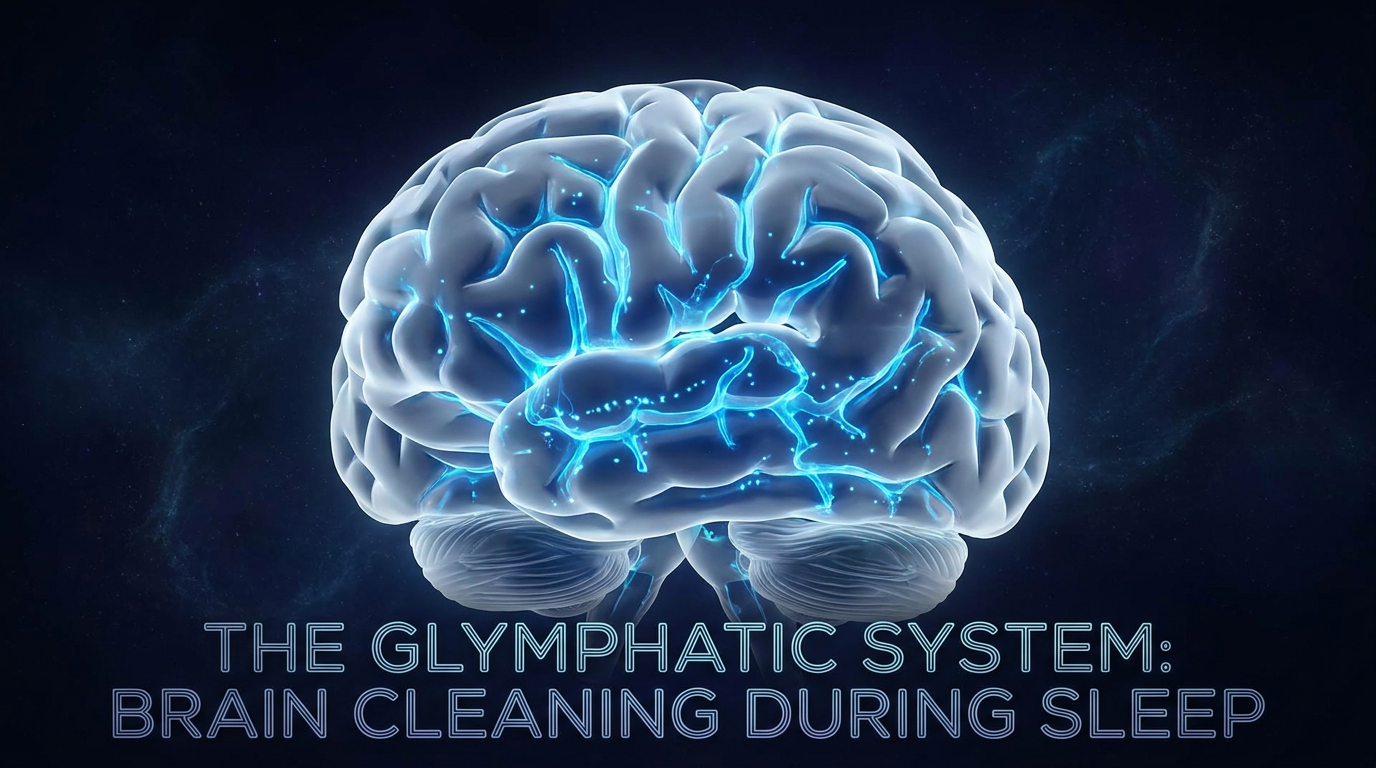
Neuroscientists are unraveling the mechanics of the glymphatic system, a microscopic plumbing network that washes toxic proteins from the brain during deep sleep. While a recent study has sparked fierce debate over the exact fluid dynamics, the consensus remains that sleep is a critical defense against Alzheimer's disease.
By Factlen Editorial Team
- The Sleep-Clearance Consensus
- Argues that sleep physically opens the brain's interstitial space to allow rapid fluid clearance.
- The Diffusion Skeptics
- Argues that brain clearance relies on slow diffusion and challenges the sleep-driven pump model.
- Clinical Translators
- Focuses on the undeniable clinical link between sleep quality and dementia prevention, regardless of exact fluid mechanics.
What's not represented
- · Patients suffering from chronic insomnia
- · Pharmaceutical researchers developing clearance-enhancing drugs
Why this matters
Understanding how the brain cleans itself transforms sleep from a passive luxury into an active, non-negotiable biological necessity. Protecting your deep sleep and cardiovascular health directly engages this system, offering one of the most effective known defenses against cognitive decline and dementia.
Key points
- The glymphatic system is a microscopic plumbing network that washes toxic waste from the brain.
- This system is highly active during deep, slow-wave sleep, when the space between brain cells expands.
- It clears beta-amyloid and tau proteins, which are heavily implicated in Alzheimer's disease.
- A recent scientific debate has emerged over whether this clearance is driven by rushing fluid or slow diffusion.
- Regardless of the exact mechanics, clinical evidence confirms that treating sleep disorders is vital for long-term brain health.
For centuries, scientists and philosophers have wrestled with a fundamental biological mystery: why do we sleep? From an evolutionary perspective, spending a third of our lives unconscious, paralyzed, and vulnerable to predators seems like a catastrophic design flaw. Yet every animal with a nervous system sleeps, and prolonged sleep deprivation is universally fatal. While researchers have long known that sleep is essential for memory consolidation and cognitive function, the physical, mechanical necessity of sleep remained elusive. It was not until the last decade that neuroscience uncovered a hidden anatomical structure that fundamentally changed our understanding of brain health. The brain, it turns out, is not merely resting when we close our eyes. It is undergoing a rigorous, highly active biological wash cycle, flushing out the toxic metabolic byproducts that accumulate during our waking hours.[1]
The breakthrough arrived in 2012, when a team led by Dr. Maiken Nedergaard at the University of Rochester Medical Center identified a previously unknown plumbing network within the brain. In the rest of the body, the lymphatic system is responsible for clearing cellular waste and maintaining fluid balance. But the brain, isolated behind the tightly regulated blood-brain barrier, lacks traditional lymphatic vessels. For decades, scientists assumed the brain simply recycled its own waste or relied on slow, passive diffusion. Nedergaard’s team discovered that the brain actually possesses a highly specialized, macroscopic waste clearance system managed by glial cells—the brain's support cells. They dubbed it the "glymphatic" system, a portmanteau of "glial" and "lymphatic," revealing a dynamic fluid network that operates in the microscopic spaces between blood vessels and brain tissue.[2][5]
The mechanics of the glymphatic system are a marvel of biological engineering. The process relies on cerebrospinal fluid (CSF), the clear liquid that surrounds and cushions the brain and spinal cord. Instead of sitting stagnant, this fluid is actively pumped into the brain tissue along the outside of arteries. The channels for this fluid are formed by astrocytes, a type of star-shaped glial cell whose "endfeet" completely encase the brain's blood vessels. These astrocytic endfeet are densely packed with specialized water channels called aquaporin-4 (AQP4). Like a microscopic irrigation system, these channels allow CSF to rush into the brain's interstitial space—the gaps between neurons—where it mixes with interstitial fluid, collects metabolic waste, and is eventually flushed out along the exterior of veins.[5][7]

The most astonishing feature of the glymphatic system is its relationship with our circadian rhythm: it is almost entirely disengaged while we are awake. In their landmark 2013 study published in Science, researchers injected fluorescent dyes into the cerebrospinal fluid of mice and tracked the flow in real-time. When the mice were awake, the dye barely moved, pooling on the surface of the brain. But the moment the mice fell asleep or were anesthetized, the fluid rushed deep into the brain tissue, flowing rapidly through the parenchyma. The researchers discovered that during sleep, the brain's cells actually shrink, causing the interstitial space between them to expand by up to 60 percent. This massive structural shift drops the resistance to fluid flow, effectively opening the floodgates for the brain to wash itself.[2][5]
This nightly wash cycle is not just about general housekeeping; it is a critical defense mechanism against neurodegenerative disease. Throughout the day, the intense energy demands of conscious thought generate toxic metabolic byproducts. Among the most notorious of these is beta-amyloid, a protein that, when left to accumulate, forms the sticky plaques that are a hallmark of Alzheimer's disease. The 2013 study demonstrated that beta-amyloid is cleared from the brain twice as fast during sleep as it is during wakefulness. Tau proteins, another primary driver of dementia, are similarly flushed away by glymphatic flow. This provided a crucial mechanical link to a long-observed clinical reality: chronic sleep disruption is one of the strongest lifestyle predictors for the later development of Alzheimer's and other forms of dementia.[2][5][7]

This nightly wash cycle is not just about general housekeeping; it is a critical defense mechanism against neurodegenerative disease.
Recent advancements have provided even more granular detail about what physically drives this fluid pump. In early 2024, researchers published findings demonstrating that the slow, synchronized electrical waves of deep sleep are the primary engine of glymphatic clearance. During stage 3 non-rapid eye movement (NREM) sleep—often called slow-wave sleep—millions of neurons fire in perfect unison. This synchronized firing requires massive amounts of blood, causing the brain's arteries to pulse rhythmically. These arterial pulsations act as a physical pump, driving the cerebrospinal fluid through the astrocytic channels. As one researcher succinctly summarized the phenomenon: "Neurons that fire together, shower together." The deeper the sleep, the stronger the slow-wave activity, and the more powerful the glymphatic wash cycle becomes.[1][4]
However, the exact mechanics of this system have recently become the subject of fierce scientific debate. In mid-2024, a study published in Nature Neuroscience by researchers at Imperial College London challenged the foundational premise of the glymphatic model. Instead of injecting tracers into the cerebrospinal fluid, this team injected fluorescent molecules directly into the brain tissue of mice. To the shock of the neuroscience community, they reported that the clearance of these molecules actually decreased during sleep and anesthesia. The authors argued that brain clearance is driven primarily by simple diffusion rather than the convective, rushing flow proposed by the glymphatic hypothesis, suggesting that the brain might actually clear waste more efficiently when awake.[3][8]
The pushback from the pioneers of the glymphatic field was swift and uncompromising. Proponents of the sleep-clearance model, including Nedergaard and researchers at Washington University, argued that the methodology of the 2024 study was fundamentally flawed. They pointed out that inserting a needle directly into the delicate parenchyma of the brain damages the tissue and artificially spikes intracranial pressure. By disrupting the very pressure gradients that drive cerebrospinal fluid flow, they argued, the direct-injection method effectively broke the glymphatic pump before measuring it. The debate highlighted the immense technical challenges of studying fluid dynamics in the living brain without altering the delicate environment being observed.[6][8]
Despite the intense academic friction over the precise fluid mechanics—whether clearance is driven by convective flow or diffusion, and exactly how the pressure gradients operate—the clinical consensus remains remarkably unified. For patients and healthcare providers, the actionable takeaway is unchanged: high-quality, uninterrupted sleep is a non-negotiable pillar of brain health. Clinical neurologists emphasize that conditions which fragment sleep, particularly obstructive sleep apnea, pose a severe threat to long-term cognitive function. When a patient repeatedly stops breathing during the night, they are continually pulled out of the deep, slow-wave sleep stages required for optimal brain clearance, allowing neurotoxic proteins to accumulate year after year.[1][7]

The discovery of the glymphatic system has also illuminated the surprising ways in which cardiovascular health directly impacts cognitive longevity. Because the glymphatic pump relies heavily on the rhythmic pulsation of arteries to drive fluid through the brain, stiff or diseased blood vessels severely impair the system's efficiency. Hypertension and arterial stiffness reduce the amplitude of these pulsations, effectively weakening the brain's ability to wash itself. Conversely, regular aerobic exercise, which lowers resting heart rate and improves vascular elasticity, has been shown to enhance glymphatic function even during waking hours. The health of the heart and the cleanliness of the brain are inextricably linked by this microscopic hydraulic network.[5][7]
As researchers continue to map the intricacies of this system, the pharmaceutical industry is taking notice. If the glymphatic system can be artificially enhanced, it could open entirely new avenues for preventing or treating Alzheimer's, Parkinson's, and traumatic brain injuries. Early experimental models are exploring drugs that can manipulate the aquaporin-4 channels or enhance the slow-wave electrical activity that drives the pump. While these interventions remain in their infancy, they represent a paradigm shift in neurology: moving away from trying to dissolve amyloid plaques after they have formed, and toward optimizing the brain's natural ability to flush them out before they can cause irreversible damage.[1][6]
Ultimately, the ongoing exploration of the glymphatic system serves as a profound reminder of the body's elegant, self-healing capabilities. It transforms our cultural understanding of sleep from a period of passive vulnerability or lost productivity into an active, vital state of biological maintenance. Whether the fluid moves by convection or diffusion, the evidence overwhelmingly points to the restorative power of a good night's rest. By prioritizing sleep hygiene, treating sleep disorders, and maintaining cardiovascular health, we are actively engaging one of the most sophisticated waste-management systems in the natural world, protecting our memories and our minds for the decades to come.[1][7]

How we got here
2012
Researchers at the University of Rochester first identify and name the 'glymphatic' system in the brain.
Oct 2013
A landmark study in Science demonstrates that this clearance system is highly active during sleep and clears beta-amyloid.
Feb 2024
A study in Nature reveals that synchronized slow-wave electrical activity in neurons physically drives the fluid pump.
May 2024
A controversial paper in Nature Neuroscience challenges the consensus, suggesting clearance might actually decrease during sleep.
2025
The scientific debate continues, though clinical consensus remains firm on the necessity of sleep for preventing neurodegeneration.
Viewpoints in depth
The Sleep-Clearance Consensus
Argues that sleep physically opens the brain's interstitial space to allow rapid fluid clearance.
Pioneered by Maiken Nedergaard, this camp points to extensive imaging and tracer studies showing that cerebrospinal fluid rushes into the brain during slow-wave sleep. They argue that the expansion of the interstitial space by 60% creates a low-resistance pathway for convective flow, washing away amyloid-beta and tau. They maintain that conflicting studies rely on invasive injection methods that artificially damage tissue and disrupt natural pressure gradients.
The Diffusion Skeptics
Argues that brain clearance relies on slow diffusion and challenges the sleep-driven pump model.
Led by researchers like those at the Franks lab, this perspective questions the mechanics of the glymphatic hypothesis. By injecting tracers directly into the brain parenchyma rather than the surrounding fluid, they found that molecular movement actually slowed down during sleep and anesthesia. They suggest that the brain relies on simple diffusion rather than a rushing 'convective flow,' and that the awake brain might be just as efficient—if not more so—at clearing certain types of waste.
Clinical Translators
Focuses on the undeniable clinical link between sleep quality and dementia prevention, regardless of exact fluid mechanics.
For clinical neurologists and public health officials, the fierce academic debate over fluid dynamics is secondary to the established epidemiological data. This camp emphasizes that chronic sleep fragmentation, particularly from conditions like sleep apnea, drastically increases the risk of Alzheimer's disease. Their focus is on actionable interventions: improving slow-wave sleep, treating respiratory sleep disorders, and using cardiovascular exercise to support overall brain health.
What we don't know
- Whether the fluid movement is primarily driven by convective flow (a rushing river) or diffusion (a spreading drop of dye).
- Exactly how experimental techniques, like injecting tracers directly into brain tissue, alter the natural pressure gradients of the living brain.
- Whether new pharmaceutical drugs can safely and effectively enhance glymphatic clearance in humans to prevent dementia.
Key terms
- Glymphatic System
- The brain's unique waste-clearance network, managed by glial cells, which flushes out toxins using cerebrospinal fluid.
- Cerebrospinal Fluid (CSF)
- The clear liquid that surrounds the brain and spinal cord, acting as both a cushion and a cleaning solution.
- Astrocytes
- Star-shaped support cells in the brain that encase blood vessels and help regulate the flow of fluid into the brain tissue.
- Beta-amyloid
- A metabolic waste protein that, if not properly cleared, can clump together to form the plaques associated with Alzheimer's disease.
- Interstitial Space
- The microscopic gaps between the cells in the brain where fluid flows and waste products accumulate.
Frequently asked
What exactly is the glymphatic system?
It is a microscopic waste-clearance network in the brain that uses cerebrospinal fluid to wash away toxic metabolic byproducts, primarily while we sleep.
How does sleep affect brain clearance?
During deep sleep, the brain's cells shrink slightly, expanding the space between them by up to 60%. This allows fluid to flow more freely and wash away waste like beta-amyloid.
Can I improve my glymphatic function?
Yes. Prioritizing uninterrupted deep sleep, treating sleep apnea, and engaging in regular cardiovascular exercise all support healthy fluid flow in the brain.
Why is there a debate about how it works?
A recent 2024 study using a different injection technique suggested clearance might slow during sleep. However, proponents of the original theory argue the new technique damaged brain tissue and skewed the results.
Sources
Source coverage
8 outlets
3 viewpoints surfaced







[1]Factlen Editorial TeamClinical Translators
Synthesis by Factlen editorial team
Read on Factlen Editorial Team →[2]ScienceThe Sleep-Clearance Consensus
Sleep Drives Metabolite Clearance from the Adult Brain
Read on Science →[3]Nature NeuroscienceThe Diffusion Skeptics
Brain clearance is reduced during sleep and anesthesia
Read on Nature Neuroscience →Neuronal dynamics direct cerebrospinal fluid flow and brain clearance
Read on Nature →[5]National Institute of Neurological Disorders and StrokeThe Sleep-Clearance Consensus
Brain may flush out toxins during sleep
Read on National Institute of Neurological Disorders and Stroke →[6]BrainThe Sleep-Clearance Consensus
Is glymphatic clearance the secret to restorative sleep?
Read on Brain →[7]Cleveland ClinicClinical Translators
Glymphatic System: What It Is & How It Works
Read on Cleveland Clinic →[8]The TransmitterThe Diffusion Skeptics
New study challenges glymphatic system hypothesis
Read on The Transmitter →

More in science
See all 6 stories →Cancer Immunotherapy
Personalized mRNA Cancer Vaccines Show Durable 5-Year Efficacy in Landmark Trials
0 sources
Turfgrass Agronomy
The $5 Million Agronomy Experiment Behind the 2026 World Cup
0 sources

GLP-1 Therapeutics
Beyond Weight Loss: The Clinical Evidence for GLP-1 Drugs in Heart Disease, Addiction, and Parkinson's
0 sources

Turf Science
The Agronomy and Biomechanics Behind the 2026 World Cup's Unprecedented Grass Experiment
0 sources

Every angle. Every day.
Get science stories with full source coverage and perspective breakdowns delivered to your inbox.