
OLED vs. Mini-LED in 2026: The Complete TV Buyer's Guide
The 2026 TV market has blurred the lines between OLED and Mini-LED, with Tandem OLEDs pushing brightness limits and RGB Mini-LEDs delivering unprecedented color volume. Here is how to choose the right panel technology for your room, budget, and viewing habits.
By Factlen Editorial Team
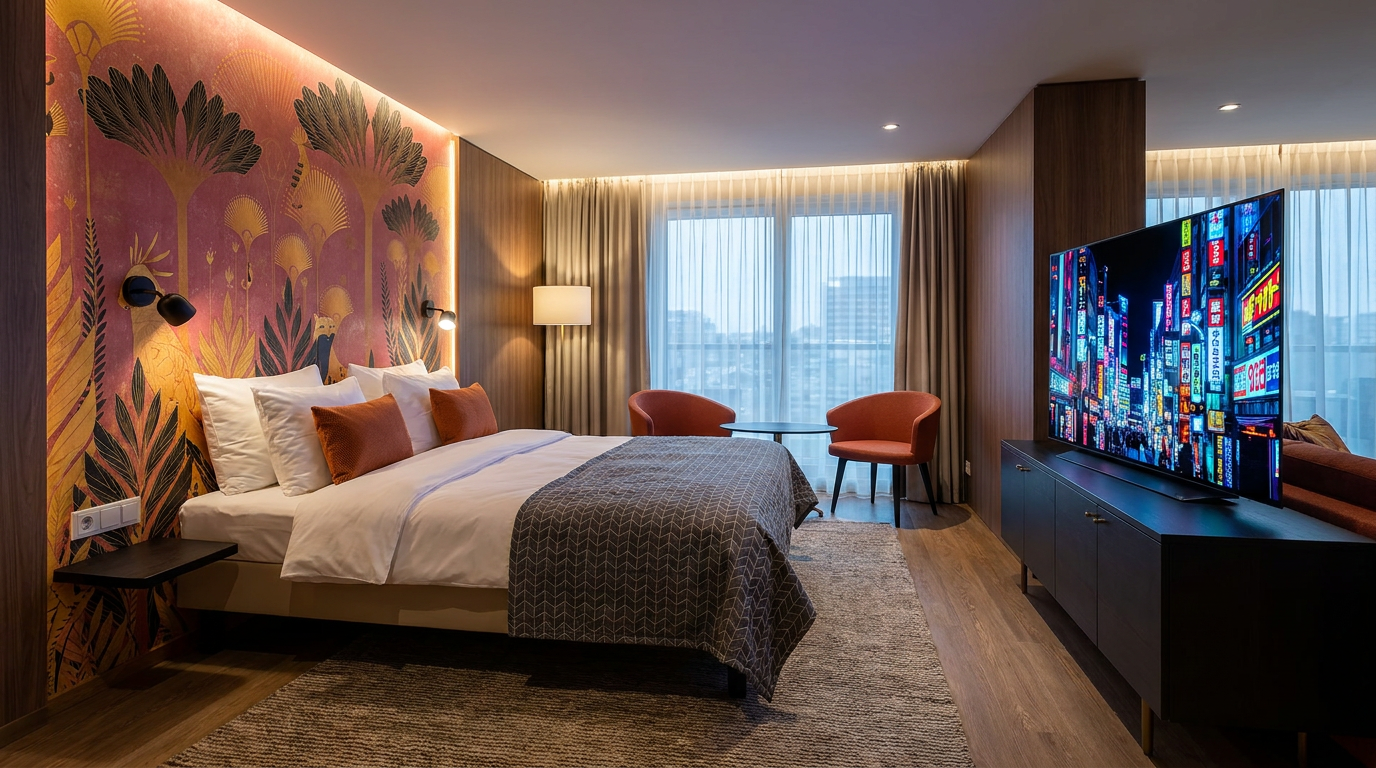
- Home Theater Purists
- Prioritize perfect black levels, pixel-level contrast, and cinematic accuracy for dark-room viewing.
- Bright-Room Viewers
- Value peak brightness, glare reduction, and sustained full-screen luminance for daytime sports and casual viewing.
- Heavy Gamers & Power Users
- Focus on high refresh rates, low input lag, and zero burn-in risk for PC use and static HUDs.
What's not represented
- · Budget-conscious consumers who are priced out of both flagship OLED and premium Mini-LED models.
- · Environmental advocates concerned about the high power consumption of 2,500-nit Mini-LED panels.
Why this matters
Buying the wrong TV technology for your room's lighting can ruin the viewing experience, leaving you with washed-out images in a bright living room or distracting light halos in a dark home theater. Understanding the specific trade-offs between OLED and Mini-LED ensures your investment actually matches your daily viewing habits.
Key points
- The 2026 TV market is defined by Tandem OLEDs pushing brightness limits and RGB Mini-LEDs delivering massive color volume.
- OLED remains the undisputed champion for dark rooms, offering perfect black levels and pixel-level contrast without blooming.
- Mini-LED excels in sunlit rooms, sustaining high full-screen brightness that prevents daytime sports and shows from looking washed out.
- OLED panels still rely on Automatic Brightness Limiters (ABL), which can dim the screen during bright, full-screen scenes.
- Mini-LED carries zero burn-in risk, making it the safer long-term choice for heavy gamers and PC monitor use.
- Buyers must choose based on their room's lighting and viewing habits, as neither technology is a universal winner.
The 2026 television market has shattered the traditional rules of display technology, turning the annual living room upgrade into a complex decision. For years, the advice was simple: buy an OLED for a dark home theater, or buy an LED for a bright living room. But a wave of engineering breakthroughs has blurred those boundaries, with OLED panels pushing unprecedented brightness and Mini-LEDs achieving near-perfect contrast.[1][4]
The most significant leap for OLED technology in 2026 is the mainstream adoption of Tandem OLED and refined QD-OLED panels. By stacking multiple organic light-emitting layers, flagship models from major manufacturers can now reach peak brightness levels of 1,500 to 2,000 nits in small windows. This architecture not only boosts high-dynamic-range (HDR) impact but significantly improves heat dissipation, extending the panel's lifespan and reducing historical anxieties about the technology.[4][5]
The core argument for OLED remains its undisputed mastery of micro-contrast. Because every single pixel illuminates independently and can turn off completely, OLED TVs deliver perfect, inky blacks. When watching a sci-fi movie, a brilliantly bright starfield sits against a pitch-black background with absolutely zero light bleed, creating a sense of three-dimensional depth that LCD technologies still struggle to replicate perfectly.[4][6]

However, the case against OLED centers on its behavior in sun-drenched environments. Despite the impressive peak brightness numbers for small highlights, OLED panels still rely on an Automatic Brightness Limiter (ABL) to prevent overheating and permanent burn-in. When displaying a bright, full-screen image—like a daytime hockey game or a snowy nature documentary—the TV aggressively throttles its output down to around 300 to 400 nits, which can look washed out in a room with wide, uncovered windows.[3][5]
On the other side of the aisle, Mini-LED has evolved from a brute-force brightness solution into a precision instrument. The defining trend of 2026 is the shift toward RGB Mini-LED backlighting. By replacing traditional blue LEDs with dedicated red, green, and blue diodes, these panels drastically improve color volume and purity, rivaling the rich saturation previously exclusive to QD-OLEDs.[1][2]
On the other side of the aisle, Mini-LED has evolved from a brute-force brightness solution into a precision instrument.
The primary argument for Mini-LED is its sheer, sustained luminance. These panels act as absolute light cannons, easily sustaining 2,500 nits of peak brightness without the need for aggressive full-screen dimming. For daytime sports viewing, open-concept living spaces, and fighting severe window glare, Mini-LED maintains a punchy, vibrant image that simply overpowers ambient light in a way OLED cannot match.[3][6]

The trade-off for Mini-LED is the inherent limitation of zone-based backlighting. Even with thousands of local dimming zones, the TV cannot control light at the individual pixel level. In a dark room, high-contrast scenes will still exhibit minor blooming—a faint halo of light around bright objects, such as white subtitles on a black cinematic letterbox. While 2026 algorithms have minimized this effect, home theater purists will still notice the difference.[4][6]
Gaming performance introduces another layer of trade-offs. Both technologies now routinely offer 144Hz to 165Hz refresh rates, Variable Refresh Rate (VRR), and multiple HDMI 2.1 ports for modern consoles and PCs. OLED holds a distinct edge in motion clarity due to its near-instantaneous pixel response times, ensuring that fast-paced camera pans in competitive shooters remain perfectly crisp without ghosting.[4][6]
Conversely, Mini-LED offers total peace of mind for heavy gamers and PC users. Static elements like heads-up displays (HUDs), health bars, and desktop taskbars carry a slight risk of permanent image retention on OLED panels over thousands of hours of cumulative use. Mini-LED carries zero burn-in risk, making it the safer long-term investment for users who leave their screens on news channels or use them as massive productivity monitors.[5][6]

Buyers must also navigate the ongoing HDR format war, which complicates the hardware choice. The 2026 landscape is split between Dolby Vision 2 and HDR10+ Advanced. Different brands heavily support different ecosystems, forcing consumers to verify which format their preferred streaming services and 4K Blu-rays use before committing to a specific panel.[2][4]
Ultimately, OLED fits best when the primary viewing environment is a dim or light-controlled room. It is the definitive choice for cinephiles who prioritize perfect black levels, pixel-level contrast, and cinematic accuracy over sheer brightness. It excels for prestige television, dark movies, and immersive console gaming where the visual depth of perfect blacks transforms the experience.[4][6]
Mini-LED fits best when the television lives in a bright, sunlit room where glare is a constant battle. It is the superior choice for daytime sports fans, casual mixed-use family rooms, and heavy PC gamers who want maximum HDR impact without the lingering anxiety of burn-in. In 2026, the decision is no longer about which technology is objectively better, but which set of compromises best matches the reality of the room it will live in.[3][5]
How we got here
Mid-2010s
OLED establishes dominance in the premium TV market, celebrated for perfect blacks but criticized for low brightness.
2021
Mini-LED technology goes mainstream, offering a brighter alternative to OLED by shrinking backlight diodes and increasing dimming zones.
2022
QD-OLED panels are introduced, combining quantum dots with OLED to improve color saturation at higher brightness levels.
January 2026
Major manufacturers unveil Tandem OLED and RGB Mini-LED technologies at CES, significantly closing the performance gap between the two panel types.
Viewpoints in depth
Home Theater Purists
Advocates for perfect black levels and cinematic accuracy above all else.
For cinephiles and professional colorists, the conversation begins and ends with micro-contrast. This camp argues that the ability to turn off individual pixels creates a three-dimensional depth that no zone-based backlight can match. They view the extreme peak brightness of Mini-LEDs as unnecessary for accurately mastered films, preferring the pixel-perfect precision and zero-blooming characteristics of OLED for dark-room viewing.
Bright-Room Viewers
Prioritizes sustained brightness and glare reduction for everyday living spaces.
This perspective focuses on the reality of modern, open-concept homes with large windows. They argue that perfect black levels are irrelevant if the screen is washed out by afternoon sunlight. For this camp, the sheer light output of a Mini-LED—capable of sustaining high brightness across the entire screen during a daytime football game—makes it the only practical choice for a family living room.
Heavy Gamers & Power Users
Focuses on motion clarity, refresh rates, and long-term panel durability.
Gamers are split based on their specific habits, but power users who double their TVs as PC monitors lean heavily toward Mini-LED. They point out that leaving a static desktop taskbar or a game's heads-up display on screen for thousands of hours makes OLED a risky investment. While they acknowledge OLED's superior motion clarity, the absolute zero risk of burn-in makes Mini-LED the pragmatic choice for heavy, static-heavy usage.
What we don't know
- How the long-term durability of first-generation RGB Mini-LED panels will compare to mature OLED manufacturing.
- Whether the format war between Dolby Vision 2 and HDR10+ Advanced will eventually result in a unified standard.
- Exactly how many thousands of hours it takes for 2026 Tandem OLEDs to show signs of burn-in under heavy static use.
Key terms
- Tandem OLED
- A new panel architecture that stacks multiple organic light-emitting layers to increase peak brightness and extend the screen's lifespan.
- Local Dimming Zones
- Specific areas of a Mini-LED backlight that can independently dim or turn off to improve contrast and create deeper blacks.
- Blooming
- A visual artifact where light bleeds into dark areas of the screen, creating a faint halo around bright objects like subtitles.
- Automatic Brightness Limiter (ABL)
- A software feature in OLED TVs that automatically dims the screen when a large portion of the image is bright, protecting the panel from overheating.
- Color Volume
- A measurement of how well a TV can maintain accurate and saturated colors at very high brightness levels.
Frequently asked
Is OLED or Mini-LED better for a bright living room?
Mini-LED is generally better for bright rooms because it can sustain much higher full-screen brightness to cut through glare, whereas OLED panels dim themselves to prevent overheating.
Do OLED TVs still suffer from burn-in in 2026?
While 2026 Tandem OLEDs have significantly improved heat dissipation and software mitigations, burn-in remains a slight risk for users who display static elements like news tickers or PC taskbars for thousands of hours.
What is RGB Mini-LED?
It is a 2026 backlighting technology that replaces traditional blue LEDs with individual red, green, and blue diodes, resulting in richer color volume and higher peak brightness.
Which TV technology is better for gaming?
OLED offers near-instant response times for crisp motion, making it ideal for cinematic gaming. However, Mini-LED is safer for heavy gamers who play titles with static HUDs, as it carries zero burn-in risk.
Sources
Source coverage
6 outlets
3 viewpoints surfaced






[1]RTINGS.comHome Theater Purists
The Best Mini LED TVs - Spring 2026
Read on RTINGS.com →[2]What Hi-Fi?Bright-Room Viewers
Best TVs 2026: flagship OLEDs and affordable Mini LEDs
Read on What Hi-Fi? →[3]TechRadarBright-Room Viewers
OLED vs mini-LED: which is the best TV tech for watching sports?
Read on TechRadar →[4]Data Wire SolutionsHome Theater Purists
Best TVs for 2026: 10 OLED and Mini-LED Picks
Read on Data Wire Solutions →[5]KTCHeavy Gamers & Power Users
Tandem OLED vs. Mini-LED: Choosing the Best HDR Panel in 2026
Read on KTC →[6]EcoPicksGoHeavy Gamers & Power Users
OLED vs Mini LED TVs: 2026 Buyer's Guide
Read on EcoPicksGo →


Every angle. Every day.
Get shopping stories with full source coverage and perspective breakdowns delivered to your inbox.