
The 2026 E-Bike Buying Guide: How to Choose the Right Ride
As electric bikes become lighter, safer, and more affordable, navigating the market requires understanding battery certifications, motor types, and local regulations. Here is everything you need to know before making a purchase.
By Factlen Editorial Team
- Urban Commuters
- Prioritize low maintenance, cost-effectiveness, and sweat-free travel.
- Off-Road & Performance Riders
- Value natural ride feel, balance, and high torque for climbing.
- Safety Regulators
- Focus on mitigating fire risks and ensuring safe integration with pedestrian infrastructure.
What's not represented
- · Traditional analog cyclists
- · Pedestrian advocacy groups
Why this matters
Choosing the right e-bike dictates not only your daily comfort and commute time, but also where you are legally allowed to ride and the fire safety of your home.
Key points
- E-bikes are categorized into three classes that dictate their top speed, throttle capabilities, and where they can be legally ridden.
- Hub-drive motors offer a low-maintenance, cost-effective ride, while mid-drive motors provide better balance and climbing efficiency.
- Safety regulators strongly advise purchasing only e-bikes that carry a UL 2849 certification to prevent catastrophic battery fires.
- Premium e-bikes use torque sensors for a smooth, natural ride feel, whereas budget models rely on simpler cadence sensors.
The electric bicycle market has matured significantly by the summer of 2026, transitioning from a niche hobbyist pursuit into a mainstream transportation revolution. As battery technology improves and motors become increasingly integrated into sleek frames, consumers are faced with an overwhelming array of choices. Buying an e-bike is no longer just about picking a color and a frame size; it requires navigating a complex landscape of motor types, sensor technologies, and strict safety certifications. For many riders, an e-bike represents a substantial financial investment and a primary mode of daily transit, making the initial purchasing decision critical to long-term satisfaction.[7]
The foundational decision for any prospective buyer is selecting the correct e-bike class, a three-tiered legal framework adopted by the vast majority of U.S. states to regulate motorized bicycles. This classification system dictates not only how fast the electric motor can propel the bike, but crucially, where the vehicle is legally permitted to be ridden. Understanding these distinctions is absolutely essential to avoid purchasing a vehicle that is banned from your local bike paths, mountain biking trails, or preferred commuting routes.[1][2]
Class 1 e-bikes represent the most traditional cycling experience available in the electric market. These models are equipped with a motor that provides assistance only when the rider is actively turning the pedals, a system universally known as pedal-assist. The motor is legally required to cut off its assistance once the bicycle reaches a top speed of 20 miles per hour. Because they require continuous human effort and operate at moderate speeds, Class 1 e-bikes are widely treated like traditional analog bicycles by local authorities, granting them the broadest access to shared multi-use paths, state parks, and mountain bike trails.[1][2]

Class 2 e-bikes share the same 20-mile-per-hour speed limit as their Class 1 counterparts, but they introduce a crucial hardware addition: a throttle. Usually mounted on the handlebar as a twist grip or a thumb button, the throttle allows the rider to propel the bike forward without pedaling at all, much like a scooter. This feature makes Class 2 models exceptionally popular among urban commuters who want to arrive at the office without breaking a sweat, or riders with physical limitations. However, because they can be propelled without human effort, some natural-surface trails and strict pedestrian paths prohibit Class 2 models.[1][2]
For those prioritizing speed and covering long distances, Class 3 e-bikes offer the highest level of performance within the legal bicycle framework. These models are pedal-assist only—meaning no throttle—but the motor continues to provide power up to 28 miles per hour. By law, Class 3 e-bikes must be equipped with a speedometer. Due to their higher top speeds, they are generally restricted to road lanes and designated painted bike lanes, and are frequently banned from shared multi-use paths to protect pedestrians. They are the vehicle of choice for riders replacing a car commute on suburban roads.[1][2]
Once the appropriate legal class is determined, the next major hardware consideration is the motor's physical placement on the bicycle. The e-bike industry is currently divided between two primary engineering architectures: the hub-drive motor and the mid-drive motor. Hub-drive motors represent the older and more common technology, typically housed entirely within the center of the rear wheel. When activated, a hub motor directly spins the wheel, creating a distinct sensation that the rider is being pushed forward from behind. This design is highly cost-effective to manufacture, making it the standard choice for entry-level and budget-friendly e-bikes. Furthermore, hub motors operate entirely independently of the bicycle's chain and gears, which means they put less stress on the drivetrain and require very little routine maintenance.[5][6]
Once the appropriate legal class is determined, the next major hardware consideration is the motor's physical placement on the bicycle.
However, hub motors come with distinct performance drawbacks. Because the heavy electric motor is located at the extreme rear of the bike, it can create an unbalanced, rear-heavy feel that negatively affects handling on tight corners or uneven terrain. Furthermore, because the motor does not leverage the bike's mechanical gears, it operates less efficiently on steep inclines, often bogging down or overheating if forced to climb long hills without sufficient rider effort. Fixing a flat tire on a rear hub motor also requires disconnecting electrical cables and wrestling with a heavy wheel assembly, complicating a normally simple repair.[5][6]

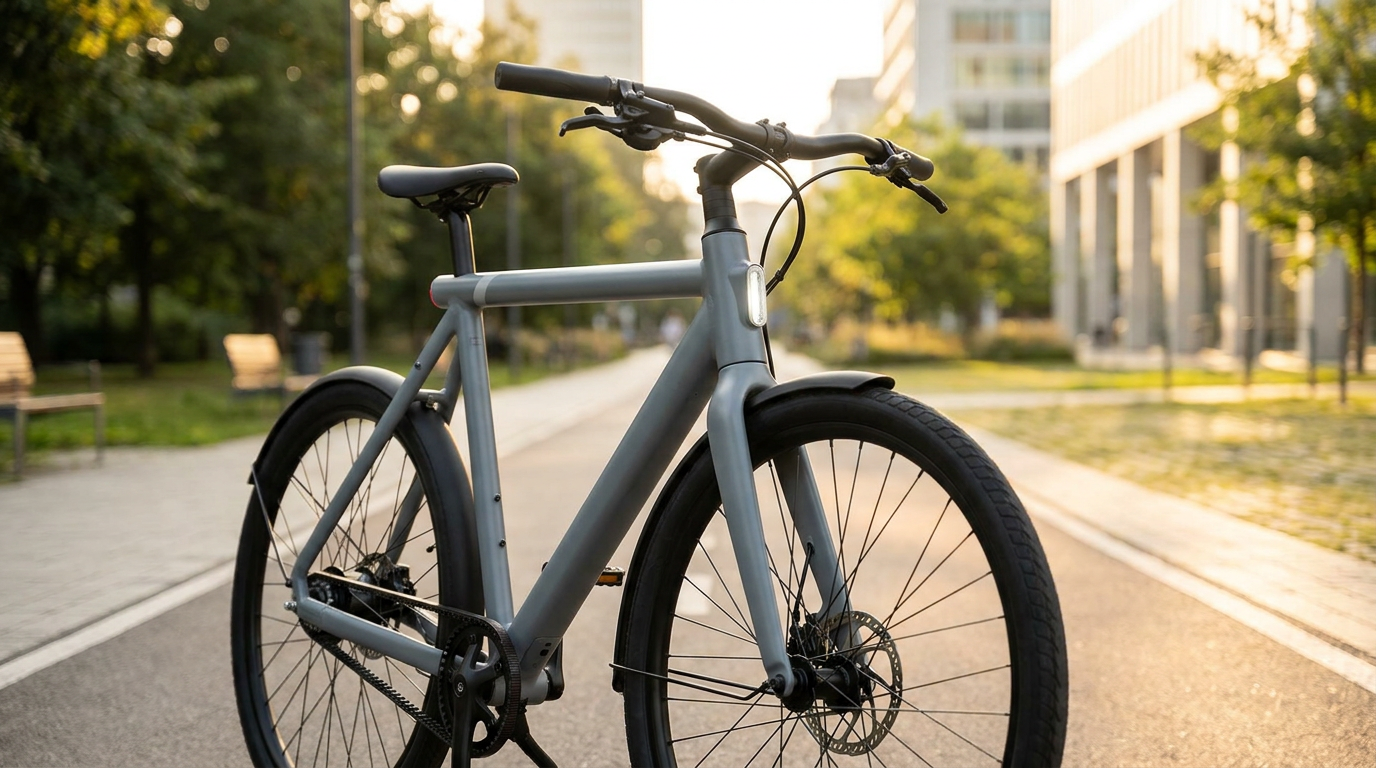
Mid-drive motors, conversely, are positioned directly between the pedals at the bike's bottom bracket. Instead of spinning the wheel directly, a mid-drive motor powers the front chainring, sending its force through the bicycle's existing chain and rear gears. This allows the motor to operate synergistically with the rider's shifting; when the rider shifts into a low gear for a steep hill, the motor also benefits from that mechanical advantage. This makes mid-drives vastly superior for climbing steep grades, towing heavy cargo, and navigating technical off-road trails where torque is paramount.[5][6]
The centralized placement of a mid-drive motor keeps the bike's center of gravity low and perfectly balanced, preserving the natural, agile handling characteristics of a traditional analog bicycle. However, this premium performance comes at a significantly higher price point. Mid-drive e-bikes are notably more expensive to purchase, and because the motor's substantial power is channeled directly through the chain and rear cassette, these drivetrain components experience accelerated wear and tear, requiring more frequent replacement and diligent lubrication. Riders must be prepared for higher long-term maintenance costs and a steeper initial investment when opting for this advanced architecture.[5][6]
Beyond the motor itself, the sensors that tell the motor when to engage are equally important to the overall ride quality. Budget e-bikes typically use cadence sensors, which act like a simple on/off switch: once the pedals start turning, the motor delivers a predetermined burst of power. Premium e-bikes, however, utilize sophisticated torque sensors. These sensors measure exactly how much physical force the rider is applying to the pedals and amplify it proportionally in real-time. Torque sensors result in a buttery-smooth, intuitive ride that feels like having bionic legs, whereas cadence sensors can sometimes feel jerky, delayed, or unpredictable in stop-and-go traffic.[7]

While performance features and motor specifications are exciting, fire safety has rapidly become the paramount concern in the 2026 e-bike market. The global proliferation of cheap, uncertified lithium-ion batteries has led to a well-documented and alarming rise in thermal runaway events—catastrophic chemical fires that burn with intense heat and are notoriously difficult for fire departments to extinguish. In response to these incidents, regulators, consumer protection agencies, and safety organizations have cracked down aggressively on substandard electrical systems. Buyers are now strongly cautioned against purchasing generic, off-brand e-bikes from direct-to-consumer marketplaces that bypass traditional safety testing.[3][4]
The e-bike industry's gold standard for safety is UL 2849, a rigorous and comprehensive certification developed by Underwriters Laboratories. Crucially, this standard does not just test the lithium-ion battery in isolation; it evaluates the entire electrical system—including the drive train, the battery management system, and the charger—to ensure they communicate safely and will not overheat during charging or operation. The exhaustive testing process subjects the components to extreme ambient temperatures, water ingress, electrical shocks, and heavy vibration to simulate years of hard, real-world use.[3][4]

The importance of securing a UL 2849 certification cannot be overstated in today's regulatory environment. In late 2022, the U.S. Consumer Product Safety Commission issued a stark warning to retailers, urging them to only sell e-bikes that meet this specific standard. Subsequently, major municipalities like New York City passed strict laws making it outright illegal to sell, lease, or distribute an e-bike that lacks UL 2849 certification. For consumers, verifying the presence of a legitimate UL testing mark is the single most important step in ensuring their new e-bike will not pose a deadly fire hazard in their garage or apartment.[3][4]
As the e-bike landscape continues to evolve through 2026, the physical distinction between electric and analog bicycles is rapidly blurring. Motors are becoming smaller, quieter, and more seamlessly integrated into the frame tubing, while advances in battery chemistry are gradually reducing overall weight and extending range. By understanding the three-class legal system, evaluating motor architectures, and insisting on critical safety certifications, buyers can confidently navigate this booming market and select a vehicle that will safely and joyfully transform their daily commute or weekend recreation.[7]
How we got here
2020
Underwriters Laboratories publishes the first edition of UL 2849, establishing a comprehensive safety standard for e-bike electrical systems.
Late 2022
The U.S. Consumer Product Safety Commission (CPSC) issues a letter urging retailers and manufacturers to comply with UL 2849 to prevent battery fires.
September 2023
New York City implements Local Law 39, making it illegal to sell or lease e-bikes that are not certified to UL 2849 or an equivalent safety standard.
2026
The three-class e-bike system is now adopted by the vast majority of U.S. states, standardizing trail access and speed limits nationwide.
Viewpoints in depth
Urban Commuters
Prioritize low maintenance, cost-effectiveness, and sweat-free travel.
For the daily city commuter, the e-bike is a utilitarian tool meant to replace a car or subway pass. This camp heavily favors Class 2 e-bikes with hub-drive motors. The inclusion of a throttle allows riders to navigate stop-and-go traffic or arrive at the office without exerting physical effort. Because hub motors bypass the bicycle's drivetrain, they require significantly less routine maintenance, a major selling point for riders who view the bike as an appliance rather than a hobby.
Off-Road & Performance Riders
Value natural ride feel, balance, and high torque for climbing.
Mountain bikers and performance-oriented cyclists prioritize how the e-bike handles on challenging terrain. This group almost exclusively prefers Class 1 e-bikes equipped with mid-drive motors and torque sensors. The mid-drive architecture keeps the bike's center of gravity low and balanced, while the torque sensor ensures the motor's power delivery feels like a natural extension of the rider's own legs. The ability to leverage the bike's mechanical gears is considered essential for tackling steep, technical ascents.
Safety Regulators
Focus on mitigating fire risks and ensuring safe integration with pedestrian infrastructure.
Consumer protection agencies and municipal fire departments view the e-bike boom through the lens of public safety. Their primary concern is the proliferation of uncertified lithium-ion batteries, which have caused a spike in severe thermal runaway fires. This camp advocates strongly for mandatory UL 2849 certification across the industry. Additionally, regulators are focused on strictly enforcing the three-class system to ensure high-speed Class 3 e-bikes are kept off shared pedestrian paths.
What we don't know
- How local municipalities will adapt their infrastructure and trail access laws as high-speed e-bikes become increasingly common.
- Whether a standardized, industry-wide battery recycling program will successfully scale to handle the millions of e-bike batteries reaching the end of their lifespan.
Key terms
- Pedal-Assist System (PAS)
- A mechanism where the electric motor only provides power when the rider is actively turning the pedals.
- Throttle
- A handlebar-mounted control that allows the rider to engage the motor and propel the bike forward without pedaling.
- Torque Sensor
- A sophisticated sensor that measures how hard the rider is pedaling and delivers motor assistance proportional to that physical effort.
- Cadence Sensor
- A basic sensor that detects whether the pedals are turning and delivers a fixed amount of motor power, regardless of how hard the rider is pushing.
- Thermal Runaway
- A dangerous, uncontrollable chain reaction within a damaged lithium-ion battery that leads to a rapid increase in temperature and a severe chemical fire.
Frequently asked
Do I need a driver's license to ride an e-bike?
In most U.S. states, you do not need a license, registration, or insurance to ride a Class 1, 2, or 3 e-bike. However, age restrictions often apply, and local laws can vary, so it is always recommended to check your specific municipal regulations.
Can I ride an e-bike in the rain?
Yes, most modern e-bikes are designed to be water-resistant and can be ridden in light to moderate rain. Look for the bike's IP (Ingress Protection) rating, but avoid submerging the motor or battery in deep puddles or using a high-pressure hose to clean it.
How long will the battery last before it needs replacing?
A high-quality lithium-ion e-bike battery typically lasts between 3 to 5 years, or roughly 500 to 1,000 full charge cycles, before its maximum capacity significantly degrades.
Is it safe to charge my e-bike indoors?
It is generally safe if the e-bike and its charger are certified to UL 2849 standards. You should always use the original charger provided by the manufacturer, avoid charging overnight while sleeping, and never block a fire exit.
Sources
Source coverage
7 outlets
3 viewpoints surfaced







[1]Priority BicyclesOff-Road & Performance Riders
E-Bike Classes Explained
Read on Priority Bicycles →[2]Aventon BikesUrban Commuters
Ebike Classes 1, 2, and 3: How Do They Differ?
Read on Aventon Bikes →[3]UL SolutionsSafety Regulators
E-Bikes Certification: Evaluating and Testing to UL 2849
Read on UL Solutions →[4]SGSSafety Regulators
Understanding E-Bike Standard UL 2849: Commonly Asked Questions
Read on SGS →[5]Gazelle BikesOff-Road & Performance Riders
eBike Hub Motor vs Mid Motor: The Pros and Cons
Read on Gazelle Bikes →[6]EngweUrban Commuters
Understanding Your Electric Motor For Bike: Hub Vs. Mid-Drive
Read on Engwe →[7]Factlen Editorial Team
Synthesis by Factlen editorial team
Read on Factlen Editorial Team →
Every angle. Every day.
Get shopping stories with full source coverage and perspective breakdowns delivered to your inbox.