
US and Iran Reach Tentative Deal to End 15-Week War, Reopen Strait of Hormuz
The United States and Iran have agreed to a framework peace deal that establishes a 60-day ceasefire and reopens critical global shipping lanes. However, conflicting claims over the deal's terms and Israel's refusal to halt operations in Lebanon threaten the fragile agreement.
By Factlen Editorial Team

- U.S. Administration
- Frames the deal as a definitive victory that secures the Strait of Hormuz, ends the naval blockade, and permanently prevents Iran from acquiring a nuclear weapon.
- Iranian Leadership
- Views the agreement as a capitulation to its demands, emphasizing the release of frozen assets, the lifting of sanctions, and continued sovereignty over the Strait.
- Israeli Security Establishment
- Rejects the ceasefire's application to its regional operations, insisting it will maintain its military presence in Lebanon and continue fighting Hezbollah.
- Global Markets & Mediators
- Welcomes the de-escalation primarily for its economic relief, focusing on the resumption of global shipping and the stabilization of energy prices.
What's not represented
- · Lebanese Civilians
- · Commercial Shipping Operators
Why this matters
The 15-week conflict severely disrupted global energy markets and blocked a waterway that handles a fifth of the world's oil. A successful ceasefire would stabilize international shipping and lower fuel costs, though a collapse could trigger a wider regional war involving Israel and Lebanon.
Key points
- The U.S. and Iran have agreed to a tentative framework to end their 15-week war.
- The deal includes a 60-day ceasefire to negotiate a final agreement on Iran's nuclear program.
- Israel rejected the ceasefire's application to Lebanon, vowing to maintain its military presence.
- The U.S. and Iran have issued conflicting claims regarding the release of $24 billion in frozen assets.
- Global oil prices dropped significantly following the announcement that the Strait of Hormuz would reopen.
The United States and Iran have reached a tentative framework agreement to end their 15-week war, signaling a potential de-escalation of a conflict that has paralyzed global shipping and roiled energy markets. Brokered by Pakistan and Qatar, the memorandum of understanding establishes an immediate ceasefire and initiates a 60-day window for technical negotiations over Iran's nuclear program and the lifting of international sanctions.[1][4]
President Donald Trump announced the breakthrough on social media, declaring the deal "complete" and authorizing the immediate removal of the U.S. naval blockade on Iranian ports. Trump emphasized that the agreement would permanently prevent Tehran from acquiring a nuclear weapon and ordered the immediate, toll-free reopening of the Strait of Hormuz, urging the "ships of the world" to restart their engines.[2][7][8]
However, the exact terms of the agreement remain highly contested, with Washington and Tehran presenting starkly different versions of what was actually signed. Iran's Islamic Revolutionary Guard Corps (IRGC) published a 14-point list claiming the U.S. had agreed to release half of Iran's $24 billion in frozen assets before final negotiations even begin. U.S. officials immediately pushed back, stating that Iran would not receive any funds until it demonstrated full compliance with the deal's stipulations.[4][5]

The status of the Strait of Hormuz—a critical maritime chokepoint through which one-fifth of the world's oil flows—is also a point of friction. While the U.S. administration insists the waterway will be open and toll-free, Iranian state media reported that the strait would be managed under "Iranian arrangements." Sources close to the Iranian security services claimed that the final text was amended to allow Tehran to charge "maritime service fees" to passing vessels.[2][4]
The status of the Strait of Hormuz—a critical maritime chokepoint through which one-fifth of the world's oil flows—is also a point of friction.
The most immediate threat to the fragile peace deal comes from Israel, which joined the U.S. in launching the war in late February. Israeli Defense Minister Israel Katz explicitly rejected the ceasefire's application to the northern front, stating that Israel is not bound by the U.S.-Iran agreement and will not withdraw from Lebanese territory seized during its campaign against Hezbollah.[3][5]
Katz warned that Israeli forces plan to remain "indefinitely" in the lands they currently hold in Lebanon, Syria, and Gaza. He further threatened that if Iran retaliates against Israeli strikes in Lebanon, Israel will respond with "great force." This directly contradicts Iran's Supreme National Security Council, which stated that the agreement mandates an immediate and permanent end to military operations on all fronts, explicitly including Lebanon.[1][3]

Despite the glaring diplomatic hurdles, global markets reacted with immediate relief. The price of Brent crude oil dropped by more than $4 a barrel in early Asian trading, and stock markets in Tokyo and Seoul jumped by over 5%. Energy analysts caution, however, that it may take months for oil prices to fully stabilize, as shipping companies must navigate the logistical backlog of stranded vessels and the lingering security risks of mines in the Persian Gulf.[4][5]
The nuclear component of the deal remains the most complex long-term challenge. The 60-day negotiation period is meant to resolve the fate of Iran's highly enriched uranium stockpile, which Tehran expanded significantly following the collapse of the 2015 Joint Comprehensive Plan of Action (JCPOA). While both sides have found ways to claim early victories, the official signing ceremony, scheduled for Friday in Switzerland, will be the first true test of whether this tentative framework can hold.[1][6]

How we got here
Late Feb 2026
The United States and Israel launch military operations against Iran, beginning a 15-week war.
April 2026
The U.S. imposes a naval blockade on Iranian ports, and the Strait of Hormuz is effectively closed to commercial shipping.
June 14, 2026
Pakistani mediators announce that a framework peace deal has been reached between Washington and Tehran.
June 15, 2026
U.S. and Iranian officials confirm the tentative agreement, though they immediately dispute the specific terms.
June 19, 2026
The official memorandum of understanding is scheduled to be signed by both parties in Switzerland.
Viewpoints in depth
U.S. Administration's View
The deal is a decisive victory that neutralizes the Iranian nuclear threat and secures global shipping.
U.S. officials frame the framework agreement as a vindication of their military and diplomatic strategy. By securing a commitment that Iran will never acquire a nuclear weapon and forcing the reopening of the Strait of Hormuz, the administration argues it has stabilized the Middle East on American terms. They maintain a hard line on financial concessions, insisting that none of Iran's frozen assets will be released until Tehran proves its compliance through verifiable actions during the 60-day negotiation window.
Iranian Leadership's View
The agreement is a successful defense of Iranian sovereignty that forces the U.S. to lift sanctions and release funds.
Tehran presents the ceasefire as a failure of the U.S. and Israeli military campaign to topple the regime. Iranian state media and the Islamic Revolutionary Guard Corps emphasize the economic victories of the deal, specifically the immediate release of $12 billion in frozen assets and the suspension of sanctions on oil exports. Furthermore, Iran claims it will maintain sovereign control over the Strait of Hormuz, potentially charging maritime fees, which directly contradicts Washington's promise of a toll-free waterway.
Israeli Security Establishment's View
The U.S.-Iran deal is insufficient and does not address the immediate security threats on Israel's borders.
Israeli defense officials are deeply skeptical of the agreement, viewing it as a premature halt that leaves Iran's proxy networks intact. The Israeli government has explicitly decoupled its operations in Lebanon from the broader U.S.-Iran ceasefire, refusing to withdraw its forces or end its campaign against Hezbollah. Officials warn that any Iranian retaliation for Israeli strikes in Lebanon will be met with overwhelming force, highlighting a massive loophole in the peace framework that could easily reignite the wider war.
What we don't know
- Whether Iran will actually receive its frozen assets before or after the 60-day negotiation period.
- How the U.S. and Iran will resolve the dispute over toll fees in the Strait of Hormuz.
- If Israel's continued military operations in Lebanon will cause Iran to abandon the ceasefire.
- The specific technical limits that will be placed on Iran's enriched uranium stockpile.
Key terms
- Strait of Hormuz
- A narrow, strategically vital waterway between the Persian Gulf and the Gulf of Oman through which roughly 20% of the world's oil passes.
- Naval Blockade
- A military operation in which ships are used to prevent vessels from entering or leaving a nation's ports, utilized by the U.S. against Iran during the conflict.
- Highly Enriched Uranium
- Uranium that has been processed to increase the concentration of the U-235 isotope, bringing it closer to the grade required for a nuclear weapon.
Frequently asked
When does the ceasefire take effect?
The tentative framework establishes an immediate halt to hostilities, though the official memorandum of understanding is expected to be signed on Friday in Switzerland.
Will Israel stop fighting in Lebanon?
No. Israeli officials have explicitly stated they are not bound by the U.S.-Iran agreement and will not withdraw from Lebanese territory.
What happens to Iran's nuclear program?
The agreement triggers a 60-day negotiation period to finalize terms regarding Iran's highly enriched uranium stockpile and the lifting of international sanctions.
Is the Strait of Hormuz open now?
The U.S. has authorized the removal of its naval blockade, but it may take weeks or months to clear stranded vessels and ensure the waterway is safe from mines.
Sources
Source coverage
8 outlets
4 viewpoints surfaced








[1]Al JazeeraIranian Leadership
Iran, US agree tentative deal to ‘end war’: Your questions answered
Read on Al Jazeera →[2]Fox NewsU.S. Administration
President Trump announces Iran peace agreement and more top headlines
Read on Fox News →[3]The Washington PostIsraeli Security Establishment
US, Iran reach initial agreement to end war; Israel says it won't withdraw from Lebanon
Read on The Washington Post →[4]The GuardianGlobal Markets & Mediators
US and Iran reach tentative peace deal to end war and reopen strait of Hormuz
Read on The Guardian →[5]CBS NewsIsraeli Security Establishment
U.S.-Iran deal updates: Israel says no Lebanon withdrawal, Iran says funds expected before final talks
Read on CBS News →[6]The New York TimesGlobal Markets & Mediators
On the Nuclear Issue, Each Side Finds a Way to Claim Victory
Read on The New York Times →[7]TIMEU.S. Administration
Trump Announces Deal to End War With Iran
Read on TIME →[8]NPRU.S. Administration
Trump announces deal to end war in Iran
Read on NPR →

More in news politics
See all 5 stories →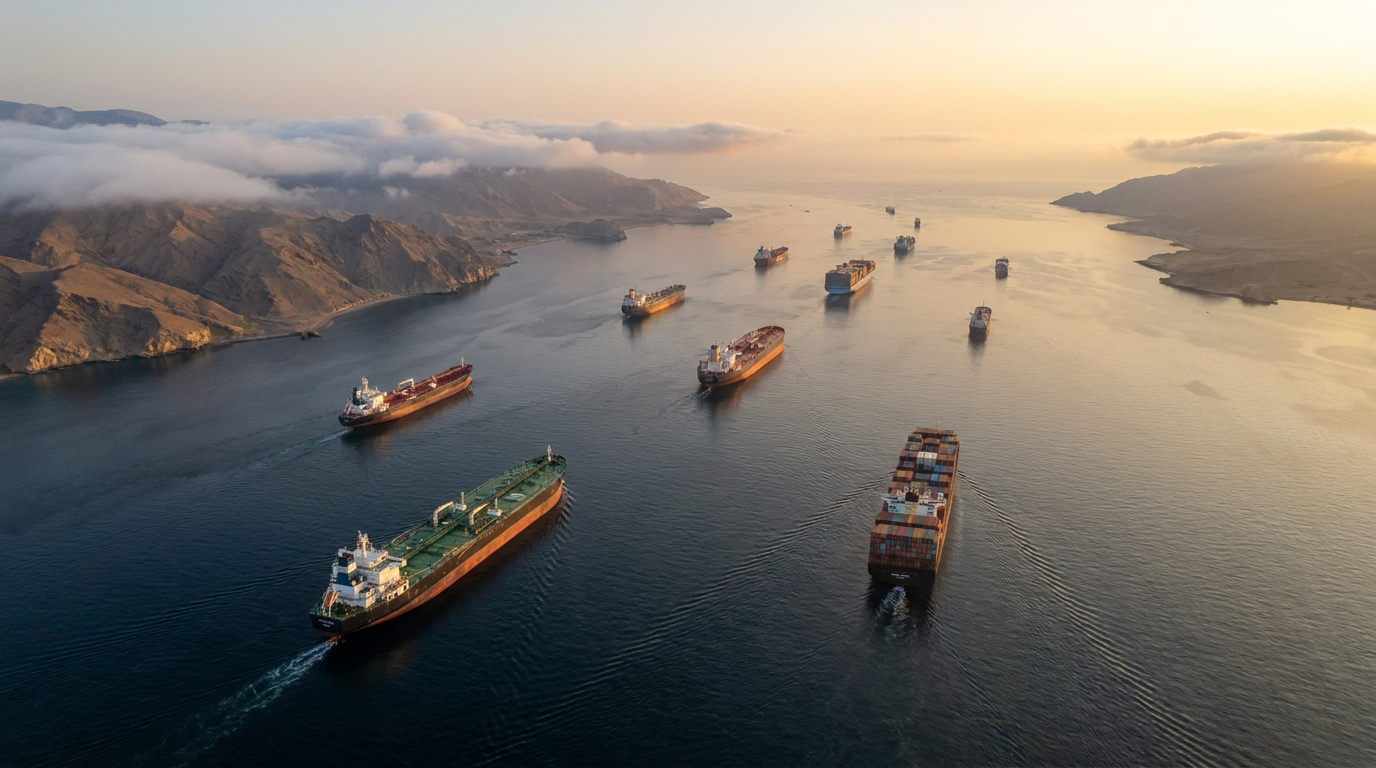


Every angle. Every day.
Get news politics stories with full source coverage and perspective breakdowns delivered to your inbox.