
How Peptides Moved From Underground Biohacking to Mainstream Medicine
Following the massive success of GLP-1 weight-loss drugs, a broader class of regenerative peptides is moving from niche biohacking forums into mainstream telehealth. Now, the FDA is reconsidering its restrictions on popular compounds like BPC-157 ahead of a pivotal summer review.
By Factlen Editorial Team
- Longevity & Telehealth Advocates
- Argue that peptides offer targeted, highly effective tools for tissue repair and healthy aging, and should be accessible through regulated medical channels.
- Regulatory & Safety Watchdogs
- Emphasize the need for rigorous human clinical trials before widespread use, citing theoretical risks like immunogenicity and unchecked tissue growth.
- Compounding Pharmacy Industry
- Maintains that licensed compounding facilities provide the necessary safety and quality control to protect consumers from dangerous gray-market alternatives.
What's not represented
- · Professional Sports Anti-Doping Agencies (WADA)
- · Traditional Primary Care Physicians
Why this matters
Peptide therapies offer highly targeted treatments for tissue repair, inflammation, and metabolic health that sit squarely between daily vitamins and invasive surgeries. As these compounds move into regulated telehealth, millions of patients may soon gain safe, legal access to elite-level recovery tools that were previously confined to the gray market.
Key points
- Peptides are short chains of amino acids that act as targeted signaling molecules to trigger natural biological processes.
- The massive success of GLP-1 weight-loss drugs has normalized injectable peptide therapies for the general public.
- Popular regenerative compounds like BPC-157 are moving from underground biohacking markets to regulated telehealth platforms.
- In April 2026, the FDA removed 12 peptides from a restrictive ban list, pending a formal review.
- A pivotal FDA advisory committee meeting in July 2026 will determine if pharmacies can legally compound these therapies.
- Safety advocates caution that many of these compounds still lack the large-scale human clinical trials required for traditional drug approval.
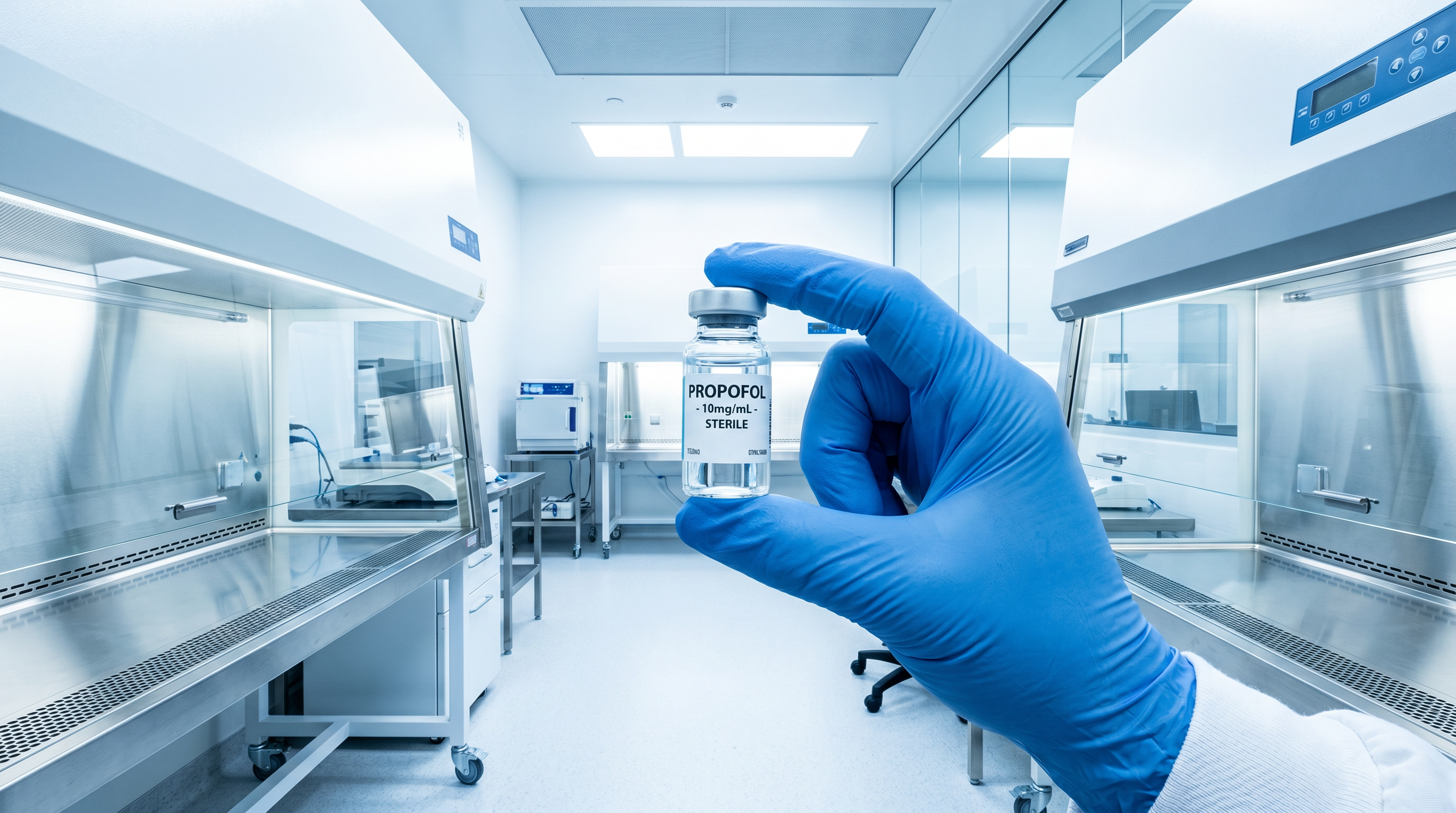
For years, the word "peptide" conjured images of underground biohackers, elite bodybuilders, and longevity enthusiasts swapping intricate dosing protocols on obscure internet forums. Compounds bearing alphanumeric designations like BPC-157, CJC-1295, and TB-500 were quietly purchased from gray-market "research chemical" websites, arriving in unmarked vials with strict disclaimers that they were not for human consumption. Users would reconstitute the powders with bacteriostatic water and inject them in the pursuit of faster injury recovery, enhanced cognitive function, and anti-aging benefits. It was the Wild West of wellness—an exciting but entirely unregulated frontier where patients acted as their own doctors, relying on anecdotal evidence and crowdsourced safety data to optimize their biology.[1][2]
Today, that landscape is virtually unrecognizable. Peptides have surged from the fringes of internet subcultures into the brightly lit, highly regulated corridors of mainstream wellness and telehealth. The transition represents one of the most significant shifts in proactive health optimization this decade, transforming how patients and physicians approach tissue repair, metabolic health, and the science of longevity. Instead of navigating sketchy websites, consumers are now consulting with licensed medical professionals via synchronous video calls, receiving pharmaceutical-grade compounds shipped directly from accredited 503A compounding pharmacies. This maturation of the industry is bringing elite-level recovery tools to the general public, wrapped in the safety of clinical oversight.[2][7]
The catalyst for this medical revolution was hiding in plain sight: the meteoric rise of GLP-1 receptor agonists. Blockbuster weight-loss and diabetes drugs like semaglutide (marketed as Wegovy and Ozempic) and tirzepatide (Zepbound) are, fundamentally, synthesized peptides. By proving that a peptide could safely and effectively tackle massive, population-level metabolic dysfunction, these medications shattered the public's hesitation around injectable therapies. They validated the underlying science on a global scale, proving that manipulating the body's natural signaling pathways could yield dramatic, life-altering results. In doing so, GLP-1s paved the way for a broader acceptance of "longevity protocols" that target everything from skin elasticity to joint health.[1][3][7]
To understand the current boom, it helps to understand the underlying biology of these compounds. Peptides are essentially short chains of amino acids, which are the fundamental building blocks of proteins. While traditional large-protein biologics can be unwieldy and difficult for the body to process, and small-molecule drugs often take a "shotgun" approach that results in systemic side effects, peptides act much more like a highly calibrated sniper rifle. They function as specific signaling molecules, binding precisely to receptors on cell surfaces to trigger natural biological processes that are already programmed into the human body.[4][7]

When a specific peptide is introduced into the system, it simply amplifies or directs a targeted physiological signal. Depending on the sequence of amino acids, a peptide might instruct the pancreas to release insulin, prompt the pituitary gland to secrete natural human growth hormone, or direct fibroblasts to accelerate the repair of a torn muscle. Because they closely mimic the body's endogenous signals, peptides are often metabolized quickly and cleanly, leaving behind fewer toxic byproducts than traditional pharmaceuticals. This clean metabolic profile is a major draw for the longevity community, which prioritizes therapies that enhance the body's natural functions rather than overriding them.[4][7]
The undisputed poster child for this new wave of regenerative medicine is BPC-157, which stands for Body Protection Compound-157. Originally derived from a protective protein found naturally in human gastric juice, this specific 15-amino-acid sequence has achieved near-mythic status in sports medicine and biohacking circles. For over a decade, athletes and wellness enthusiasts have utilized BPC-157 to bounce back from severe musculoskeletal injuries that would normally require surgery or months of physical therapy, sharing their dramatic recovery timelines across social media and specialized health forums.[1][6]
The claims surrounding BPC-157 are sweeping: advocates assert it can rapidly heal torn ligaments, soothe chronic joint inflammation, and even repair the gut lining in patients suffering from leaky gut syndrome or inflammatory bowel conditions. The scientific evidence supporting these claims is remarkably robust in preclinical rodent models. In laboratory settings, the peptide has consistently demonstrated a profound ability to promote angiogenesis—the formation of new blood vessels—which dramatically accelerates the delivery of oxygen and nutrients to damaged soft tissues, thereby speeding up the healing process.[1][3][6]
The scientific evidence supporting these claims is remarkably robust in preclinical rodent models.
However, the leap from successful rodent models to widespread human application remains the primary point of friction for the medical establishment. While anecdotal success stories number in the tens of thousands, BPC-157 still lacks the large-scale, multi-phase human clinical trials required for formal FDA drug approval. This significant data gap has historically made regulatory agencies nervous. Officials frequently cite theoretical risks, such as potential immunogenicity or the possibility that a compound designed to promote rapid cellular growth and angiogenesis could inadvertently accelerate the development of undiagnosed tumors in human patients.[3][5]
This underlying tension between consumer demand and regulatory caution came to a dramatic head in late 2023. Citing a lack of sufficient safety data for human administration, the FDA placed BPC-157, along with several other highly sought-after peptides like TB-500 and MOTS-c, on its restrictive Category 2 list. This classification flagged the substances for "significant safety concerns," effectively prohibiting licensed compounding pharmacies from legally preparing them for patients. The move sent shockwaves through the wellness industry, inadvertently driving desperate consumers back to the very unregulated gray markets the FDA sought to protect them from.[4][6]
But the regulatory pendulum is currently swinging back in a major way. Following intense, coordinated pushback from the compounding pharmacy industry, functional medicine practitioners, and vocal patient advocacy groups, the landscape shifted dramatically in early 2026. Industry leaders successfully argued that the safety data did not warrant such a restrictive designation, and that cutting off legal access only endangered patients who relied on these therapies for chronic pain and recovery.[6]

In April 2026, the Department of Health and Human Services confirmed a major administrative reversal: the removal of 12 key peptides—including the highly debated BPC-157 and TB-500—from the restrictive Category 2 list. While this action does not grant immediate FDA approval, it represents a massive victory for longevity advocates. It officially moves these compounds out of regulatory purgatory and into the formal review pipeline of the Pharmacy Compounding Advisory Committee (PCAC), signaling a willingness from the government to reconsider their therapeutic value.[4][5][6]
The PCAC is now scheduled to formally evaluate these peptides during a highly anticipated meeting on July 23 and 24, 2026. If the committee clears these substances, licensed 503A compounding pharmacies will once again be able to legally prepare these formulations under a physician's direct prescription. This would ensure that patients receive products that have undergone rigorous sterility testing, accurate dosing verification, and continuous medical oversight, effectively bridging the gap between cutting-edge science and patient safety.[4][6]
Anticipating this regulatory green light, a sophisticated new wave of telehealth platforms has emerged to guide the average consumer through the complex world of peptide science. Companies like CeliaRx and Aspire Health are building robust business models entirely around physician-guided peptide therapy. Instead of guessing at dosages, patients now undergo comprehensive blood panels and detailed synchronous video consultations before a customized protocol is prescribed, moving the entire industry away from its "do-it-yourself" origins.[2][7]
These modern platforms are also popularizing the advanced concept of "peptide stacking"—the strategic combination of multiple compounds to address interconnected biological systems simultaneously. For example, a patient might be prescribed a localized recovery peptide to heal a nagging joint injury, alongside a systemic secretagogue like CJC-1295 to gently encourage the body's natural growth hormone production. This holistic approach recognizes that sleep, recovery, and metabolic function are deeply intertwined, allowing physicians to target the broader health picture rather than isolated symptoms.[2][7]

The shift from underground experimentation to clinical oversight represents a profound maturation of the biohacking ethos. "The body doesn't operate in isolated pathways," notes Koehl Robinson, founder of the telehealth platform CeliaRx, emphasizing that modern longevity protocols aim to improve the quality of life in the present moment. The goal is no longer simply extending lifespan at all costs, but rather maximizing human potential and healthspan so that the later years of life remain active, vibrant, and free from chronic pain.[2]
As the pivotal July FDA committee meeting approaches, the stakes for the multi-billion-dollar wellness industry are immense. A favorable ruling from the PCAC would officially legitimize a massive sector of regenerative medicine, providing millions of patients with safe, regulated access to therapies that sit squarely between daily vitamin supplements and invasive orthopedic surgeries. It would also likely trigger a wave of new investment and clinical research into the specific mechanisms of these compounds.[3][7]
Ultimately, the mainstreaming of peptides reflects a broader, irreversible cultural shift in how society views aging, recovery, and preventative care. Consumers are no longer content to passively manage their physical decline; they are actively seeking out sophisticated, science-backed tools to optimize their biology. As the medical establishment finally builds the regulatory and clinical infrastructure to support them safely, the peptide revolution appears poised to permanently alter the landscape of modern healthcare.[2][7]
How we got here
Late 2023
The FDA places BPC-157 and several other popular peptides on its Category 2 list, citing safety concerns and effectively halting legal compounding.
February 2026
HHS Secretary Robert F. Kennedy Jr. publicly addresses the FDA's restrictive actions on peptides, signaling an impending regulatory shift.
April 2026
The FDA officially removes 12 peptides, including BPC-157 and TB-500, from the Category 2 restriction list.
July 23-24, 2026
The Pharmacy Compounding Advisory Committee (PCAC) is scheduled to review the peptides to determine their final compounding eligibility.
Viewpoints in depth
Longevity & Telehealth Advocates
Focus on the quality-of-life improvements and targeted healing capabilities of peptides.
Proponents of the peptide revolution view these compounds as a paradigm shift from reactive medicine to proactive health optimization. Rather than waiting for a joint to fail or metabolic disease to set in, they argue that peptides like BPC-157 and CJC-1295 allow patients to actively maintain tissue integrity and hormonal balance. By moving these therapies into regulated telehealth platforms, advocates believe they can democratize access to elite-level recovery tools while ensuring physician oversight and pharmaceutical-grade purity.
Regulatory & Safety Watchdogs
Prioritize long-term safety data and traditional clinical trial validation.
From a regulatory perspective, the surge in peptide popularity outpaces the established clinical literature. Agencies and safety advocates point out that while animal models show remarkable healing properties, the lack of multi-phase human trials leaves open questions about long-term side effects. A primary concern is that compounds designed to accelerate angiogenesis (new blood vessel formation) and tissue growth could theoretically accelerate the development of undiagnosed tumors. They argue that until rigorous human data is compiled, widespread compounding remains a public health risk.
Compounding Pharmacy Industry
Argue that restricting legal compounding only drives patients to dangerous gray markets.
The compounding industry contends that heavy-handed FDA restrictions, such as the 2023 Category 2 classifications, do not stop consumers from seeking out peptides; they simply force them into the unregulated black market. By allowing licensed 503A pharmacies to prepare these medications, the industry argues it can guarantee sterility, accurate dosing, and the absence of dangerous impurities. They view the upcoming July 2026 PCAC review as a critical opportunity to establish a safe, regulated framework that protects patients who are already determined to use these therapies.
What we don't know
- How the FDA's Pharmacy Compounding Advisory Committee will ultimately rule on BPC-157 and other peptides in July 2026.
- Whether long-term human use of tissue-repair peptides carries unforeseen risks, such as accelerating undiagnosed tumor growth.
- How insurance companies will handle coverage for longevity and recovery peptides if they are cleared for widespread compounding.
Key terms
- Peptide
- A short chain of amino acids that acts as a signaling molecule in the body to trigger specific biological functions.
- BPC-157
- Body Protection Compound-157, a 15-amino-acid synthetic peptide originally derived from gastric juice, widely studied for its ability to accelerate tissue and gut healing.
- Compounding Pharmacy
- A specialized pharmacy that creates custom medications tailored to the needs of an individual patient, often mixing ingredients that are not commercially available in standard drug forms.
- Angiogenesis
- The physiological process through which new blood vessels form from pre-existing vessels, a key mechanism in how certain peptides promote tissue repair.
- Secretagogue
- A substance that causes another substance to be secreted; in biohacking, often referring to peptides that stimulate the natural release of human growth hormone.
Frequently asked
What exactly is a peptide?
A peptide is a short chain of amino acids, essentially a smaller version of a protein. In the body, they act as highly specific signaling molecules that trigger natural processes like tissue repair or hormone release.
Are weight-loss drugs like Wegovy considered peptides?
Yes. Blockbuster GLP-1 receptor agonists like semaglutide (Wegovy) and tirzepatide (Zepbound) are synthesized peptides that signal the body to regulate blood sugar and appetite.
Is BPC-157 currently legal to buy?
As of mid-2026, BPC-157 is undergoing FDA review. While it was removed from the highly restrictive Category 2 list in April, it awaits a July 2026 committee decision to determine if licensed pharmacies can legally compound it.
Why is the FDA concerned about peptides?
The FDA's primary concern is the lack of large-scale human clinical trials. Regulators worry about potential immunogenicity and the theoretical risk that compounds promoting rapid tissue growth could accelerate tumor development.
Sources
Source coverage
7 outlets
3 viewpoints surfaced





[1]STAT NewsRegulatory & Safety Watchdogs
An obesity drug deep-dive, and peptides move mainstream
Read on STAT News →[2]ForbesLongevity & Telehealth Advocates
As Peptides Go Mainstream, CeliaRx Aims To Cut Through The Noise
Read on Forbes →The FDA Could Ease Restrictions On Peptides This Summer—What Consumers Should Know
Read on Forbes →[4]BSCGRegulatory & Safety Watchdogs
What's Changing With Peptide Regulation in 2026
Read on BSCG →[5]AgeMDLongevity & Telehealth Advocates
BPC-157 FDA Status 2026: What the RFK Reclassification Means for Patients
Read on AgeMD →[6]NewtropinCompounding Pharmacy Industry
Is BPC-157 Legal in 2026? FDA Compounding Status Explained
Read on Newtropin →[7]Factlen Editorial TeamCompounding Pharmacy Industry
Synthesis by Factlen editorial team
Read on Factlen Editorial Team →

More in health
See all 48 stories →Autoimmune Breakthrough
A Revolutionary 'Immune Reset' Therapy Is Putting Severe Lupus Into Remission
6 sources

Movement Therapy
The Evidence for Exercise as a Primary Treatment for Depression
7 sources

Cellular Therapy
‘Immune Reset’ Breakthrough: CAR-T Cell Therapy Puts Severe Lupus Into Drug-Free Remission
6 sources
Lupus Breakthrough
‘Immune Reset’ Therapy Puts Severe Lupus Patients Into Remission in Breakthrough NHS Trial
6 sources
Every angle. Every day.
Get health stories with full source coverage and perspective breakdowns delivered to your inbox.