
How Fermented Foods Reshape the Gut Microbiome and Lower Inflammation
Clinical research reveals that a diet high in fermented foods can increase microbial diversity and reduce systemic inflammation, outperforming high-fiber diets in short-term gut transformation.
By Factlen Editorial Team

- Clinical Researchers
- Focus on measurable biological outcomes like microbial diversity and inflammatory markers.
- Preventive Cardiologists & Dietitians
- Focus on practical dietary application, whole-food matrices, and patient safety.
- Microbiome Scientists
- Focus on the underlying mechanisms, postbiotics, and ecosystem resilience.
What's not represented
- · Industrial Food Manufacturers
- · Gastroenterologists treating severe dysbiosis
Why this matters
Chronic inflammation is a primary driver of aging and metabolic disease. Understanding how specific foods actively reprogram the immune system empowers readers to use their daily diet as a targeted, evidence-based medical intervention.
Key points
- A landmark clinical trial demonstrated that eating a diet high in fermented foods significantly increases gut microbiome diversity.
- Participants consuming fermented foods saw a measurable drop in 19 inflammatory proteins, including those linked to chronic disease.
- High-fiber diets, while beneficial for producing short-chain fatty acids, did not increase microbial diversity over a short 10-week period.
- The benefits of fermented foods come from both live transient bacteria and 'postbiotics'—the metabolic byproducts created during fermentation.
- True fermented foods must contain live and active cultures, meaning many shelf-stable, pasteurized supermarket pickles do not offer the same benefits.
For years, fermented foods like kombucha, kimchi, and kefir have occupied a trendy, somewhat mystical corner of the wellness industry. Promoted as a cure-all for digestive woes, these tangy staples have filled grocery store shelves and social media feeds alike. But beyond the marketing hype, a rigorous body of clinical research has emerged, transforming fermented foods from a dietary fad into a scientifically validated medical intervention. The consensus is clear: these ancient foods possess a unique ability to actively reshape the human gut microbiome and dial down systemic inflammation.[7]
The practice of fermentation is nearly as old as human civilization itself. For thousands of years, cultures across the globe relied on the process primarily as a method of preservation, long before the invention of refrigeration. By creating an acidic environment, early humans could keep vegetables, dairy, and grains from spoiling. Today, however, preventive cardiologists and nutrition scientists recognize that this preservation technique does much more than extend shelf life—it fundamentally alters the nutritional profile of the food, turning it into a delivery system for health-promoting microbes.[2][6]
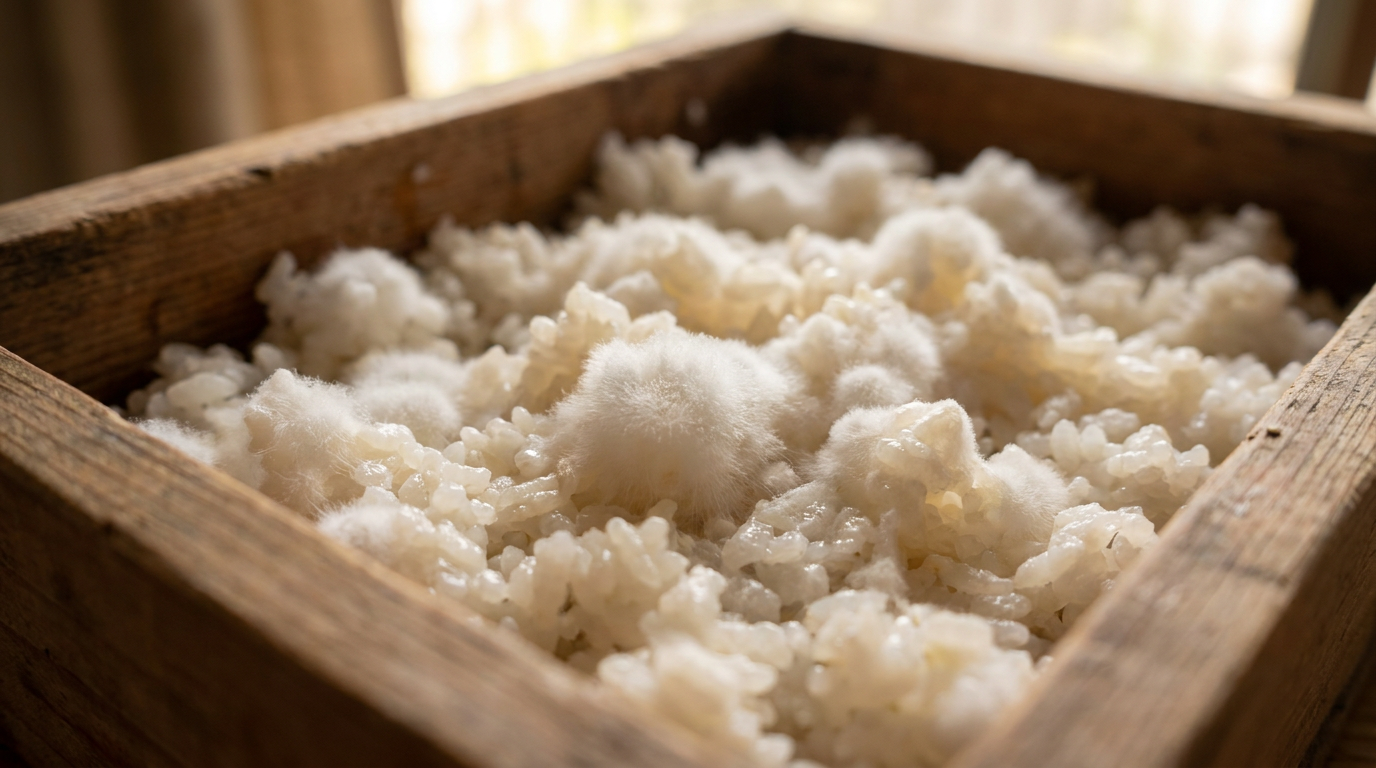
At a biochemical level, fermentation is a controlled metabolic process. When foods are deprived of oxygen, naturally occurring or intentionally introduced microorganisms—such as bacteria and yeast—begin to consume the food's natural sugars and starches. As they feed, these microbes produce organic compounds like lactic acid, acetic acid, and alcohol. This conversion not only gives fermented foods their signature tart flavor but also creates an environment that inhibits the growth of harmful, disease-causing pathogens while allowing beneficial bacterial strains to multiply rapidly.[2][3]
The modern scientific pivot toward fermented foods was heavily accelerated by a landmark clinical trial conducted at the Stanford School of Medicine. Researchers set out to answer a fundamental question: how do different dietary interventions actually alter the microbial landscape of the gut? The study enrolled 36 healthy adults and randomly assigned them to one of two distinct 10-week diets. One group was instructed to consume a diet high in plant-based fiber, while the other group was asked to steadily increase their intake of fermented foods, eventually reaching about six servings per day.[1][5]

The results of the high-fiber group defied conventional nutritional expectations. Dietary fiber has long been championed as the ultimate fuel for a healthy gut, acting as a 'prebiotic' that feeds existing beneficial bacteria. However, the Stanford researchers found that over the short 10-week window, the high-fiber diet did not significantly increase the overall diversity of the participants' microbiomes. While the fiber did increase the microbes' capacity to produce beneficial short-chain fatty acids, it was insufficient to introduce new microbial species into the gut ecosystem.[1][4]
In stark contrast, the group consuming the high-fermented-food diet experienced a profound biological shift. Participants who regularly ate foods like yogurt, kefir, fermented cottage cheese, kimchi, and kombucha saw a steady, measurable increase in their overall microbial diversity. Furthermore, this boost in diversity was dose-dependent: the more servings of fermented foods the participants incorporated into their daily routines, the greater the variety of microbial species that flourished in their digestive tracts.[1][5]
Perhaps the most striking finding from the Stanford trial was the impact on the immune system. Every single participant in the fermented food group exhibited a reduction in systemic inflammation. Blood tests revealed that the levels of 19 distinct inflammatory proteins had dropped significantly. Among these was interleukin-6 (IL-6), a well-documented inflammatory marker that is closely associated with chronic stress and a host of age-related diseases, including type 2 diabetes and rheumatoid arthritis. The high-fiber group, notably, did not experience this universal anti-inflammatory effect.[1][2]

Perhaps the most striking finding from the Stanford trial was the impact on the immune system.
Microbiome scientists emphasize that this increase in microbial diversity is the holy grail of gut health. The human microbiome functions much like a complex environmental ecosystem. A forest teeming with hundreds of different plant, animal, and fungal species is inherently more resilient to disease and environmental stress than a field planted with a single crop. In the gut, a highly diverse microbial population is better equipped to crowd out pathogens, digest a wider array of nutrients, and maintain a strong, impermeable intestinal barrier.[4]
It is important to distinguish whole fermented foods from clinical probiotic supplements. While a manufactured probiotic pill typically delivers a massive dose of one or two specific bacterial strains designed for a targeted health outcome, fermented foods offer a wilder, more variable microbial profile. A single serving of traditional kimchi or kefir can contain dozens of different interacting strains. This synergistic mix of food-borne microbes appears to be particularly effective at stimulating the immune system as it passes through the digestive tract, even if the bacteria only colonize the gut transiently.[4][6]
Furthermore, the benefits of fermented foods extend beyond the live bacteria themselves—a concept scientists refer to as 'postbiotics.' During the fermentation process, microbes secrete a variety of metabolic byproducts, including enzymes, peptides, and organic acids. Research indicates that these postbiotic compounds exert powerful anti-inflammatory and metabolic effects on the human body. This means that even if some of the live bacteria do not survive the harsh, acidic environment of the human stomach, the chemical byproducts they leave behind continue to actively support host health.[3][6]
Fermentation also acts as a form of 'pre-digestion,' making nutrients more bioavailable and easier for the human body to absorb. For instance, individuals with lactose intolerance often find they can comfortably consume fermented dairy products like yogurt and kefir, because the bacteria have already broken down much of the lactose. Additionally, the microbial activity in fermented foods synthesizes essential nutrients that are otherwise difficult to obtain, such as vitamin K2, which plays a critical role in regulating calcium metabolism and supporting cardiovascular health.[2]

Translating this science to the grocery store aisle requires careful navigation, as not all tangy foods are truly fermented. Many commercial pickles and sauerkraut products are simply soaked in vinegar to mimic a sour flavor. While vinegar-pickled vegetables are perfectly healthy, they do not undergo the microbial fermentation process and therefore do not contain the live cultures or postbiotic compounds that drive microbiome diversity. True fermented foods are typically found in the refrigerated section, as they require cold temperatures to slow the ongoing fermentation process.[6]
Pasteurization presents another hurdle for consumers seeking gut-health benefits. Many mass-produced fermented foods are subjected to high heat to extend their shelf life and ensure safety. Unfortunately, this heating process indiscriminately kills the beneficial bacteria alongside any potential pathogens. To reap the microbial rewards observed in clinical trials, dietitians advise looking for product labels that explicitly state 'contains live and active cultures,' or opting for raw, unpasteurized versions of sauerkraut and kimchi.[4][6]
While the benefits are substantial, preventive cardiologists caution that incorporating fermented foods requires some dietary balancing, particularly regarding sodium. The traditional fermentation of vegetables relies on a salty brine to inhibit mold and bad bacteria while the lactic acid bacteria establish themselves. As a result, generous servings of kimchi or sauerkraut can carry a high sodium load. For individuals managing hypertension, focusing on low-sodium fermented options like plain yogurt, kefir, or kombucha may be a safer strategy.[2]
For those looking to adopt a high-fermented-food diet, a gradual approach is essential. In clinical studies, participants ramped up their intake over several weeks. Introducing billions of new microbes into a stagnant gut ecosystem can initially cause digestive distress, including bloating and gas, as the microbial populations shift and compete for resources. Researchers note that this adjustment period is normal and typically resolves as the microbiome adapts to its new, more diverse baseline.[5]

Ultimately, the most effective dietary strategy may not be choosing between fermented foods and fiber, but rather combining them. While the Stanford study showed that fiber alone didn't increase short-term diversity, researchers hypothesize that a diverse gut flora is actually a prerequisite for extracting the full benefits of a high-fiber diet. By using fermented foods to introduce a wide variety of microbial workers into the gut, and then providing them with high-quality dietary fiber to use as fuel, individuals can create a powerful, self-sustaining ecosystem that actively defends against chronic inflammation.[5][7]
How we got here
Ancient History
Humans utilize fermentation primarily as a method to preserve food without refrigeration.
Early 2000s
The wellness industry popularizes kombucha and kefir, though clinical evidence remains sparse.
July 2021
Stanford Medicine publishes a landmark clinical trial proving fermented foods lower inflammation and boost microbiome diversity.
2025-2026
Medical consensus shifts, with preventive cardiologists and dietitians formally recommending fermented foods as a targeted intervention for chronic disease.
Viewpoints in depth
Clinical Researchers
Focus on measurable biological outcomes like microbial diversity and inflammatory markers.
This camp emphasizes the hard data emerging from controlled trials. They point to the measurable drop in 19 inflammatory proteins, including IL-6, as proof that fermented foods act as a systemic medical intervention. For these researchers, the primary goal is understanding the dose-response relationship—exactly how many servings are required to trigger these immune benefits, and how long the effects last if the diet is discontinued.
Preventive Cardiologists & Dietitians
Focus on practical dietary application, whole-food matrices, and patient safety.
Nutrition professionals prioritize how these findings translate to the grocery store and the dinner plate. They advocate for whole-food sources over isolated probiotic supplements, noting that the food matrix provides essential vitamins and pre-digested nutrients. However, they also caution patients about the high sodium content in fermented vegetables like kimchi and sauerkraut, often recommending lower-sodium dairy or tea-based options for individuals managing hypertension.
Microbiome Scientists
Focus on the underlying mechanisms, postbiotics, and ecosystem resilience.
Microbiologists are less concerned with the specific food and more interested in the chemical and ecological mechanisms at play. They argue that the benefits of fermented foods don't rely solely on live bacteria colonizing the gut. Instead, they highlight the role of 'postbiotics'—the organic acids, peptides, and dead microbial cells that exert powerful anti-inflammatory effects as they pass through the digestive tract, acting as a catalyst for the gut's native ecosystem.
What we don't know
- Whether the increased microbiome diversity persists long-term if a person stops eating fermented foods daily.
- Exactly which specific strains of bacteria or postbiotic compounds are responsible for the drop in inflammatory markers.
- How fermented foods interact with severe gastrointestinal disorders like Crohn's disease or severe IBS during active flare-ups.
Key terms
- Microbiome
- The complex ecosystem of bacteria, fungi, and viruses that live inside the human digestive tract and regulate immunity and digestion.
- Fermentation
- A metabolic process where microorganisms like bacteria or yeast convert sugars into acids, gases, or alcohol in the absence of oxygen.
- Probiotics
- Live, beneficial microorganisms that provide health benefits when consumed in adequate amounts.
- Prebiotics
- Types of dietary fiber that the human body cannot digest, which serve as food for beneficial gut bacteria.
- Postbiotics
- The beneficial chemical byproducts and compounds left behind after bacteria metabolize food or die.
- Interleukin-6 (IL-6)
- A specific protein produced by the immune system that acts as a marker for systemic inflammation and is linked to chronic diseases.
Frequently asked
Do fermented foods need to be raw to be healthy?
To provide live probiotic bacteria, fermented foods must be raw or unpasteurized. However, even pasteurized fermented foods contain 'postbiotics'—beneficial metabolic byproducts that still offer health benefits.
What is the difference between pickled and fermented?
Pickled foods are simply soaked in an acidic liquid like vinegar for flavor. Fermented foods create their own acid through a biological process where live bacteria consume sugars, resulting in a product rich in beneficial microbes.
Can I eat fermented dairy if I am lactose intolerant?
Often, yes. The bacteria used to ferment dairy into yogurt and kefir consume much of the lactose during the fermentation process, making these foods significantly easier to digest for those with lactose sensitivities.
How much fermented food should I eat daily?
Clinical trials showing significant reductions in inflammation had participants gradually increase their intake to about six servings per day. However, experts recommend starting with just one serving daily to avoid bloating.
Sources
Source coverage
7 outlets
3 viewpoints surfaced







[1]Stanford MedicineClinical Researchers
Fermented-food diet increases microbiome diversity, decreases inflammatory proteins, study finds
Read on Stanford Medicine →[2]American Medical AssociationPreventive Cardiologists & Dietitians
From kimchi to kefir: What to tell patients about fermented foods
Read on American Medical Association →[3]MDPIMicrobiome Scientists
Fermented Food and Microbiota
Read on MDPI →[4]SeedMicrobiome Scientists
Fermented Foods for Gut Health: How to Get Real Benefits From Every Bite
Read on Seed →[5]Health RisingClinical Researchers
Fermenting Health? The Stanford Fermented Foods / High Fiber Gut Study
Read on Health Rising →[6]American Society for NutritionPreventive Cardiologists & Dietitians
Fermenting the Facts: A Science-Based Guide to Fermented Foods
Read on American Society for Nutrition →[7]Factlen Editorial TeamMicrobiome Scientists
Synthesis by Factlen editorial team
Read on Factlen Editorial Team →
Every angle. Every day.
Get food drink stories with full source coverage and perspective breakdowns delivered to your inbox.